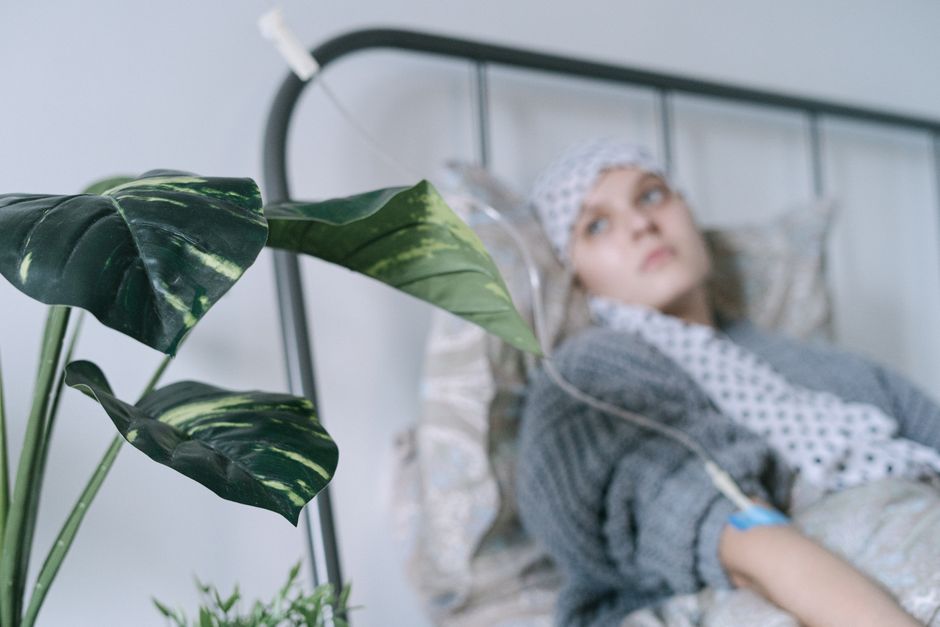
Breast implant replacement or removal is a full surgical operation that calls for a serious approach to recovery. How closely you follow your doctor’s advice affects both the result and how quickly you recover. This article answers the key questions about the recovery period — from the first hours after surgery to getting back to everyday life.
- The active recovery phase lasts 4–6 weeks and requires limited physical activity and careful wound care.
- Wearing compression garments is essential for the first 4–6 weeks after surgery.
- Pain is most noticeable in the first 3–5 days and then gradually eases.
- Full tissue recovery and a stable breast shape take 3–6 months.
- What happens straight after surgery?
- The first 48 hours: the key rules
- How will you feel during the first week?
- Compression garments: why and for how long?
- Caring for incisions and scars
- Diet during recovery
- Physical activity: what is allowed and when?
- When can you go back to work?
- Follow-up visits: schedule and what is checked
- Possible complications and how to recognise them
- When should you see a doctor immediately?
- Your emotional state during recovery
- What happens a month after surgery?
- Returning to sport: a step-by-step plan
- Long-term care after implant replacement
- Preventing complications: the rules for a good result
01What happens straight after surgery?
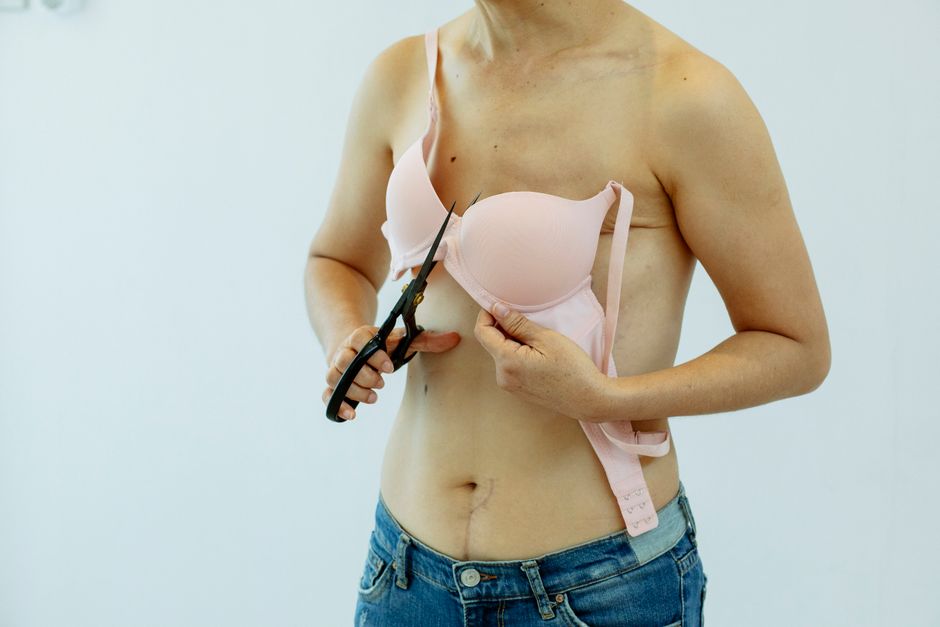
After the operation, you stay in the recovery room under the supervision of an anaesthetist and nursing staff. In the first hours after coming round from the anaesthetic, you may feel confused, sick or slightly shaky — a normal reaction to anaesthesia that passes within a few hours.
The breast area is supported with a compression bra or an elastic bandage while you are still in the operating theatre. This is needed to minimise swelling, reduce the risk of a haematoma and hold the tissues in the right position.
Drains, if they were placed, are removed 24–48 hours after surgery, depending on how much fluid they collect. You will stay in hospital for one to two days: this is the standard protocol and allows the team to respond promptly to any early complications.
Your first meal after surgery should be light: broth, yoghurt or fruit purée. Solid food is allowed once the nausea has completely gone — usually 6–8 hours after you come round from the anaesthetic. It is important to drink enough plain water to help your body clear the remaining anaesthetic.
02The first 48 hours: the key rules

In the first two days, your job is to rest, take your medicines as prescribed and keep a close eye on how you feel. Do not raise your arms above shoulder level, lean on your elbows or make any movements that put strain on the chest muscles.
Pain during this period is moderate to noticeable — this is expected. The surgeon prescribes painkillers as tablets or injections, and you need to take them strictly on schedule rather than waiting until the pain becomes unbearable. Do not swap the prescribed medicines for others on your own.
Swelling and bruising (ecchymosis) of the breasts and surrounding tissues are completely normal. They peak on day 2–3 and then gradually fade. Cold may only be applied locally if your doctor allows it, and only through fabric, never directly on the skin.
During this period, sleep on your back with the head of the bed slightly raised, at an angle of 30–45 degrees. This position reduces pressure on the chest and helps limit swelling in the operated area. Do not turn onto your side earlier than 7–10 days after surgery, and only after checking with your surgeon.
Not sure which clinic to start with?
A MediUkraine coordinator will help you choose a clinic and a doctor for your case, free of charge.
03How will you feel during the first week?
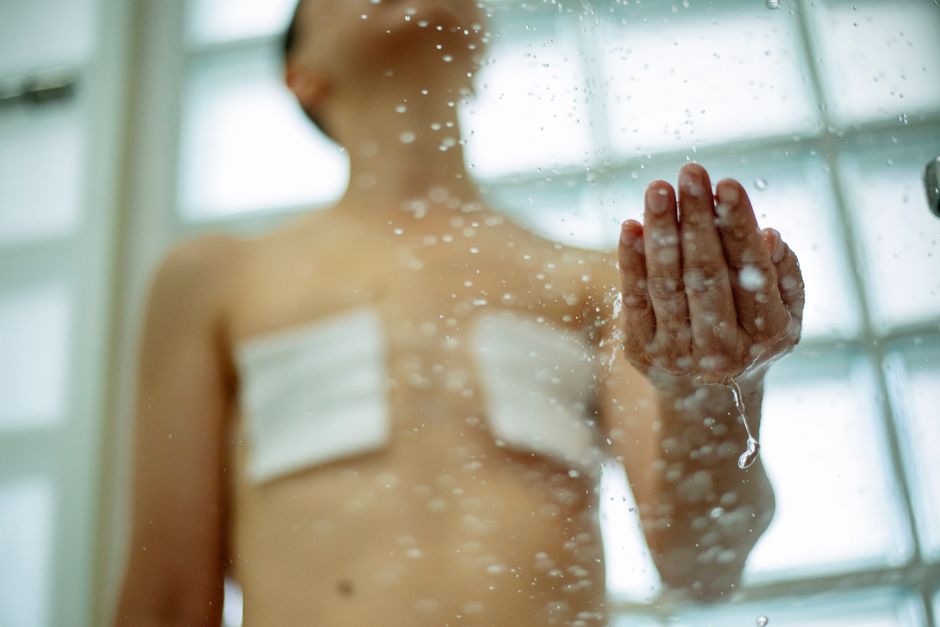
The first week after surgery is the most intense in terms of symptoms. Swelling continues to go down but is still noticeable. The skin over the breasts may feel tight, warm to the touch and sensitive, or, on the contrary, partly numb — a result of temporary disruption to the surface nerves.
A feeling of tightness in the chest is typical at this stage, especially after replacing implants with a larger size. It should not be confused with pain: tightness is a sense of pressure and “snugness” that gradually eases as the tissues adapt. If severe throbbing pain comes on top of the tightness, see your doctor immediately.
On day 5–7, the surgeon carries out the first follow-up check. They assess the incisions, remove the tape or change the dressing if needed, and check symmetry and the general appearance of the wound. Depending on the suture material, stitches are removed on day 10–14 or not at all if dissolvable stitches were placed under the skin.
In the first week, gentle walking around your home is recommended — it stimulates circulation and reduces the risk of deep vein thrombosis. Any other physical activity, including housework beyond “fetching a glass of water”, remains off-limits.
04Compression garments: why and for how long?
A compression bra is one of the key tools of recovery after breast surgery. It does several jobs at once: it holds the tissues in the right position, reduces swelling, lowers the risk of the implant shifting (after replacement) and provides even pressure on the operated area.
The standard period is 4–6 weeks, day and night, including while you sleep. After this, your doctor may allow you to switch to an ordinary non-wired bra. Going without a supportive bra even for a short time in the first weeks puts the result of the operation at risk.
It is important to choose the right size: the bra should not squeeze your chest so much that you feel short of breath, but it must fit snugly and not move as you move. If the compression causes pain or the elastic leaves marks, choose a different size with your doctor rather than stopping wearing it.
Underwired sports bras and decorative underwear with rigid inserts should not be worn until the tissues have fully healed — that is, not earlier than 2–3 months after surgery. After that, your doctor will assess your condition and give individual permission.
05Caring for incisions and scars
Caring for the incision properly has a significant effect on how the scar will look in the end. In the first weeks, the incision is covered with a sterile dressing or special tape, and you should not remove it yourself or get it wet. You can start caring for it yourself only once your surgeon allows it and has given you clear instructions.
Once the incision has healed and is covered with a thin crust or early scar, your doctor will prescribe local treatment to prevent problem scarring. Most often this means silicone patches or gels, scar massage — light, along the scar, without pressure — and protection from ultraviolet light.
After breast surgery the scar is usually located in the fold under the breast or around the areola, so with proper care it becomes barely noticeable. To achieve this, avoid direct sunlight on the scar tissue for at least a year — wear a covering swimsuit or use SPF 50+ sunscreen.
If the scar becomes bright red, swollen or itchy, or rises above the skin after normal healing has finished, these are signs of a hypertrophic or keloid scar. In that case, see your surgeon for additional treatment: corticosteroid injections, laser treatment or compression therapy.
06Diet during recovery
Eating well after surgery is not a diet in the usual sense but targeted support for tissue healing. Your body needs more protein (for cell repair), vitamins C and A (for collagen production), and zinc and iron (for healthy blood formation and wound healing).
In the first days, light food is recommended: boiled or steamed fish and poultry, fermented dairy products, eggs, fresh vegetables and fruit, and wholegrain cereals. Cut out fatty, fried, very salty and spicy food for at least two weeks, as these increase swelling and slow down healing.
Alcohol in any amount is strictly off-limits for at least 2–3 weeks after surgery. It dilates the blood vessels, increases the risk of bleeding, does not mix with most painkillers and antibiotics, and noticeably slows healing. Only return to alcohol with your doctor’s permission.
Staying hydrated is critical: drink at least 1.5–2 litres of plain water a day. Water helps clear metabolic waste and remaining medication, keeps your blood flowing well and reduces the risk of constipation — straining can put unwanted pressure on the operated area.
07Physical activity: what is allowed and when?
A gradual return to physical activity is a key principle of recovery after breast surgery. No sudden movements, heavy lifting or upper-body exercises until your surgeon has clearly allowed them. Trying to speed things up on your own can lead to the wound opening or the implant shifting.
The first 2 weeks
Only slow walks in the fresh air lasting 15–20 minutes are allowed. They stimulate circulation and reduce the risk of blood clots. Any housework that involves raising your arms above shoulder level or carrying things is not allowed.
Weeks 3–4
You can walk for longer and start walking at a moderate pace. Some patients return to desk-based work. Gym machines, swimming, yoga and Pilates are still off-limits.
Weeks 5–6
If your surgeon gives the go-ahead, you can return to light cardio: the cross-trainer or an exercise bike. Exercises for the chest and shoulder muscles remain restricted until at least week 8.
After 2 months
A gradual return to full training, always after consulting your surgeon. Weight-training exercises (bench press, push-ups, pull-ups) — not earlier than 3 months, and sometimes later depending on how you heal.
08When can you go back to work?
When you can return to work depends on the type of job and how your recovery goes. If you work in an office and mostly sit without physical exertion, your doctor may allow you to return as early as day 7–10 — provided you feel well and can work from home for the first few days.
If your work involves raising your arms, carrying things, physical exertion or standing for long periods, your return is postponed until week 4–6 at the earliest. This applies to nurses, teachers, hairdressers, physiotherapists and others whose jobs keep them on their feet.
Driving is a separate question. Because your arm movement is limited and painkillers may affect your concentration, you should not drive for at least 2 weeks. Your doctor will set the exact timing individually at a follow-up visit.
It is important not to confuse “I feel fine” with “I can work fully”. Even if you feel reasonably well by day 5, the internal tissues are still actively healing. Overdoing it too early carries a risk of complications even when you feel good.
09Follow-up visits: schedule and what is checked
Regular visits to your surgeon after the operation are not a formality but an essential part of the recovery plan. Each visit has a specific purpose, and skipping them without good reason means potential problems may go unnoticed.
A standard follow-up schedule looks like this: the first visit on day 5–7 (incisions and general recovery), the second on day 14 (stitch removal or assessment of healing, updated advice), the third after 1 month (swelling, symmetry, scar), the fourth after 3 months (implant position after replacement, healing of the capsule) and the fifth after 6 months (final assessment of the result).
At each visit, the surgeon examines the tissues by touch, assesses symmetry, checks the scar and, if indicated, orders a breast ultrasound. Ultrasound after implant replacement is a standard check and can detect a seroma, a haematoma or early signs of capsular contracture at an early stage.
Do not cancel or postpone planned check-ups even when “everything is fine”. Some complications, including capsular contracture or slow shifting of the implant, have no obvious symptoms early on and are only picked up at a clinical examination.
10Possible complications and how to recognise them
Most operations go without serious problems, but every patient should know which symptoms are warning signs that need a doctor straight away. Reacting in time is key to a good result and to avoiding long-term consequences.
- Seroma: a collection of fluid in the space around the implant or in the operated area. It shows up as a “sloshing” feeling, a localised increase in volume and moderate pain. It may need to be drained with a needle or a drain.
- Haematoma: bleeding into the tissues. Symptoms are a sudden increase in swelling, bright blue skin and increasing pain. In most cases it needs to be removed surgically.
- Capsular contracture: excessive tightening of the fibrous capsule around the implant (relevant after replacement). It shows up as firmness, a change in shape and tenderness of the breast. It is treated without surgery or with surgery, depending on the stage.
- Infection: redness, fever and pus from the incision are signs of bacterial inflammation. It needs prompt treatment with antibiotics or surgical review of the wound.
- Thrombosis: a rare but dangerous complication. Signs are tenderness, swelling and redness of the lower leg. It requires an urgent assessment by a vascular surgeon.
11When should you see a doctor immediately?
There are symptoms for which you cannot wait until a planned check-up — you need to call your surgeon or go to the clinic. Knowing these signs well can make a crucial difference in preventing serious consequences.
A body temperature above 38°C that lasts more than a day signals inflammation or infection. A low-grade temperature (up to 37.5°C) in the first 1–2 days is an acceptable reaction to surgical trauma and does not need urgent attention.
A sudden sharp increase in the size of one breast, rapidly increasing asymmetry, severe unbearable pain or a feeling of pressure in the chest all require an immediate examination. They may indicate internal bleeding or a rapidly forming seroma.
Shortness of breath, sharp chest pain, palpitations or loss of consciousness are signs that you need to call an ambulance. They may be a sign of pulmonary embolism — a rare but life-threatening complication after any surgery.
If the incision looks as if it is opening, or blood or fluid of an unusual colour or smell is coming from the wound, seek help immediately rather than treating it yourself with plasters and antiseptic.
12Your emotional state during recovery
Emotional wellbeing after breast surgery gets less attention than it deserves. Yet feeling low or uneasy in the first weeks is common and does not mean that the decision to have surgery was wrong.
Patients often feel anxious because of swelling (the breasts do not look as expected), disappointed by slow recovery or worried about symmetry. Most of these concerns are understandable — but premature. The final result is assessed no earlier than 3–6 months after surgery.
The body’s stress response to surgery and anaesthesia can also cause mood swings, tearfulness or anxiety. This is physiologically normal and usually passes within 1–2 weeks without any treatment.
If anxiety does not ease or interferes with daily life, tell your doctor. If needed, they will refer you to a psychologist or psychotherapist — a normal part of medical care, not a sign of “weakness”.
Write down your questions for the doctor as soon as they come up — in your phone’s notes. At your next check-up you will not forget anything and will get full answers to everything that concerns you.
13What happens a month after surgery?
By the end of the first month, most patients notice a big improvement: the swelling has gone down considerably, there is hardly any pain, and the scar becomes paler and flatter. Compression garments are still worn, but less strictly — according to an individual schedule.
At this stage, the breast shape is not yet final. After replacement, the new implant “settles” and takes up a natural position over 2–4 months. So it is too early to judge symmetry and shape a month after surgery. Doctors warn patients about this specifically to avoid unnecessary worry.
Skin sensation in the operated area gradually returns. Tingling, “pins and needles” or partial numbness at this stage are normal signs of nerve endings recovering. This process can take up to 6–12 months, depending on the extent of the surgery.
After a month, most patients are allowed to return to light cardio and full-time desk work. Activities that use the chest muscles — front crawl swimming, tennis, strength training — remain off-limits until the 2–3-month mark.
14Returning to sport: a step-by-step plan
Sport after breast surgery is the question active patients face most often. The general rule is that any exercise is introduced gradually, starting at minimum intensity, and only after your surgeon has given specific permission based on your examination.
Walking at a moderate pace is allowed from the first week. Light cardio (cross-trainer, exercise bike without using your arms) from week 5–6. Swimming — after at least 6–8 weeks, and only once all incisions have fully healed, as water in open or unhealed wounds is a direct risk of infection.
Upper-body strength training, martial arts and contact team sports — not earlier than 3 months, or 4–6 months after more extensive surgery. Start with minimal weights and always wear a well-supporting sports bra.
If you exercise at an amateur or professional fitness level, tell your surgeon about the specifics of your training before the operation. This makes it possible to draw up an individual recovery plan with specific timings and restrictions for your type of activity.
15Long-term care after implant replacement
Breast implant replacement or removal is not a one-off procedure with no further commitments. The result needs attention in the long term as well. If new implants have been placed, follow the recommended monitoring schedule for as long as you have them.
Regular breast ultrasound is a standard recommendation after surgery with implants. It makes it possible to detect signs of rupture, silicone gel leakage or capsular contracture in time. Breast MRI is recommended every 2–3 years as a more sensitive way to check that the implants are intact.
Mammography remains relevant for women in the relevant screening age group, but it is performed using the modified Eklund technique, which allows the breast tissue next to the implant to be seen more clearly. Always tell the radiographer that you have implants.
If, after implant removal without replacement, you notice ptosis (sagging) of the tissues, this is normal and can be corrected with a separate breast lift as a planned procedure. You can find detailed information about all aspects of the surgery and follow-up on our breast implant replacement and removal page.
16Preventing complications: the rules for a good result
A successful result depends not only on the surgeon but also on you. Following clear rules during recovery is not over-caution but a medically justified necessity that directly affects the result and how long it lasts.
The main rules for preventing complications: do not smoke for at least 4–6 weeks before and after surgery (nicotine constricts blood vessels and seriously impairs healing); do not take aspirin, ibuprofen or other non-steroidal anti-inflammatory drugs in the first weeks unless prescribed; do not stay in the sun unprotected; and avoid steam baths, saunas and sunbeds for at least 2–3 months.
Regular scar massage using the technique your surgeon shows you is one of the most effective ways to get a flat, pale, barely noticeable scar. Start only once your doctor allows it (usually from week 3–4) and do it every day for 5–10 minutes.
Finally, the most important rule: do not ignore any warning symptom and do not treat yourself. Open communication with your surgeon, reporting any change in how you feel promptly and following all instructions are the best way to make your recovery as safe as possible and to enjoy the result for years to come.
MediUkraine can arrange breast implant replacement or removal at our partner clinic, EXPERT in Uzhhorod, and organise the whole process — from the first consultation to full recovery. The clinic’s team communicates with international patients in English.
Related services: Breast Implant Replacement and Removal in Ukraine · Breast Lift (Mastopexy) in Ukraine · Breast Augmentation with Implants in Ukraine
17Frequently asked questions
How long does full recovery after breast implant replacement take?+
The active recovery phase of 4–6 weeks involves wearing compression garments and limiting physical activity. Full tissue healing and a stable breast shape are reached 3–6 months after surgery.
Is breast implant removal painful?+
Pain is most noticeable in the first 3–5 days and is well controlled with the prescribed painkillers. After the first week, most patients describe moderate discomfort rather than sharp pain.
When can I exercise after breast surgery?+
Gentle walking is allowed from the first week. Cardio without using your arms — from week 5–6. Full upper-body strength training — not earlier than 3 months after surgery.
Can implants be replaced and a breast lift done at the same time?+
Yes, the two procedures are often performed together when there is a medical reason — especially when the tissues sag noticeably after the old implants are removed. The surgeon decides after an examination and a discussion of your expectations.