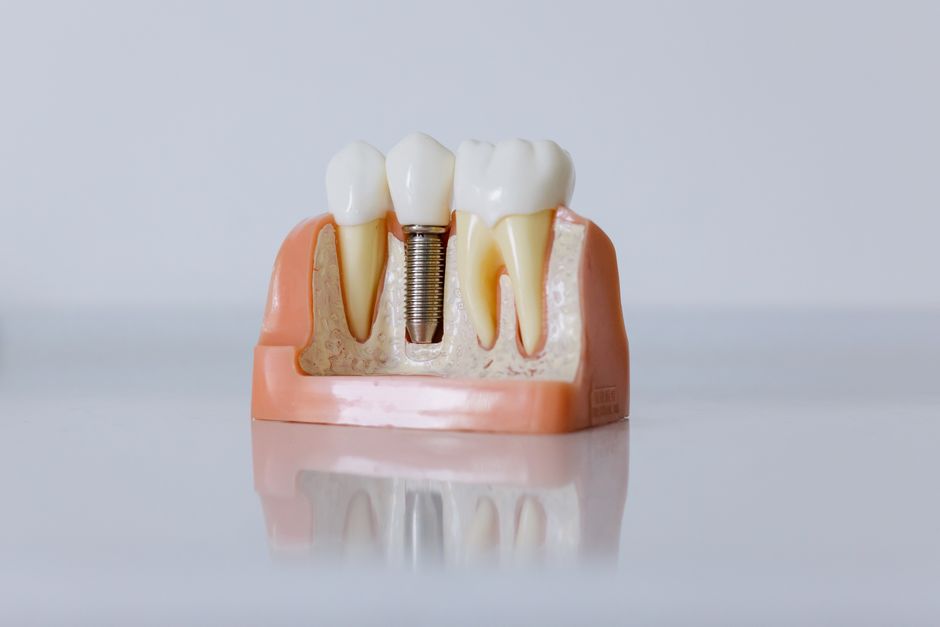
Immediate dental implant placement is a procedure in which the implant is placed straight after the tooth is extracted, without a long wait. Recovery afterwards needs attention: the first weeks determine whether the implant will integrate successfully. This article explains in detail what to expect at each stage and how to avoid complications.
- The most critical period is the first 72 hours: rest, cold packs and a soft diet are important.
- Pain and swelling are normal for up to 5–7 days; after that, symptoms should ease.
- Full osseointegration of the implant takes 3 to 6 months, depending on the bone.
- Smoking, hard food and missed follow-up visits are the main reasons implants fail.
- What happens straight after the procedure?
- The first 24 hours: what is normal and what is not?
- Days two and three: peak swelling and pain
- Eating after immediate implant placement: what can you eat?
- Medication: what your dentist prescribes and why
- Oral hygiene during recovery
- Physical activity and sport: when can you return?
- Returning to work: when and how?
- The first week after implant placement: stitch removal and check-up
- Osseointegration: how does the implant fuse with the bone?
- Possible complications: what to know in advance
- When to see a dentist immediately
- Follow-up visits: schedule and importance
- The emotional side of recovery: what to expect
- Long-term care: how to keep your implant for years
01What happens straight after the procedure?
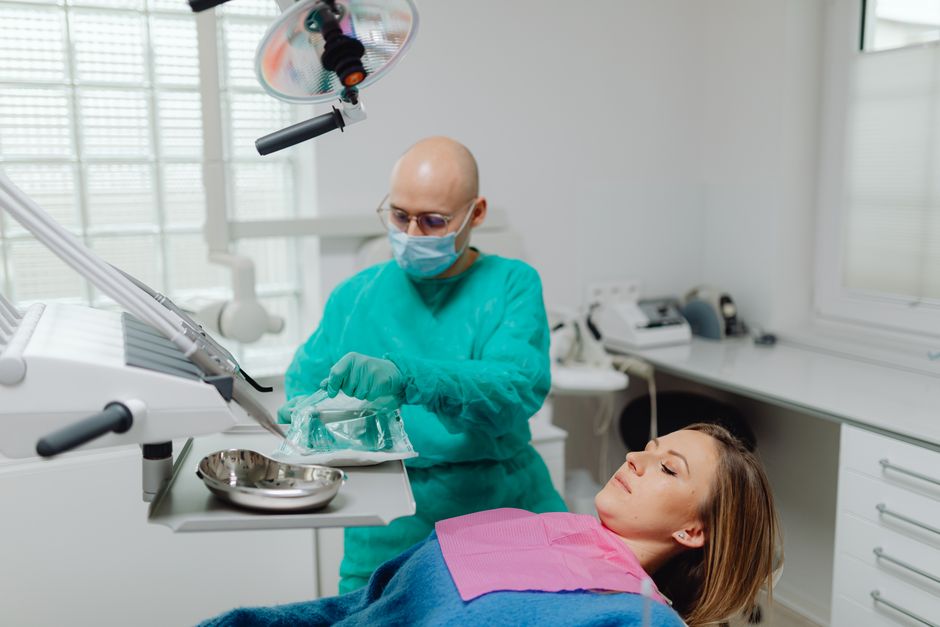
When the procedure is finished, the dentist places stitches and fits a temporary crown or a protective healing cap. You are still under the effect of the local anaesthetic for a while, so you do not feel any pain. This can give the false impression that all is well — and people may be more active than they should be.
When the anaesthetic wears off — usually after 2–4 hours — a dull or throbbing pain appears in the treated area. This is an entirely normal tissue reaction to surgical trauma. Your dentist will prescribe a painkiller in advance for this.
In the first hours, do not eat, do not rinse your mouth and do not touch the wound with your tongue or fingers. The gauze the dentist placed after the procedure should stay in place for 20–30 minutes so that the first blood clot can form. This clot is the wound’s natural protection against infection and the starting point for healing.
Do not spit, drink through a straw or smoke: negative pressure in the mouth can dislodge the clot and cause a “dry socket” — a painful complication that significantly slows healing. The first day sets the tone for the whole recovery, so take it seriously.
02The first 24 hours: what is normal and what is not?

During the first day, you may notice slight bleeding or blood-tinged fluid from the wound. This is normal if the bleeding gradually stops. If the bleeding is heavy and does not settle even after an hour, contact the clinic.
Swelling of the cheek and gums starts to build up in the first hours and peaks on the second day. Applying cold — an ice pack wrapped in a towel — helps reduce it. Apply it for 15–20 minutes with 20-minute breaks during the first 6–8 hours.
Your temperature may rise to 37.2–37.5°C — this is the body’s natural inflammatory response. If it goes above 38°C and does not come down with fever-reducing medicines, seek medical help urgently. Other normal signs include slight numbness around the injection site, a feeling of pressure and some difficulty opening your mouth.
On this day, avoid physical activity and sudden bending forward, and stay away from hot baths and saunas. Lying down with a pillow under your head lowers the blood pressure in the wound area and makes you feel better. Sleep on the side opposite the treated area.
Not sure which clinic to start with?
A MediUkraine coordinator will help you choose a clinic and a doctor for your case, free of charge.
03Days two and three: peak swelling and pain
On the second day, swelling usually reaches its peak. Your cheek may look noticeably larger and a bruise may appear on the skin — this results from minor bleeding into the tissues during surgery and is not a sign of a complication. The bruise fades within 7–10 days.
For most patients, pain is worst on the second day. Take painkillers on the schedule your dentist prescribed rather than “as needed”. This keeps a steady level of the medicine in your blood and avoids sharp peaks of pain.
From the third day, swelling and pain gradually ease. If, on the contrary, they increase after the third day, this is a warning sign that may indicate infection or early implant failure. In that case, do not wait for your scheduled check-up — contact the clinic sooner.
Oral hygiene during these days must be extremely gentle: a soft-bristled toothbrush, no pressure, and avoiding the treated area. Your dentist may also prescribe a chlorhexidine-based antiseptic mouthwash, which replaces vigorous rinsing and does not damage the wound.
04Eating after immediate implant placement: what can you eat?
Diet is one of the most important factors in a successful recovery. For the first 3–5 days, food should be liquid or puréed: soups, broths, yoghurt, mashed vegetables and soft porridge. Nothing hard, crunchy or stringy that requires vigorous chewing.
Food temperature matters too: very hot food dilates the blood vessels and can trigger bleeding or pain. Room temperature or slightly warm is best. Very cold food is also best avoided in the first hours, as it can make swelling worse.
Chew only on the healthy side — if the implant is on the left, chew on the right, and vice versa. Keep to this throughout the acute recovery period — about 10–14 days. Bits of food getting into the implant area increase the risk of inflammation.
Avoid alcohol for at least 2 weeks: it impairs blood circulation, reduces the effectiveness of antibiotics and slows healing. Fizzy drinks and acidic juices are also best avoided — they irritate the gums and change the acidity in your mouth, which slows tissue healing.
05Medication: what your dentist prescribes and why
After immediate implant placement, your dentist usually prescribes several medicines. Each has a specific job, so do not cut a course short on your own — even if it no longer hurts and you feel well.
- Antibiotics: reduce the risk of bacterial infection around the implant; a course usually lasts 5–7 days.
- Painkillers (NSAIDs): reduce pain and inflammation; ibuprofen or ketoprofen are most often prescribed.
- Antiseptic mouthwashes: chlorhexidine 0.05–0.12% to clean the mouth without mechanical pressure on the wound.
- Anti-swelling medicines: may be prescribed for marked swelling, especially after complex procedures.
Take the antibiotic at the set times and do not stop the course early — even once the symptoms have gone. Stopping is only done as agreed with the doctor who prescribed it. An incomplete course of antibiotics is a common cause of secondary infections that are harder to treat.
If a prescribed medicine causes an allergic reaction or a severe side effect, tell your dentist immediately and get an alternative rather than abandoning treatment altogether. Treating yourself at this stage is not acceptable.
06Oral hygiene during recovery
Good hygiene after implant placement is just as important for success as the surgery itself. The mistaken idea that it is “better not to touch it” leads to plaque build-up, bacterial growth and inflammation around the implant — peri-implantitis.
Brush your teeth twice a day from the first day after the procedure — gently, avoiding the treated area. From the third or fourth day, you can gradually include the implant area, using the softest toothbrush and no pressure. Use vertical strokes only, not horizontal scrubbing.
Use dental floss and a water flosser only once your dentist allows it — usually after the stitches have been removed. In the first weeks, a water flosser may be too harsh for an unhealed wound, even on the lowest setting.
If your dentist has prescribed an antiseptic mouthwash, hold it in your mouth for 30–60 seconds and let it out gently without forceful spitting so as not to disturb the wound.
After every meal, gently rinse your mouth with clean warm water or an antiseptic. This removes food particles from the wound without injuring it. Following these simple rules considerably reduces the risk of a bacterial complication.
07Physical activity and sport: when can you return?
Exercise increases blood flow and blood pressure, which can trigger renewed bleeding or pain in the first days after surgery. So for the first 48–72 hours, strict physical rest is recommended: only gentle walks.
Light activity — ordinary walking and household tasks — is allowed from the fourth or fifth day, provided swelling and pain have eased considerably. Bending, heavy lifting and strength training should be put off for at least 10–14 days.
Swimming, saunas, steam baths and hot showers are off-limits for at least a week: heat and moisture can soften the blood clot and reopen the wound, and chlorinated pool water is bad for healing gums. Put contact sports on hold for at least a month, as a blow to the jaw during this period can shift the implant.
A full return to training is agreed with your dentist individually — usually after a check-up X-ray confirms that osseointegration has begun. On average, this is after 4–6 weeks.
08Returning to work: when and how?
Most patients can return to office or other desk-based work on the second or third day after surgery. Swelling and discomfort are still present, but they do not usually affect your general wellbeing enough to prevent seated work.
If your work involves physical exertion, constant moving around or working outdoors in cold or windy weather, it is advisable to take at least 3–5 days of sick leave. Stress and fatigue slow down healing and weaken the wound’s defences.
Public speaking, negotiations and a lot of talking are best postponed for a few days: swelling can affect your speech, and straining the facial muscles can make pain worse. A calm work routine in the first days is not a whim but a medical necessity.
Do not drive on the day of surgery if you have taken sedatives or strong painkillers. From the next day, if you are not dizzy and feel well, you can drive.
09The first week after implant placement: stitch removal and check-up
The first follow-up visit and, if needed, stitch removal are scheduled 7–10 days after surgery. If dissolvable stitches were used, there is nothing to remove, but the check-up is still essential. The dentist assesses the wound, checks for signs of inflammation and updates your instructions.
Until this visit, keep to all the earlier restrictions: the soft diet, gentle hygiene and no exercise. Do not “test” the implant with your tongue or finger — even if something feels unusual.
If the stitches are in good condition and the wound is healing properly, your dentist may allow you to gradually widen your diet and return to your normal lifestyle. You can find out more about the procedure itself on our immediate dental implants page.
The first week is the most important. Patients who strictly follow all the recommendations during this period give their implant the best chance of successful osseointegration.
10Osseointegration: how does the implant fuse with the bone?
Osseointegration is the process by which the jawbone gradually grows into the micro-textured surface of the titanium implant. It is painless and happens without you noticing, but it takes time — from 3 to 6 months.
The quality and speed of osseointegration depend on several factors: the density of your bone, the state of your immune system, chronic conditions (especially diabetes and osteoporosis), and how well you follow the recommendations in the first weeks.
Smoking is one of the most powerful negative factors. Nicotine constricts blood vessels and seriously impairs blood flow in the jawbone, which directly slows bone healing. If you smoke, you are advised not to smoke for at least 2 months after surgery.
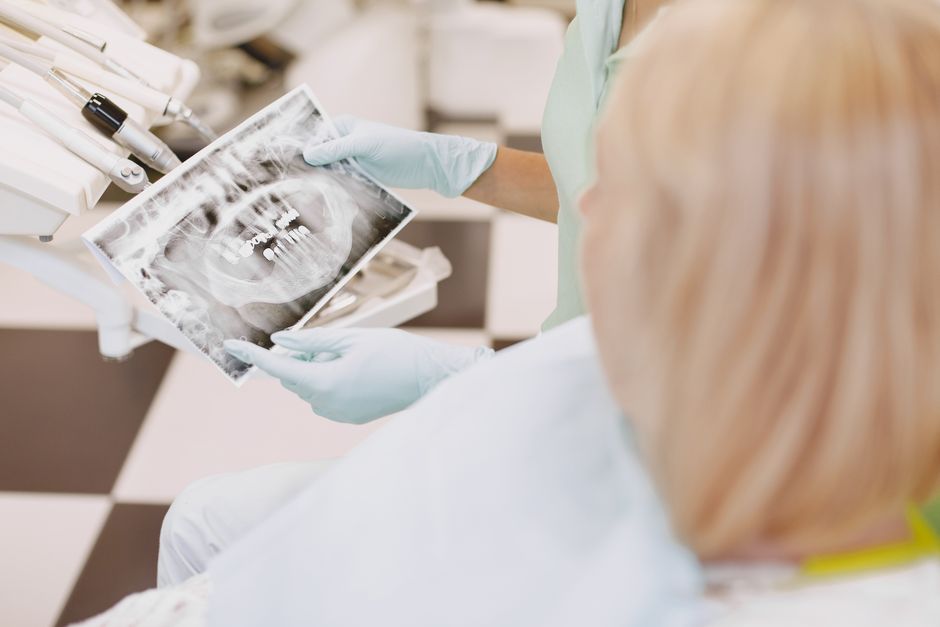
Osseointegration is monitored with X-rays or cone-beam CT. Your dentist will schedule them at set times — usually 1, 3 and 6 months after surgery. Do not skip these scans: they make it possible to spot a problem before symptoms appear.
11Possible complications: what to know in advance
Immediate implant placement is a well-established procedure with a high success rate, but like any surgery it is not risk-free. Knowing the possible complications helps you recognise them in time.
- Peri-implantitis: inflammation of the tissues around the implant caused by bacteria; it shows up as pain, swelling and discharge around the crown.
- Implant failure: the implant does not integrate with the bone; signs are a mobile implant and increasing pain a few weeks after the acute period has settled.
- Nerve damage: numbness or tingling in the lip, chin or tongue; usually temporary, but it needs monitoring.
- Dry socket: loss of the protective clot in the first days; it shows up as sharp pain and an unpleasant smell.
Most complications can be treated if you seek help early. The worst thing you can do is ignore symptoms in the hope that they will “go away on their own”. With dental implants, delay always works against the patient.
12When to see a dentist immediately
There are symptoms for which you cannot wait for a scheduled check-up. Even at night or at the weekend, contact the clinic or an on-call dentist.
Heavy bleeding that cannot be stopped within 30 minutes is an emergency. The same applies to severe pain that is not relieved by the prescribed painkillers even 2–3 hours after taking them.
A temperature above 38.5°C that does not come down within a few hours, a strong unpleasant smell from the wound, pus, or a sharp increase in swelling after the third day all point to an infection and need urgent medical attention.
A mobile implant or crown is a sign of failed osseointegration or a shifted restoration. Do not try to “fix” the implant yourself and do not keep chewing on it. See your dentist as soon as possible — in many cases the situation can still be corrected without repeat surgery.
13Follow-up visits: schedule and importance
After immediate implant placement, a clear schedule of follow-up visits is set. It may vary slightly depending on the clinic and your clinical situation, but the general pattern is standard.
The first visit is 7–10 days after surgery (stitch removal, assessment of healing). The second is after 1 month (bone check, X-ray). The third is after 3 months (assessment of osseointegration progress). The fourth is after 6 months, when the decision is made to fit the permanent crown.
Skipping follow-up visits is a common mistake among patients who feel that “everything is fine” once the pain has gone. But many complications, including bone loss around the implant, develop without symptoms and are only seen on an X-ray.
Once the permanent crown has been fitted, a check-up every 6 months is recommended — just as for natural teeth. Regular visits to the dentist can help an implant last for decades.
14The emotional side of recovery: what to expect
Recovery after surgery is an emotional process as well as a physical one. Patients often feel anxious in the first days, especially when swelling is marked and the pain has not yet settled. This is normal — and it helps to know that these feelings are temporary.
Restrictions on eating, being unable to smile normally because of swelling or to speak comfortably all affect your quality of life in the short term. However, after 2–3 weeks the vast majority of patients are back to their normal routine.
Some patients become overly worried about every new sensation around the implant. If doubts are bothering you, it is better to call the clinic one more time than to stay silent and worry. A good dentist will always answer questions between visits.
A positive mindset and keeping the end goal in mind — a natural-looking, functional tooth for many years — make the restrictive stage easier to get through. Following the recommendations, combined with patience, brings a result worth waiting for.
15Long-term care: how to keep your implant for years
Once osseointegration is complete and the permanent crown is in place, looking after the implant is up to you. Good care determines how long it will last.
Brushing twice a day, using floss or interdental brushes and regularly using a water flosser are an essential daily routine. Unlike a natural tooth, an implant cannot decay, but the surrounding tissues can become inflamed because of plaque — and then the bone starts to recede.
Visiting the dentist every 6 months for professional cleaning and a check-up is essential. Bruxism (teeth grinding) is another risk factor: it puts excessive mechanical load on the implant and can break the abutment or crown. If you grind your teeth, the dentist will make a custom night guard.
Avoiding very hard food (nuts, boiled sweets, rusks), not smoking and keeping chronic conditions under control are things you do yourself every day. With proper care, an implant can last 20 years or more.
MediUkraine can arrange immediate dental implant placement at our partner dental clinic, Vidnova in Lviv, and help at every stage — from consultation to fitting the permanent crown. The clinic’s team communicates with international patients in English.
Related services: Immediate Dental Implants in Ukraine · Dental Implants Under Sedation in Ukraine · Dental Implants in Ukraine
16Frequently asked questions
How many days does it hurt after immediate implant placement?+
Pain is usually worst on the second day and gradually eases over 5–7 days. If pain increases after the third day or is not relieved by the prescribed medicines, contact your dentist without waiting for your scheduled visit.
Can I eat hard food after implant placement?+
Hard food should be avoided for the first 10–14 days. After that, your diet is widened gradually, avoiding chewing on the implant until osseointegration is complete, which takes 3–6 months.
When are the stitches removed after immediate implant placement?+
Standard stitches are removed 7–10 days after surgery at a follow-up visit. If dissolvable stitches were used, they do not need removing, but the check-up is still essential.
Can I smoke after a dental implant?+
Smoking significantly reduces the chances of successful osseointegration: nicotine impairs the blood supply to the bone and slows healing. Dentists recommend not smoking for at least 2 months after surgery.