Urethroplasty is a major operation, and recovery from it calls for a careful, disciplined approach. How closely you follow your surgeon’s advice affects both the outcome of the operation and your quality of life in the long term. This article sets out a step-by-step recovery plan, from the first hours after surgery to getting back to your normal routine.
- After open urethroplasty the catheter usually stays in for 2 to 6 weeks, depending on the type of repair
- Full physical activity is allowed no earlier than 6–8 weeks after surgery
- Drinking plenty of fluids is the basis for preventing infection and adhesions at the repair site
- A follow-up uroflowmetry test is required 3 months after the operation
- What happens in your body straight after the operation?
- How long will you stay in hospital?
- Caring for your catheter at home: the key rules
- Fluids and diet during recovery
- Physical activity: what is allowed and when?
- When is the catheter removed, and what happens next?
- Sex after urethroplasty: when and how to resume?
- Possible complications: how to recognise them
- When should you contact a doctor immediately?
- Follow-up appointments: when and why?
- Your emotional wellbeing during recovery: why it matters
- Returning to work after urethroplasty
- Sport and exercise: a step-by-step return
- Preventing the urethra from narrowing again
- How to communicate with your doctor during recovery
01What happens in your body straight after the operation?
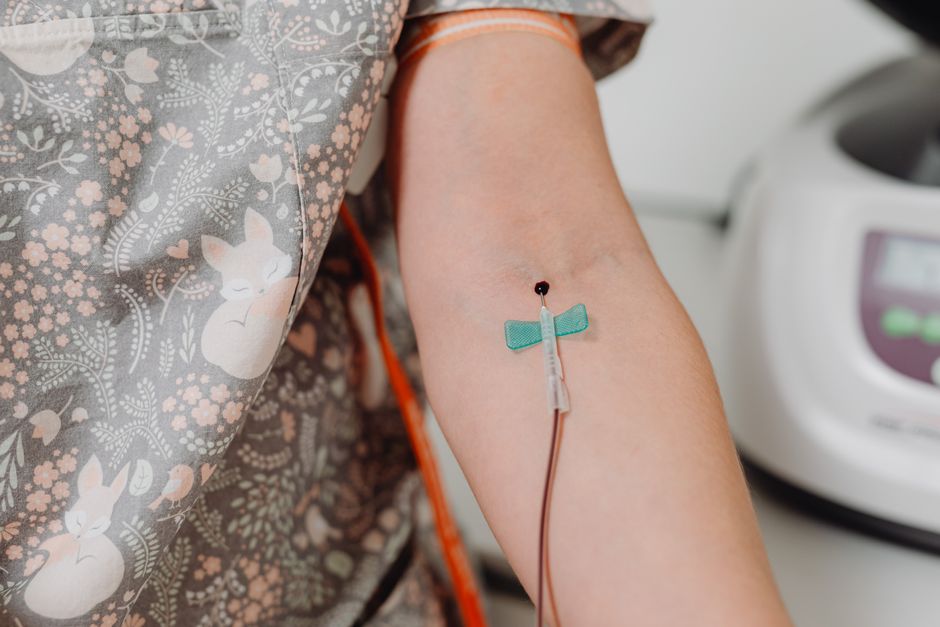
You spend the first hours after urethroplasty in the recovery room under continuous monitoring. As the anaesthetic wears off, brief disorientation, nausea or shivering are possible; this is a normal reaction to general or spinal anaesthesia.
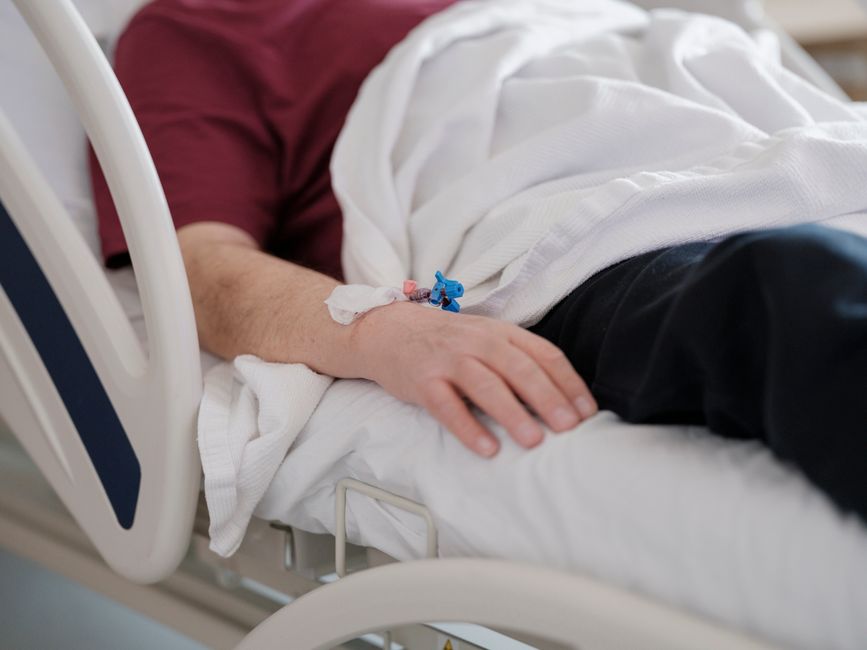
By this point a urethral or suprapubic catheter is already in place and secured. Urine drains passively, so you do not need to make any effort to pass it. This matters: any straining in the first hours can disrupt the freshly placed stitches.
Pain in the first 6–12 hours is controlled with intravenous painkillers. A feeling of pressure in the perineum, mild burning around the catheter and swelling of the operated area are expected and ease over the following day. Tell the nursing staff about any sharp pain that is getting worse rather than better.
You may get out of bed only with your doctor’s permission, usually 4–6 hours after spinal anaesthesia or the following morning after general anaesthesia. The first time you get up, do it slowly and with a nurse’s help to avoid fainting from a sudden drop in blood pressure.
02How long will you stay in hospital?
The length of your hospital stay depends on the extent of the operation. After endoscopic internal urethrotomy you may be discharged as early as the second day. Open anastomotic urethroplasty, or repair using a graft taken from the lining of the mouth, requires a stay of 3 to 7 days.
Throughout your stay, the nursing staff monitor the amount and appearance of urine in the catheter bag, the condition of the external stitches and your temperature. A temperature above 38 °C is a signal to check for infection.
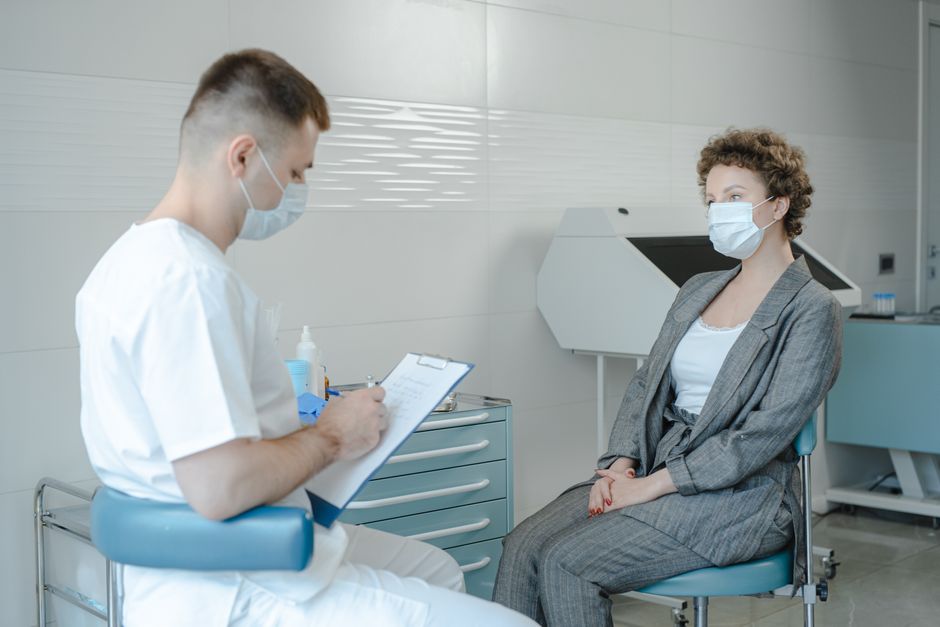
Before discharge, a doctor or nurse teaches you how to care for the catheter at home: how to clean the area where it enters the body, how to empty the bag and how to secure the tube so that it does not kink. You are discharged only once you can do these things confidently.
Along with your discharge papers, you receive a clear list of symptoms that mean you should contact a doctor immediately, as well as the date of your first follow-up appointment. Postponing or cancelling this check-up because “everything seems fine” is a serious mistake that can cost you the result of the operation.
Not sure which clinic to start with?
A MediUkraine coordinator will help you choose a clinic and a doctor for your case, free of charge.
03Caring for your catheter at home: the key rules
Most patients go home after urethroplasty with a catheter that stays in place for two to six weeks. Looking after it properly is not just a matter of hygiene; it is a condition for the repair to heal well.
Wash the area around the catheter with warm water and soap twice a day and after every bowel movement. Do not use antiseptic solutions unless your doctor has prescribed them: harsh chemicals irritate the lining and slow healing. After cleaning, pat the skin dry gently rather than rubbing it.
Always keep the catheter bag below the level of your bladder, even when you are lying down or sitting. This prevents urine from flowing back, which is a direct route for infection. Empty the bag every 3–4 hours, or sooner if it is two-thirds full.
Tape the catheter tube to your thigh or abdomen so that there is no tension between the catheter and your body. Sudden tugging, kinking or squeezing of the tube can cause leakage or move the catheter out of position, and you would then need urgent help from the clinic.
04Fluids and diet during recovery
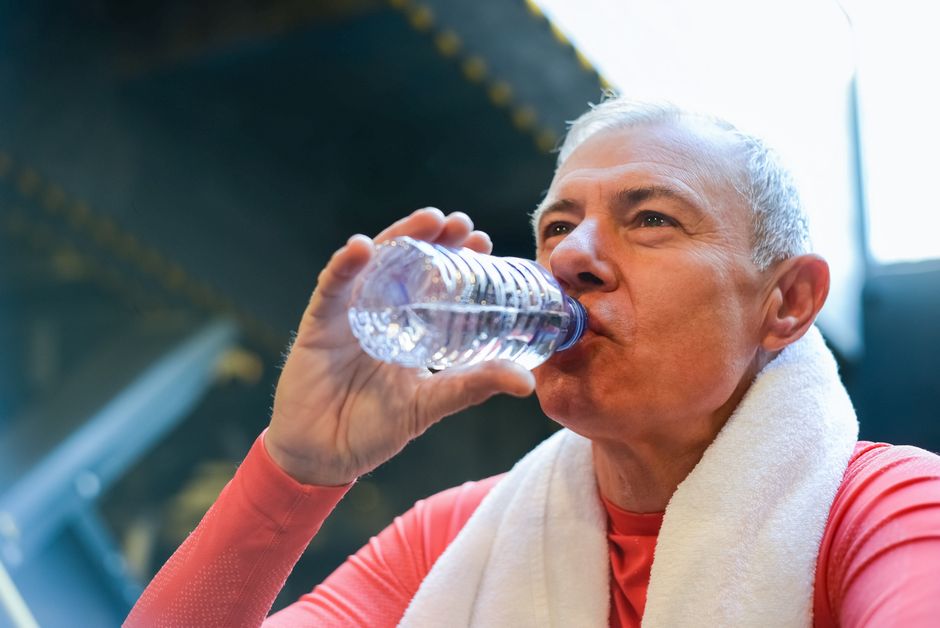
Drinking plenty of fluids is the simplest and most effective way to prevent urinary tract infections after urethroplasty. The recommended amount is 2–2.5 litres of plain still water a day, unless you have heart or kidney problems that rule this out.
In the first weeks, base your diet on foods that keep stools soft: vegetables, fruit, porridge with bran and fermented dairy products. Constipation and heavy straining create pressure inside the abdomen that is passed directly to the stitches in the perineum.
Avoid coffee, strong tea, alcohol and hot spices for at least four weeks after the operation: they irritate the lining of the bladder and urethra, increasing inflammation and discomfort.
Steam or boil meat, fish and poultry rather than frying them. Fatty food slows tissue healing and puts extra strain on the liver, which is already busy clearing the by-products of anaesthetics and antibiotics.
If your repair used a graft from the lining of your mouth, avoid hard and hot food, nuts and crackers for the first 2–3 weeks: anything that could injure the donor site in your mouth and interfere with its healing.
05Physical activity: what is allowed and when?
Activity after urethroplasty is increased gradually and strictly according to the schedule set by your surgeon. Speeding up this schedule on your own is one of the most common reasons for the narrowing to come back.
The first two weeks
Only slow walking around your home and short trips outside for fresh air, no longer than 20–30 minutes, are allowed. No lifting of anything heavy (over 3–5 kg), no sudden twisting, bending or squatting. Resting in bed or mostly in bed at this stage is not excessive caution but a necessity.
Weeks three and four
Once the catheter has been removed and recovery is going well, your doctor may allow walks of up to an hour. Cycling, horse riding and any pressure on the perineum remain off limits for at least another month after catheter removal.
Weeks five to eight and beyond
A gradual return to swimming, light exercise and moderate aerobic activity is possible only after a follow-up examination and your urologist’s approval. Strength training and contact sports can be resumed no earlier than three months after the operation.
06When is the catheter removed, and what happens next?
The surgeon decides when to remove the catheter based on an examination and, in some cases, a urethrocystogram: an X-ray with contrast dye that confirms the repair is watertight. After endoscopic procedures, the catheter is removed on day 3–7; after open urethroplasty, on day 14–42.
The first few times you pass urine after the catheter is removed, you may feel burning or mild stinging, and the stream may be uneven. This is normal: the lining needs time to recover its sensitivity and tone. These symptoms usually settle within a week.
If you cannot pass urine for 4–6 hours after the catheter is removed, or the stream suddenly stops and becomes painful, contact your doctor immediately. The cause may be a reflex spasm, which is easily relieved, or an early stricture that needs treatment.
For the first few days after catheter removal, keep a bladder diary: note the time, the approximate volume and how the stream looks. This information is invaluable for your doctor at the follow-up and helps to catch problems before they become serious.
07Sex after urethroplasty: when and how to resume?
Most patients want to know when they can return to sexual activity, but the question often goes unasked at appointments. Your doctor should raise the subject; if they do not, ask directly.
The general rule is no sex until the catheter has been removed and for at least four weeks after that. The minimum period of abstinence after open urethroplasty is 6–8 weeks from the day of surgery. Resuming sex too early can cause the stitches to separate or injure the reconstructed section of the urethra.
Erectile problems in the first weeks after surgery are not unusual. They are linked to swelling of the tissues around the nerves, and in most cases erectile function recovers within 2–3 months without any specific treatment.
If erectile problems persist for longer than three months, see an andrologist. Seeking help early makes treatment more effective and stops the problem from becoming long-standing. Keeping quiet about symptoms out of embarrassment only worsens the outlook.
08Possible complications: how to recognise them
Urethroplasty is a technically demanding operation, and even in an experienced clinic a certain proportion of complications cannot be avoided. Your job is to know the warning signs and act on them without delay.
Urinary tract infection
Signs include a raised temperature, cloudy urine, an unpleasant smell from the catheter bag and increasing pain in the perineum. It is treated with antibiotics chosen according to the results of a urine culture. Do not treat yourself or switch medicines on your own.
Urethral stricture
A recurrent narrowing of the urethra is the most common specific complication after urethroplasty. Signs include a gradually weakening urine stream, a feeling that the bladder has not emptied fully and needing to strain. It is detected with uroflowmetry and urethroscopy.
Urinary incontinence
Temporary stress incontinence can occur after operations close to the sphincter. It usually resolves on its own within a few weeks with the help of Kegel exercises. If incontinence persists for more than three months, see a urologist to discuss whether further treatment is needed.
09When should you contact a doctor immediately?
Some symptoms cannot wait until your next scheduled check-up. Know them well and act on them straight away, whatever the time of day.
Call the clinic or an ambulance immediately if: no urine has drained through the catheter, or you have not been able to pass urine after its removal, for 6 hours or more; your temperature rises above 38.5 °C and does not come down with fever-reducing medicine; there is a lot of blood or bright red clots in your urine; or sharp, worsening pain in the perineum or abdomen is not relieved by the painkillers you have been prescribed.
Other reasons for an urgent examination are urine suddenly appearing from an unusual place, such as an opening in the skin of the perineum (a sign of a fistula), and marked swelling of the scrotum or penis that is rapidly increasing.
These conditions do not always mean disaster, but they cannot be resolved without a doctor’s assessment. The sooner you seek help, the less invasive the solution is likely to be. “I’ll wait until morning” can turn into weeks of extra treatment.
10Follow-up appointments: when and why?
After urethroplasty, the follow-up schedule is an essential part of treatment, not an optional recommendation. A missed check-up is a missed chance to catch a stricture at an early stage, when it is easier to correct.
A typical follow-up schedule looks like this: the first check-up 1–2 weeks after discharge to assess the wound and decide on catheter removal; the second 4–6 weeks after surgery; the third at 3 months, including uroflowmetry. After that, check-ups follow at 6 months and at one year.
Uroflowmetry is a painless test that measures the speed and pattern of your urine stream. A maximum flow rate below 15 ml/s is a reason for urethroscopy. Uroflowmetry makes it possible to detect a recurrent narrowing before it starts causing noticeable symptoms.
If your results remain stable after a year, follow-up moves to once a year. Patients who have had complex, multi-stage reconstructions may need closer monitoring for longer; this is decided individually with the operating urologist.
11Your emotional wellbeing during recovery: why it matters
A long recovery with a catheter, restricted activity and temporary problems passing urine is a significant psychological strain. Irritability, anxiety, low mood and poor sleep during this time are not a weakness but a predictable response to prolonged stress.
These feelings are temporary and do not mean the operation has failed. Support from loved ones, honest communication with your doctor and a clear understanding of the recovery plan all help to reduce anxiety considerably. If anxiety and low mood last for more than two weeks, consider seeing a psychologist.
It is also wise not to immerse yourself in forums and social media groups where patients describe their own experiences. Every case is unique: anatomy, type of repair, age and other health conditions all shape different recovery paths. Someone else’s negative experience often has nothing to do with your situation.
Ask your doctor specific questions about your own results, and ask them to explain what your test and uroflowmetry results mean. Well-informed patients follow recommendations more closely and are less likely to end up in the emergency department with predictable complications.
12Returning to work after urethroplasty
When you can return to work depends on the nature of your job and the extent of the operation. After endoscopic urethrotomy, if you have a desk job, you may be able to go back within 1–2 weeks. After open urethroplasty, allow at least 3–4 weeks.
Physical work that involves heavy lifting, standing for long periods, vibration or awkward postures requires at least 6–8 weeks of recovery. Going back to such work too early puts the reconstructed area directly at risk. If your employer expects you back sooner, ask your doctor for a written note stating the recommended period of leave.
Sitting for long periods, for example at the wheel or at a computer, also puts pressure on the perineum. In the first weeks after discharge, take a 5-minute break every hour to stand up and walk around a little. A ring-shaped orthopaedic cushion considerably reduces pressure on the perineum when you have to sit for a long time.
Driving while you have a catheter in place is not advised, both for medical reasons (discomfort and distraction) and because the after-effects of surgery can slow your reactions. Discuss when you can drive again with your doctor after the catheter has been removed.
13Sport and exercise: a step-by-step return
Returning to sport after urethroplasty is based on a gradual, controlled increase in load. The main rule is to take each next step only if the previous one caused no pain, discomfort or worsening of urination.
Swimming is one of the most recommended activities in the later stage of recovery, but not earlier than 6–8 weeks after surgery and only once all external wounds have fully healed. Do not use public swimming pools before full healing because of the risk of infection.
Cycling, horse riding and exercises that load the perineum (such as barbell squats or deadlifts) can be resumed no earlier than three months after open surgery, and only with your surgeon’s permission. These activities put direct pressure on the reconstructed area and can trigger renewed scarring.
If you notice a feeling of pressure in the perineum, a weaker stream or any discomfort when passing urine after exercise, reduce the load immediately and tell your doctor. These may be the first signs of a recurrent narrowing, which is best caught as early as possible.
14Preventing the urethra from narrowing again
A stricture develops after urethroplasty in 5–15% of cases, depending on the type of operation, its location and the cause of the original narrowing. The risk cannot be eliminated entirely, but it can be reduced considerably.
The key preventive factors are following your recovery recommendations strictly, treating urinary tract infections promptly and attending regular follow-up appointments with uroflowmetry. If your doctor prescribes urethral dilation or self-catheterisation as a preventive measure, carry out these procedures consistently.
Also avoid anything that can damage the lining of the urethra: injuries to the perineum, prolonged catheterisation without a clear medical reason, and endoscopic procedures at non-specialist facilities. If you ever need an endoscopic procedure through the urethra in the future, be sure to tell the doctor that you have had urethroplasty.
You can read more about the procedure itself and the surgical options on our urethroplasty service page. Recovery goes best when you understand the operation you have had.
15How to communicate with your doctor during recovery
Effective recovery is always a dialogue, not a one-way set of instructions. Patients who ask specific questions and describe their symptoms honestly receive more precise advice and timely adjustments to their treatment plan.
Come to every follow-up appointment prepared: bring your bladder diary (if you are keeping one), a list of all the medicines you take and a list of the symptoms or situations that worried you between visits. This makes the appointment shorter and more useful.
If a symptom that worries you appears between scheduled visits, do not wait for the next check-up. Most clinics offer advice by phone or messaging app. It is better to “bother the doctor for nothing” than to arrive at a check-up with a complication that has been left to develop.
Do not stop taking prescribed medicines on your own, even if you already feel well. Antibiotics, anti-inflammatory drugs and alpha-blockers are prescribed as courses for a specific purpose; change or stop them only as agreed with the doctor who prescribed them.
MediUkraine can arrange a consultation with an experienced urologist at our partner clinic, EXPERT in Uzhhorod, and support you at every stage of treatment and recovery. The clinic’s team communicates with international patients in English. Get in touch, and you will receive a clear plan of action without unnecessary stress or searching.
Related services: Urethroplasty in Ukraine · Prostate Adenoma Treatment in Ukraine · Laser Prostate Surgery in Ukraine
16Frequently asked questions
How long do you keep the catheter after urethroplasty?+
It depends on the type of operation: 3–7 days after endoscopic urethrotomy, and 2 to 6 weeks after open urethroplasty. The surgeon sets the exact date for removal after a follow-up examination.
When can you have sex after urethroplasty?+
Not earlier than 6–8 weeks after open surgery, and only with your doctor’s approval. Resuming sex too early can cause the stitches to separate or injure the reconstructed area.
How can you tell if a stricture has formed after the operation?+
The main signs are a gradually weakening urine stream, a feeling that the bladder has not emptied fully and needing to strain. If you notice these symptoms, see a urologist for uroflowmetry and urethroscopy.
Can you ride a bike after urethroplasty?+
No, not for at least three months after open urethroplasty. Cycling puts direct pressure on the perineum and the reconstructed area, which can trigger renewed scarring of the urethra.