
Wisdom tooth removal is one of the most common surgical procedures in dentistry, but recovery afterwards still needs care. What you do in the first hours and days after the operation determines how quickly and comfortably the wound heals. This article gives clear answers to the questions patients have at each stage of recovery.
- The first 24 hours are the most important: rest and do not disturb the blood clot in the socket.
- Swelling and pain peak on day 2–3 and then gradually subside over the week.
- Avoid hard food, alcohol and sport for at least 5–7 days after the operation.
- If pain gets worse after day 3 or you notice an unpleasant smell, see your dentist straight away.
- What happens to the tissues straight after the operation?
- The first 24 hours after removal: the key rules
- How to manage pain and swelling in the first days
- What can you eat after wisdom tooth removal?
- How to look after your mouth after the operation
- What is dry socket, and how can you avoid it?
- When should you see a doctor straight away?
- How long do swelling and bruising last after the operation?
- Physical activity and sport after wisdom tooth removal
- When can you go back to work after wisdom tooth removal?
- How does recovery differ depending on the complexity of the operation?
- Antibiotics and other medicines: what is prescribed and why?
- Follow-up appointments: when and why should you go back to the dentist?
- How the wound heals: a week-by-week picture
- Preventing complications: what to consider before the operation
01What happens to the tissues straight after the operation?
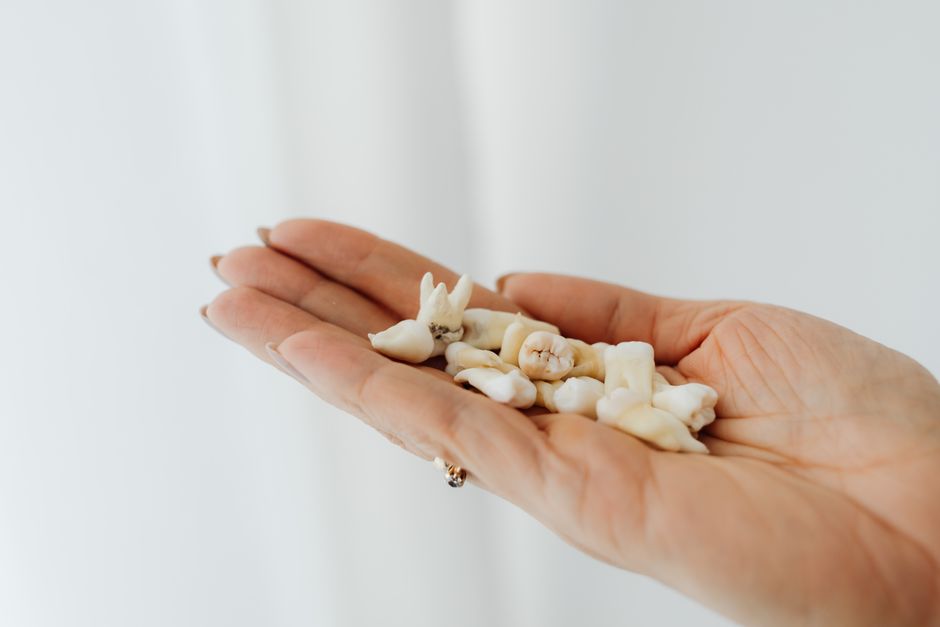
After a wisdom tooth is removed, a blood clot forms in the socket. This clot is a natural protective barrier that starts the healing process, covering the exposed bone and shielding it from bacteria, food and irritants. It is very easy to dislodge, and the consequences can be serious.
For the first 30–60 minutes you keep a gauze pad in your mouth to stop the bleeding. The pressure of the gauze helps the clot to form more firmly. Do not change the pad too often or probe the wound with your tongue, as this physically breaks up the clot.
The gum and the membrane covering the bone have been operated on, so mild swelling and a feeling of pressure are entirely normal in the first hours. The body sets off an inflammatory response; this is not a problem but the first stage of healing. What you do at this time directly affects how quickly healing gets under way.
If stitches were placed during the operation and they are not the dissolving type, they are usually removed after 7–10 days. Your dentist will tell you in advance which type of stitches have been used, which matters when planning your follow-up visit.
02The first 24 hours after removal: the key rules
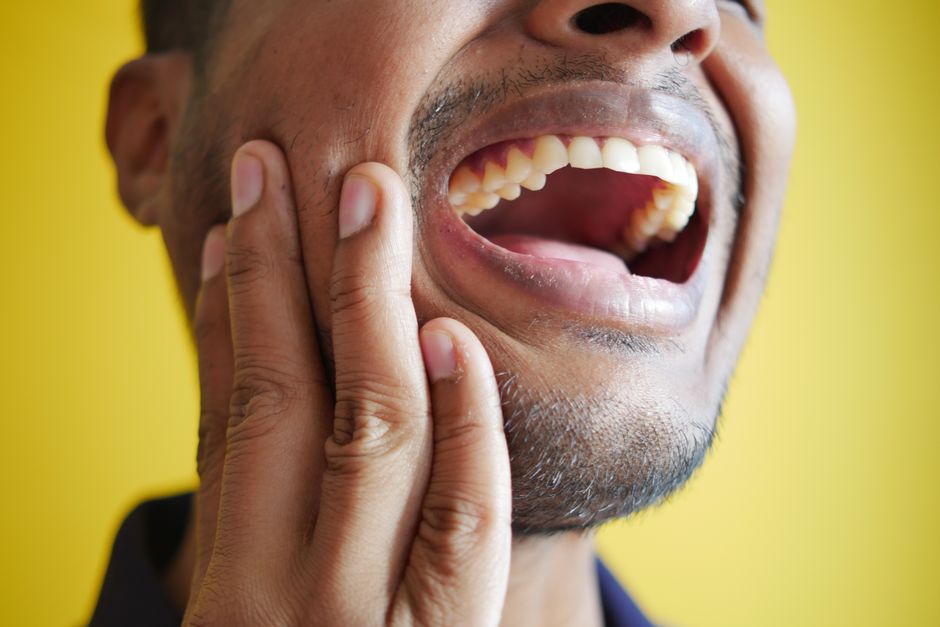
The first day is the most critical period of recovery. This is when the mistakes that lead to complications are most often made. The main rule is to keep physical activity and any contact with the wound area to a minimum.
Do not rinse your mouth for the first 24 hours. This is probably the most important restriction, and the one most often ignored. Even gentle rinsing creates pressure and washes out the blood clot, leading to what is known as “dry socket”, a very painful complication.
You can read more about the procedure itself, its types and when it is needed on our wisdom tooth removal service page. Understanding how the operation was done makes it easier to find your way through recovery.
In the first hours, apply cold to the outside of your face: an ice pack wrapped in a cloth for 15–20 minutes at a time, with 10-minute breaks. Cold reduces swelling and dulls pain. Avoid lying flat without a pillow: keeping your head raised slows blood flow to the wound and eases throbbing pain.
Not sure which clinic to start with?
A MediUkraine coordinator will help you choose a clinic and a doctor for your case, free of charge.
03How to manage pain and swelling in the first days
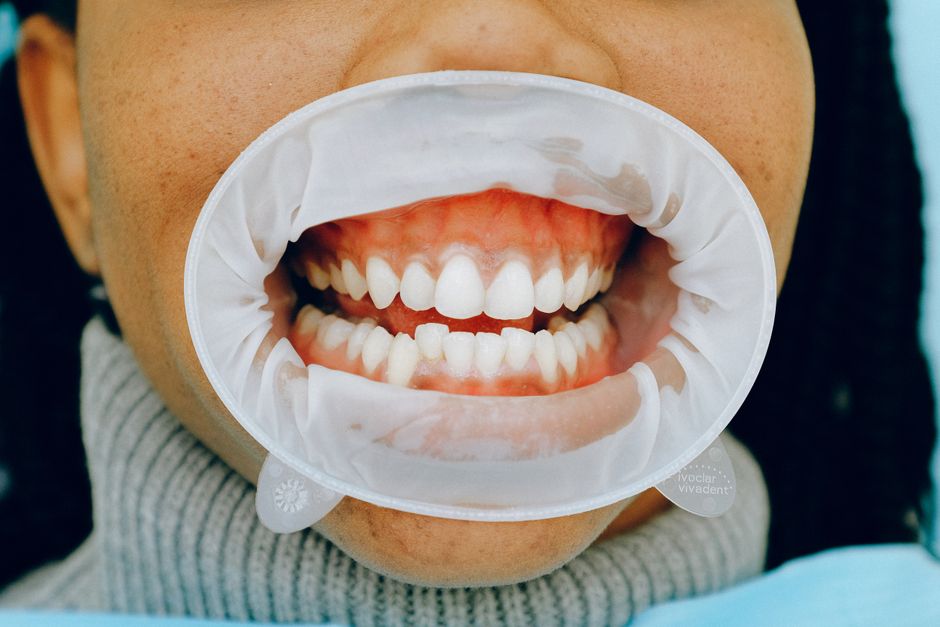
Pain after wisdom tooth removal is an expected and natural symptom. How strong it is depends on how complex the operation was, the shape of the roots and your individual pain threshold. For most patients, pain peaks on the first or second day.
Your dentist will usually prescribe painkillers at the appointment. Most often this is ibuprofen or paracetamol, depending on any reasons you cannot take them. Take them on schedule rather than waiting until the pain becomes unbearable: taking them early works better than trying to relieve severe pain.
Swelling of the cheek and lower jaw is at its worst on day 2–3 and then gradually goes down. This is the body’s normal reaction to surgical trauma. Applying cold in the first 24 hours considerably limits how far the swelling spreads.
After the second day, cold no longer helps; instead, warmth (a dry heat pad) may ease tissue tension. However, use warm compresses only after checking with your dentist, as heat should not be used if there is an infection.
04What can you eat after wisdom tooth removal?
Your diet after the operation is one of the key factors in safe healing. The wrong food can injure the wound, introduce infection or dislodge the clot. For the first 24–48 hours, your food should be as gentle as possible.
The first 2 days
The best food during this time is soft and at room temperature or slightly chilled: yoghurt, puréed soup, mashed potato, soft porridge, banana. Hot food widens blood vessels and can cause bleeding, so avoid it. Chew on the side opposite the wound.
From day 3 to day 7
You can gradually widen your diet with soft-cooked vegetables, eggs, stewed fish and pasta without hard bits. You should still avoid small particles, such as nuts, seeds and rice, which can get into the socket and cause inflammation. Avoid alcohol for at least a week.
Drink plenty of fluids, but not through a straw: sucking creates negative pressure in the mouth and pulls out the clot. This is one of the most common causes of dry socket in younger patients.
05How to look after your mouth after the operation
Oral hygiene after wisdom tooth removal is a balance between thorough cleaning and accidentally damaging the wound. Stopping oral hygiene altogether is just as risky as rinsing too much.
You can brush your teeth from the day after the operation, but carefully, with a soft brush, avoiding the wound itself. Use toothpaste as usual. Use interdental brushes and floss in the operated area only with your dentist’s permission, usually not before the 2nd week.
From day 2, dentists recommend gentle antiseptic mouth baths: fill your mouth with chlorhexidine solution or saline and let it drain out, without active rinsing. This technique disinfects the wound without disturbing the clot. Normal rinsing is allowed only once your dentist has confirmed that the socket is covered with new tissue.
Tip: do not touch the socket with your tongue or check the wound with a finger, even a clean one. Mechanical irritation slows healing and increases the risk of infection.
06What is dry socket, and how can you avoid it?
Dry socket (alveolar osteitis) is the most common complication after wisdom tooth removal. It develops when the blood clot is washed out or dissolves too early, leaving the bone exposed and unprotected. It occurs in 2–5% of all extractions, and in up to 30% after complex operations.
The main sign of dry socket is increasing, throbbing pain that starts on day 3–4 and is not relieved by ordinary painkillers. A feeling of “emptiness” in the socket, an unpleasant smell and a bad taste in the mouth are further warning signs. This condition needs prompt attention from a dentist.
Treatment of dry socket involves cleaning the socket, placing special antiseptic dressings and, if needed, prescribing antibiotics. Treating it yourself at home is ineffective and risky. The cleaning and dressing are repeated several times at intervals of 2–3 days.
Smoking is the main risk factor for dry socket: nicotine narrows blood vessels and reduces the blood supply to the tissues, and the sucking action of smoking pulls out the clot. Dentists strongly advise not smoking for at least 72 hours after the operation, and ideally for the whole first week.
07When should you see a doctor straight away?
Most patients recover without complications, but it is important to know the symptoms that point to a serious problem. Ignoring them can turn a local complication into a body-wide infection.
Contact your dentist urgently or seek emergency care if you notice any of the following:
- Bleeding that does not stop: if active bleeding continues for more than 30–40 minutes after changing the gauze pad, you need medical help.
- Pain getting worse after day 3: pain should be easing, not increasing; the opposite points to a complication.
- Temperature above 38 °C: a slightly raised temperature in the first days is acceptable, but a high fever is a sign of infection.
- Numbness that does not go away: prolonged numbness of the lip, chin or tongue may indicate nerve damage.
- Difficulty swallowing or opening your mouth: a sharp worsening of these functions suggests that inflammation is spreading into deeper tissues.
08How long do swelling and bruising last after the operation?
Swelling after wisdom tooth removal is a normal tissue reaction to surgical trauma. It builds up gradually, peaks on day 2–3 and subsides over 5–7 days. After complex operations involving a cut in the gum and removal of bone, swelling can last up to 10–14 days.
Bruises on the skin of the cheek or neck appear in about a third of patients. They are caused by blood leaking from small vessels into the soft tissues. A bruise usually appears on day 2–3, gradually changes colour from dark purple to yellow-green and fades within 10–14 days.
To help bruises fade, after 48 hours you can gently apply heparin ointment or a similar product to the skin of the cheek, but only if the skin is intact and there are no signs of infection. Massaging or warming the bruise in the first days is strictly not advised.
If the swelling has not gone down after a week, or comes with increasing pain and a raised temperature, this may indicate an abscess. This needs an urgent examination by a surgeon, as it may need to be drained.
09Physical activity and sport after wisdom tooth removal
Physical exertion raises blood pressure and speeds up your heart rate, which directly increases blood flow to the wound. Even moderate activity in the first days can cause bleeding or wash the blood clot out of the socket.
For the first 24–48 hours, rest strictly: avoid bending over, lifting heavy objects and sudden head movements. Sleep with your head slightly raised on a pillow, as this reduces swelling and eases discomfort at night. Brisk walking in the first hours after the operation is also best avoided.
Gentle walks are allowed from day 3–4 if there are no complications. The gym, running and swimming should wait at least 7–10 days after the operation. Contact sports and exercises that involve straining (weightlifting, CrossFit) need a break of at least 2 weeks.
Once you are back to training, listen to your body: if throbbing pain in the jaw returns during exercise, reduce the intensity and talk to your dentist before your next session.
10When can you go back to work after wisdom tooth removal?
When you can return to work depends largely on how complex the operation was and what kind of work you do. A simple extraction of an erupted tooth and a complex operation with a cut in the gum and sectioning of the root are very different situations.
Office and remote work without significant physical or emotional strain is possible from the day after the operation, if you feel well enough. The key is being able to rest when you need to and avoiding stressful situations that raise your blood pressure.
Physical work, outdoor work in heat or cold, and long periods on your feet require a break of at least 3–5 days. Work that involves public speaking or long conversations can be difficult in the first days because of swelling and limited mouth opening.
If teeth were removed on both sides or the operation was particularly traumatic, your doctor may issue a sick note for 3–5 days or longer. Do not go back to work too early just because of social pressure: a full recovery matters far more than a few working days.
11How does recovery differ depending on the complexity of the operation?
Not all wisdom tooth removals are the same. The complexity of the operation determines both the length of recovery and the likelihood of complications. Understanding this helps you assess your own situation realistically.
Simple extraction
If the tooth has fully erupted and is easy to reach, the operation takes a few minutes. Swelling is minimal, pain is moderate, and the main restrictions are lifted after 3–5 days. These patients get back to their normal routine fastest.
Complex extraction
An impacted or partially impacted wisdom tooth (one that has stayed in the bone or only partly come through) needs a cut in the gum and often removal of some bone. The operation takes longer, the wound is larger and recovery takes 10–14 days or more. Swelling is more pronounced, the restrictions are stricter and the risk of complications is higher.
For impacted teeth in particular, following all the recommendations strictly and attending regular follow-up appointments is essential. These patients also more often need preventive antibiotics.
12Antibiotics and other medicines: what is prescribed and why?
The medicines you need after wisdom tooth removal depend on your specific situation. Your dentist chooses the regimen individually; not every patient needs antibiotics.
Painkillers are prescribed almost always. Ibuprofen at standard doses combines pain relief with an anti-inflammatory effect. If you cannot take it, paracetamol or other medicines recommended by your doctor are used. In the first 2–3 days, take painkillers at regular times rather than only “when it hurts”.
Antibiotics are prescribed after complex operations, for people with weakened immunity or diabetes, when infection is suspected, or as a preventive measure before the operation. Most often this is amoxicillin, or clindamycin for people allergic to penicillin. The course usually lasts 5–7 days; complete it even if your symptoms go earlier, and stop only as agreed with the doctor who prescribed it.
Antiseptic mouthwashes with chlorhexidine or a similar antiseptic are prescribed for local care. Do not replace them with home remedies such as baking soda or herbs without your dentist’s agreement: these can upset the pH of the wound and slow healing.
13Follow-up appointments: when and why should you go back to the dentist?
Even if you have no complaints at all, follow-up appointments after wisdom tooth removal are essential. Your dentist needs to make sure the wound is healing properly and that there are no hidden complications that are not yet causing pain.
The first follow-up is on day 3–5 after the operation. The dentist checks the socket and the clot and examines the gum for swelling and signs of inflammation. Non-dissolving stitches, if used, are removed on day 7–10.
The second follow-up is roughly 3–4 weeks later. By then new connective tissue has filled most of the socket, and the dentist assesses how well it has healed. After complex operations an X-ray may be needed to check the bone.
Full bone healing at the site of the removed tooth takes 3–6 months. During this time the gum may remain slightly tender when pressed, which is normal. If you still have marked discomfort or tenderness after a month, mention it to your dentist at your scheduled appointment.
14How the wound heals: a week-by-week picture
Understanding normal healing helps you avoid panicking about natural changes while still noticing anything unusual in time. Each week after the operation looks different.
Week 1: the socket is filled with a blood clot that is gradually being transformed. The gum around the wound is red and swollen. Stitches may be visible. The pain lessens day by day. The socket looks like a “dark hollow”; this is normal.
Weeks 2–3: the clot is replaced by young granulation tissue that is pink and soft. Swelling almost completely disappears. The socket gradually closes in from the edges. Some discomfort when chewing remains, but it is much milder.
Week 4 onwards: the surface of the wound is covered with mature lining tissue. From the outside it looks almost like healthy gum. Inside, the bone is still healing, a process that will take several months. You can eat practically without restrictions.
15Preventing complications: what to consider before the operation
Successful recovery begins not on the day of the operation but at the preparation stage. A few simple steps before the extraction considerably reduce the risk of complications and speed up healing.
Stop smoking 2–3 days before the operation: nicotine impairs microcirculation and prolongs recovery. Tell your dentist about all the medicines you take: anticoagulants, aspirin and hormonal contraceptives increase the risk of bleeding or dry socket. Women taking oral contraceptives have a higher risk of dry socket and should tell the surgeon.
Your general health and immunity directly affect how quickly you heal. Long-term conditions such as diabetes, autoimmune disorders or blood disorders may require additional preparation or a special care plan after the operation.
Prepare everything you need at home in advance: soft food, cold packs and the medicines your dentist has prescribed. After the operation you will still be under the effect of the anaesthetic and will not be able to deal with practical matters properly. Planning ahead reduces stress and physical strain in the first critical hours.
MediUkraine can arrange your treatment at our partner clinic, Vidnova Dental Clinic in Lviv, and organise the whole process, from the first consultation to the follow-up appointment after the operation. The clinic’s team communicates with international patients in English.
Related services: Wisdom Tooth Removal in Ukraine · Tongue-Tie and Lip-Tie Surgery in Ukraine · Gum Grafting and Recession Treatment in Ukraine
16Frequently asked questions
How many days does the wound hurt after wisdom tooth removal?+
For most patients the pain eases day by day and has almost gone by day 5–7. If the pain is getting worse rather than better after day 3, contact your dentist urgently.
When can you eat after wisdom tooth removal?+
You can eat soft, cool food 2–3 hours after the operation, once the anaesthetic has worn off. Avoid hard, hot and fine-grained food for at least 5–7 days.
Can you smoke after wisdom tooth removal?+
Dentists strongly advise not smoking for at least 72 hours after the operation, and ideally for the whole first week. Smoking is the main cause of dry socket, a painful complication that considerably prolongs recovery.
When does the socket fully heal after wisdom tooth removal?+
The gum closes over within 3–4 weeks. Full bone healing at the site of the removed tooth takes 3 to 6 months, depending on the complexity of the operation and your individual characteristics.