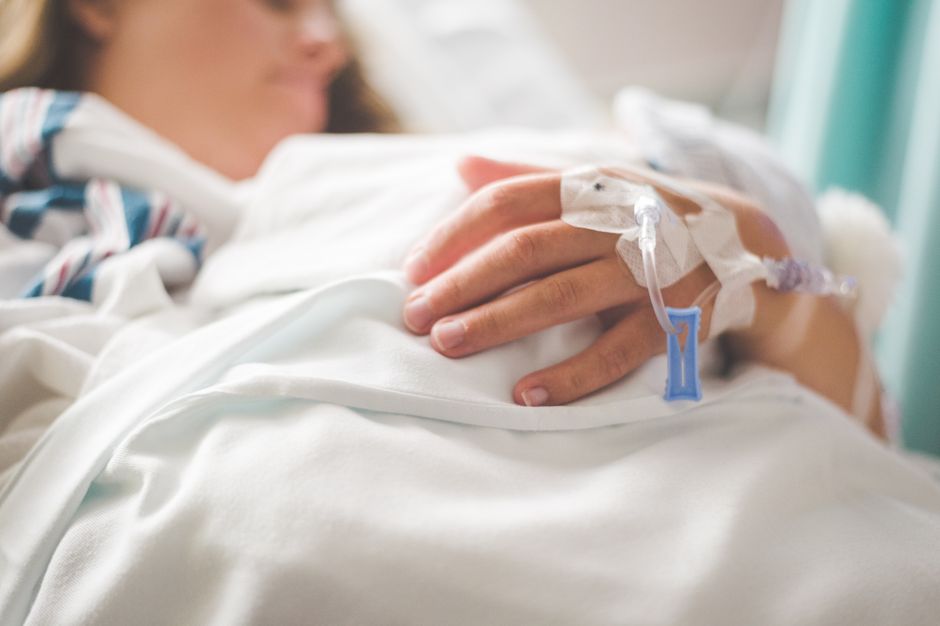
Corporoplasty is a major reconstructive operation, and your body needs time to recover fully afterwards. The right recovery routine directly determines the result, both functional and cosmetic. This article explains in detail what to expect at each stage of recovery.
- For the first 24–48 hours: strict bed rest, keeping strain on the operated area to a minimum
- Swelling and bruising ease over 3–4 weeks, but full healing takes 3–6 months
- Sex and physical exercise are not allowed for at least 6–8 weeks
- Follow-up appointments are essential: at 7 days, 1 month, 3 months and 6 months after surgery
- What is corporoplasty, and why is recovery so important?
- What happens in the first hours after the operation?
- The first 48–72 hours: what to watch out for
- The first week: routine, hygiene and restrictions
- Diet during recovery: what to eat and what to avoid
- Physical activity: when and how to return
- When can you go back to work?
- Sex after corporoplasty: when can you resume?
- Swelling and bruising: how long will they last?
- Caring for the wound and scar: how to do it right
- Follow-up appointments: when and why?
- Possible complications and how to recognise them
- When should you see a doctor immediately?
- Your emotional wellbeing during recovery: what to expect
- Preventing recurrence and keeping the result for the long term
01What is corporoplasty, and why is recovery so important?
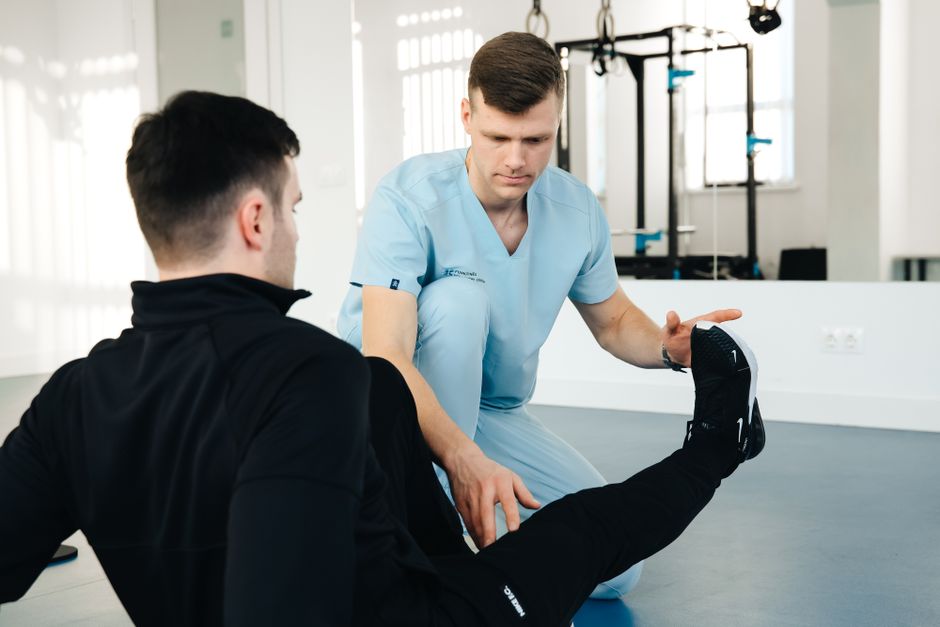
Corporoplasty is surgery on the erectile bodies (corpora cavernosa) of the penis, performed for Peyronie’s disease, congenital curvature or after an injury. Its aim is to correct the deformity and restore normal anatomy and erectile function. Depending on the technique, the surgeon either shortens the longer side (plication) or lengthens the shorter side using a graft.
Recovery after corporoplasty is not a formality. The tissues of the penis are very sensitive to mechanical strain, and the scar that forms after the operation needs the right conditions to mature. Returning to activity too early or ignoring your doctor’s advice can lead to the curvature coming back, stitches coming apart or worsening erectile function.
Understanding each stage of recovery lets you plan work, personal life and physical activity realistically. You can read more about the procedure itself and who it is for on our corporoplasty service page.
02What happens in the first hours after the operation?
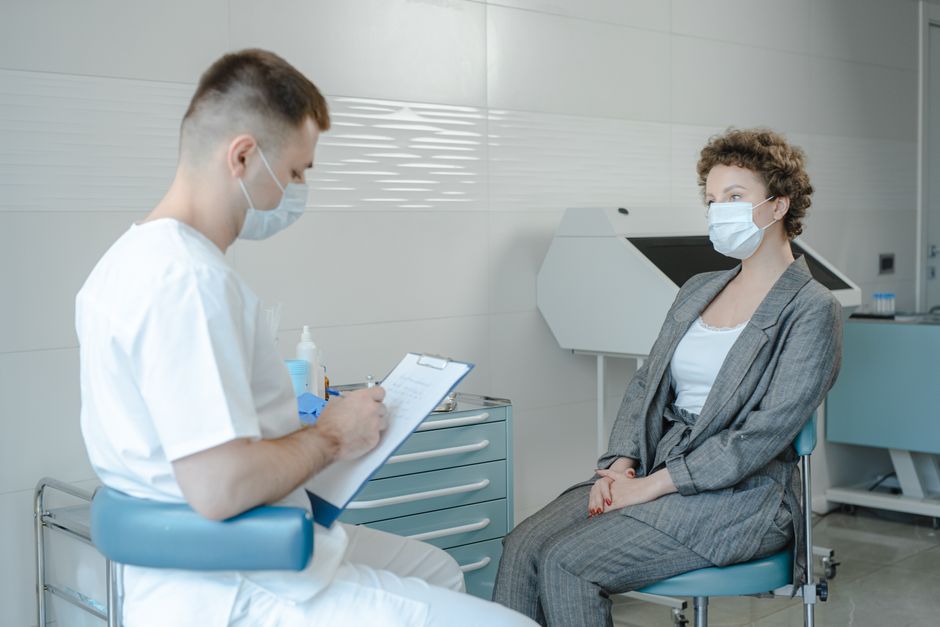
Straight after corporoplasty you are moved to an observation room. The anaesthetic gradually wears off, and you may feel a dull ache or pressure in the operated area. This is normal, and the pain is controlled with painkillers that the doctor prescribes before you leave the operating theatre.
A compression dressing is applied to the penis to limit swelling and prevent a haematoma. In most cases a urinary catheter is placed in the bladder, so that you do not have to strain or walk to the toilet for the first 12–24 hours. You may get up only under the supervision of the medical staff.
Do not try to adjust or remove the dressing yourself. Any shift in it during the first hours can cause bleeding. If the dressing feels too tight or you notice marked numbness, tell the nurse or doctor straight away.
Food on the first day is light: water, low-fat broth and unsweetened tea. A normal diet resumes once you feel stable, usually 4–6 hours after general anaesthesia or as soon as an hour after spinal anaesthesia.
Not sure which clinic to start with?
A MediUkraine coordinator will help you choose a clinic and a doctor for your case, free of charge.
03The first 48–72 hours: what to watch out for
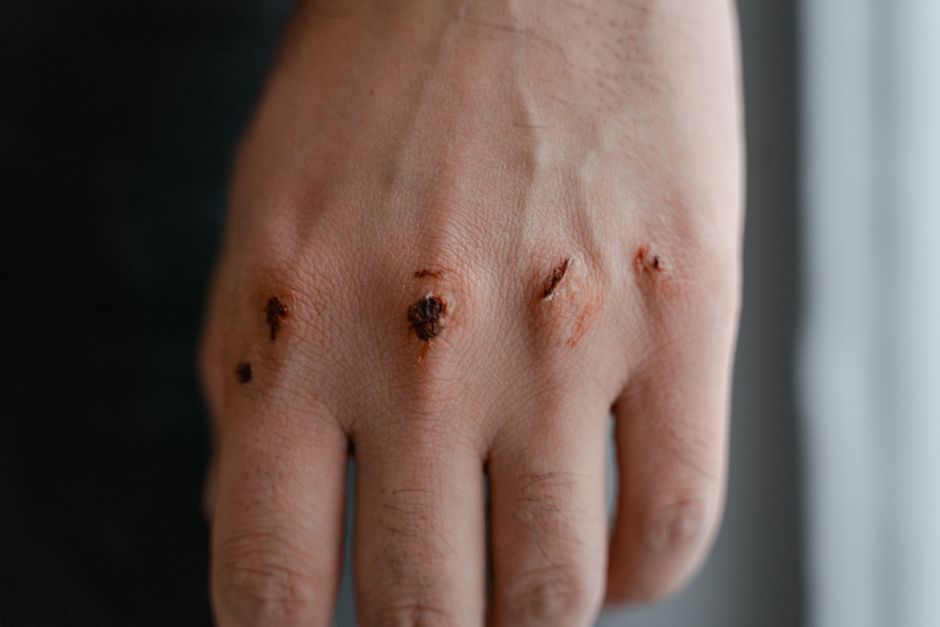
Swelling and bruising peak during the first two to three days. This is a normal inflammatory process as the body responds to surgical trauma. The penis may look much larger than usual, and the skin colour may range from pink to dark blue. Many patients who were not warned about this in advance become anxious, but this appearance is normal.
The catheter is usually removed after 24–48 hours. Passing urine for the first time after removal may be painful or cause slight burning, which passes within a few hours. If you cannot pass urine for more than 6 hours after the catheter is removed, tell your doctor immediately.
Bed rest continues for the first 48 hours. You may walk slowly to the toilet and back. Sit down carefully, avoiding pressure on the wound. Lying on your back with a small cushion under your buttocks is recommended, as it helps fluid drain and reduces swelling.
Take painkillers strictly as your doctor has prescribed, even if the pain seems bearable. Keeping pain well controlled lowers the risk of reflex spasm and improves microcirculation in the tissues, which directly affects healing.
04The first week: routine, hygiene and restrictions
During the first week you will usually be at home. The main goals at this stage are rest, proper wound care and keeping an eye on how you feel. Sudden movements, lifting heavy objects (over 3–5 kg) and standing for long periods are not allowed.
The wound area needs careful hygiene. Your doctor will tell you how to clean it, usually by washing with warm water without soap, or with a mild antiseptic, 1–2 times a day. No baths, swimming pools or saunas: the penis should stay dry between cleanings. After passing urine each time, pat the wound dry with a clean tissue.
Erections in the first week are a common and unexpected problem. Night-time and morning erections are natural, and they can be painful because they stretch the stitches. Some surgeons prescribe a short course of medicine to reduce how often erections occur in the early recovery period. Avoid tight underwear; loose boxer shorts made of soft fabric are better.
The first follow-up appointment takes place at the end of the first week. The doctor checks the stitches, removes non-dissolving stitches if needed and looks for any complications. Further restrictions are discussed at the same appointment.
05Diet during recovery: what to eat and what to avoid
Your diet during recovery does not need to be very strict, but a few rules noticeably speed up healing. The basis is enough protein: meat, fish, eggs, pulses and dairy products. Protein is the building material for tissue repair and collagen formation in the scar.
Foods rich in vitamin C (citrus fruit, sweet peppers, broccoli) and zinc (pumpkin seeds, beef, seafood) are recommended. These nutrients are directly involved in wound healing and the formation of a strong scar.
Avoid alcohol completely for at least 3–4 weeks. It widens blood vessels, increases swelling and can interact with the antibiotics that are almost always prescribed after the operation. Spicy, fatty and smoked foods are also best limited, as they can promote inflammation.
Constipation during recovery is a real problem, as straining tenses the pelvic floor muscles and increases pressure on the wound. Eat more fibre (vegetables, wholegrain cereals, prunes) and drink enough water, at least 1.5–2 litres a day. If needed, your doctor will prescribe a mild laxative.
06Physical activity: when and how to return
Complete inactivity during recovery is not ideal either. Moderate activity improves circulation, lowers the risk of blood clots and helps the scar mature. But the return to activity has to be gradual.
For the first 2 weeks, only unhurried walking at an even pace is allowed, for 15–30 minutes twice a day. Cycling, motorcycling and horse riding are ruled out: pressure on the perineum is incompatible with normal healing. Climb stairs only slowly, without jerky movements.
From the third or fourth week, if healing is going well, you can add slightly brisker walks and upper-body stretching. Any strength exercises that involve the abdominal and pelvic floor muscles (squats, bench press, crunches) are not allowed until 6–8 weeks.
Swimming, steam baths, saunas and hot tubs are completely off limits until the wound has fully healed, usually for at least 6 weeks. Your doctor decides individually when you can do more, based on how quickly you are healing. Do not go by the experience of people you know: everyone recovers differently.
07When can you go back to work?
When you can return to work depends on what you do. If your work is mostly sitting down or at a computer, you are usually discharged on day 2–3 and can return to work after about 10–14 days, provided there are no complications and you feel well.
Work that involves physical effort, standing for long periods, walking or vibration (for example, drivers, builders or warehouse workers) requires a longer period off work, from 4 to 6 weeks. Going back earlier than recommended without your surgeon’s permission increases the risk of the stitches coming apart and the curvature returning.
Long periods of sitting in an office also need some adjustments: stand up every hour and take a short walk around the room. A hard chair without padding can be uncomfortable in the first weeks; a soft cushion makes a real difference.
If your work involves business trips or long journeys, it is best to avoid them for the first 3–4 weeks. Sitting still for a long time increases the risk of swelling and poorer blood flow to the healing area.
08Sex after corporoplasty: when can you resume?
This is the question patients worry about most, and it deserves an honest answer: resuming sex too early is one of the most common causes of complications and a poor result. So going by what “a friend did” or “I read online” is not acceptable here.
The minimum period without sex is 6–8 weeks after the operation. For some patients, depending on the extent of the surgery and how quickly they heal, the doctor may extend this to 10–12 weeks. During this time the scar has not yet matured and cannot withstand the mechanical strain of erection and intercourse.
Once your doctor has given permission, the first sexual encounters should be gentle: choose a position that puts minimal strain on the scar, without vigorous movements. If you feel pain, pulling or discomfort, stop straight away and tell your surgeon.
Masturbation is also not allowed for the whole period of abstinence. Night-time erections are unavoidable at this stage; if they are painful, your doctor may adjust your medication. Erection quality returns to normal gradually and can take up to 3–6 months.
09Swelling and bruising: how long will they last?
Swelling after corporoplasty is an expected and normal result of surgery. It is at its worst in the first 2–3 days and then gradually decreases. Most of the swelling goes within 3–4 weeks, but some residual puffiness may remain for up to 2–3 months.
Bruising after surgery on the erectile bodies can be quite extensive and may spread to the scrotum and inner thighs. This is not a sign of a complication as long as the bruises are not growing and there is no sudden, sharp local pain. Bruises usually clear within 2–4 weeks.
Several measures help swelling go down faster: in the first 48 hours, cold compresses (not ice directly on the skin but through a cloth, for 15 minutes several times a day), and after that, keeping the area raised. Avoid heat in any form, such as baths, hot-water bottles or saunas, for the first 4–6 weeks.
If the swelling has not gone down after the 4th week or suddenly increases, see your surgeon without waiting for your next appointment: sometimes the cause is a hidden fluid collection (seroma), which is easy to deal with at an early stage.
10Caring for the wound and scar: how to do it right
Caring for the scar properly after corporoplasty is key to minimal cosmetic change and a good functional result. In the first 2 weeks, the main goal is to prevent infection: follow the prescribed antiseptic routine, wear clean, loose underwear and avoid clothing rubbing against the wound.
Once the wound has fully healed (usually from week 3–4), your doctor may recommend products to prevent a thickened scar: silicone patches or gels applied to the scar twice a day for 3–6 months. There is clinical evidence that these products reduce scar hardening and improve its appearance.
Scar massage is useful, but start it no earlier than 4–6 weeks after the operation and only with your surgeon’s permission. Gentle circular massage with a fingertip, without firm pressure, 1–2 times a day improves the elasticity of the scar tissue and reduces the likelihood of hardening.
Sun and ultraviolet light are harmful to a fresh scar and can leave lasting dark pigmentation. Avoid direct UV exposure of the scar area for at least a year after the operation.
11Follow-up appointments: when and why?
Follow-up appointments after corporoplasty are not just a formality: each one has a specific purpose. Do not skip them even if “everything is fine and nothing hurts”: many complications cause no symptoms at an early stage but are clearly visible on examination.
The first check-up is after 7 days. The surgeon checks the stitches, removes them if needed and looks for a haematoma or inflammation. The second check-up is after 1 month: assessing the scar and the quality of healing, and adjusting advice on activity and sex.
The third check-up is after 3 months. At this stage the functional result is assessed: the angle of curvature, erection quality and any pain. Additional tests or physiotherapy may be prescribed if needed. The fourth check-up is after 6 months, for a final assessment of the result, the scar and sexual function.
If something worries you between check-ups, such as a fever, sharp pain, unusual discharge from the wound or a sudden loss of sensation, see your doctor without waiting for your next scheduled appointment.
12Possible complications and how to recognise them
Like any surgery, corporoplasty carries a risk of complications. Knowing about them is not meant to frighten you but to help you notice warning signs in time and seek help.
Early complications
These occur within the first 2–4 weeks. The most common are:
- Haematoma: a significant collection of blood in the tissues that does not clear on its own and needs surgical drainage
- Wound infection: redness, pus and local warmth; treated with antibiotics, sometimes with opening of the wound
- Wound separation: can occur with physical exertion or erections too early in recovery
Late complications
These develop after several weeks or months:
- Recurrence of the curvature: partial return of the curvature because of abnormal scar maturation or returning to activity too early
- Erectile dysfunction: may be temporary, linked to swelling around the nerves, or permanent if the blood vessels and nerves have been damaged
- Loss of length: more typical of plication techniques than of graft techniques
13When should you see a doctor immediately?
Most uncomfortable sensations after corporoplasty are normal and expected. But some symptoms require you to contact your surgeon immediately or call an ambulance, and delaying an assessment is risky.
Warning signs in the first days: a sudden increase in pain after an initial improvement, rapidly increasing swelling, a lot of blood on the dressing, a temperature above 38.5 °C, or being unable to pass urine for more than 6–8 hours after the catheter is removed.
Warning signs later on: pus or unusual discharge from the wound, marked redness with a feeling of heat, new pain during erections that did not bother you before, or a noticeable change in the angle of curvature after an initially good result.
Do not wait for a scheduled check-up and “keep an eye on the symptom” at home: most complications are much easier to resolve, and without affecting the result, when you seek help promptly. Hesitating at such a moment can cost you a good outcome.
14Your emotional wellbeing during recovery: what to expect
Recovery after corporoplasty can be emotionally difficult. Restrictions on sex, anxiety about the result and the temporarily changed appearance of the penis because of swelling and bruising can all lead to worry, irritability or even low mood.
It is important to understand that the first month does not show the final result. Swelling distorts the shape, the scar is still coarse and firm at this stage, and erection quality has not yet recovered. It is not appropriate to judge the result earlier than 3–6 months after surgery.
Support from your partner and an open conversation about how long the restrictions will last make the recovery period much easier emotionally. If your anxiety is marked and does not ease on its own, discuss it with your doctor; some patients benefit from seeing a psychologist or sex therapist.
Men who lived with a deformity for a long time before surgery often find it hard to believe in a good result, even after a successful operation. These beliefs change gradually, as function returns and the swelling around the scar goes down.
15Preventing recurrence and keeping the result for the long term
It is important to preserve the result of surgery. The curvature can come back after corporoplasty, but the right behaviour during and after recovery considerably reduces this risk.
For the first 6 months after the operation, avoid rough, overly vigorous sex and positions that put excessive mechanical pressure on the scar. Scar tissue fully matures only by month 6–12, and during this time it is most vulnerable to forces that could deform it.
Treating the underlying condition, Peyronie’s disease, is also part of prevention. If progression of the fibrosis in the erectile bodies is not stopped, a new deformity can develop even after a technically flawless operation. For this reason, your urologist may prescribe medical treatment according to the clinical protocol.
Stopping smoking and controlling your blood sugar (if you have diabetes) are critically important: both factors impair microcirculation and considerably slow scar maturation. Seeing a urologist once a year helps to monitor your condition and adjust treatment in good time if needed.
MediUkraine can arrange corporoplasty with an experienced urological surgeon at our partner clinic, EXPERT in Uzhhorod, and support you throughout your recovery. The clinic’s team communicates with international patients in English. Send us a request, and we will help you find the right solution.
Related services: Corporoplasty in Ukraine · Prostate Adenoma Treatment in Ukraine · Laser Prostate Surgery in Ukraine
16Frequently asked questions
How many weeks after corporoplasty can you have sex?+
The minimum recommended period is 6–8 weeks, but only your surgeon can give permission at a follow-up appointment, after assessing the scar and how well it has healed. In some cases the period is extended to 10–12 weeks.
Is it normal for the penis to look swollen and blue after the operation?+
Yes, this is normal for the first 2–4 weeks after corporoplasty. Swelling and bruising are the body’s natural response to surgery and gradually go away on their own. You should be concerned only if the swelling increases sharply or you develop a fever.
When will you know whether the operation has worked?+
The final result of corporoplasty should be assessed no earlier than 3–6 months after the operation. That is when the scar matures, the swelling goes down completely and normal erectile function returns.
Can you play sport again after corporoplasty?+
Yes, you can return to sport, but gradually: light walking from the first week, moderate cardio from week 4–6, and strength training and contact sports no earlier than 8–10 weeks and only with your surgeon’s permission.