A thigh lift (cruroplasty) is a major operation, and afterwards your body needs time, attention and strict adherence to your surgeon’s advice. Recovery determines not only the final result but also your safety in the first weeks. The better you understand each stage, the less anxious you will feel and the more predictable the outcome will be.
- Active recovery after a thigh lift lasts 4–6 weeks; full recovery takes up to 6 months.
- Compression garments must be worn for the whole first month, sometimes longer.
- Physical activity is resumed gradually: light walking from the first week, sport no earlier than 2 months.
- Swelling and skin sensitivity can last up to 3–4 months; this is normal, not a complication.
- What happens straight after the operation?
- The first 24–48 hours: the key rules
- Swelling and bruising: when is it normal?
- Compression garments: how long to wear them and which ones you need
- Caring for your stitches and wounds
- How to eat well during recovery
- Physical activity: when and how much?
- Returning to work: timelines for different jobs
- Pain: what is normal and what is not?
- Follow-up appointments: when and why?
- Possible complications and how to recognise them
- When do you need urgent medical help?
- Your emotional wellbeing during recovery
- Massage and device-based treatments: when can you start?
- Long-term results and preventing changes in the future
01What happens straight after the operation?
For the first hours after a thigh lift you stay in the recovery room under the supervision of medical staff. As the anaesthetic wears off, your blood pressure, heart rate and dressings are monitored. A feeling of heaviness and warmth in the thighs is normal; it is the tissues’ reaction to surgery.
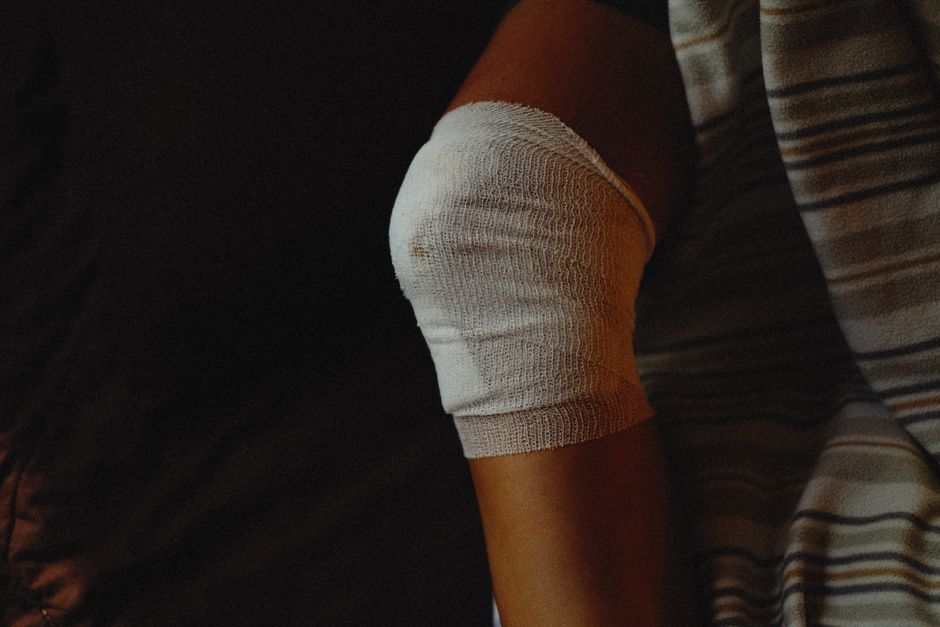
Straight after the operation, a compression bandage is applied to your legs or you are dressed in a special compression garment. It reduces bleeding into the tissues and supports the new contour as it forms. Do not get up without your doctor’s permission at this stage.
Pain in the first hours is mild to moderate, thanks to the lingering effect of the anaesthetic and the painkillers you have been prescribed. Patients admitted as day cases are advised to stay at the clinic for at least 12–24 hours. Discharge is planned individually depending on the extent of the operation and your general condition.
02The first 24–48 hours: the key rules
For the first two days the priority is rest and lying down. Keep your legs slightly raised on a low pillow or bolster. This considerably reduces swelling and lowers the risk of blood pooling in your legs.
You will be allowed to move around on your own a few hours after coming round from the anaesthetic, taking short steps and only as far as the toilet. Sudden movements, bending forward and squatting are strictly off limits at this stage. Sit down carefully, supporting yourself with your arms.
Eat light food in the first days: broths, porridge, boiled vegetables and fermented dairy products. Avoid alcohol completely. Drinking plenty of fluids (1.5–2 litres of plain water) helps clear tissue breakdown products and remaining anaesthetic. Smoking in the first 48 hours sharply increases the risk of wound-healing problems; avoid it for at least 2 weeks.
Not sure which clinic to start with?
A MediUkraine coordinator will help you choose a clinic and a doctor for your case, free of charge.
03Swelling and bruising: when is it normal?
Swelling of the thighs after a thigh lift is expected and normal. The tissues respond to surgery with inflammation, which is part of natural healing. Swelling usually peaks on day 3–5 and then gradually goes down.
Bruises of varying intensity may cover not only the thighs but spread lower, down to the knees. This is caused by gravity: fluid from the operated area gradually moves down through the loose tissue under the skin. The bruises clear within 2–3 weeks.
Be concerned about a bruise that grows rapidly, becomes very tense or comes with sharp pain, as this may indicate ongoing bleeding. Swelling that does not go down after the 3rd week, or that increases while you feel generally unwell, also needs a surgeon’s assessment. In most cases these symptoms resolve on their own if you follow the recovery routine.
04Compression garments: how long to wear them and which ones you need
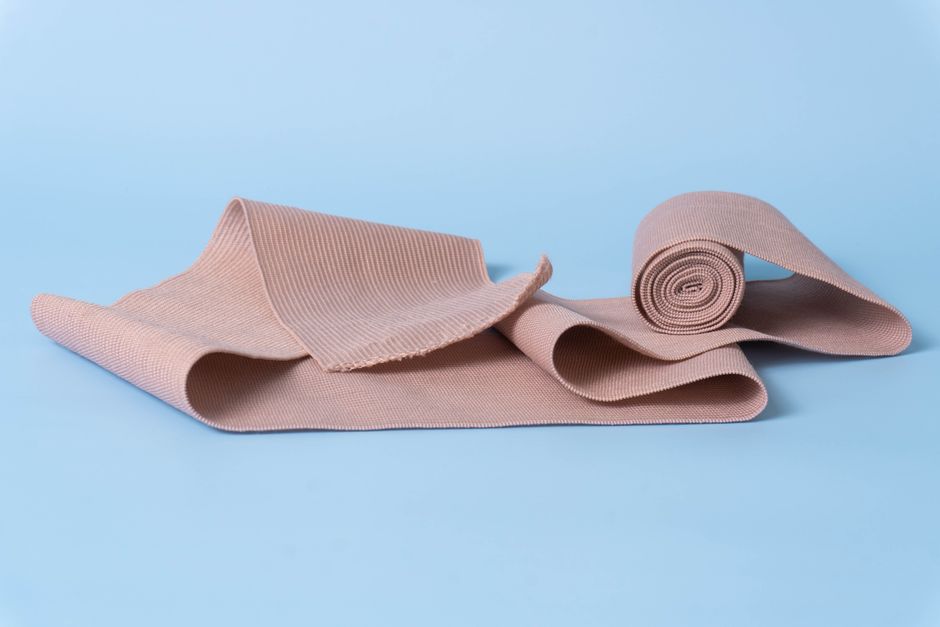
Compression garments are not optional but an essential part of recovery after a thigh lift. They do several jobs at once: hold the tissues in the right position, reduce swelling, lower the risk of the wound edges separating and help the scar form evenly.
For the first 4 weeks the garment is worn around the clock and removed only for washing. From week 5 to week 8 you switch to wearing it during the day only, not at night. Your doctor sets the exact period individually.
The garment should be medical-grade compression, class II or III as prescribed. Do not buy ordinary sports shorts or “slimming” leggings instead of proper medical garments. They do not provide the right, even pressure and cannot replace a medical product. Ask your surgeon for the name or specifications of a suitable garment before the operation.
05Caring for your stitches and wounds
The incisions for a thigh lift are mainly in the groin creases and along the inner thigh, where scars are least noticeable. The stitches may be dissolving (not removed) or standard (removed after 10–14 days). Ask your surgeon which technique was used in your case.
Clean the wounds daily with an antiseptic as your doctor instructs. Do not change the routine on your own or use products that have not been prescribed; iodine and alcohol, in particular, can damage new tissue. Keep the wounds dry, as a moist environment encourages bacteria to multiply.
Your first shower is usually allowed on day 5–7 after the operation, once the wound is closed enough. Baths, saunas, swimming pools and open-water swimming are not allowed for 6–8 weeks. Active scar treatment with special gels or silicone patches begins once the wounds have fully healed, usually from week 3–4.
06How to eat well during recovery
Your diet after a thigh lift directly affects how quickly you heal. Tissues need protein to regenerate, as it is the building material for new cells. Include lean meat, fish, eggs, pulses and dairy products in your diet.
Vitamins C and E support collagen production and reduce oxidative stress after surgery. Good sources include citrus fruit, sweet peppers, rosehip, nuts and unrefined vegetable oils. Zinc and iron support the immune system and help the body make new blood after blood loss.
Limit salt (it retains fluid and increases swelling), sugar and refined carbohydrates (they slow healing) and alcohol (it widens blood vessels and increases the risk of bleeding). Eating small portions 4–5 times a day eases the load on your digestive system, which has already been stressed by the anaesthetic and painkillers.
Add foods rich in omega-3 fatty acids (salmon, walnuts, flaxseed oil) to your diet: they may help reduce inflammation and support tissue recovery after surgery.
07Physical activity: when and how much?
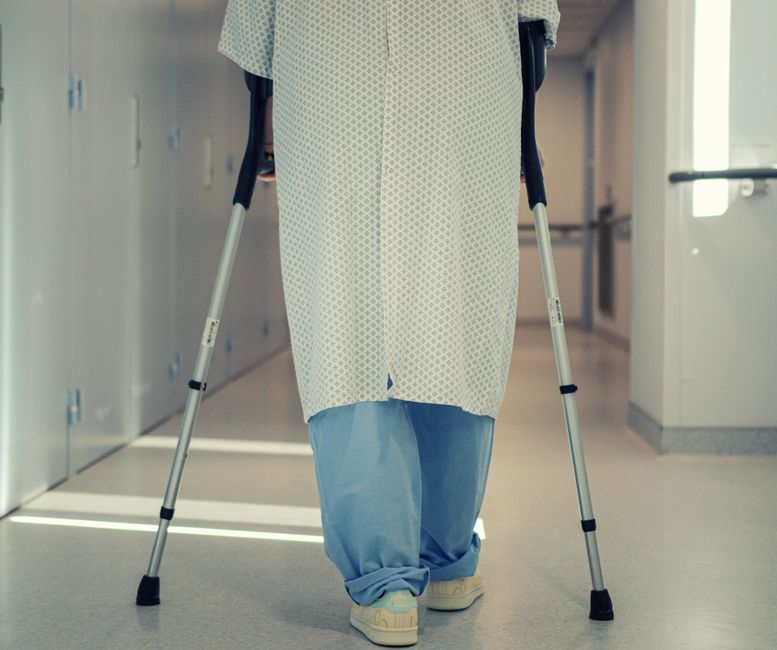
Staying completely still after a thigh lift is harmful, as it increases the risk of deep vein thrombosis. That is why short walks are recommended from the first or second day. At first, walk for 5–10 minutes several times a day along a level corridor, with no inclines and no rushing.
In the second week, increase your walks to 20–30 minutes. In the third or fourth week you can go for a short walk outdoors. Keep all movements smooth, without jumping, sudden turns or standing still for long periods. Sitting for long periods (more than 40–50 minutes at a time) is also best avoided, as it stretches the area around the stitches.
From week 5–6, if healing is going well, your doctor may allow swimming and light stretching. Strength training, running and vigorous cardio can be resumed no earlier than 8–10 weeks. Cycling and horse riding should wait 3 months or longer, as they put considerable mechanical strain on the operated area.
08Returning to work: timelines for different jobs
When you can return to work depends on the kind of work you do. People with office or remote jobs that are mostly seated can return after 2–3 weeks, provided they feel comfortable and can get up and move around regularly.
If your work involves standing for long periods, moving around a lot or climbing stairs, a return after 4–6 weeks at the earliest is recommended. Physical work (for example, warehouse workers, builders or hospital staff in physically demanding roles) requires a break of at least 6–8 weeks.
When you can drive depends on which leg is more affected and how you feel. People usually return to driving after 2–3 weeks, but only when they no longer need painkillers and their reactions are not slowed. Before your first drive, make sure that getting in and out of the seat does not cause pain or discomfort.
09Pain: what is normal and what is not?
A moderate pulling pain in the thighs for the first 5–7 days is a normal part of recovery. It is well controlled with the painkillers you have been prescribed. The pain eases day by day, and by the end of the first week most patients feel only mild discomfort when moving actively.
A feeling of tight skin, tingling or temporary numbness in the operated area is also normal. It is caused by temporary disruption of small nerve fibres in the skin, which recover over several months. Full return of sensation takes 3 to 6 months.
Call your doctor if the pain suddenly gets worse after a few days of improvement, or if it is sharp and throbbing and comes with a raised temperature. These symptoms may indicate infection or bleeding and need an urgent examination. Do not treat yourself or increase the dose of painkillers on your own.
10Follow-up appointments: when and why?
Regular follow-up appointments after a thigh lift are not a formality but an important way of monitoring healing. The first check-up takes place 1–3 days after discharge: the doctor checks the dressings, assesses swelling and makes sure there are no early complications. This visit is essential even if you feel well.
Further check-ups are usually scheduled for day 7–10 (checking or removing stitches), week 3–4 (assessing the scar and deciding whether to change the compression routine) and after 3 months (final assessment of the result). Some clinics also schedule an extra check-up at 6 months.
At each check-up, the doctor may adjust the recommendations according to how you are healing. Do not skip visits even if everything seems fine: some complications, such as thickened scarring or lymphoedema, are easier to correct at an early stage. You can find out more about the procedure and follow-up after surgery on our thigh lift service page.
11Possible complications and how to recognise them
Most complications after a thigh lift are uncommon and respond well to treatment if you seek help promptly. However, you should know which signs to look out for so as not to miss a critical moment.
Early complications (first 1–2 weeks)
- Growing haematoma: a sudden increase in the size of the thigh, tense skin and severe pain; urgent assessment is needed.
- Wound infection: redness of the wound edges, pus and a temperature above 38 °C.
- Wound separation: may occur with physical strain too early or if the wound-care routine is not followed.
Late complications (after 2–4 weeks)
- Lymphoedema: persistent swelling of the legs caused by impaired lymph drainage; it requires lymphatic drainage massage.
- Hypertrophic or keloid scar: excessive scarring, treated with injections or silicone patches.
- Uneven contour: slight asymmetry often evens out on its own as the swelling goes down.
12When do you need urgent medical help?
Some symptoms cannot wait for a scheduled check-up: see a doctor or call an ambulance immediately. Learn them before you are discharged from the clinic.
Deep vein thrombosis is one of the most dangerous complications after any operation on the legs. Its signs are sudden swelling and pain in one leg, redness along a vein and a feeling of heat. If this is accompanied by shortness of breath or chest pain, it may be a pulmonary embolism, which is life-threatening.
Also see a doctor without delay if you have: a temperature above 38.5 °C that lasts more than a day; a sharp increase in pain after several days of improvement; heavy bleeding from the wound; or loss of sensation or weakness in a leg. These symptoms are a warning sign, not something that “may go away on its own”.
13Your emotional wellbeing during recovery
Recovery after cosmetic surgery is an emotional process as well as a physical one. Swelling and bruising in the first weeks can cause anxiety: it may seem that the result is not what you hoped for. This is a normal reaction and happens to most patients after body-contouring operations.
The final result of a thigh lift is assessed no earlier than 3–4 months after surgery, once most of the swelling has gone. The contour is fully formed by 6 months. Comparing yourself with “before and after” photos online during your recovery weeks is not a good idea: everyone heals at their own pace.
If anxiety or dissatisfaction with the result persists after recovery is complete, talk openly with your surgeon. Some issues can be resolved without surgery (massage, device-based treatments), while others may need a correction. Hiding your dissatisfaction and keeping quiet about the problem is the least effective approach.
14Massage and device-based treatments: when can you start?
Lymphatic drainage massage is one of the most effective ways to speed up the reduction of swelling after a thigh lift. It is prescribed no earlier than 3–4 weeks after the operation, once the wounds have fully healed. Manual lymphatic drainage should be done by a rehabilitation specialist, not an ordinary massage therapist.
Device-based lymphatic drainage (pneumatic compression) may be recommended from week 4–6. It effectively reduces swelling and helps prevent lymphoedema. LPG and vacuum massage are usually allowed no earlier than 2 months after the operation.
Ultrasound therapy and microcurrent therapy are used to improve scar quality and speed up tissue recovery. They are prescribed by a doctor or rehabilitation specialist; do not book device-based treatments yourself without your surgeon’s agreement. Some types of physiotherapy can do harm in the early period.
15Long-term results and preventing changes in the future
A thigh lift gives a stable, noticeable result, but it will not last for life without your involvement. Significant weight gain after the operation will stretch the skin again and undo the effect of the lift. That is why keeping a stable weight is the most important condition for a lasting result.
Regular physical activity (moderate cardio, swimming, yoga) strengthens the thigh muscles and supports vascular tone, which benefits the quality of your skin. Staying hydrated, protecting yourself from the sun (scars should not be tanned for at least a year) and using skin-firming products are simple habits that help prolong the effect of the operation.
It is also important to avoid large swings in weight, especially losing more than 10 kg after the operation, as this can cause the skin to sag again. If you are planning significant weight loss, surgeons advise reaching your target weight and keeping it stable first, and only then considering a lift.
MediUkraine can arrange a thigh lift at our partner clinic, EXPERT in Uzhhorod, and support you at every stage, from the first consultation to recovery. The clinic’s team communicates with international patients in English.
Related services: Thigh Lift (Cruroplasty) in Ukraine · Abdominal Liposuction in Ukraine · Thigh Liposuction in Ukraine
16Frequently asked questions
How long does full recovery after a thigh lift take?+
Active recovery (compression and activity restrictions) lasts 4–6 weeks. Swelling goes down completely after 3–4 months, and the final result of the operation is assessed 6 months after surgery.
Is recovery after a thigh lift painful?+
Pain in the first 5–7 days is moderate and well controlled with the painkillers you have been prescribed. After that, only mild discomfort with active movement remains, and it disappears within 2–3 weeks.
When can you exercise after the operation?+
Light walking from the first week. Swimming and stretching after week 5–6 with your doctor’s permission. Strength training and running no earlier than 8–10 weeks after the operation.
Will there be noticeable scars after a thigh lift?+
The incisions are placed in natural skin folds: in the groin creases and along the inner thigh. With proper care and the use of scar treatments, the scars become barely noticeable within 6–12 months.