
Septoplasty is one of the most common operations in ENT surgery, and although its outcome is relatively predictable, recovery still requires you to pay close attention to how you feel. How recovery goes depends on the extent of the surgery, your individual body and how closely you follow your doctor’s advice. Understanding each stage helps you avoid complications and get back to your normal routine sooner.
- Nasal packs are usually removed 1–3 days after surgery.
- Most of the swelling goes down within 2–3 weeks; full recovery takes up to 3–6 months.
- Exercise and sport are allowed no earlier than 4–6 weeks after surgery.
- Follow-up visits to the ENT surgeon are essential even if you have no complaints.
- What happens in the first hours after surgery?
- The first day: what to expect and how to behave
- Removing the nasal packs: when does it happen and does it hurt?
- The first week after septoplasty: key restrictions
- Diet during recovery: what is allowed and what to avoid
- Swelling and bruising: when will they go?
- Nasal rinsing and care of the nasal lining: the right technique
- Physical activity after surgery: a gradual return
- Returning to work: when and under what conditions?
- Follow-up visits: schedule and why they matter
- Possible complications: what to know in advance
- When do you need urgent medical help?
- Emotional recovery: why it matters
- Preventing recurrence: can the septum become deviated again?
- How recovery differs depending on the surgical method
- A month and beyond: where recovery leads
01What happens in the first hours after surgery?
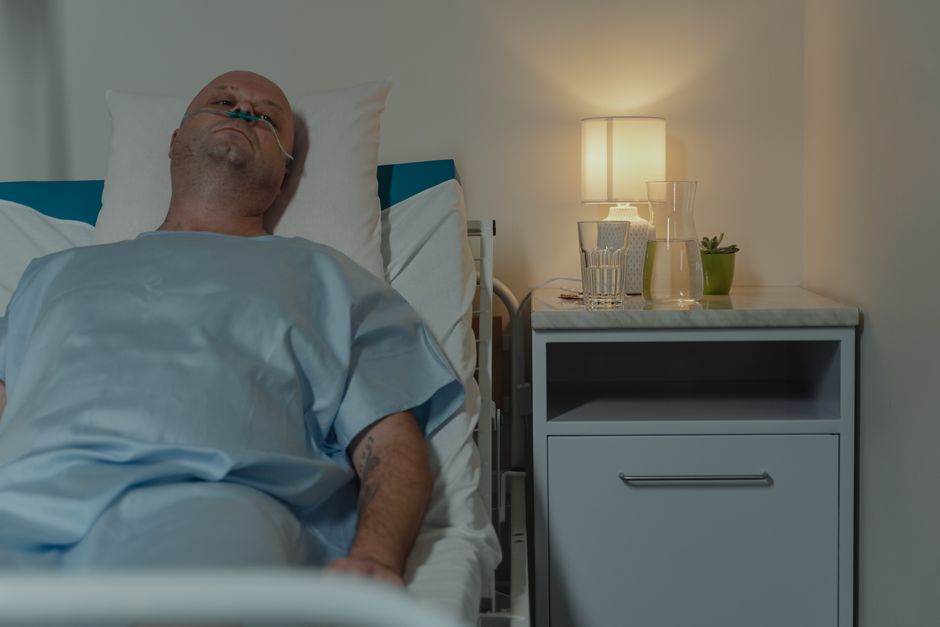
As soon as septoplasty is finished, you are moved to a recovery room for observation. The anaesthetic is still wearing off, so you may feel drowsy, slightly dizzy or sick — a normal reaction to general anaesthesia or deep sedation. The nursing staff monitor your blood pressure, pulse and any discharge from the nose.
Packs or special splints are placed in the nasal passages — they hold the corrected septum in the right position and stop bleeding. During this time you can only breathe through your mouth, which causes a dry throat and discomfort. A nurse will regularly moisten your lips and the inside of your mouth.
Pain in the first hours is usually moderate and well controlled with the painkillers prescribed by your doctor. Do not take any other medicines on your own — some, including aspirin-based products, increase the risk of bleeding. You may only get out of bed with a member of staff beside you.
You will be advised to raise the head of the bed to an angle of 30–45 degrees — this reduces swelling and makes breathing easier. Do not apply cold to the bridge of your nose without your surgeon’s permission: using cold compresses incorrectly can cause the blood vessels to spasm. The first 4–6 hours are the most important period of observation.
02The first day: what to expect and how to behave
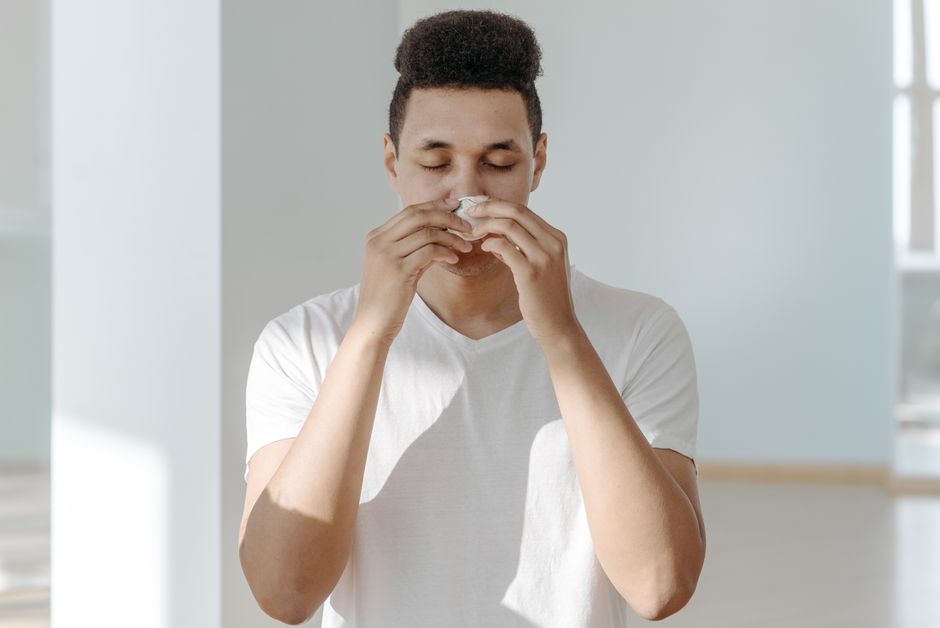
During the first day, the main sensations are a blocked nose, pressure around the bridge of the nose and a moderate headache. Discharge from the nose is bloodstained — this is expected and not a sign of a complication. Your doctor will check the amount and type of discharge at the routine examination.
Your temperature may rise slightly to 37.2–37.5°C — this is the body’s reaction to surgical trauma, not an infection. However, a temperature above 38°C or severe throbbing pain over the sinuses must be reported to your doctor immediately. Do not treat a fever yourself without first consulting your doctor.
Food on the first day should be light and cool or at room temperature: puréed soups, yoghurt, fruit drinks. Hot food dilates blood vessels and can trigger bleeding. Drink water in small sips and avoid tilting your head forward while doing so.
Sleep on your back with your head raised and try not to turn onto your side. Nasal drops, rinsing or any handling of the packs should only be done as prescribed and under the supervision of medical staff. The first day sets the baseline for how your tissues heal.
Not sure which clinic to start with?
A MediUkraine coordinator will help you choose a clinic and a doctor for your case, free of charge.
03Removing the nasal packs: when does it happen and does it hurt?
When the packs are removed depends on the surgical method and the material your surgeon used. Traditional gauze packs are removed on day 1–2, and silicone splints most often on day 3–5. Some surgeons use dissolvable materials that do not need removing at all.
Removal is unpleasant but usually much easier to tolerate than patients expect. Beforehand, the doctor may spray the lining of the nose with a decongestant to reduce discomfort. You will feel squeezing and pressure, or less often a brief sharp pain that passes quickly.
Right after the packs come out, you will feel relief and your nasal breathing will partly return. However, because the lining of the nose is still swollen, breathing will remain difficult for some time — the full effect of the operation cannot be judged until the swelling has gone. This is normal and does not mean the surgery has failed.
Once the packs are out, active care of the nasal cavity begins: rinsing with isotonic saline (sodium chloride) solution or special saline sprays. Keeping the lining moist helps it heal faster and prevents crusts that block the nasal passages and trigger reflex sneezing.
04The first week after septoplasty: key restrictions
The first week is a critical stage of recovery. During this period the tissues are most vulnerable to mechanical damage, and there is still a risk of secondary bleeding. Sticking strictly to the rules noticeably shortens your overall recovery time.
Do not: blow your nose, sneeze with your mouth closed, bend your head down or lift anything heavier than two kilograms. Sneeze only with your mouth open — this lowers the pressure in the nasopharynx and reduces the risk of the tissues separating. Any sudden rise in pressure inside the nose is dangerous.
Nasal rinsing is done 3–4 times a day according to the schedule prescribed by your doctor. Technique matters: keep your head upright or tilted slightly to one side, and use the gentlest possible flow. Aggressive rinsing can disturb the healing tissues or cause small injuries to the lining.
During this week, sleep only on your back with your pillow raised. Avoid crowded places, public transport and contact with people who are unwell, as the local immunity of the nasal lining is reduced. Alcohol and smoking in any form are completely off-limits throughout the week.
05Diet during recovery: what is allowed and what to avoid
A well-planned diet after septoplasty affects how quickly the tissues heal and lowers the risk of infection. Meals should be easy to digest and rich in protein, vitamins C and K and zinc — these nutrients are directly involved in tissue repair.
For the first 7–10 days, avoid hot food and drinks, spicy and acidic food and alcohol in any form. Hot food dilates the blood vessels in the nasal lining and raises the risk of bleeding. Eat small portions slowly, without sudden head movements while eating.
Allowed: boiled meat, fish, fermented dairy products, soft vegetables and fruit, puréed soups, porridge made with water or milk, and natural juices at room temperature. Avoid nuts, seeds, crispbreads and tough meat — chewing creates vibration that causes discomfort in the nasal structures.
Drink at least 1.5–2 litres of fluid a day. Staying well hydrated keeps mucus at a normal consistency and stops the nasal lining from drying out. Limit coffee and strong tea in the first days because of their vasoconstrictive and diuretic effects.
06Swelling and bruising: when will they go?
Swelling after septoplasty is a natural result of surgery, not a sign of a complication. How pronounced it is depends on the extent of the operation, your blood vessels and whether another procedure was done at the same time (for example, rhinoplasty).
Swelling follows a typical pattern: it peaks in the first 48–72 hours, decreases noticeably by the end of the first week and goes down substantially by 2–3 weeks. However, residual swelling in the deeper structures may persist for up to 3–6 months. That is why the final result of the operation is not assessed until at least six months have passed.
Not every patient gets bruising around the eyes; when it occurs, it is usually linked to damage to small blood vessels during surgery. Bruises turn yellow-green by the end of the first week and disappear completely by day 10–14. Covering them with make-up in the first days is not recommended — the skin in this area is vulnerable.
To help swelling go down faster: sleep with your head raised, cut down on salt, use cold compresses on the bridge of the nose (only if your doctor allows) and keep the nasal lining moist with regular rinsing. Heat treatments, saunas and steam rooms are completely off-limits during this period.
07Nasal rinsing and care of the nasal lining: the right technique
Caring for your nose after septoplasty is just as important as the operation itself. How correctly and regularly you rinse determines how quickly the nasal lining recovers its normal function and whether crusts form that make breathing harder.
The main product is isotonic sodium chloride solution (0.9%) or ready-made saline sprays with a concentration close to that of body fluids. Hypertonic solutions are prescribed only when there is a specific reason — they reduce swelling more effectively but dry out the lining if used for a long time. The prescription is always individual.
Rinsing technique: lean over the sink with your head tilted 45 degrees to one side, insert the nozzle of the bottle into the upper nostril and release the solution with gentle pressure. The fluid will come out of the other nostril or through your mouth — this is correct. Do not blow your nose hard after rinsing: give the mucus a few minutes to drain on its own.
Crusts in the nose are an inevitable part of the first weeks of recovery. Do not remove them with your fingers or cotton buds without softening them first: put in a few drops of saline or apply a dexpanthenol ointment beforehand. After 5–7 minutes the crusts soften and come away easily during rinsing.
08Physical activity after surgery: a gradual return
After septoplasty, physical activity is reintroduced gradually and strictly with your doctor’s permission. In the first weeks, any activity that raises your blood pressure and heart rate increases the risk of bleeding from the operated tissues.
In the first 2 weeks, only slow walks in the fresh air are allowed — no uphill walking, sudden changes of pace or long periods in freezing cold or stuffy rooms. Keep housework light, with no bending or lifting. Put off vacuuming, cleaning windows and similar tasks.
From week 3–4 you can add light therapeutic exercises lying down and unhurried walks of up to 30–40 minutes. From week 5–6, if you are progressing well and your doctor agrees, you can return to moderate cardio: brisk walking and cycling on flat ground.
Contact sports, martial arts, swimming in pools and open water, and diving are not allowed for at least 2–3 months. A blow to the nose in the first month can ruin the result of the operation. Return to intensive sport only once your surgeon has given final approval.
Do not rely on how you feel as the only sign that you are ready for exercise — the tissues inside the nose heal more slowly than your sense of improvement suggests. The decision to return to sport is made by your doctor after an examination.
09Returning to work: when and under what conditions?
When you can go back to work depends on the type of job and the extent of the operation. If recovery goes smoothly and your work is desk-based or office-based, most patients return on day 7–10 after surgery.
Computer work in the first days after discharge should be limited to 2–3 hours with breaks. Sitting hunched for long periods, stress and lack of sleep slow down recovery. If possible, spend the first week at home resting rather than working remotely full-time.
Manual work, work in dusty or fume-filled environments, and work with sharp temperature changes should be avoided for at least 4–6 weeks. Breathing in chemical fumes, building dust and similar irritants slows the healing of the nasal lining and increases the risk of infection.
Do not drive for at least 24–48 hours after general anaesthesia, and not while you are taking strong painkillers. Before getting back behind the wheel, check with your doctor whether your prescribed medicines affect concentration and reaction time.
10Follow-up visits: schedule and why they matter
Scheduled check-ups after septoplasty are not a formality but an essential part of treatment. The doctor assesses how healing is progressing and the condition of the nasal lining, adjusts your care and detects any complications at an early stage, when they are easiest to treat.
A standard follow-up schedule: the day after discharge or after 48 hours — to remove the packs and make an initial assessment; after 7–10 days — the first detailed examination with endoscopy; after 1 month — assessment of how the swelling has settled and of nasal function; after 3–6 months — final assessment of the result of the operation.
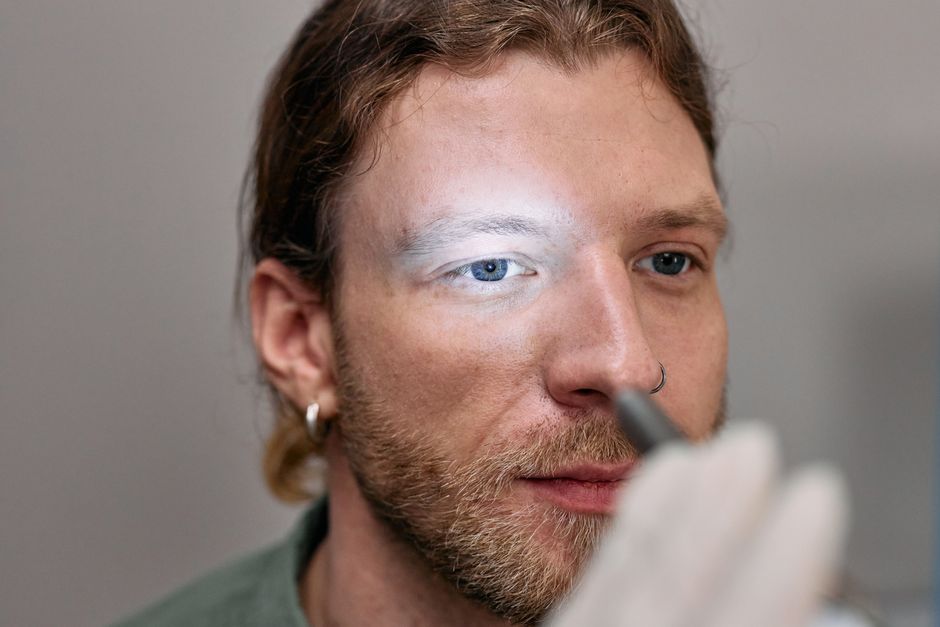
At each visit, the doctor examines the inside of your nose directly or with an endoscope. If needed, the nose is cleaned in the clinic, removing crusts and fibrin films. This is a quick, painless procedure that noticeably speeds up the recovery of the nasal lining.
If new symptoms appear between scheduled check-ups — worsening pain, rising temperature, heavy bleeding or a sudden sense that your breathing has got worse — do not wait for the next visit. Contact your doctor sooner. You can read more about the procedure and its options on our septoplasty page.
11Possible complications: what to know in advance
Complications after septoplasty are rare, but you should know about them so you can react in time. Most respond well to treatment if you see a specialist early. Ignoring symptoms is the main reason recovery drags on.
Early complications
Early complications include secondary bleeding (most often in the first 72 hours) and septal haematoma — a collection of blood between the layers of the nasal lining that needs urgent drainage. Without treatment, a septal haematoma can lead to cartilage necrosis and perforation of the septum — which is why any sudden increase in pain or a feeling of “bursting” in the nose is a reason to see a doctor immediately.
Late complications
Late complications include infective sinusitis, adhesions (synechiae) in the nasal passages, septal perforation and the deviation coming back. Synechiae form when the nasal lining is not cared for properly in the first weeks — another argument for regular rinsing and follow-up visits. Perforation is very rare and is usually linked to surgical factors or regular smoking after the operation.
12When do you need urgent medical help?
Some symptoms require you to contact a doctor or call an ambulance straight away — they cannot wait even an hour. You and your family should know these red flags by heart before you are discharged from the clinic.
Emergencies include: heavy nosebleeding that cannot be stopped within 10–15 minutes by pinching the soft part of the nose; a temperature above 38.5°C that does not come down with fever-reducing medicines; severe throbbing pain in the forehead or temples, especially together with changes in vision; and rapidly increasing swelling of the face or neck.
The following also need immediate attention: marked difficulty breathing that is not explained by the usual swelling; signs of meningeal irritation — a stiff neck, extreme sensitivity to light, confusion. These symptoms are extremely rare, but they cannot be left off the list of danger signs.
If you have any doubts about how you are, call the clinic where you had the operation or your own doctor. Most urgent situations after septoplasty are resolved quickly when help is sought in time and rarely require repeat surgery.
13Emotional recovery: why it matters
Recovery after any operation has an emotional side as well as a physical one. Patients who have had septoplasty often feel anxious because their nose stays blocked for a long time, fear complications or feel disappointed that their breathing does not improve straight away.
It is important to understand that feeling “the operation didn’t work” in the first weeks is typical and is caused purely by tissue swelling. The real functional result becomes noticeable only after 4–8 weeks, and fully after 3–6 months. Knowing this before surgery takes away most of the worry during recovery.
If anxiety becomes persistent or affects your sleep and daily life, do not hesitate to tell your doctor. Some clinics offer psychological support after surgery. Support from those close to you and a clear schedule of follow-up visits also noticeably reduce stress.
Follow the recovery plan and do not compare your recovery with other people’s experiences on internet forums — every body reacts differently. Your only guide should be your doctor, who knows the details of your operation and how your particular case is progressing.
14Preventing recurrence: can the septum become deviated again?
One of the questions patients ask most often is: “Will the deviation come back?” The answer depends on what caused the septum to deviate in the first place and on how well the operation was performed. When septoplasty is done correctly and you follow the recommendations, the risk of recurrence is low.
The septum may shift back into an abnormal position in a few situations: if the operation was done in childhood or adolescence, before the facial skeleton had finished developing; if the nose was injured after surgery; or if the cartilage had a strong “shape memory” and was not mobilised enough during the operation.
To reduce the risk of recurrence: avoid injuries to the nose for at least 6–12 months after surgery; protect your face during contact sports with a helmet, a mask or a nose guard; and treat allergic rhinitis promptly, as it can cause chronic swelling and deformation of the soft tissues.
Regular check-ups with an ENT doctor once a year make it possible to monitor the nasal lining and septum in the long term. If your breathing gets worse a few years later, that is a reason for a new examination, not necessarily for repeat surgery.
15How recovery differs depending on the surgical method
Septoplasty today can be performed using different methods, and recovery after each has its own features. The most common are traditional open and endoscopic techniques; laser or radiofrequency correction is used less often for minor deformities.
Endoscopic septoplasty
The endoscopic approach gives the surgeon a clearer view and causes less tissue trauma. After endoscopic surgery, patients tend to have less swelling, a shorter hospital stay and a faster recovery — on average about 3–5 days faster than after traditional open surgery.
Combined surgery: septoplasty + rhinoplasty
If septoplasty is combined with rhinoplasty — correction of the external shape of the nose — recovery takes considerably longer. The swelling is more pronounced and spreads across the whole face, restrictions on physical activity last longer, and the final result takes up to 12 months to develop. Patients who have had combined surgery need particularly careful and longer follow-up.
16A month and beyond: where recovery leads
By the end of the first month, most patients notice a significant improvement in nasal breathing. Swelling has gone down, crusts form less often and rinsing can be done less frequently — in line with your doctor’s updated advice. Your activity level gradually returns to what it was before surgery.
At 6–8 weeks, moderate exercise, a return to the swimming pool (if there is no inflammation) and a normal diet without restrictions are usually allowed. The main rule at this stage is not to rush, but to move forward with your specialist’s permission, based on the findings of your examination.
After 3 months, most patients no longer have any restrictions in everyday life. Nasal breathing has returned and sleep quality has improved; snoring and night-time breathing problems linked to the deviated septum may lessen or disappear. These changes are the real measure of a successful operation.
The full recovery cycle ends after 6 months — this is when the final check-up takes place and, if necessary, the need for any further procedures is assessed. In most cases, the result is stable and long-lasting when all recommendations are followed.
MediUkraine can arrange septoplasty at our partner clinic, EXPERT in Uzhhorod, and support you at every stage — from consultation to the end of your recovery. The clinic’s team communicates with international patients in English.
17Frequently asked questions
How many days will I spend in hospital after septoplasty?+
Most patients stay in hospital for 1–2 days after the operation. After endoscopic surgery, you may be discharged as early as the next day if your condition is stable and there are no complications.
When can I fly after septoplasty?+
Flying is not recommended for at least 2–3 weeks after surgery, because changes in cabin pressure can trigger bleeding and pain. Your doctor will give you specific clearance after an examination.
Does removing the nasal packs hurt?+
The procedure is unpleasant but usually easier to tolerate than patients expect. The doctor sprays the nasal lining with a decongestant beforehand. Sharp pain is rare; most people feel pressure and a brief stinging sensation.
Can I blow my nose after septoplasty, and when?+
Do not blow your nose for at least the first 10–14 days after surgery — it sharply raises the pressure inside the nose and can cause bleeding. Your doctor will tell you at a follow-up visit when you can start blowing your nose gently.




