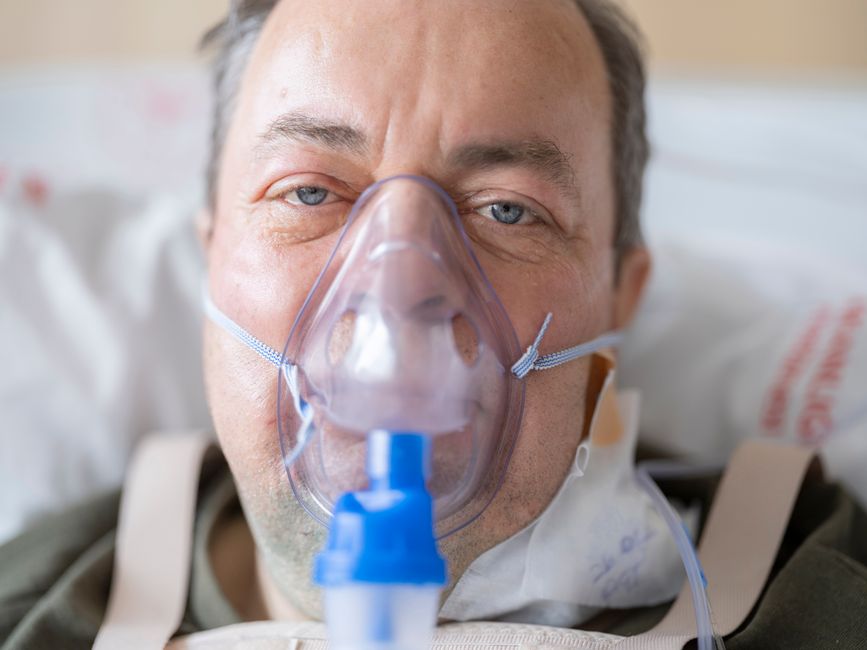
Treatment for prostate conditions is a serious medical intervention, and the recovery period deserves careful attention. How closely you follow the advice after the procedure affects both how quickly you recover and the long-term result. This article covers every stage of rehabilitation: from the first hours to a full return to everyday life.
- Recovery after prostate treatment takes from 2 weeks to 3 months, depending on the type of procedure.
- In the first days it is important to limit physical exertion and keep an eye on urination.
- Diet, fluid intake and follow-up appointments are key parts of a successful recovery.
- Most patients return to work within 1–2 weeks after minimally invasive procedures.
- What prostate treatments are there, and why does it matter for rehabilitation?
- What happens in the first hours after the procedure?
- The first 2–3 days: what needs particular attention?
- When is the catheter removed, and what happens next?
- Diet during recovery: what to eat and what to avoid
- Physical activity after prostate treatment: a step-by-step return to movement
- Sex after prostate treatment: when and how to return to it
- Follow-up after treatment: schedule and what is checked
- Possible complications after prostate treatment: what is normal and what is not?
- When do you need to see a doctor urgently?
- Returning to work after prostate treatment: realistic timescales
- Your emotional state during recovery: why it should not be ignored
- Kegel exercises and pelvic floor rehabilitation after prostate surgery
- Preventing recurrence and keeping your prostate healthy
01What prostate treatments are there, and why does it matter for rehabilitation?
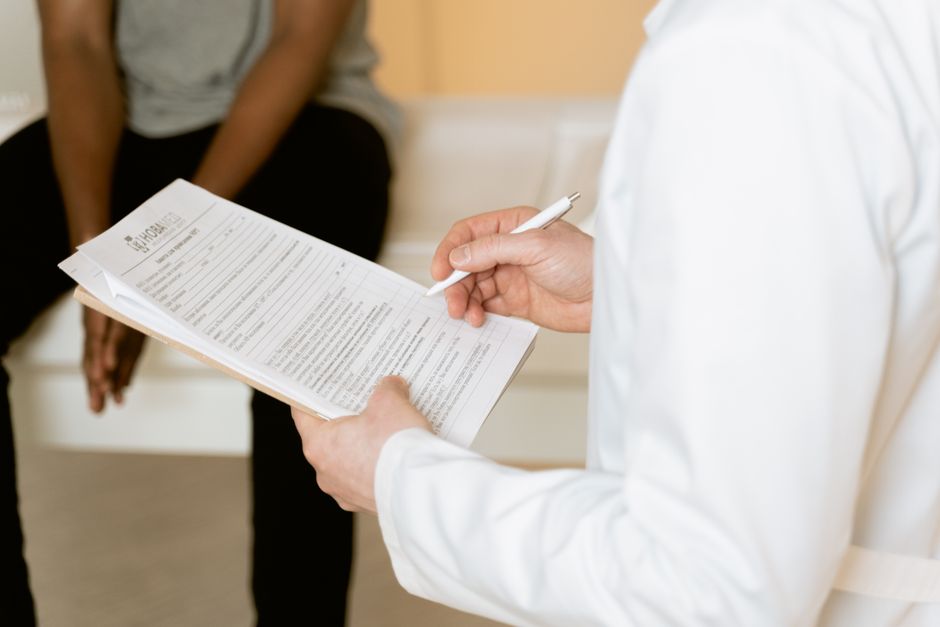
The length and nature of recovery depend directly on which treatment was used. Minimally invasive procedures need a much shorter rehabilitation period than open surgery. So before talking about recovery, it helps to be clear about exactly what was done.
The main methods include:
- TURP (transurethral resection of the prostate): a classic endoscopic operation performed through the urethra and one of the most common treatments for benign prostatic hyperplasia.
- Laser vaporisation or enucleation: a minimally invasive alternative to TURP with minimal blood loss and a shorter rehabilitation period.
- High-intensity focused ultrasound (HIFU): a non-invasive method used mainly for early-stage prostate cancer.
- Radical prostatectomy: complete removal of the prostate by open or laparoscopic surgery, with the longest recovery period.
- Brachytherapy and radiotherapy: cancer treatments with their own rehabilitation specifics.
After the procedure, your doctor gives individual advice based on the specific method, your general health and any other conditions you have. Do not adjust this advice on your own, even if you feel well. The first weeks after treatment are the most important period, and this is when the foundation for the long-term result is laid.
02What happens in the first hours after the procedure?
Immediately after the procedure, you stay in the recovery room or a high-observation unit. Staff monitor your blood pressure, heart rate and general condition. If a general or spinal anaesthetic was used, it wears off gradually over 1–4 hours.
After most endoscopic and surgical procedures on the prostate, a urinary catheter is inserted. It allows urine to drain freely and the bladder to be flushed with saline, which helps prevent blood clots from forming. You may feel a dragging discomfort in the perineum or lower abdomen — a normal tissue reaction to the procedure.
You are allowed out of bed gradually, usually a few hours after surgery and only with a member of staff. Avoid sudden movements, bending and any physical effort. Food in the first hours is light or liquid, depending on the type of anaesthetic and how your digestive system is working. You are advised to start drinking water as early as possible — adequate fluid intake is essential for flushing the kidneys and bladder.
Not sure which clinic to start with?
A MediUkraine coordinator will help you choose a clinic and a doctor for your case, free of charge.
03The first 2–3 days: what needs particular attention?
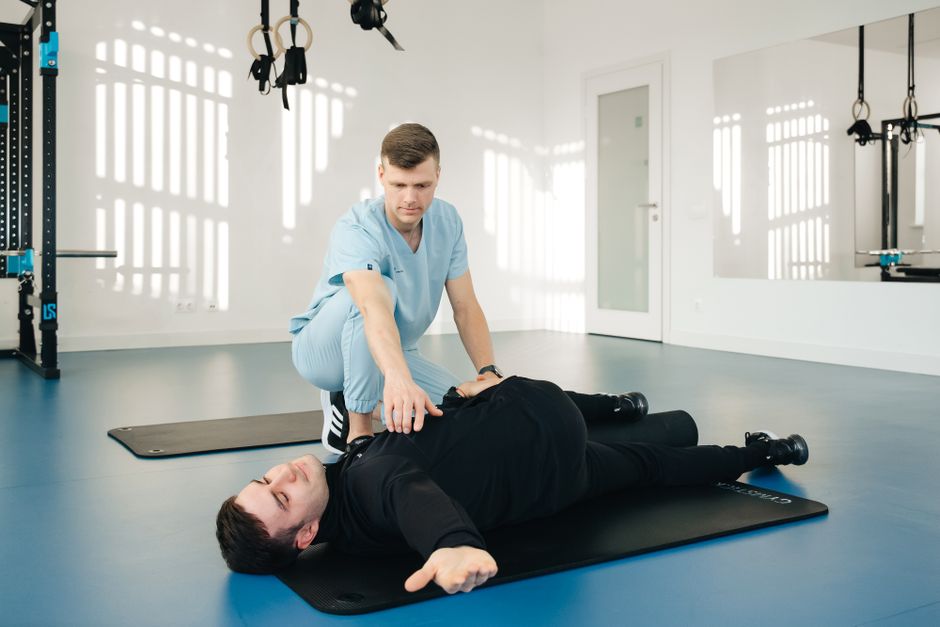
This is the most acute phase of recovery. In most patients the catheter stays in for 1–3 days after TURP or laser treatment. Urine may look pink or reddish — this is normal and is caused by tiny amounts of bleeding in the treated area. The colour should gradually lighten.
Pain after minimally invasive procedures is usually moderate and well controlled with the painkillers prescribed. After open prostatectomy the pain is stronger, so it is important to follow the pain-relief schedule exactly. Do not increase the dose or change medicines on your own.
Keep a close eye on: the amount and colour of your urine, your body temperature and the state of the wound (if there is an incision). Any sudden deterioration — worsening pain, a high temperature, no urine at all — is a reason to tell your doctor straight away. In hospital, nurses check these regularly, but you should also report what you notice.
04When is the catheter removed, and what happens next?
When the catheter comes out depends on the extent of the procedure and how your recovery is going. After TURP and laser methods it is usually on day 1–3. After radical prostatectomy the catheter may stay in for 7–14 days, because the tissues need more time to form a strong join between the bladder and the urethra.
After the catheter is removed, the first time you pass urine may come with burning, a sudden urge or a feeling that your bladder has not emptied fully — temporary effects caused by irritation of the lining. They usually pass within a few days. Frequent trips to the toilet and a little blood in the urine during this time are also within normal limits.
Urinary incontinence after catheter removal is common and expected, especially after prostatectomy. Most patients regain bladder control gradually, over several weeks or months. Kegel exercises prescribed by your doctor or a rehabilitation specialist speed up this process considerably. It is important to start them as early as possible — before you leave hospital.
05Diet during recovery: what to eat and what to avoid
The right diet after prostate treatment is not just a general recommendation but a real way to speed up recovery. Your diet should be balanced, easy to digest and geared towards supporting your urinary system and bowel. Constipation is one of the most common and at the same time most dangerous complications after prostate surgery, because straining raises the pressure in the abdomen.
In the first days, boiled or steamed food is recommended: lean meat, fish, porridge, fermented dairy products and boiled vegetables. After that, gradually widen your diet with an emphasis on fibre: fresh vegetables, fruit, pulses and wholegrain products. Fibre helps keep your bowels regular and prevents constipation.
Significantly limit or cut out completely: spicy food, pickles, fried food, alcohol, coffee and strong tea. These irritate the lining of the bladder and urethra, increase inflammation and speed up your heart rate, which is undesirable during recovery. As for fluids, the optimum is 1.5–2 litres of plain water a day, unless your doctor has advised otherwise.
06Physical activity after prostate treatment: a step-by-step return to movement
Complete immobility after surgery is just as harmful as overexertion. From the first days, doctors recommend short walks along the corridor or around the ward — this stimulates circulation, helps prevent thrombosis and speeds up the recovery of the bowel. The key rule is to go gradually and listen to your body.
After discharge, for the first 2–4 weeks only light walks in the fresh air are recommended. Gradually increase their length — from 10–15 to 30–40 minutes a day. Lifting heavy objects (over 3–5 kg), doing physical housework and playing sport are not allowed during this time.
4–8 weeks after minimally invasive procedures, patients can usually return to moderate exercise: swimming, walking, cycling. After radical prostatectomy this period extends to 2–3 months. Strength training, martial arts and intensive running only with your surgeon’s written permission and after a full assessment. Rushing can lead to bleeding or stitches coming apart.
07Sex after prostate treatment: when and how to return to it
Most patients worry about this, yet many are too embarrassed to ask their doctor. In fact it is an entirely legitimate clinical question, and the answer matters greatly for your quality of life. Recovery of sexual function varies considerably depending on the treatment method.
After TURP and laser procedures, sexual activity is usually allowed after 4–6 weeks. You should be aware of possible retrograde ejaculation — a condition in which semen goes into the bladder during orgasm instead of out of the body. It is not harmful to your health, but after some types of TURP it is irreversible.
After radical prostatectomy, recovering erections is one of the most challenging aspects of rehabilitation. The nerve bundles responsible for erection may be damaged or temporarily injured during surgery. With nerve-sparing techniques, function returns gradually over 6–24 months. Your doctor may prescribe support — PDE5 inhibitors or vacuum devices — to help rehabilitation. It is important not to stay silent about the problem and to seek help.
08Follow-up after treatment: schedule and what is checked
Regular follow-up with your doctor after prostate treatment is an essential part of rehabilitation. Do not skip appointments even if you feel perfectly well: some complications and recurrences develop without symptoms and are only found on examination. Your doctor draws up a follow-up plan individually, but it usually follows a standard structure.
The first check-up is 1–2 weeks after discharge. The doctor assesses healing, checks blood and urine tests and adjusts your medication if needed. The second visit is after 4–6 weeks: bladder function, how well you pass urine and any signs of infection are assessed. Uroflowmetry — measuring the speed of the urine flow — gives an objective picture of how open the urethra is.
After treatment for prostate cancer, regular monitoring of PSA (prostate-specific antigen) levels in the blood is added to the schedule. The first test is 4–6 weeks after treatment, then every 3 months during the first year, and after that as indicated. A rise in PSA after treatment may signal a recurrence and needs a prompt response. Do not put off check-ups — they are there for your safety.
Keep a symptom diary: note how many times a day you pass urine, what it is like and any unusual sensations. This makes your doctor’s job at the follow-up much easier and helps spot any deviation from normal in time.
09Possible complications after prostate treatment: what is normal and what is not?
After any prostate procedure there is a range of temporary and predictable effects, and there are conditions that need medical attention. Being able to tell them apart is an important skill during recovery. It helps you avoid both needless panic and dangerous delay.
Normal temporary effects include: pink or light-red urine in the first 2–7 days, frequent urges to pass urine, mild burning when passing urine, moderate discomfort in the perineum and temporary incontinence after catheter removal. All of these gradually disappear as the tissues heal.
Abnormal signs that need attention include: bright-red blood in the urine with clots, a sharp fall in the amount of urine or no urine at all for more than 6 hours, a temperature above 38°C, marked swelling of the perineum or scrotum, pus from the wound, and sudden, unbearable pain. If any of these appear, contact your doctor straight away or go to the emergency department.
10When do you need to see a doctor urgently?
Even when recovery is going smoothly and predictably, situations can arise that need emergency medical care. You and those close to you should know the warning signs that need an immediate response, without waiting for a scheduled check-up. Delay in these cases can cost you your health or even put your life at risk.
Absolute reasons to seek urgent help are: acute urinary retention (being unable to pass urine for more than 6–8 hours), heavy bleeding with a lot of blood or clots, and a temperature above 38.5°C together with chills and signs of general illness. These may point to an infectious complication, thrombosis or bleeding from the operated area.
Seek help immediately also if you have: sudden pain in the lower back or the side below the ribs (possible pyelonephritis or a blocked ureter), swelling and redness of the legs (signs of deep vein thrombosis), or sudden shortness of breath or chest pain. Do not delay or treat yourself — these conditions need professional assessment and possibly imaging or other tests.
11Returning to work after prostate treatment: realistic timescales
One of the first practical questions patients ask after discharge is when they can go back to work. The answer depends on the type of procedure, the nature of your work and how quickly you recover. General timescales are not enough to go on — the decision is always made together with your doctor.
After minimally invasive procedures (TURP, laser vaporisation, HIFU), people with office or desk-based jobs can usually return within 1–2 weeks. Those whose work involves physical exertion, long periods on their feet or lifting need up to 4–6 weeks off.
After radical prostatectomy — open or laparoscopic — it takes considerably longer: 3–4 weeks for desk jobs and 6 to 12 weeks for physical work. Driving after surgery under general anaesthesia is usually not allowed for at least 2–4 weeks, or until you have stopped taking painkillers and your reactions have fully recovered. If you need a sick note, your doctor can issue one based on your condition.
12Your emotional state during recovery: why it should not be ignored
Recovery after prostate treatment is not only a physical process but a powerful psychological one too. Temporary problems with sexual function, urinary incontinence and changes to your usual routine can cause anxiety, lower self-esteem and even depression. This is especially true for patients treated for cancer.
Studies show that patients who receive psychological support after surgery recover faster and have a better quality of life in the long term. Support can come from a partner, family, a self-help group or a professional psychologist. Do not isolate yourself or keep your feelings to yourself — they are a natural reaction to a serious medical procedure.
If low mood, sleeplessness or anxiety last more than 2–3 weeks, tell your doctor openly. Modern medicine treats mental health as part of overall health and, if needed, offers medication or a referral to a psychotherapist. Health means both physical and psychological wellbeing, and both deserve equal care.
13Kegel exercises and pelvic floor rehabilitation after prostate surgery
Exercises to strengthen the pelvic floor muscles are one of the most effective and accessible tools for recovery after prostate treatment. They help restore bladder control, reduce incontinence and may also support the recovery of erectile function. Start them in hospital as soon as your doctor allows, usually on day 1–2 after the catheter is removed.
Technique: squeeze the muscles you use to stop the flow of urine, hold for 3–5 seconds, then relax for the same time. Repeat 10–15 times — that is one set. Do 3–4 sets a day. Correct technique means not tensing your abdominal, thigh or buttock muscles. If needed, your doctor can refer you to a rehabilitation specialist or pelvic floor physiotherapist.
Kegel exercises do not work straight away — most patients notice the first improvement after 4–8 weeks of regular practice. After prostatectomy, full bladder control returns in most patients within 3–12 months. Regularity and correct technique are decisive. You will find more about the service on MediUkraine — methods and how treatment is organised — on the relevant page.
14Preventing recurrence and keeping your prostate healthy
Successful treatment is only the beginning. To keep the result and prevent the disease from coming back or progressing, you need to follow certain rules for life. Prevention matters just as much as the treatment itself, and this is confirmed by clinical research.
The key elements of prevention are: regular check-ups with a urologist (at least once a year), PSA monitoring for patients treated for prostate cancer, a healthy diet with limited animal fat and red meat, at least 150 minutes of physical activity a week, and keeping to a healthy weight. Obesity and a sedentary lifestyle are established risk factors for prostate disease.
Pay particular attention to stopping smoking and keeping alcohol to a minimum. Tobacco smoke contains carcinogens that harm prostate tissue, while alcohol irritates the bladder and disrupts hormonal balance. A regular sex life may also support the health of the gland. Most importantly, do not ignore warning symptoms — problems passing urine, blood in the urine, pain in the perineum — and do not put off seeing a doctor.
MediUkraine can arrange your treatment and rehabilitation at the EXPERT medical network in Uzhhorod. The clinic’s team communicates with international patients in English. Contact us for a consultation in whatever way suits you.
15Frequently asked questions
How long does full recovery after prostate surgery take?+
It depends on the treatment method: after minimally invasive procedures, 2–4 weeks until you are back to your normal routine; after radical prostatectomy, 2 to 6 months. Recovery of sexual function can take up to 12–24 months.
Is it normal to have urinary incontinence after the catheter is removed?+
Yes, it is common and expected after prostate surgery, especially after prostatectomy. Most patients regain bladder control within a few weeks or months — regular Kegel exercises speed up this process considerably.
When can you have sex after prostate treatment?+
After endoscopic and laser procedures, usually after 4–6 weeks; after radical prostatectomy, only with your doctor’s individual permission and no sooner than 6–8 weeks. Erectile function may return gradually, and your doctor may prescribe supportive treatment.
What foods are best during recovery?+
Lean protein, boiled vegetables, wholegrain products, fermented dairy and plenty of plain water — at least 1.5 litres a day — are recommended. Avoid spicy and fried food, alcohol, coffee and pickles, which irritate the lining of the urinary tract.