
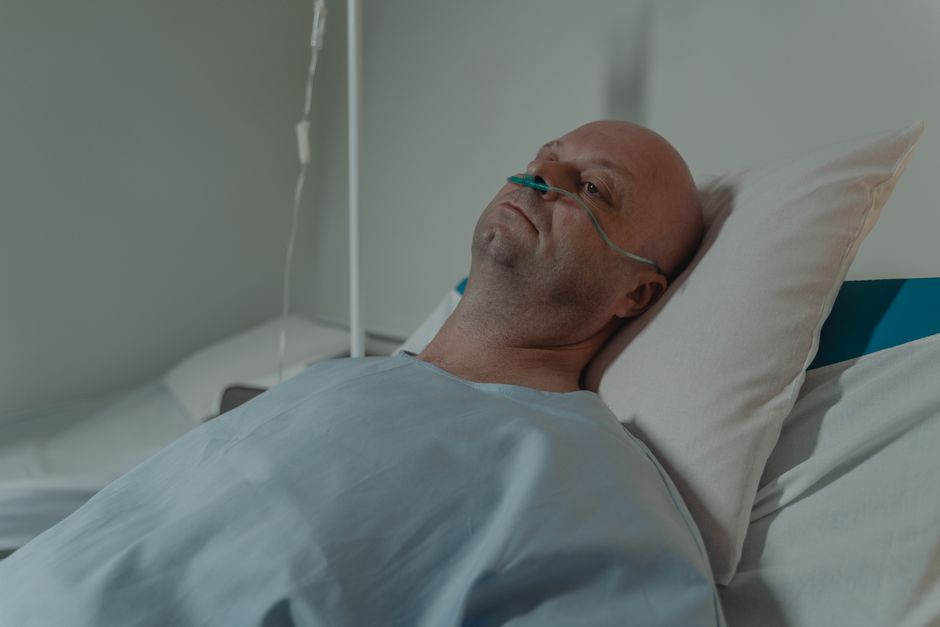
Laser removal of a prostate adenoma (benign prostatic hyperplasia) is a minimally invasive operation, and patients recover from it much faster than from open surgery. Even so, rehabilitation needs attention, close adherence to the advice you are given and an understanding of what is normal and what is a reason to see a doctor. In this article we go through the whole recovery process — by days, weeks and months.
- The catheter is removed 1–3 days after the operation, after which most patients are discharged home.
- Full recovery of urination takes from 4 to 12 weeks, depending on the extent of the procedure.
- Light physical activity is allowed after 1–2 weeks; heavy exertion no sooner than 4–6 weeks.
- Follow-up with a urologist is essential at 4–6 weeks and at 3 months after the operation.
- What happens in the first hours after the operation?
- The first day: what to expect in hospital
- When is the catheter removed, and how will you feel afterwards?
- The first week at home: routine and restrictions
- Diet during recovery: what to eat and what to avoid
- Physical activity: when and how much?
- Returning to work: when is it realistic?
- Sex after the operation: when can you resume it?
- Follow-up appointments: when and why see the doctor?
- Possible complications after the operation: what is normal and what is not?
- When do you need urgent medical help?
- How long does full recovery take?
- Preventing recurrence: how to maintain the result of the operation
- The psychological side of recovery: why does it matter?
01What happens in the first hours after the operation?
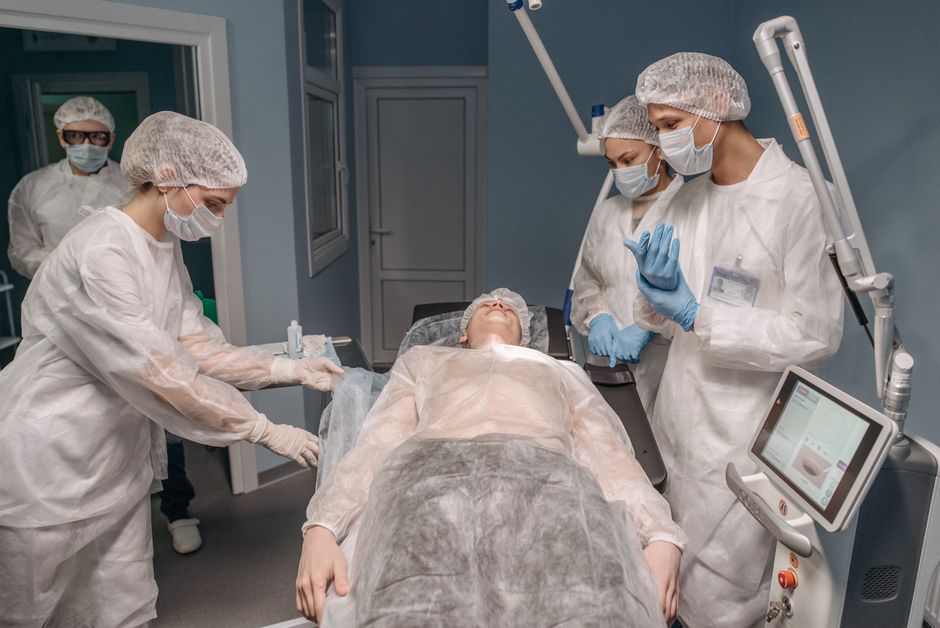
When the laser procedure is over, you are moved to the recovery room or a ward. The operation is done under spinal or general anaesthesia, so for the first 2–4 hours you may feel weak, dizzy and slightly nauseous — a normal reaction to the anaesthetic.
A urethral catheter is placed in the bladder. Urine drains through it and may look pink or reddish because of tiny areas of tissue damage from the laser. Slight haematuria (blood in the urine) in the first hours is expected and does not indicate a complication.
To flush the bladder and remove clots, an irrigation system is often set up — saline is slowly passed through the catheter. This helps prevent blockage and reduce inflammation. You will be advised to drink enough fluids and avoid sudden movements.
In the first hours, tell the staff about any marked abdominal pain or a sudden increase in bleeding. Discomfort around the catheter, mild burning and a feeling of pressure are normal sensations that pass as the anaesthetic wears off.
02The first day: what to expect in hospital

You spend the first day after the procedure under medical supervision. The doctor monitors your blood pressure, temperature, what is draining through the catheter and your general condition. Most patients can walk around the ward unaided within 4–6 hours of the operation.
Food on the first day is light: broth, yoghurt, boiled vegetables. Drinking enough fluids (1.5–2 litres a day) speeds up the natural flushing of the urinary tract and reduces the risk of inflammation. Alcohol, coffee and fizzy drinks are strictly off-limits during this period.
The catheter stays in for 1 to 3 days, depending on how much tissue was removed and your individual circumstances. In some clinics, after minimal procedures, the catheter is removed the very next morning and the team checks straight away whether you can pass urine on your own.
Pain in the first 24 hours is controlled with painkillers prescribed by the doctor. Do not change the dose or take other medicines without agreeing it first — this can mask symptoms and make it harder to assess your condition.
Not sure which clinic to start with?
A MediUkraine coordinator will help you choose a clinic and a doctor for your case, free of charge.
03When is the catheter removed, and how will you feel afterwards?
Catheter removal is an important moment in recovery. It takes a few seconds and causes brief discomfort, but not sharp pain. After the catheter is out, urination may be difficult to control, frequent or, on the contrary, difficult — all of which are within normal limits for the first hours.
Most men notice a sudden urge, leakage or burning when passing urine on the first day without the catheter. This is due to swelling of the urethral tissue and temporary irritation of the lining. It gradually eases over 1–2 weeks.
The risk of temporary urinary incontinence after laser removal of a prostate adenoma is lower than after radical prostatectomy, but it does exist. Your doctor may recommend Kegel exercises — contractions of the pelvic floor muscles — which strengthen the sphincter and help you regain bladder control sooner.
If you cannot pass urine at all within 4–6 hours of catheter removal, tell your doctor immediately. Acute urinary retention needs re-catheterisation and an assessment of the cause.
04The first week at home: routine and restrictions
After discharge — usually on day 1–3 after the operation — you go home. The key task this week is to protect yourself from infection, reduce tissue swelling and give the treated area time to heal.
For the first 7 days, limit physical activity: do not lift anything heavier than 3–5 kg, avoid long walks and do not drive on the first day after discharge. A quiet routine at home is best: short walks around the house are helpful and help prevent blood clots.
Continue taking antibiotics and anti-inflammatory medicines at home as your doctor has prescribed. Do not stop the course early, even if you feel better: incomplete treatment increases the risk of infection in the prostatic cavity. Blood in the urine may persist for up to 2–3 weeks — moderate haematuria during this period is normal.
Fluid intake remains important: 1.5–2.5 litres of plain water a day helps flush the urinary system naturally. Avoid getting cold, and do not use a steam bath, sauna or swimming pool for the first 4 weeks after the operation.
05Diet during recovery: what to eat and what to avoid
A good diet during rehabilitation supports your immune system, reduces inflammation and keeps your bowels working normally — because straining on the toilet raises pressure in the pelvis and can increase bleeding.
For the first 2–3 weeks your diet should be light: lean meat, steamed fish, baked or boiled vegetables, fermented dairy products and wholegrain porridge. Fibre from fruit and vegetables keeps the bowels moving and prevents constipation — the most common problem after any surgery combined with reduced activity.
What to avoid completely:
- Alcohol: dilates blood vessels, increases the risk of bleeding and interacts with antibiotics.
- Spicy and heavily seasoned food: irritates the lining of the bladder and urethra.
- Coffee and strong tea: have a diuretic and irritant effect.
- Fizzy drinks: increase bloating and raise pressure inside the abdomen.
If antibiotics upset your gut flora (diarrhoea, bloating), the doctor may prescribe probiotics. Do not choose them yourself — some products are incompatible with antibiotics.
06Physical activity: when and how much?
Complete rest after laser removal of a prostate adenoma is not the best strategy. Early moderate mobility reduces the risk of blood clots and speeds up overall recovery. But there is a big difference between “moving” and “straining”.
For the first two weeks you may walk slowly for up to 1–2 km, do light housework (without heavy lifting) and climb stairs at a moderate pace. Sexual activity is ruled out completely during this period — ejaculation increases pressure on the operated area and can trigger bleeding.
From week 3–4, if you feel well and your follow-up urine test is normal, you can gradually make your walks longer. Light therapeutic exercise, swimming in an indoor pool (once the lining has healed) and cycling are allowed after about 6–8 weeks.
Heavy physical exertion, strength training, long bike rides and any activity that significantly raises pressure inside the abdomen are allowed no sooner than 6–8 weeks and only with your doctor’s permission. Rushing can lead to renewed bleeding.
07Returning to work: when is it realistic?
When you can return to work depends on the nature of your job and your individual pace of recovery. People with desk-based jobs can usually go back within 1–2 weeks of the operation, provided they feel well and there are no complications.
If your work involves physical exertion, heavy lifting, long periods standing or vibration (driving a lorry, operating machinery), the rehabilitation period extends to 4–6 weeks. Returning to this kind of work early without your doctor’s permission significantly increases the risk of complications.
It is important to discuss your specific working conditions with the surgeon before discharge. The doctor can issue a certificate or sick note for the period you need — do not cut it short because the time off seems “unnecessary”. The health of your prostate and urinary system matters more than short-term work commitments.
Computer or administrative work from home is acceptable from the first week after discharge if you feel well enough and have no pain when sitting comfortably.
08Sex after the operation: when can you resume it?
This is one of the questions patients ask most often — and quite rightly. After laser removal of a prostate adenoma, sexual activity can usually be resumed no sooner than 4–6 weeks after the operation. The exact timing is decided by the doctor after a follow-up examination.
A common consequence of the operation is retrograde ejaculation: during orgasm, semen goes into the bladder instead of out of the body. It is not harmful to your health and does not affect the quality of orgasm, but it can cause infertility. Patients are always warned about this in advance.
In the vast majority of cases, erectile function is preserved after laser surgery. A temporary drop in libido or potency in the first weeks after the operation is linked to the stress on the body, medication and psychological strain, and usually passes on its own.
If erectile dysfunction persists for more than 2–3 months after the operation, consult a urologist or andrologist. Effective treatments exist, and there is no point in delaying them.
09Follow-up appointments: when and why see the doctor?
Regular follow-up after laser removal of a prostate adenoma is an essential part of rehabilitation, not a formality. It is these appointments that allow possible complications to be detected in time and the effectiveness of treatment to be assessed.
The standard follow-up schedule is: the first check-up 1–2 weeks after discharge (general condition, urine test), the second after 4–6 weeks (urination check, ultrasound), and the third after 3 months (PSA level, uroflowmetry). After that, once a year.
At each appointment the doctor assesses the strength and pattern of the urine stream, any urine left in the bladder and the level of prostate-specific antigen. A rise in PSA after the operation needs careful analysis and is not always a cause for alarm — results can be temporarily distorted shortly after the procedure.
Do not skip scheduled visits even if you feel well. Some complications (for example, scar narrowing of the urethra) develop gradually and cause no pain in the early stages — they can only be detected on examination.
Keep a bladder diary for the first 4–6 weeks after the operation: note how often you pass urine, what the urges are like and any discomfort. This information will greatly help your doctor assess your progress at the follow-up appointment.
10Possible complications after the operation: what is normal and what is not?
Laser removal of a prostate adenoma is considered a safe method of treating benign prostatic hyperplasia, but like any surgery it carries certain risks. Understanding what is normal and what is not helps you seek help in time.
Normal effects in the first weeks:
- Pink or light-red urine: moderate haematuria may persist for up to 2–3 weeks after the operation.
- Frequent urination: tissue swelling reduces bladder capacity — this is temporary.
- Mild burning when passing urine: a reaction of the lining to the procedure that passes within 1–2 weeks.
- Leakage on straining: temporary stress incontinence that disappears within 4–8 weeks.
Complications that need a doctor’s assessment:
- Urinary tract infection: high temperature, sharp pain when passing urine, cloudy urine with an unpleasant smell.
- Urethral stricture (scarring): a gradual weakening of the urine stream a few months after the operation.
- Urinary retention: being unable to pass urine on your own — needs urgent catheterisation.
Overall, the rate of serious complications after laser removal of a prostate adenoma is lower than after conventional transurethral resection. Even so, never ignore warning symptoms.
11When do you need urgent medical help?
Some symptoms after the operation are a signal to seek help urgently — not at a scheduled appointment, but as an emergency. It is important that you and those close to you know them clearly.
See a doctor immediately if, after discharge, you have: a sudden increase in bleeding in the urine (bright-red urine or blood clots blocking the catheter), no urination at all for more than 4–6 hours, a temperature above 38°C with chills, severe pain in the abdomen or perineum, a sharp drop in blood pressure, dizziness or fainting.
Self-treatment in these situations is unacceptable. Home remedies, hot-water bottles and taking painkillers on your own all waste precious time and can turn a manageable situation into a surgical emergency.
Find out in advance the phone number of the on-call urologist or the admissions department of the clinic where you had the operation. Write these contacts down and keep them to hand throughout the rehabilitation period.
12How long does full recovery take?
The question “when will I be fully recovered?” has no single answer — recovery time depends on how much tissue was removed, the type of laser used (holmium, thulium, diode), your general health and any other conditions you have.
Approximate timescales are: the first 2 weeks — active rehabilitation with limited activity; 3–6 weeks — a gradual return to your normal routine; 2–3 months — urination returns to normal and the results of the operation stabilise. Complete tissue healing and final formation of the treated area take around 3–6 months.
For most men, urination improves considerably within 4–8 weeks of the operation — hesitancy disappears, night-time trips to the toilet become less frequent and the stream gets stronger. These are the results the treatment is done for, and proper rehabilitation helps you achieve them sooner.
If lower urinary tract symptoms persist or even get worse 3 months after the operation, this is a reason for an unscheduled check-up and possibly further tests. You can find out more about the procedure and its options here: more about the service on MediUkraine.
13Preventing recurrence: how to maintain the result of the operation
Laser removal deals with existing hyperplasia but does not rule out further growth of prostate tissue — hormonal and age-related factors do not go away. That is why prevention aimed at slowing recurrence matters after the operation.
Regular follow-up with a urologist (an annual check-up, PSA monitoring, ultrasound) makes it possible to spot renewed enlargement of the gland in time. For some patients the doctor prescribes medication — alpha-1 blockers or 5-alpha-reductase inhibitors — to help maintain a stable result.
Lifestyle matters directly:
- A balanced diet: less red meat and saturated fat, more vegetables, pulses and fish.
- Regular physical activity: walking, swimming and moderate aerobic exercise help reduce inflammation.
- Stopping smoking: nicotine impairs blood supply to the tissues and slows healing.
- Weight control: obesity raises oestrogen levels, which stimulates the growth of prostate tissue.
A regular sex life, good sleep and avoiding sitting in one position for long periods may also support prostate health in the long term. The result of the operation depends to a large extent on how you look after yourself after discharge.
14The psychological side of recovery: why does it matter?
A patient’s emotional state after surgery is often underestimated — wrongly. Anxiety about urination, worry about temporary incontinence or changes in your sex life can significantly affect recovery and even disturb your sleep.
Temporary functional problems after the operation — incontinence, frequent urges, retrograde ejaculation — are predictable and in most cases pass. But if you do not realise this and treat every symptom as a disaster, stress increases tension in the pelvic floor muscles and reflexively makes urination worse.
Talking openly with your doctor about what worries you is the most effective way to reduce anxiety. Do not hesitate to ask: “Is this normal?”, “When will it pass?”, “What should I do if…?” — that is exactly what the medical team is there for. Support from those close to you also plays an important part in a full recovery.
If marked anxiety, low mood or sleeplessness last more than 2–3 weeks after the operation, consider seeing a psychotherapist or psychiatrist. This is not “weakness” but a sensible approach to your health in the broadest sense.
MediUkraine can arrange treatment for prostate adenoma at the EXPERT medical network in Uzhhorod and provide full support — from the first consultation to follow-up during rehabilitation. The clinic’s team communicates with international patients in English.
15Frequently asked questions
How many days do you need to stay in hospital after the operation?+
Most patients stay in hospital for 1 to 3 days — until the catheter is removed and it is confirmed that they can pass urine on their own. If there are no complications, discharge is on the second or third day after the operation.
Will laser prostate adenoma removal be painful?+
Severe pain is unusual with this type of procedure. Patients feel discomfort around the catheter, mild burning when passing urine and heaviness in the perineum — this is controlled with standard painkillers and passes within the first week.
When can you have sex after the operation?+
Sexual activity can be resumed no sooner than 4–6 weeks after the operation — after a follow-up examination and with your doctor’s permission. Be prepared for possible retrograde ejaculation, which is an expected consequence of the procedure and not a disorder.
Can a prostate adenoma grow back after laser removal?+
Recurrence is theoretically possible, as the hormonal factors that stimulate growth of the gland remain. However, with an adequate extent of surgery and regular follow-up with a urologist, the risk of significant recurrence within the first 10 years is low.




