
Polycystic ovary syndrome is a chronic condition that needs not only treatment but also a well-managed recovery afterwards. Whether you have chosen medication, a minimally invasive procedure or surgery, the recovery stage shapes how good and how lasting the result will be. This article explains what to expect at each stage and how to support your recovery safely.
- Recovery depends on the treatment method: medication, laparoscopy or a combination, and each has its own protocol.
- The first 48 hours after any procedure call for limited physical activity and watching for symptoms.
- Diet, sleep and moderate activity have a significant effect on hormones during recovery.
- Follow-up appointments are essential: PCOS is a chronic condition, and without monitoring the result can quickly be lost.
- What happens in the body straight after treatment?
- The first 24–48 hours: what is allowed and what is strictly off limits?
- Pain after the procedure: normal or a cause for concern?
- Diet during recovery: what to eat and what to avoid
- Physical activity after PCOS treatment: when and what kind?
- The return of your menstrual cycle: what to expect
- Your emotional state during recovery: why it matters
- Follow-up appointments after treatment: when and why?
- Possible complications and how to recognise them
- When do you need to see a doctor urgently?
- Returning to work: when is it realistic?
- Sex and planning a pregnancy after treatment
- Preventing PCOS symptoms from coming back
- Vitamins and supplements during recovery: what really helps?
- Sleep and daily routine as part of treatment
01What happens in the body straight after treatment?
In the first hours after a procedure, especially laparoscopic ovarian drilling or other minimally invasive surgery, the body goes through a stress response. Stress hormones rise temporarily, and you may have a slight rise in body temperature to 37.2–37.5 °C. This is a physiological reaction, not a sign of a complication.
After treatment with medication (ovulation induction, metformin or anti-androgens), there are usually no sudden changes in how you feel. However, the first month is considered a period of adjustment: the body is rebalancing its hormones, and PCOS symptoms may temporarily get worse before they settle.
If the procedure was done under general anaesthetic, you may feel nauseous, dizzy and drowsy for a few hours after waking up. It is important to stay in the recovery room under the supervision of medical staff, not to rush to get up, and not to eat until you are fully alert.
On the first day after surgery, you may also feel pain in your shoulders and collarbones. This is caused by residual carbon dioxide, the gas used to inflate the abdomen during laparoscopy. It is absorbed on its own within 24–48 hours and needs no special treatment.
02The first 24–48 hours: what is allowed and what is strictly off limits?
For the first two days after any type of PCOS treatment, rest is the priority. After laparoscopy, you usually stay in hospital for anywhere from a few hours to one day, depending on the extent of the procedure. During this time, do not drive, lift anything heavier than 3 kg or drink alcohol.
Once you are home, rest in bed or semi-bed rest is recommended. Walking slowly around your home is allowed and even helpful for preventing thrombosis. Avoid standing for long periods, bending and sudden movements.
With medication the restrictions are less strict, but even so, the first 48 hours of a metformin course are often accompanied by digestive upset such as nausea and diarrhoea. During this time it is better to stay at home, avoid demanding trips and avoid heavy food.
Sex is off limits for the first two days, whatever the treatment method. This minimises the risk of infection and mechanical irritation of the pelvic organs. Your doctor will give you more precise time frames at discharge, based on your individual situation.
Not sure which clinic to start with?
A MediUkraine coordinator will help you choose a clinic and a doctor for your case, free of charge.
03Pain after the procedure: normal or a cause for concern?

A moderate dull ache in the lower abdomen after laparoscopic surgery is normal. It is usually rated at 3–5 out of 10 and is controlled with painkillers prescribed by your doctor. In most cases, ibuprofen or paracetamol at standard doses relieves the discomfort effectively.
After ovulation induction with medication, women often feel a dragging pain in the area of the ovaries. This is a reaction to follicle activity. If the pain is mild and passes on its own within a few hours, there is no need to worry.
Warning signs include sharp, unbearable pain that painkillers do not relieve, a sudden deterioration in your general condition, a temperature above 38 °C or marked bloating. These symptoms need urgent medical attention or an ambulance.
Do not self-medicate or take additional medicines without agreeing this with your doctor. Some painkillers, including aspirin, can increase bleeding and interfere with tissue healing after surgery.
04Diet during recovery: what to eat and what to avoid
The right diet is one of the key tools for recovery with PCOS, as the condition is closely linked to insulin resistance. During recovery, your diet should follow low-glycaemic principles: complex carbohydrates and enough protein and healthy fats.
Recommended foods: wholegrains (buckwheat, quinoa, oats), pulses, leafy greens, fish, eggs, nuts, avocado and olive oil. These foods help keep blood sugar steady and reduce systemic inflammation, which is often raised in PCOS.
Cut out or sharply limit sugar and anything containing it, white flour, sugary drinks, alcohol, fast food and ultra-processed food. After laparoscopy, heavy food is also avoided for the first 2–3 days: liquid and puréed dishes are preferred.
Eating little and often, 4–5 small meals a day, helps to avoid insulin spikes and eases the load on the digestive system after surgery. Drinking enough fluid (1.5–2 litres of plain water a day) helps clear breakdown products and supports metabolism.
05Physical activity after PCOS treatment: when and what kind?
After a laparoscopic procedure, physical activity for the first 7–10 days is limited to walking at a moderate pace. No gym equipment, running, yoga with inversions or lifting. This rule applies even to women who were very active before surgery.
From the second or third week, if there are no complications and your doctor agrees, you can gradually add gentle therapeutic exercise, stretching and outdoor walks of 20–30 minutes. These types of activity improve blood flow in the pelvis and support tissue healing.
With medication-only treatment, physical activity is not only allowed but recommended from day one. Moderate aerobic exercise such as walking, swimming and cycling increases the body’s sensitivity to insulin and can significantly improve the outlook in PCOS. The recommended minimum is 150 minutes a week.
Strength training and intense cardio after surgery are allowed no earlier than 4–6 weeks after the procedure, and only once a follow-up ultrasound has confirmed full healing.
06The return of your menstrual cycle: what to expect
One of the main goals of PCOS treatment is a regular menstrual cycle. However, this returns gradually and not always straight after the main treatment ends. After laparoscopic ovarian drilling, the first period may come after 4–8 weeks.
The first 2–3 cycles after treatment are often irregular and may vary in length and heaviness. This is not a disorder but part of the hormonal reset. Keep a menstrual diary and note any changes for your doctor.
If treatment included hormonal medicines, your cycle may settle within the first month. After stopping oral contraceptives, which are often used to treat PCOS, the cycle may remain unstable for another 3–6 months, and this is also normal.
No period for more than 3 months after the end of treatment, or sharp pain during the first cycle after the procedure, is a reason for an unscheduled visit to your gynaecologist. Change hormonal medicines only as agreed with the doctor who prescribed them.
07Your emotional state during recovery: why it matters
PCOS is often accompanied by anxiety, low self-esteem and low mood, even before treatment. Hormonal changes during and immediately after treatment can temporarily make emotions less stable. This is not a weakness but a physiological reaction to changing hormone levels.
Support from loved ones during recovery is extremely important. You may experience mood swings, tearfulness or irritability. It helps when the people around you understand where these feelings come from and do not dismiss them as whims.
Psychological support, whether cognitive behavioural therapy or simply regular sessions with a psychologist, can help you stick to treatment and lower stress, which matters for hormone balance in PCOS. Do not dismiss this part of recovery as optional.
Stress management techniques such as meditation, breathing exercises and walks in nature are useful in their own right, not just calming. Chronic stress raises androgen levels, which makes PCOS worse, so reducing it is part of the treatment plan.
Keeping a wellbeing diary during recovery is a simple but effective tool: write down your pain level, mood, the nature of any discharge and how you react to food. These notes will be invaluable at your next doctor’s appointment.
08Follow-up appointments after treatment: when and why?
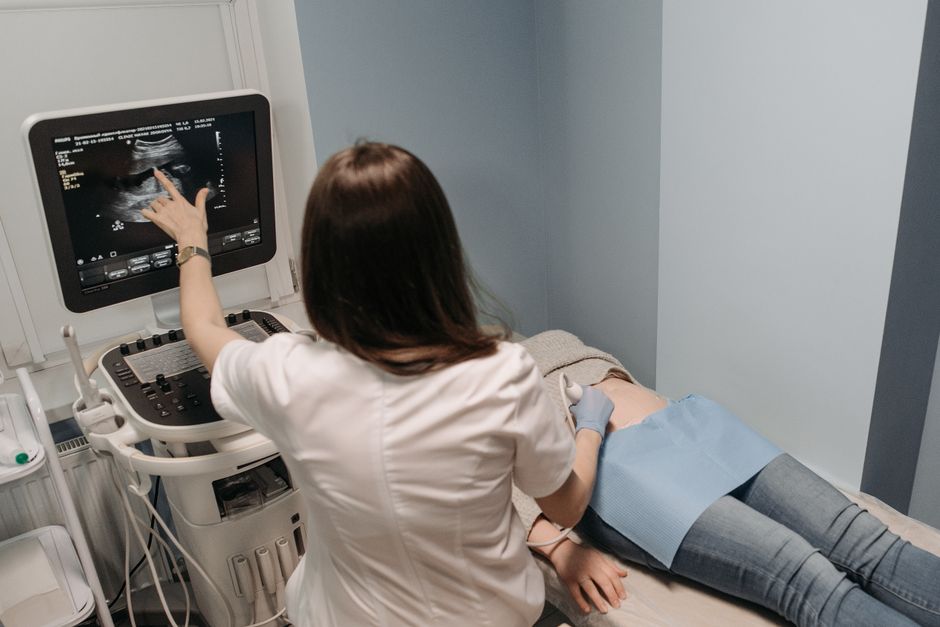
A follow-up appointment after laparoscopic surgery is scheduled 7–14 days after the operation. The doctor checks the stitches, carries out a gynaecological examination and, if needed, a pelvic ultrasound. This is an essential step that should not be skipped, even if you feel well.
Three months after treatment, a detailed hormone panel is done: LH, FSH, testosterone, fasting insulin and AMH. These results show how effective the treatment has really been and help to adjust the next steps.
An ovarian ultrasound is done 3–6 months after treatment to assess the structure of the ovaries. Fewer and smaller cysts and a return of normal follicle development are direct markers of successful treatment. If you are planning a pregnancy, this scan is the starting point for what comes next.
With medication, follow-up appointments are more frequent, monthly during the active phase of treatment. This allows ovarian hyperstimulation and other side effects to be picked up in time and the dose or regimen to be adjusted.
09Possible complications and how to recognise them
Laparoscopy for PCOS is considered a safe operation, but like any surgery it carries certain risks. The most common complications are wound infection, bleeding inside the abdomen and the formation of pelvic adhesions. The rate of serious complications is low, no more than 1–2%.
Signs of possible bleeding: a sudden drop in blood pressure, a fast pulse, pallor, a cold sweat and increasing abdominal pain. If you notice at least two of these symptoms, call an ambulance immediately.
Signs of infection: redness and discharge from a wound, a temperature above 38 °C, chills, and pain that gets worse on day 3–4 after surgery instead of easing. In this case, see the surgeon: you may need a course of antibiotics.
With ovulation induction medication, the main complication is ovarian hyperstimulation syndrome (OHSS). It shows up as rapid swelling of the abdomen, shortness of breath, passing less urine and severe pain. Severe OHSS requires hospital admission and is an emergency.
10When do you need to see a doctor urgently?
Some symptoms make it dangerous to delay seeing a doctor even by a few hours. First and foremost: sharp, unbearable abdominal pain that comes on suddenly and does not respond to standard pain relief. This may indicate ovarian torsion, internal bleeding or a ruptured cyst.
A high temperature (above 38.5 °C) that lasts more than 24 hours after surgery and does not come down with fever-reducing medicine is a sign of a systemic infection. Without prompt treatment, it can progress to sepsis.
A sudden deterioration in your general condition, such as weakness, pallor, fainting, or vaginal bleeding heavier than a heavy period, needs emergency medical help. Do not wait until the morning or “give it another day”.
Swelling and redness of the legs, especially on one side, together with calf pain, may be symptoms of deep vein thrombosis. This is a rare but dangerous complication that occurs mainly in women who are overweight and after long periods of immobility after surgery.
11Returning to work: when is it realistic?
When you can return to work depends on the kind of work you do and the treatment method. After laparoscopy, most women with desk jobs return to their usual routine after 5–10 days. Some feel well enough to work remotely after a week.
If your work involves physical exertion, lifting, standing for long periods or difficult conditions, the time off increases to 3–4 weeks. Overexertion too early increases the risk of adhesions and slows tissue healing.
With medication alone, without surgery, you can return to work the day after starting treatment if you feel well enough. If the side effects of the medicines are marked, however, it is worth taking 2–3 days off to adjust.
After laparoscopic surgery, a sick note usually covers 10–14 days. If needed, it can be extended after a follow-up appointment. Do not go back to work early because of outside pressure: a full recovery saves you more lost time and health in the future.
12Sex and planning a pregnancy after treatment
After laparoscopic treatment for PCOS, sex is allowed no earlier than 4–6 weeks after surgery, and only once healing has been confirmed at a follow-up appointment. Resuming sex too early increases the risk of infection and mechanical damage to tissues that have not yet healed.
If the aim of treatment was to restore fertility, it is recommended to start actively trying for a pregnancy no earlier than 3 months after surgery. This is the time it takes for ovulation to return to normal and for hormones to stabilise. Trying to conceive earlier is not forbidden, but it is less likely to succeed.
Women who are not planning a pregnancy in the near future are usually prescribed contraception after PCOS treatment, either the pill or a hormonal intrauterine system. This does not conflict with treatment; it helps to maintain the result achieved.
You can find out more about how treatment and recovery for this condition are organised on our page about PCOS treatment with MediUkraine, which brings together up-to-date information on approaches and options.
13Preventing PCOS symptoms from coming back
PCOS is a chronic condition that cannot be “cured for good” with a single procedure. Treatment relieves symptoms and improves quality of life, but without the right lifestyle, the symptoms return. Recovery therefore moves smoothly into long-term prevention.
Weight management is one of the most effective preventive tools. In women who are overweight, losing even 5–10% of body weight significantly improves insulin sensitivity and can restore ovulation. The goal is not weight loss for the sake of appearance but a healthier metabolism.
Regular physical activity (at least 150 minutes a week), a low-glycaemic diet, not smoking and managing stress are not just “advice for everyone” but specific therapeutic measures in PCOS. Their effectiveness is supported by clinical research.
Regular monitoring, with hormone and insulin tests and an ovarian ultrasound every 6–12 months, makes it possible to spot returning symptoms early and adjust treatment before they become clinically significant. PCOS can be well controlled with a consistent approach.
14Vitamins and supplements during recovery: what really helps?
Several nutrients have evidence behind them in PCOS and may be useful during recovery. Inositol (especially a combination of myo-inositol and D-chiro-inositol) may improve insulin sensitivity, support ovulation and lower androgen levels. It is widely used in Europe as a supportive therapy.
Vitamin D is often low in women with PCOS, and correcting it can benefit hormones and overall metabolism. Before you start taking it, have your blood level of 25-OH-D measured so that a suitable dose can be chosen. Do not take high doses without a test.
Omega-3 fatty acids reduce systemic inflammation, lower triglycerides and may improve insulin sensitivity. They are generally well tolerated and often recommended for women with PCOS as part of basic supportive care.
Magnesium, zinc and N-acetylcysteine have also shown positive effects in clinical studies. However, any supplements should be agreed with your doctor: some may interact with prescribed medicines or be unnecessary if your test results are normal.
15Sleep and daily routine as part of treatment
The quality and length of your sleep have a direct effect on hormone balance in PCOS. Lack of sleep raises cortisol and lowers insulin sensitivity, two mechanisms that directly make the syndrome worse. During recovery, this is especially important.
The ideal amount of night-time sleep is 7–9 hours. It is best to fall asleep before 23:00, as growth hormone and other regulatory hormones are released most intensively in the first hours of night-time sleep. Insomnia or a shifted sleep schedule disrupts this process.
A daily routine, with regular meals, walks at the same time each day and a steady sleep schedule, reduces stress on the body and supports circadian rhythms. For women with PCOS, a stable routine is part of the treatment plan, not just general wellbeing advice.
Devices and bright light before bed suppress melatonin, which reduces the quality of your rest. Try to switch off screens an hour before bed and air the room: cool air helps you sleep more deeply and restfully.
MediUkraine can arrange PCOS treatment tailored to your situation at the EXPERT medical network in Uzhhorod, whose team communicates with international patients in English. We support you at every stage, from the first consultation to the follow-up appointment after recovery.
16Frequently asked questions
How long does full recovery after laparoscopy for PCOS take?+
Physical recovery after laparoscopic ovarian drilling takes 2–4 weeks on average. Hormonal balance and a regular cycle may take 3–6 months to return, depending on your starting point.
Can PCOS come back after treatment?+
Yes, because PCOS is a chronic condition. Treatment relieves symptoms and improves fertility, but without a supportive lifestyle (a healthy diet, physical activity and regular monitoring) symptoms can return.
When can I start planning a pregnancy after PCOS treatment?+
Actively trying for a pregnancy is usually recommended from 3 months after laparoscopic treatment. This is the time needed for ovulation and hormones to stabilise. Your doctor will set the exact timing individually.
Do I need a special diet during recovery after PCOS treatment?+
Yes. A low-glycaemic diet is recommended: complex carbohydrates, protein and healthy fats. Cut out sugar, white flour and alcohol. In the first days after laparoscopy, light puréed food is preferred.




