
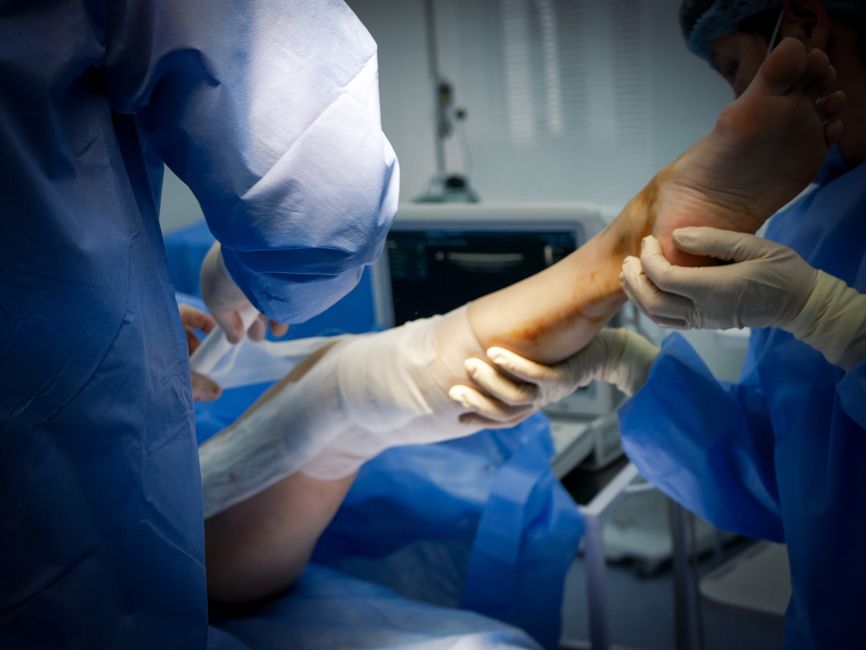
A meniscus tear is one of the most common knee injuries, and it needs not only good treatment but also well-planned rehabilitation. How the recovery period goes largely determines how well your knee will work in the future. This article explains what happens after surgery, what to expect at each stage and how to avoid complications.
- Rehabilitation after meniscus tear treatment takes from 6 weeks to 6 months, depending on the type of procedure.
- The first 48 hours: rest, ice, compression and keeping the leg raised.
- A return to sport is possible no earlier than 3–6 months after surgery.
- Regular follow-up appointments and physiotherapy can shorten recovery considerably.
- What happens to the knee straight after the procedure?
- The first 48 hours: the RICE protocol and pain relief
- The first week: mobility and first physiotherapy
- Weeks two and three: active rehabilitation begins
- Diet during recovery: what to eat and what to avoid
- Physiotherapy: which methods are used and why?
- Follow-up appointments: when and why?
- Complications: what to watch out for
- When do you need to see a doctor immediately?
- The first month: restrictions and what is allowed
- Returning to work: from office jobs to physical work
- Returning to sport: when and how to do it right
- The psychological side of recovery: why it matters
- Preventing another meniscus tear
- Long-term results: what to expect after a year
01What happens to the knee straight after the procedure?
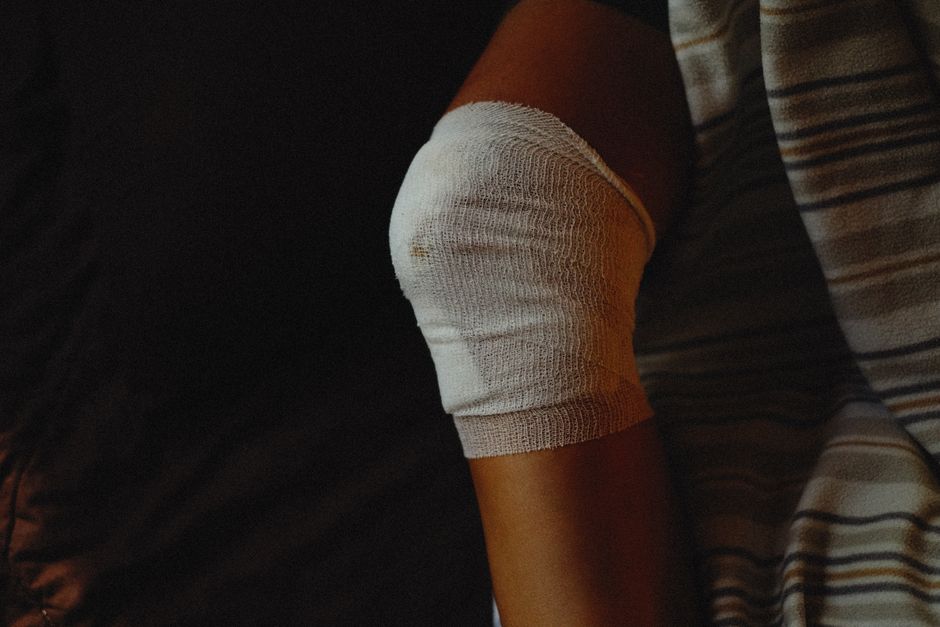
After surgery for a meniscus tear, whether arthroscopic or open, the joint responds with a natural inflammatory reaction. The surrounding tissues swell, fluid may build up in the joint, and the skin over the knee feels warmer. This is a normal physiological response, not a sign of a complication.
For the first day after the procedure, you stay under medical supervision. The doctor checks the wound, sensation and blood flow in the leg and, if needed, places a drain. Pain at this stage is controlled with medication: you do not have to put up with pain, and it is important to tell the staff about any discomfort.
Swelling and pain after arthroscopy are much less than after open surgery. Even after a minimally invasive procedure, however, do not rush to put weight on the knee: the joint cartilage and stitches need time to heal. The first hours are for rest and observation, not for “working” the knee.
02The first 48 hours: the RICE protocol and pain relief
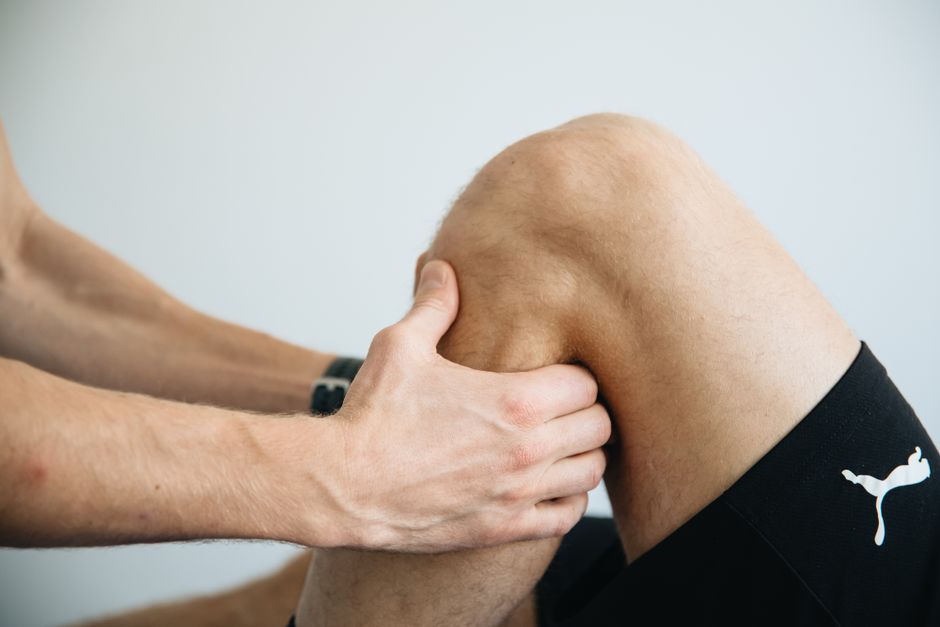
For the first two days after a meniscus injury or surgery, the RICE protocol (Rest, Ice, Compression, Elevation) is widely recommended. It noticeably reduces swelling and supports the early stage of healing. Following it is a simple but very effective task for the patient.
Rest: avoid putting any weight on the operated leg and move around only when necessary, using crutches. Ice: apply ice or a cold compress for 15–20 minutes every 2–3 hours, always wrapped in a cloth to avoid frostbite. Compression: an elastic bandage or brace supports the joint and limits swelling. Elevation: keep the leg above the level of your heart by resting it on a pillow or bolster.
Pain relief at this stage is prescribed by your doctor, usually non-steroidal anti-inflammatory drugs or, if needed, stronger painkillers. Do not change the regimen or stop medicines on your own. At the same time, a nurse will show you how to use crutches and a brace correctly.
Not sure which clinic to start with?
A MediUkraine coordinator will help you choose a clinic and a doctor for your case, free of charge.
03The first week: mobility and first physiotherapy
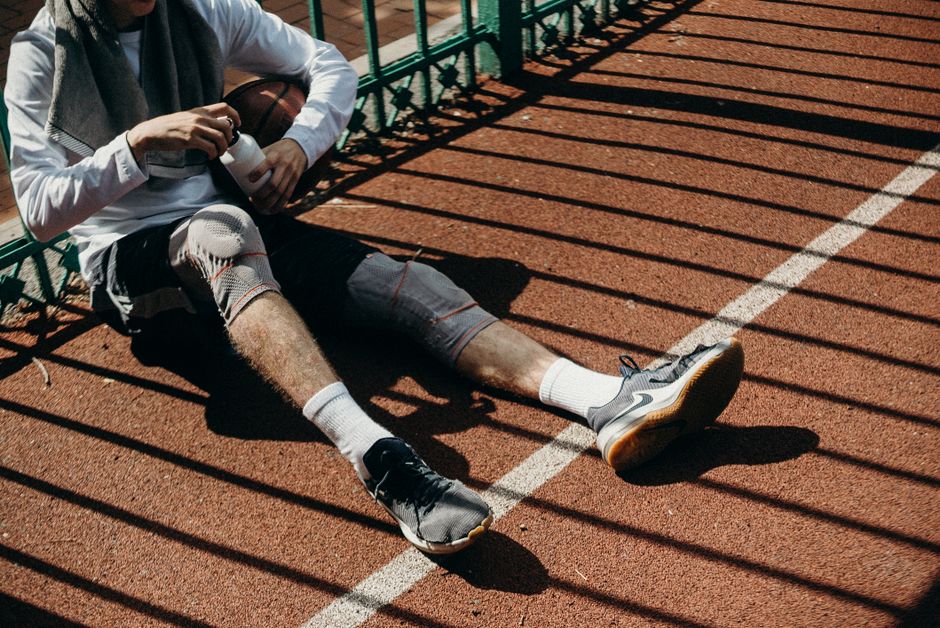
As early as 24–48 hours after arthroscopy, most patients start doing the simplest exercises: tightening the thigh muscles without moving the joint and bending and straightening the foot. These movements boost circulation and help prevent muscle wasting. A physiotherapist gives you your first instructions while you are still in hospital or on the day of discharge.
During the first week, the swelling gradually goes down but is still noticeable. The scar line looks red, which is normal. Clean the wound with an antiseptic every day and make sure the dressing stays dry. Moisture slows healing and increases the risk of infection.
The orthopaedic surgeon may allow partial weight-bearing from day 3–5, depending on the extent of surgery. After meniscus repair, weight-bearing is delayed longer than after partial removal of the meniscus (meniscectomy). Every step of recovery is agreed individually with your surgeon.
04Weeks two and three: active rehabilitation begins
In the second week, the physiotherapist increases the amount of exercise. Exercises to strengthen the quadriceps, hamstrings and glutes are added: they stabilise the knee and take excess load off the meniscus. Sessions take place at a rehabilitation centre or hospital, and you do some of the exercises at home.
A key task at this stage is restoring the full range of movement in the joint. If the knee does not fully straighten or bend, this is a signal for the physiotherapist, not a reason to force the movement yourself. A joint contracture is one of the most troublesome complications and then requires a long period of work.
You will also be taught to walk correctly, without compensating movements. Limping after weeks on crutches is a natural habit that you have to consciously unlearn. Neuromuscular coordination returns gradually, and balance and proprioception exercises help here.
05Diet during recovery: what to eat and what to avoid
The right diet supports tissue repair and reduces inflammation. Protein should feature prominently, as it is the building material for cartilage and muscle. Good sources include fish, poultry, eggs, pulses and low-fat cottage cheese. During rehabilitation, daily protein intake should be roughly 1.5–2 g per kilogram of body weight.
Omega-3 fatty acids (oily fish, flaxseed oil, walnuts) lower inflammatory markers and may support the health of joint cartilage. Antioxidants from vegetables and fruit help neutralise free radicals, which form actively in the damaged area. Vitamin C is needed to make collagen, the basis of cartilage.
Cut down on alcohol or avoid it altogether: it impairs small-vessel circulation, slows healing and does not mix with most painkillers and anti-inflammatory drugs. It is also worth reducing sugar, fast food and trans fats, which increase systemic inflammation. Drink enough fluid: 1.5–2 litres of water a day.
06Physiotherapy: which methods are used and why?
Physiotherapy is a key part of rehabilitation after meniscus tear treatment. It not only reduces pain and swelling but also improves tissue nutrition, speeds up neuromuscular recovery and lowers the risk of re-injury. The programme is tailored to your stage of recovery.
The main physiotherapy methods
- Electrical muscle stimulation: helps prevent wasting of the thigh muscles in the first weeks, when active exercise is still limited.
- Ultrasound therapy: used to improve local circulation and support tissue repair around the stitches.
- Magnetic therapy: used to reduce swelling and pain, mainly in the first two weeks.
- Laser therapy: used to stimulate cell metabolism and support tissue healing without heating.
- Kinesio taping: supports the muscles and joint and helps reduce swelling without restricting movement.
Combining physiotherapy with therapeutic exercise gives the best results. Skipping prescribed sessions means knowingly lengthening your recovery. Even if you feel you are “moving well enough already”, regular physiotherapy may help lower the risk of developing osteoarthritis in the future.
07Follow-up appointments: when and why?
Follow-up appointments after meniscus surgery are not a formality but an important part of treatment. The doctor assesses how healing is progressing, adjusts the rehabilitation programme and spots any problems in time. Skipping scheduled visits is the most common mistake made by patients who “already feel better”.
A typical follow-up schedule looks like this: the first check-up 7–10 days after surgery (removal of stitches or a wound check), the second at 3–4 weeks and the third at 6–8 weeks. After that, appointments are as needed or if worrying symptoms appear. Each visit includes a clinical examination of the joint and an assessment of muscle strength.
An MRI is usually ordered about 3 months after meniscus repair to assess how well the tissue has healed. A knee X-ray may be needed if a complication is suspected or to assess the joint space. All tests are ordered by the doctor, not by the patient.
08Complications: what to watch out for
When recommendations are followed, most complications after meniscus tear treatment are rare. Still, you need to know about them so that you can seek help in time. Ignoring warning signs can significantly worsen the outlook and lead to repeat surgery.
Possible complications
- Haemarthrosis: blood collecting in the joint, which shows up as a sharp increase in swelling and pain. It may need to be drained with a needle.
- Septic arthritis: a rare but serious complication after arthroscopy, with high fever, sharp pain and redness. It needs urgent antibiotic treatment.
- Deep vein thrombosis: swelling of the lower leg and tenderness along a vein; the risk is higher with prolonged immobility. Prevention involves early mobilisation and, where your doctor prescribes them, anticoagulants.
- Joint contracture: restricted movement due to scar tissue, which develops when rehabilitation is insufficient.
- Re-tear: can happen with premature loading or a return to sport without the doctor’s approval.
Knowing about these complications is not a reason to worry but a motivation to follow your rehabilitation plan and attend your follow-up appointments.
09When do you need to see a doctor immediately?
Some symptoms mean you should not wait for a scheduled visit but contact a doctor or go to the emergency department immediately. Every patient who has had knee surgery should know them by heart. In these cases, delay can have serious consequences.
Call your doctor or an ambulance immediately if: the knee suddenly swells much more for no obvious reason; your temperature rises above 38°C; the wound starts to produce cloudy or yellow-green discharge; you develop sharp, unbearable pain that painkillers do not relieve; your lower leg or foot becomes swollen, bluish or cold to the touch.
Do not wait “until the morning” or “until the scheduled check-up” if something has changed sharply: increasing swelling, a fever or worsening pain is a reason to call your doctor within the hour.
In the first weeks, the operated joint is vulnerable, and some complications develop quickly. It is better to get checked once too often and hear “everything is fine” than to delay with a serious problem. Medical staff will not judge you for being careful.
10The first month: restrictions and what is allowed
The first month after surgery is the most critical. The tissues have not yet fully healed, but you are starting to feel better and instinctively want to get back to your usual routine. This is exactly when it is important not to overestimate your condition and to follow the recommendations strictly.
What is allowed by the end of the first month (after uncomplicated arthroscopy): walking with a gradually increasing load, easy cycling on an exercise bike, swimming in a pool (once the wound has fully healed) and doing your home exercise programme. What is not allowed: running, jumping, deep squats, carrying heavy things and twisting the knee sharply.
You can usually drive again 3–4 weeks after surgery on the right knee, but only if you can press the brake firmly and quickly. If the left leg was operated on and the car has an automatic gearbox, sooner. The final decision is made by your doctor.
11Returning to work: from office jobs to physical work
When you can return to work after meniscus tear treatment varies considerably depending on the kind of work you do. People with desk jobs can often return 1–2 weeks after arthroscopy, provided they can travel comfortably and keep the leg raised.
People whose work involves standing or walking for long periods or light physical activity, such as shop assistants, teachers and nurses, may need 4–6 weeks before returning. Heavy physical work, climbing stairs and walking long distances should wait at least 6–8 weeks, and only after the doctor’s assessment.
If your job allows it, ask your employer for temporary adjustments: more time sitting down, no heavy lifting and flexible hours to attend rehabilitation sessions. Returning to work too early and pushing through is a direct route to complications and a longer overall recovery.
12Returning to sport: when and how to do it right
Getting back to sport after meniscus tear treatment is one of the most eagerly awaited and at the same time riskiest moments of rehabilitation. Rushing is particularly dangerous here: a re-tear of a meniscus that has not yet healed is often a more complex problem than the original injury.
After partial meniscectomy (removal of the damaged part), light sport such as swimming and cycling is possible after 4–6 weeks, and running and strength training after 2–3 months. After meniscus repair, the time frames are much longer: running no earlier than 4–5 months, and contact sports at 6 months or later.
Readiness for sport is determined not by time but by functional criteria: no pain or swelling after exercise, full range of movement, equal muscle strength in both legs (at least 90% of the healthy side), and confident jumping and sudden changes of direction. All of these are assessed by a doctor or sports physiotherapist.
13The psychological side of recovery: why it matters
Rehabilitation is not just a physical process. A knee injury and surgery are often accompanied by anxiety, fear of re-injury, frustration with restricted activity and a feeling of depending on others. These feelings are entirely normal and are experienced by most patients.
Fear of pain and re-injury can make you avoid necessary exercises or, on the contrary, over-control every movement. Both slow down recovery. If anxiety gets in the way of your rehabilitation programme, tell your doctor or physiotherapist, and if needed, see a psychologist.
It is important to set realistic expectations. Recovery from major surgery is rarely linear: there will be days when it hurts more than yesterday, and this does not mean “something has gone wrong”. Support from loved ones, talking to people who have been through something similar and a clear rehabilitation plan are your best allies during this time.
14Preventing another meniscus tear
After a successful recovery, prevention becomes the key issue, especially for people who play sport or lead a physically active life. A meniscus that has been damaged before, or a knee after meniscectomy, is somewhat more vulnerable. The right habits, however, significantly reduce the risk of recurrence.
The most important thing is to keep your thigh and gluteal muscles strong. These muscles are the knee’s natural stabilisers, protecting the meniscus from excessive load during jumps, sharp turns and running. Regular strengthening and balance exercises should become part of your everyday movement, not just a rehabilitation task.
It is also important to choose the right footwear, with enough cushioning and arch support. If you tend to overpronate, orthotic insoles are recommended. Always warm up before intense exercise and stretch afterwards. Avoid sudden changes in training intensity and train with a qualified coach, especially in the first months after returning to sport. You can find out more about treatment and modern surgical approaches on the page about meniscus tear treatment with MediUkraine.
15Long-term results: what to expect after a year
Most patients who complete a full course of rehabilitation after meniscus tear treatment return to a fully active life without pain or significant restrictions after 6–12 months. The result depends largely on the type of surgery, the patient’s age, the general condition of the joint and the quality of rehabilitation.
Meniscus repair has the most favourable outlook in younger patients with tears in areas of the meniscus that have a good blood supply. If the tissue heals well, joint function is restored almost completely. After meniscectomy (partial removal), the long-term outlook is somewhat less favourable: without the cushioning of the meniscus, the joint cartilage is under greater load, which increases the risk of knee osteoarthritis in the future.
That is why modern surgery aims to preserve as much meniscus tissue as possible. A preventive check-up once a year, a healthy body weight and regular physical activity are the best investments in the health of your knee for decades to come. A year of committed rehabilitation can shape the condition of the joint for many years ahead.
MediUkraine can arrange treatment and rehabilitation after a meniscus tear at the EXPERT medical network in Uzhhorod, whose team communicates with international patients in English, and organise the whole process, from the first consultation to the end of your recovery.
16Frequently asked questions
How many weeks does rehabilitation after meniscus arthroscopy take?+
After partial removal of the meniscus, basic rehabilitation takes 4–8 weeks, and full recovery up to 3–4 months. After meniscus repair, the time frames are longer: 4–6 months before returning to sport.
Can I walk without crutches after meniscus surgery?+
After meniscectomy, partial weight-bearing is allowed from 3–5 days, and walking without crutches after 1–2 weeks. After meniscus repair, no earlier than 4–6 weeks, depending on the surgeon’s decision.
When can I ride a bike after meniscus surgery?+
Easy cycling on an exercise bike is possible 3–4 weeks after arthroscopy. Riding an ordinary bicycle is possible after 6–8 weeks, provided there is no pain and the joint has enough range of movement.
Does the knee hurt all the time after rehabilitation?+
Moderate discomfort after exercise in the first 2–3 months is normal. After full recovery, most patients have no pain at rest or during their usual activities. Constant or increasing pain is a reason to see a doctor.




