
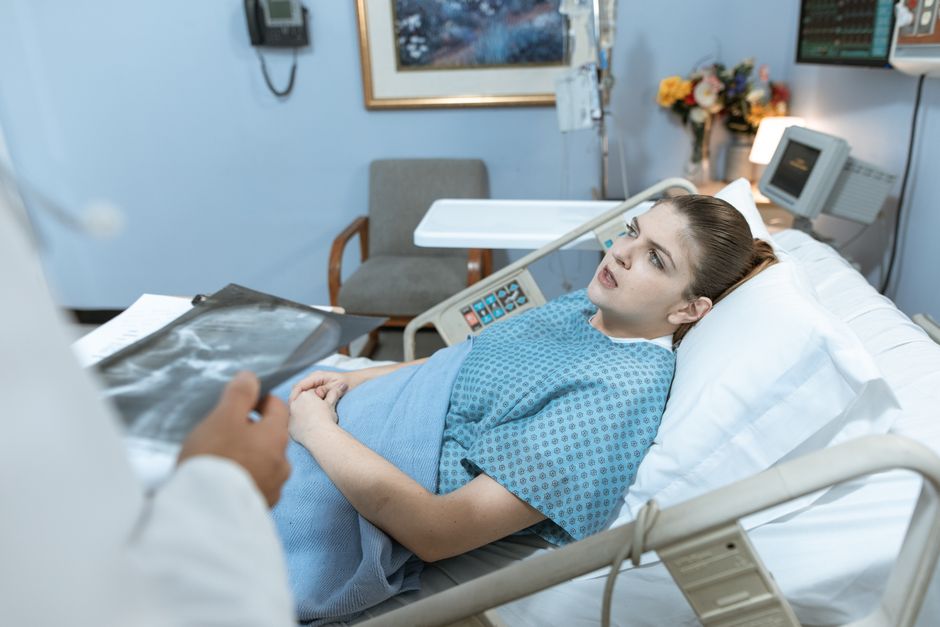
Treating gastro-oesophageal reflux disease (GORD) is only the first step. How you look after yourself in the first days and weeks after the procedure determines how lasting the result will be. A proper recovery lowers the risk of complications and of symptoms coming back.
- The first 24–48 hours are the most important period: rest and diet are essential.
- Full healing of the oesophageal tissues takes from 4 to 8 weeks, depending on the method.
- At first, food should be soft and non-acidic, with nothing spicy or fizzy.
- A follow-up appointment with your doctor is due 2–4 weeks after the procedure.
- What happens in your body straight after the procedure?
- The first 24 hours: what is allowed and what is strictly off limits
- Days 2–7: diet and daily routine
- Diet during recovery: in detail
- Medication after the procedure: what and why?
- Physical activity after treatment: what is allowed and when?
- Follow-up appointments: when and why?
- Possible complications after the procedure: what should you know?
- When should you see a doctor immediately?
- The psychological side of recovery: how to stay positive
- Going back to work after reflux treatment
- Recovery after reflux treatment in older patients
- Preventing recurrence: how to keep the result of treatment
- Recovery after different treatment methods
- What you can monitor yourself: a symptom diary
01What happens in your body straight after the procedure?
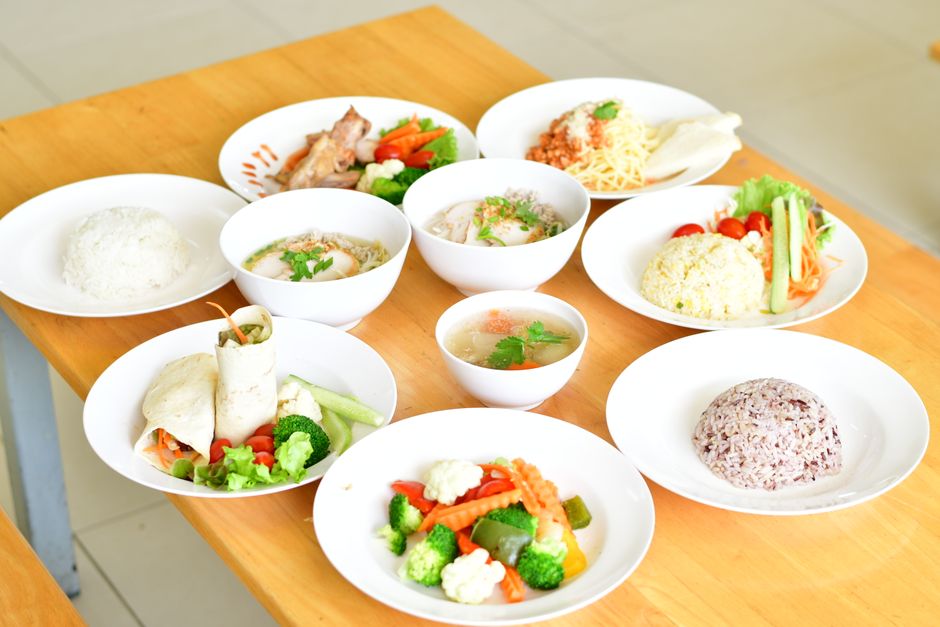
After endoscopic or surgical procedures on the oesophagus, the lining is acutely inflamed. The tissues are swollen and sensitive to irritants: acid, temperature and the mechanical pressure of food. That is why the first hours call for the strictest adherence to your doctor’s advice.
If anti-reflux surgery was performed (for example, fundoplication), the wound edges also need to heal and the stomach has to adapt to its new anatomical position. You may feel pressure, discomfort when swallowing or a sensation of a “lump” in the throat; this is a normal tissue reaction.
With treatment by medication or a minimally invasive radiofrequency procedure (Stretta), the lining recovers gradually. In the first days burning and discomfort may even be somewhat stronger than before the procedure, and this is not a sign that treatment has failed. Your body is responding to the treatment, and these symptoms pass within a few days.
Try not to compare how you feel with other people’s experience: the type of procedure, your age, other conditions and individual sensitivity all have a significant effect on the nature and length of recovery. Your doctor will explain in advance which symptoms are expected and which are a reason to get help immediately.
02The first 24 hours: what is allowed and what is strictly off limits
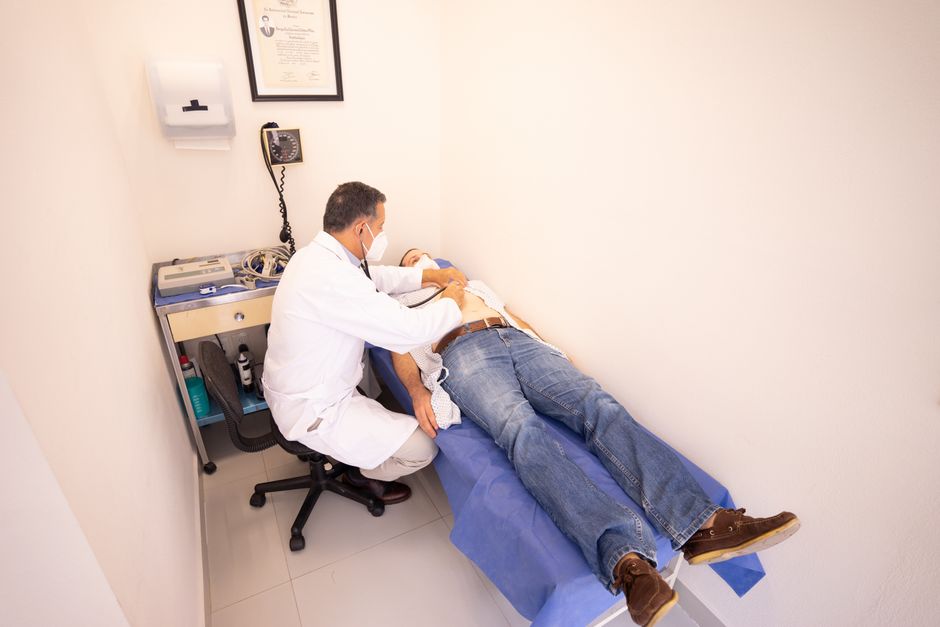
During the first day you are usually either under medical supervision or following a strict routine at home. After most endoscopic procedures you may sip room-temperature water 2–3 hours after the procedure. Solid food is not allowed for the first 12–24 hours.
Strictly avoid hot drinks, alcohol, acidic juices and fizzy water. They irritate the damaged lining, cause spasm and increase inflammation. Even your usual morning tea is best replaced with warm boiled water.
Keep physical activity to a minimum on the first day. Avoid bending forward, lifting more than 2–3 kg and sudden movements of the upper body. Lie down only with the head of the bed raised (15–20 cm): this reduces the risk of stomach contents flowing back into the oesophagus, even after the procedure.
Pain on the first day is usually moderate. Your doctor will prescribe pain relief, most often paracetamol or an antispasmodic. Do not take non-steroidal anti-inflammatory drugs (ibuprofen, diclofenac) without a prescription: they irritate the lining of the stomach and oesophagus.
Not sure which clinic to start with?
A MediUkraine coordinator will help you choose a clinic and a doctor for your case, free of charge.
03Days 2–7: diet and daily routine
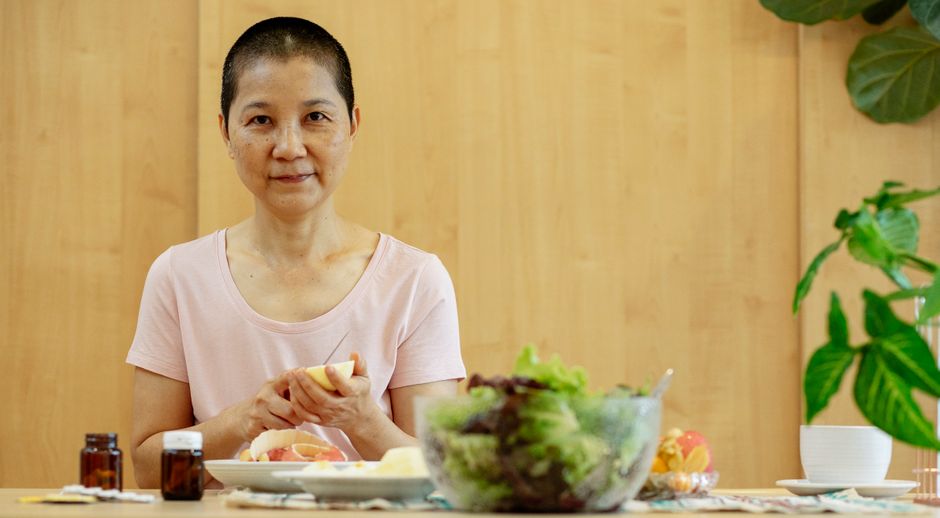
From the second day, liquid and puréed food is introduced gradually: rice water, buckwheat porridge made with water, vegetable purée, unsweetened fruit jelly drink, low-fat broth. Food should be warm only, not hot and not cold. Eat small portions often: 5–6 times a day.
Avoid citrus fruit, tomatoes and tomato-based sauces, hot spices, chocolate, coffee and mint. These foods lower the tone of the lower oesophageal sphincter and trigger reflux even in a healing oesophagus. Fatty and fried dishes are also off the menu for the whole first week.
Smoking is one of the strongest reflux triggers: it relaxes the sphincter and disrupts the movement of the oesophagus. Stop smoking completely during recovery. Alcohol in any form is out of the question at this time.
Bed rest is not needed after the first day, but physical exertion should remain minimal. Short walks in the fresh air, on the other hand, are beneficial: they stimulate gut movement and improve how you feel overall. Sleep only with your head raised, and do not lie flat until 2–3 hours after eating.
04Diet during recovery: in detail
What you can eat
For the first 2–3 weeks your diet should be based on porridge made with water (oats, buckwheat, rice), boiled or steamed vegetables (broccoli, carrots, courgettes, potatoes), lean meat and fish, boiled or baked, soft-boiled or steamed eggs, and unsweetened, low-acid fermented dairy products such as kefir, plain yoghurt and cottage cheese.
Bread should be dried or a day old, made from wheat flour. Fresh pastries, sweet buns and yeast bread cause wind and raise pressure in the abdomen, which makes reflux worse. Good drinks include warm water, weak herbal tea, rosehip infusion (in moderation) and still alkaline mineral water.
What you should not eat
Trigger foods to avoid for at least a month: citrus fruit and juices, tomatoes in any form, coffee and strong tea, fizzy drinks, alcohol, chocolate, mint and mint products, spicy and fatty dishes, fried food, fast food, vinegar and pickled foods. These restrictions are not for ever: after a month or two your doctor adjusts your diet individually.
05Medication after the procedure: what and why?
Even after an endoscopic or surgical procedure, your doctor will usually prescribe supporting medication. Most often these are proton pump inhibitors (PPIs): omeprazole, pantoprazole or esomeprazole. They reduce stomach acid production and give the oesophageal lining time to heal fully.
Your doctor decides how long to take PPIs after the procedure, usually 4–8 weeks. Do not stop them yourself “because it no longer hurts”: feeling better does not mean the lining has finished healing. Change or stop them only as agreed with the doctor who prescribed them. Stopping PPIs abruptly can cause “acid rebound”, a sharp worsening of symptoms.
Prokinetics (domperidone, metoclopramide) are prescribed when the stomach empties slowly: they help food move along faster and reduce the risk of reflux. Antacids are used as needed to relieve acute discomfort, but not as the main treatment. Take all medicines strictly as your doctor directs.
It is important to tell your doctor about all the medicines you take regularly for other reasons. Some of them, such as NSAIDs, bisphosphonates, iron supplements and nitrates, can irritate the oesophagus and work against your recovery.
06Physical activity after treatment: what is allowed and when?
A complete restriction on activity is needed only in the first 1–3 days, depending on the type of procedure. From the second or third day, calm walks of 20–30 minutes are recommended: they normalise the movement of the digestive tract and help prevent constipation, a common problem during post-procedure rest.
After a week or two, if healing is going well, light exercises, slow swimming and Nordic walking are allowed. Exercises lying flat and those that put pressure on the abdomen (sit-ups, crunches) are off limits for at least a month.
Exercises that raise pressure in the abdomen, such as weighted squats, bending and jumping, are postponed for 6–8 weeks after surgery. Lifting more than 5 kg during this period is also not advised. Gentle yoga (without inverted poses) is allowed after talking to your doctor.
Competitive sport and heavy training are resumed only after a follow-up appointment confirms healing, usually after 6–8 weeks. Do not rush: strain on the abdominal muscles directly affects pressure at the junction between the oesophagus and the stomach.
Do not lie flat straight after eating: even during recovery, this is one of the most common reflux triggers. Wait 2–3 hours upright or half-sitting.
07Follow-up appointments: when and why?
The first follow-up appointment after the procedure is usually scheduled 2–4 weeks later. Your doctor assesses your symptoms, adjusts your medication and advises you on broadening your diet. If necessary, pH monitoring or a follow-up endoscopy is done to check the condition of the lining.
The second scheduled appointment is after 2–3 months. At this stage the effectiveness of treatment is usually assessed: whether the reflux has gone, whether any erosions have healed and whether therapy needs adjusting. This is when your doctor decides whether to continue PPIs or reduce them gradually.
If you have confirmed Barrett’s oesophagus, follow-up endoscopy is essential, and the schedule is set individually. This is not excessive caution but the standard of care for a pre-cancerous change in the lining.
The key rule is not to miss a single follow-up appointment, even if your symptoms have gone completely. GORD often causes no symptoms while you are on medication, but changes in the lining may still persist. Only endoscopy gives an objective picture.
08Possible complications after the procedure: what should you know?
Most people tolerate treatment well, but it is important to know about possible complications. After endoscopic procedures the most common are temporary dysphagia (difficulty swallowing), a feeling of something stuck in the throat and moderate pain behind the breastbone. These pass on their own within a few days.
After surgical fundoplication a specific complication is dysphagia caused by the wrap being too tight. It can last several weeks and requires a careful diet. In rare cases endoscopic dilation (widening) of the oesophagus is needed.
Gas bloat syndrome after fundoplication is another common problem: you cannot burp and feel bloated, with pressure in the abdomen. It is usually temporary and passes within a few weeks as you adapt. Eating small portions and avoiding foods that cause wind help.
Reflux can come back if advice is not followed, if you are overweight or if medication support is inadequate. If symptoms return a month after treatment, it does not mean the procedure failed: your routine or therapy may simply need further adjustment.
09When should you see a doctor immediately?
There are some symptoms that need urgent attention, not “tomorrow at your appointment” but on the day they appear. Delay in these cases can lead to serious complications. You and your relatives should know these signs by heart.
Warning signs after the procedure:
- A temperature above 38°C: may indicate an infection or perforation of the oesophagus.
- Sharp pain behind the breastbone or between the shoulder blades: especially if sudden and getting worse, it is a possible sign of perforation or mediastinitis.
- Vomiting blood or black stools: signs of bleeding from the upper digestive tract.
- Being completely unable to swallow, even water: severe dysphagia that needs urgent assessment.
- Sharply increasing abdominal pain with a hard, “board-like” abdomen: a sign of peritonitis.
If any of these symptoms appear, call an ambulance or go to an emergency department immediately. Do not wait and do not treat yourself.
10The psychological side of recovery: how to stay positive
Recovery after GORD treatment is not only a physical process but a psychological one too. Long-term dietary restrictions, giving up familiar foods and changing your lifestyle can cause irritation, anxiety and a feeling that “I will never be able to eat normally again”. This is a perfectly understandable reaction.
It is important to realise that the dietary restrictions of the first month are temporary. Most people return to an almost normal diet with small adjustments after 2–3 months. The aim of treatment is not to give everything up for ever but to restore normal oesophageal function.
Support from loved ones and a clear plan from your doctor significantly reduce anxiety. When you understand what you are doing and why, you stick to the routine much better. Do not hesitate to ask your doctor questions: “why can’t I have coffee?”, “when can I go back to sport?”, “what happens if I break the diet once?”
Chronic anxiety and stress are themselves reflux triggers because they affect stomach movement and acidity. Relaxation techniques, enough sleep and avoiding overtiredness are part of a full recovery, not a “bonus”.
11Going back to work after reflux treatment
When you can return to work depends on the type of procedure and the kind of work you do. After treatment with medication or minimally invasive endoscopic procedures (without general anaesthesia), you can return to office work after 1–2 days.
After laparoscopic fundoplication, sick leave usually lasts 7–14 days. Office and desk-based work without physical exertion is allowed once the pain has gone and you feel well, roughly after 5–7 days.
Physical work, such as lifting, standing for long periods or active movements of the upper body, should be postponed for 4–6 weeks after surgery. Physical exertion too early increases the risk of the stitches coming apart and of reflux returning. Your doctor will set the specific timing after a follow-up appointment.
Driving is not recommended for the first 5–7 days after laparoscopic surgery, because residual pain and painkillers can slow your reactions. After that, drive when you feel ready and after agreeing it with your doctor.
12Recovery after reflux treatment in older patients
In people over 60–65, recovery has its own particular features. Tissues heal more slowly because of age-related changes in the mucous membranes and reduced capacity for regeneration. Dietary and activity restrictions usually last longer, from 6 to 10 weeks instead of the standard 4–6.
Older people more often have other conditions, such as cardiovascular disease, joint problems or diabetes, which makes their medication routine more complicated. Interactions between PPIs and other medicines (for example, clopidogrel or warfarin) need careful monitoring by a doctor.
The risk of dysphagia after fundoplication is higher in older people, as the oesophageal muscles take longer to adapt to the changes. The soft diet continues for longer, and this needs to be taken into account when planning meals, especially if the person lives alone or has limited ability to cook.
You can find out more about preparation and treatment on our heartburn and reflux treatment page, which describes the available methods and how treatment is organised.
13Preventing recurrence: how to keep the result of treatment
Treating GORD is not a one-off “fix”: without lifestyle changes, reflux returns in a significant proportion of patients within 1–2 years. The long-term result depends on how ready you are to follow preventive measures after active recovery is over.
The most important preventive factors are reaching a healthy weight (excess weight is an independent risk factor for reflux), stopping smoking, limiting alcohol, eating moderately without overeating and avoiding tight clothing that presses on the abdomen. These changes need to become permanent, not temporary.
Eat little and often: 4–5 times a day in small portions. A late dinner (less than 2–3 hours before bed) is one of the most common triggers of night-time reflux. Sleeping on your left side with the head of the bed raised by 10–15 cm significantly reduces night-time symptoms.
An annual check-up with a gastroenterologist, even without symptoms, is essential after GORD treatment. Detecting a recurrence early means it can be managed with medication rather than repeat surgery.
14Recovery after different treatment methods
After endoscopic anti-reflux therapy
Procedures such as Stretta (radiofrequency treatment of the oesophagus) or endoscopic plication have a minimal recovery period: 3–5 days of strict routine, after which you gradually return to your usual rhythm. These procedures are done as a day case, without an overnight stay.
Dysphagia after endoscopic procedures is usually mild and passes within 2–5 days. A soft diet is followed for 7–10 days, after which the diet is gradually broadened. PPIs are prescribed for 4–6 weeks. The first follow-up appointment is after 4 weeks.
After laparoscopic fundoplication
This is a surgical procedure that requires general anaesthesia and a hospital stay of 1–3 days. The recovery period is considerably longer: a full return to normal eating takes 6–8 weeks, physical work 4–6 weeks and sport 6–8 weeks. Fundoplication is, however, highly effective: in most patients reflux is eliminated or greatly reduced for many years.
15What you can monitor yourself: a symptom diary
One of the most effective recovery tools is keeping a symptom diary. This is a simple table or notes on your phone where you record what you ate, when you ate, whether you had heartburn, regurgitation or discomfort behind the breastbone, and at what time of day. It takes 5 minutes a day and gives your doctor invaluable information.
A diary helps reveal individual triggers that would not be visible without systematic observation. For example, one person may tolerate tomato sauce well but react to chocolate, while for another it is the other way round. A personalised approach to diet is far more effective than general lists of “forbidden foods”.
It is also worth noting in the diary the doses and times of your medicines, physical activity, sleep quality and stress levels. These factors are linked to how severe reflux is and make it possible to build a realistic recovery plan that both you and your doctor understand.
A symptom diary is especially important in the first 4–8 weeks after the procedure, when your doctor is actively adjusting treatment. After that you can keep it less often, but do not stop completely: seasonal flare-ups, changes in diet or stressful events call for a timely response.
MediUkraine’s partner clinic for this area is the EXPERT medical network in Uzhhorod. The clinic’s team communicates with international patients in English and can arrange a consultation with a gastroenterologist or surgeon and follow-up after treatment.
16Frequently asked questions
How long does recovery after laparoscopic fundoplication take?+
The hospital stay is 1–3 days. Full recovery, including a return to physical work and sport, takes 6–8 weeks. Office work is possible 7–10 days after discharge.
Can I drink coffee after reflux treatment?+
Not in the first month. Caffeine lowers the tone of the lower oesophageal sphincter and triggers reflux. Once active recovery is over, your doctor will decide individually when and how much coffee you can reintroduce.
Is there a risk of reflux returning after surgery?+
Yes, recurrence is possible, especially with excess weight, smoking or not following the diet. Following preventive advice and having regular check-ups significantly reduce this risk.
When can I return to sport after an endoscopic procedure?+
Light walks from day 2–3. Swimming and moderate cardio after 2 weeks. Strength training and abdominal exercises no earlier than 4–6 weeks, once a follow-up appointment has confirmed healing.




