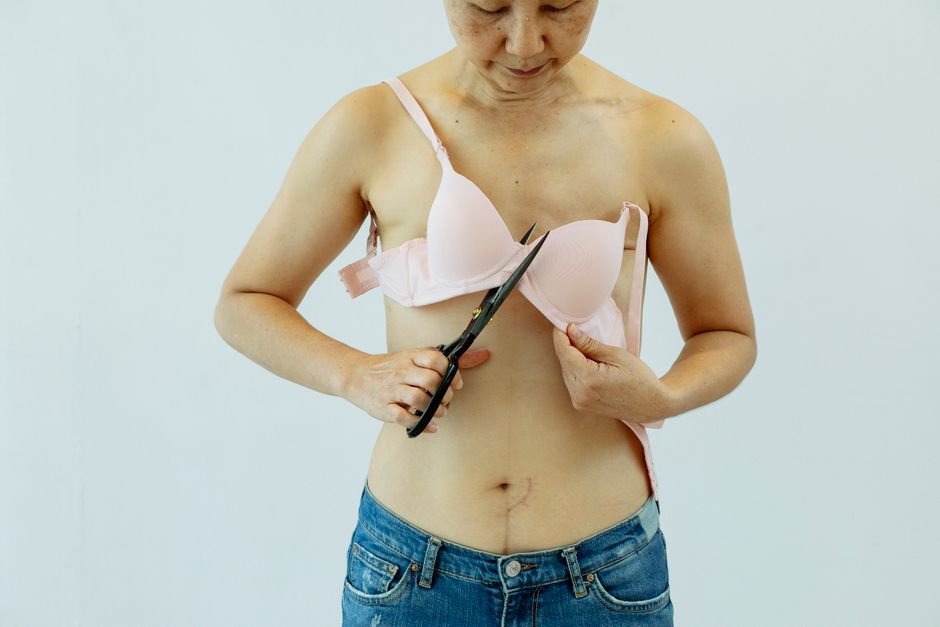
Removal of a breast cyst is a surgical or minimally invasive procedure after which the body needs time and proper care. Recovery usually goes without complications if you follow your doctor’s recommendations. This article explains what happens in your body at each stage of recovery and what helps you get through it smoothly.
- Recovery after cyst removal takes from 1–2 weeks after needle aspiration to 4–6 weeks after surgery.
- The first 2–3 days are the most important period: you need rest, cold on the wound and a check on the dressing.
- Physical exertion, lifting and sport are restricted depending on the method used.
- Regular follow-up checks after the procedure are essential, even if you have no complaints.
- Which methods are used to remove a cyst, and how do they affect recovery?
- What happens in the first hours after the procedure?
- What will the first 2–3 days after the operation be like?
- What can and can’t you do in the first week?
- When are the stitches removed, and what does the wound look like?
- What should you eat during recovery?
- What physical activity is allowed during recovery?
- When can you go back to work?
- Which sensations are normal during recovery?
- Which signs need urgent medical attention?
- What complications can occur, and how can you avoid them?
- How should you care for the scar after the operation?
- When and how are follow-up checks carried out?
- How can you prevent the cyst from coming back?
- How can you stay emotionally comfortable during recovery?
01Which methods are used to remove a cyst, and how do they affect recovery?
The length and nature of recovery depend directly on the method your surgeon used. This is the first thing to understand before relying on any time frames. Broadly, all procedures fall into two large groups.
- Needle aspiration: the fluid content of the cyst is drawn out with a needle under ultrasound guidance. Tissue trauma is minimal, and recovery takes 3–7 days.
- Surgical removal (sector resection or enucleation): the cyst is removed through an incision. Recovery takes longer, from 4 to 6 weeks depending on the extent of the operation.
- Vacuum-assisted excision: a minimally invasive method that sits between the two in complexity. Recovery usually takes 7–14 days.
The method also determines whether you will have stitches or a drain and whether you will need dressing changes. Your doctor will explain in advance which option is indicated in your case. You can read more about breast cyst removal with MediUkraine.
Whatever the method, the first 24–48 hours after any breast procedure call for close attention to how you feel. There is no point comparing your experience with a friend’s: every case is individual.
02What happens in the first hours after the procedure?
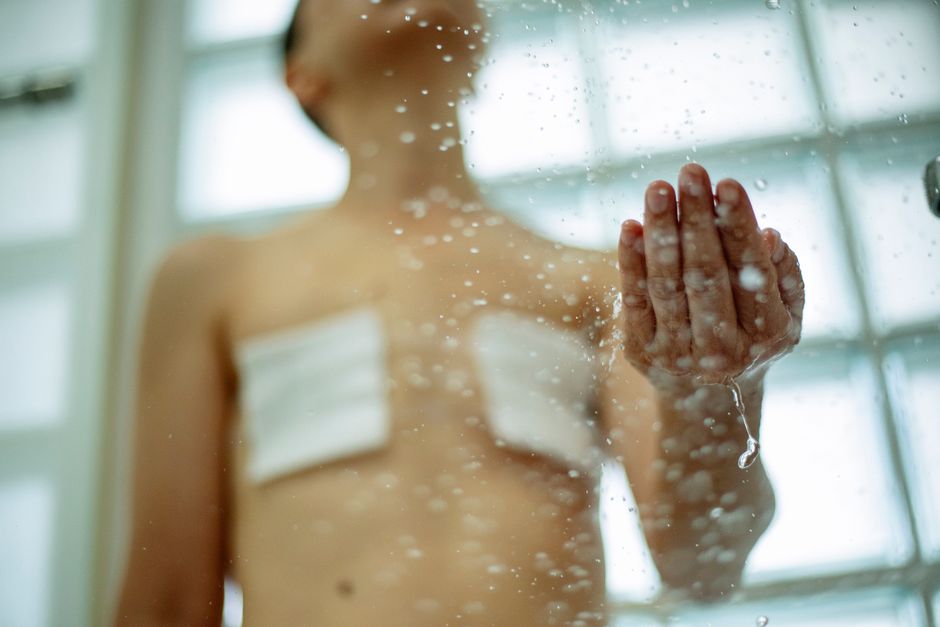
Immediately after the procedure you remain under the observation of the medical staff. If a local anaesthetic was used, it gradually wears off over 1–2 hours, and at this point you may feel a pulling sensation or moderate pain in the area of the operation. This is a normal tissue reaction.
A compression dressing or a special bra is put on the breast. Its purpose is to reduce swelling, support the shape of the breast and lower the risk of a haematoma. Do not remove the dressing yourself before your doctor advises it.
If the procedure was carried out under general anaesthesia, you stay on the ward for a few hours until your condition is stable. You are allowed to get up gradually, with a nurse beside you. Your first food and drink are also given with the anaesthetist’s permission.
In the first hours it is important to avoid sudden arm movements and bending. Your first dose of pain relief is given at this stage, usually a non-opioid one such as ibuprofen or paracetamol at a standard dose. Do not adjust the dose yourself.
Not sure which clinic to start with?
A MediUkraine coordinator will help you choose a clinic and a doctor for your case, free of charge.
03What will the first 2–3 days after the operation be like?
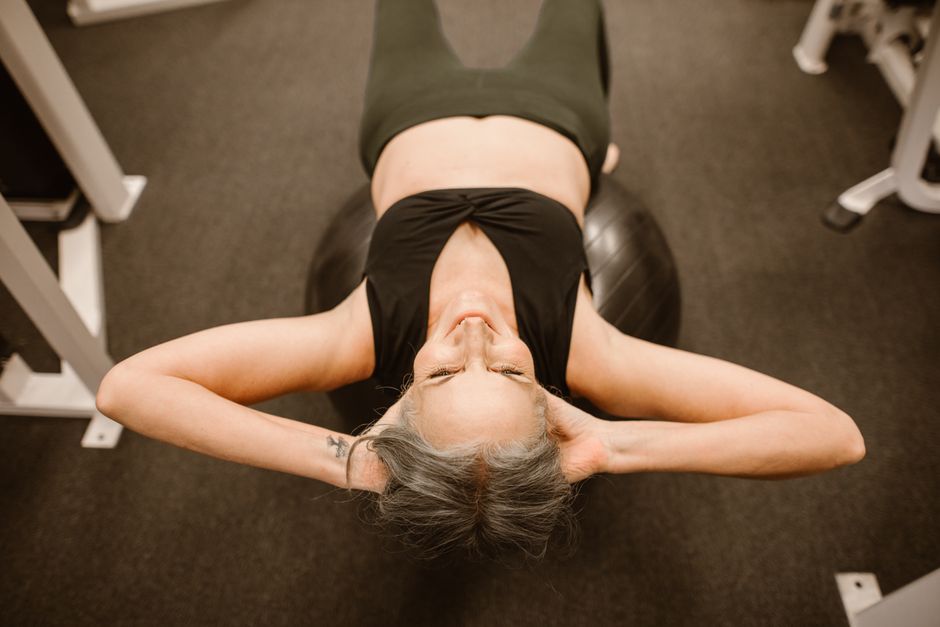
The first three days are the stage of the acute inflammatory response of the tissues. Swelling, redness of the skin over the operated area and moderate tenderness are normal during this period. Your temperature may rise to 37.2–37.5 °C; this is no reason to panic, but it does need watching.
Cold compresses on the operated area in the first 12–24 hours help reduce swelling. Always wrap ice in a cloth: direct contact with the skin must be avoided. You can apply a compress for 15–20 minutes, with breaks of at least 30 minutes.
The dressing is changed daily or as needed if it becomes soaked. Proper wound care is critical for preventing infection. Do not treat the wound with any antiseptics other than those your doctor has prescribed.
Sleep on your back or on the side opposite the operated breast. Avoid compressing the breast with clothing or by your sleeping position. A supportive non-wired bra is essential during this period, and sleeping without it is not advisable, especially if you have larger breasts.
04What can and can’t you do in the first week?
The first week is a time of restrictions that seem obvious but are often broken because you start to feel better quickly. Less pain does not mean the tissues have fully healed: the inflammatory process in the wound is still active.
Allowed: ordinary activity at home at a calm pace, short walks, light self-care. You can shower if the wound stays dry, or after the stitches are removed, as your surgeon advises. Bathing and swimming are agreed individually.
Not allowed: lifting anything heavier than 2–3 kg, moving your arm sharply out to the side or upwards, sport, cycling, swimming pools, saunas and steam baths. You should also avoid sexual activity if it puts strain on the breast.
Smoking significantly slows wound healing because it narrows the blood vessels and reduces the oxygen supply to the tissues. If you smoke, your doctor will usually recommend stopping for at least 2 weeks. Alcohol is also best avoided in the first week: it increases swelling and should not be combined with antibiotics if they have been prescribed.
05When are the stitches removed, and what does the wound look like?
After surgical removal of a cyst, either dissolvable or non-dissolvable stitches are used. Non-dissolvable stitches are removed on day 7–12 after the operation, depending on how the wound is healing. This is a routine outpatient procedure that takes a few minutes and is almost painless.
At first the scar looks pink or red and may be slightly raised. This is a normal stage in the formation of connective tissue. Over 3–6 months the scar gradually fades and becomes less noticeable. Its final appearance is assessed a year after the operation.
To help the scar mature, doctors often prescribe special gels or silicone sheets. These are started once the wound has fully healed, usually 2–3 weeks after the stitches are removed. Scar massage is also used, but only with your surgeon’s permission and after the wound has completely closed.
If the wound opens after the stitches are removed, leaks fluid or the redness around it spreads, see a doctor straight away. This is not a situation for self-treatment or waiting it out.
06What should you eat during recovery?
What you eat during recovery directly affects how quickly the tissues heal. Your body needs complete protein, the main building material for new cells. Your daily diet should include meat, fish, eggs, pulses, cheese and other sources of protein.
Vitamin C supports the synthesis of collagen, which is needed to form the scar. Good sources include sweet peppers, broccoli, citrus fruit and rosehip. Zinc and vitamin A are also involved in healing, so a varied diet with plenty of vegetables becomes an important part of your meals.
Limit spicy dishes, smoked foods and fatty fried meat, as they can intensify inflammatory reactions. Too much salt increases tissue swelling. Large amounts of caffeine are best avoided because they can increase breast tenderness, especially in the first weeks.
Fluids: 1.5–2 litres a day, unless you have kidney or heart conditions that require otherwise. Good hydration helps clear the products of inflammation and supports normal metabolism. Alcohol is excluded for at least 2–3 weeks, and if you are taking antibiotics, for the whole course plus 3 days.
07What physical activity is allowed during recovery?
How active you can be depends on the method used and on how you heal. The general rule: stop immediately any activity that causes pain or a pulling sensation in the operated area.
The first 2 weeks
During this period only light walking at a moderate pace is allowed. You can climb stairs, but slowly and without sudden arm movements. Limit housework, especially mopping floors, laundry and carrying bags. Any strain on the shoulders and chest is undesirable.
3–4 weeks after the operation
If healing goes normally, your doctor may allow gentle joint exercises, lower-body stretching and calm swimming, provided the wound has healed. Exercises that load the chest muscles are still off limits. Strength training, yoga with load-bearing poses and cycling are not yet allowed.
Weeks 5–6 and beyond
A return to full training happens gradually and only once your surgeon allows it. Cardio comes back first, then moderate strength work. Chest exercises are introduced last. If you compete in sport at amateur level, discuss this with your doctor separately.
08When can you go back to work?
When you can return to work depends on the kind of work you do and the extent of the procedure. Discuss this with your doctor in advance so you can plan your leave.
After needle aspiration, most patients go back to work on day 2–3 if their work is mental rather than physical. Office work, remote work and consulting are all quite possible within a few days.
After surgical removal of a cyst through an incision, sick leave is usually 7–14 days. If your work is physical, for example as a loader, an operating-theatre nurse or a builder, the period may be extended to 4–6 weeks. Returning early without your doctor’s permission raises the risk of complications.
Driving after general anaesthesia is not allowed for at least 24 hours. If you have pain or limited arm movement, wait until full mobility returns. Long drives that strain the shoulders are also best avoided in the first weeks.
09Which sensations are normal during recovery?
Knowing what is normal helps you avoid panicking while still not missing genuine signs of complications. After any breast procedure, certain unpleasant symptoms are a natural part of healing.
Normal: a pulling or stabbing pain at the operation site for the first 7–10 days; swelling and mild redness of the skin; a small bruise; a sense of tightness when you raise your arm; numbness or increased sensitivity of the skin around the wound, caused by irritation of small nerve branches.
Slight serous leakage onto the dressing in the first 1–2 days is also normal. Serous fluid is clear or slightly yellowish and has no smell. If the dressing becomes soaked quickly or the discharge looks different, contact your doctor.
Slight asymmetry of the breasts caused by swelling in the first 2–3 weeks should not alarm you. The swelling gradually goes down and the appearance returns to normal. If the asymmetry persists beyond 4–6 weeks, discuss it with your surgeon at your scheduled check-up.
10Which signs need urgent medical attention?
Knowing the warning symptoms is part of a safe recovery. You do not have to put up with anything that goes beyond what is normal. If any of the symptoms below appear, contact your doctor or go to the emergency department.
A temperature above 38 °C that does not come down within a day or keeps rising is a sign of a possible infection. Redness spreading around the wound, throbbing pain and swelling that increases instead of decreasing are also warning signs.
Pus-like discharge from the wound: yellow, green or foul-smelling. The edges of the wound coming apart or an open skin defect. A sudden enlargement or hardening of the breast after the operation, especially if it is painful and not related to your menstrual cycle.
Severe pain that is not relieved by usual doses of painkillers, altered sensation in the arm or shoulder, or a new lump in the armpit all need an urgent consultation. Delaying a visit to the doctor in these situations raises the risk of serious complications.
If you feel worse rather than better after discharge, do not wait for your scheduled appointment. Call your doctor and describe your symptoms: most worries can be settled with a single call, and real problems can be caught in time.
11What complications can occur, and how can you avoid them?
Removal of a breast cyst is a relatively low-risk procedure, but like any surgery it carries certain risks. Most complications can be managed if they are detected early.
The most common complication is a haematoma, a collection of blood in the cavity left after the cyst is removed. It shows up as a painful, tense lump that grows in the first days. Small haematomas resolve on their own; large ones need to be drained. A firm dressing and cold in the first days considerably reduce this risk.
Seromas, collections of serous fluid, also occur after surgical removal. They are drained with a needle as an outpatient procedure. Infections are rare when aseptic rules are followed, but they are possible. Antibiotics may be prescribed to prevent them.
Changes in skin sensation, a retracted scar or a slight change in the contour of the breast are mainly cosmetic consequences that can be corrected. The risk of the cyst coming back is higher after aspiration than after surgical removal, and this is taken into account when choosing the treatment method.
12How should you care for the scar after the operation?
Scar formation is a process that takes months. Early and proper care makes a real difference to the final cosmetic result. Start active scar care only after the wound has fully healed, usually 3–4 weeks after the stitches are removed.
Silicone sheets or silicone-based gels are the first choice for preventing a hypertrophic scar. They are applied daily, soften the connective tissue and make the scar less prominent. The effect is assessed after 2–3 months of use.
Scar massage is done with clean hands, using circular movements with moderate pressure, 2–3 times a day for 5 minutes. You can use a neutral cream or a product your doctor recommends. Massage helps the scar tissue soften and prevents it from adhering to the structures beneath it.
Protect the scar from the sun throughout the first year: use SPF 30–50+ or cover it with clothing. UV rays stimulate pigmentation of a young scar, making it darker and more noticeable. Physiotherapy methods such as ultrasound phonophoresis or magnetic therapy may also be prescribed if indicated.
13When and how are follow-up checks carried out?
Follow-up checks after removal of a breast cyst are an essential part of treatment, not a formality. They make it possible to detect complications in time, assess healing and decide on further monitoring.
The first check is usually scheduled 7–10 days after the operation, for a dressing change or removal of the stitches. The second is after 3–4 weeks: the doctor assesses the scar, checks the mobility of the tissues and, if needed, prescribes physiotherapy or scar care.
Three months after the operation, a follow-up breast ultrasound is carried out. It confirms that the cyst has not come back and that there are no new lumps. After that, an ultrasound or mammogram is done once a year, or more often if your doctor recommends it.
A breast specialist (mammologist or breast oncologist) remains the main doctor to follow you after the operation. For women over 40, regular mammography is generally recommended regardless of any previous breast surgery, on the schedule your doctor advises. This is not excessive caution; it is standard cancer screening.
14How can you prevent the cyst from coming back?
A cyst comes back after needle aspiration in 20–30% of cases. After surgical removal this risk is considerably lower, but not zero. Preventing recurrence involves a range of measures related to lifestyle and hormonal health.
Bringing your hormones back into balance is the key factor. Breast cysts are mostly linked to an imbalance between oestrogen and progesterone. If a hormonal disorder is found after the operation, treatment by a gynaecologist or endocrinologist is needed. Taking hormonal medicines or phytoestrogens on your own without specialist supervision is not acceptable.
Regular monthly breast self-examination, on day 7–10 of your cycle, makes it possible to notice new lumps at an early stage. Ask your doctor to show you the technique: done correctly, it is informative, while a false reassuring result is dangerous.
Stopping smoking, reaching a healthy weight, limiting alcohol and regular physical activity have a positive effect on your hormones and lower the risk of fibrocystic breast changes. Long-term stress and lack of sleep also upset the hormonal balance, and these are factors you can influence.
15How can you stay emotionally comfortable during recovery?
Recovery after breast surgery is not only a physical strain but a psychological one too. Anxiety about the histology results, worry about how the scar will look and fear of recurrence are typical feelings, and there is no need to keep them to yourself.
It is important to get a full explanation from your doctor of the histology results for the removed tissue. Most breast cysts are benign. Confirmation of this considerably reduces anxiety and gives you a solid basis for recovery.
An open conversation with your partner or family about your restrictions during this period helps avoid misunderstandings and get support. You do not need to keep up appearances and do all the household chores: recovery requires time and rest.
If anxiety, fear or low mood do not go away within a few weeks, consider seeing a psychologist. Psychological support has long been part of complete medical care for patients facing a possible breast diagnosis. Seeking help in this situation is a sign of maturity, not weakness.
MediUkraine can arrange a consultation with an experienced breast surgeon at our partner clinic, EXPERT medical network in Uzhhorod, and support you through every stage of treatment and follow-up. The clinic’s team communicates with international patients in English.
16Frequently asked questions
How long will I stay in hospital after cyst removal?+
After needle aspiration, a hospital stay is usually not needed: you go home on the day of the procedure. After surgical removal, the hospital stay is usually 1–2 days, depending on the extent of the operation and your general health.
Is recovery after breast cyst removal painful?+
Moderate pain in the first 3–7 days is normal and is well controlled with the painkillers you are prescribed. With an operation performed correctly and adequate pain relief, there should be no severe, unbearable pain.
Can I do sport after the operation, and when?+
Light walking is allowed within a few days of the procedure. A full return to sport happens gradually, usually 4–6 weeks after surgical removal, and only with your doctor’s permission after the wound has been assessed.
Can a cyst form again after removal?+
Yes, recurrence is possible, especially after needle aspiration. The risk is lower after surgical removal and once your hormones are back in balance. Regular ultrasound checks and follow-up with a breast specialist make it possible to detect a recurrence early.