
Endoscopic removal of a foreign body is a minimally invasive procedure that is usually over within minutes. Yet even after such a short procedure the body needs time to recover, and you need a clear understanding of what to do next. This article brings together everything that really matters about recovery.
- The first 2–4 hours after the procedure are the most important observation period: do not eat, do not drink and do not stay alone.
- Mild discomfort in the throat, nausea or a feeling of fullness on the first day are a normal reaction to endoscopy.
- A normal diet and physical activity usually resume within 1–3 days, depending on where the foreign body was.
- A follow-up check with the doctor is essential, even if you feel well the very next day.
- What happens in the body immediately after the procedure?
- The first 24 hours: routine and restrictions
- Eating after the procedure: what can you eat, and when?
- Pain after the procedure: what is normal?
- Recovery depending on where the foreign body was
- Physical activity: when can you return to your usual routine?
- Returning to work: when is it realistic?
- Follow-up checks: when and why?
- Possible complications after the procedure
- When should you see a doctor urgently?
- Medication during recovery
- Your psychological state after the procedure
- Recovery in children
- Preventing another foreign body incident
- Longer-term recovery: the first month after the procedure
01What happens in the body immediately after the procedure?
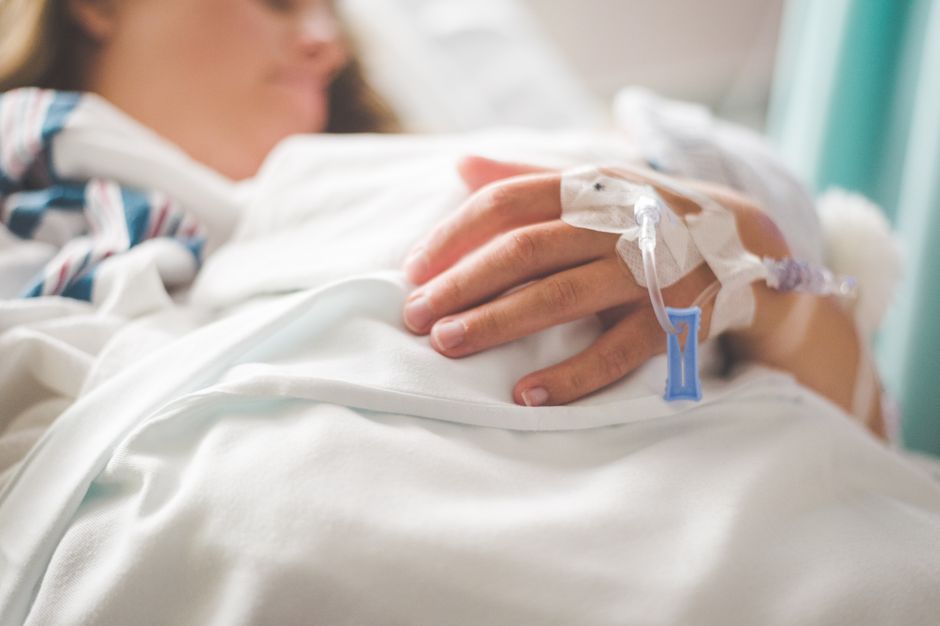
After endoscopic removal of a foreign body, you stay under medical observation for 1–4 hours. This time is needed to assess your general condition, make sure there are no complications and allow any sedation to wear off completely. Even when the procedure is done without anaesthesia, the mucous membrane needs time to settle.
In the first hours, patients often feel moderate discomfort in the throat or oesophagus, slight bloating, belching or nausea. All of this is a natural response of the tissues to mechanical irritation by the endoscope. The symptoms usually pass on their own within a few hours without any treatment.
If the procedure was carried out under general anaesthesia or deep sedation, coordination and concentration return gradually. In that case the doctor may recommend staying in the observation room for longer, sometimes up to 6 hours. You should definitely not drive yourself on the first day.
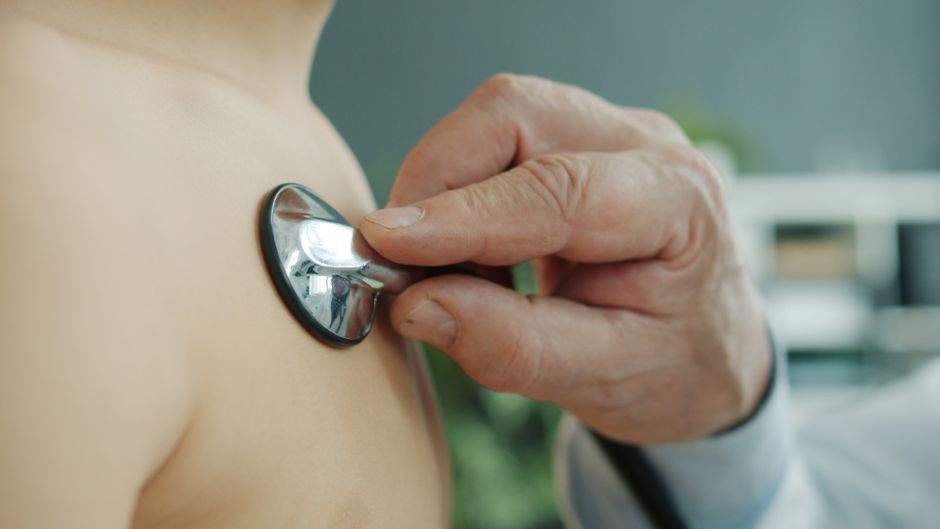
The medical staff check your pulse, blood pressure and blood oxygen saturation. If these are stable and you feel well, you are discharged with detailed written instructions. Keep the document with your home-care plan and read it carefully before you leave the clinic.
02The first 24 hours: routine and restrictions
The first day after the procedure is key to preventing complications. The main rule of this period is minimal strain on the digestive tract and airways, physical rest and having someone with you at all times. It is not advisable to stay at home alone, especially if sedation was used.
For the first 2–4 hours after leaving the clinic, food and fluids are usually restricted or excluded completely, depending on where in the body the foreign body was. After removal from the upper digestive tract, the ban on food may last longer than after a bronchoscopy. Your doctor will always give you specific times.
Alcohol is excluded completely on the first day: it intensifies the effect of any remaining anaesthetic, slows your reactions and increases the risk of bleeding from the mucous membrane. Smoking is also undesirable, especially if the foreign body was removed from the bronchi or larynx, where the lining is already irritated.
Physical activity in the first 24 hours should be kept to a minimum: walking at a calm pace is fine, but lifting heavy things, bending and sudden movements are not. Listen to your body: pay attention to any unusual sensations and note them down so that you can describe them to the doctor at your follow-up check.
Not sure which clinic to start with?
A MediUkraine coordinator will help you choose a clinic and a doctor for your case, free of charge.
03Eating after the procedure: what can you eat, and when?
Dietary recommendations after endoscopic removal of a foreign body depend on its location and the complexity of the procedure. The general principle is a gradual transition from liquid to solid food and from bland to your usual diet. No sudden changes: the digestive tract needs to adapt smoothly.
In the first few hours after the doctor allows it, you can start with a small amount of warm water or unsweetened tea. If swallowing is painless and you have no nausea, you can gradually introduce liquid foods: broth, thin porridge, puréed soup. Food should be at a moderate temperature: very hot or ice-cold food irritates the mucous membrane.
On the second or third day, most patients can already eat soft ordinary food: boiled vegetables, fish, eggs and porridge. Spicy, fried, acidic and hard foods are still excluded for now. The transition to a full diet usually happens by the end of the first week, but only after the doctor confirms it at your follow-up check.
Pay particular attention to chewing and swallowing. If the lining of the oesophagus or throat was irritated by the foreign body or the instruments, swallowing may remain uncomfortable for several days. Chew your food thoroughly and make your portions smaller. Never force food down through pain.
04Pain after the procedure: what is normal?
Mild pain or discomfort after endoscopy is expected and is not a sign of a complication. It comes from mechanical irritation of the mucous membranes and is usually local: in the throat, behind the breastbone or in the abdomen, depending on the area treated. These sensations gradually ease over 24–72 hours.
If the discomfort stops you from sleeping or eating, your doctor may recommend a painkiller, usually paracetamol or ibuprofen at standard doses. Aspirin is not recommended as a painkiller in the first days because it thins the blood and may increase the risk of minor bleeding from the mucous membrane; if you take aspirin regularly on prescription, do not stop it except as agreed with the doctor who prescribed it.
Prolonged or increasing pain is a different matter altogether. If the pain does not ease after the second day, gets worse when you swallow or spreads to the chest, abdomen or neck, see a doctor immediately. These symptoms may indicate a perforation or inflammation.
Pain in the ear after removal of a foreign body from the throat or oesophagus is what doctors call referred pain. It does not mean there is a problem with the ear, but you should tell your doctor. In most cases it passes on its own and needs no separate treatment.
05Recovery depending on where the foreign body was
The length and nature of recovery differ considerably depending on exactly where the foreign body was. The mouth, larynx, oesophagus, stomach and bronchi each have their own recovery features and their own list of restrictions.
Oesophagus and stomach
After removal of a foreign body from the oesophagus or stomach, patients most often complain of discomfort when swallowing and a feeling of a “lump” in the throat. These symptoms usually pass within 2–3 days. Your diet stays soft for up to a week. If the foreign body was sharp or caused an erosion of the lining, recovery takes longer, and your doctor may prescribe additional medicines to protect the mucous membrane.
Bronchi and airways
After a bronchoscopy to remove a foreign body, you may have a cough, slight hoarseness and a feeling of something in your chest, even though the object has already been removed. This is irritation from the endoscope. Patients are advised to avoid forced coughing, to stay out of dusty or smoky rooms and not to smoke. If shortness of breath or coughing up blood appears after the bronchoscopy, see a doctor immediately.
Rectum and colon
Removal of a foreign body from the lower digestive tract is usually followed by discomfort in the rectal area, slight discharge or pain when opening your bowels. During this period your diet should exclude foods that increase wind and constipation. Drink plenty of fluids and eat soft food with enough fibre.
06Physical activity: when can you return to your usual routine?
The answer depends on the complexity of the procedure, where the foreign body was and your general condition. For most people, a partial return to activity is possible within 24–48 hours after an uncomplicated endoscopic procedure. But “partial” does not mean full.
For the first two days, calm walking and a minimum of household tasks are recommended. Not allowed: lifting objects heavier than 3–5 kg, bending sharply, twisting your body or any exercise that tenses the abdominal muscles. These restrictions reduce the risk of bleeding and of increased pressure in the abdomen.
From the third or fourth day, most patients feel well enough for light walks, household chores and moderate activity. If you feel well and your doctor has confirmed there are no complications, you can gradually do more. But sport, swimming pools and physical work only with the specialist’s permission.
Patients who trained intensively before the procedure often ask when they can go back to the gym. The standard recommendation is no earlier than 7–10 days after an uncomplicated procedure and after a follow-up check. If in any doubt, it is better to ask your doctor again than to risk a setback.
07Returning to work: when is it realistic?
Most patients can return to desk-based or seated work on the second or third day after an uncomplicated endoscopic removal of a foreign body. If the procedure was done in the morning and without sedation, some feel quite capable the very next day. Still, do not rush.
If your work involves physical effort, such as lifting, long periods on your feet or bending, postpone your return until you have fully recovered. This is usually 5–7 days after an uncomplicated procedure, or longer if the mucous membrane was damaged. Ask your doctor for a sick note if you need one.
Driving after general anaesthesia or sedation is not allowed for at least 24 hours. Some sedatives act for longer, so your doctor may advise you not to drive on the second day either. Your reactions and concentration may be impaired even when you feel fine.
Patients whose work involves public speaking, their voice or their breathing, such as teachers, actors, singers and those who use breathing techniques professionally, should consult their doctor separately. After a bronchoscopy or removal of a foreign body from the larynx, the voice recovers at an individual pace, and forcing this process is dangerous.
08Follow-up checks: when and why?
A follow-up check after endoscopic removal of a foreign body is not a formality but an important part of recovery. Even if you feel great, the doctor needs to make sure there are no hidden complications: micro-perforations, inflammatory changes or residual damage to the mucous membrane.
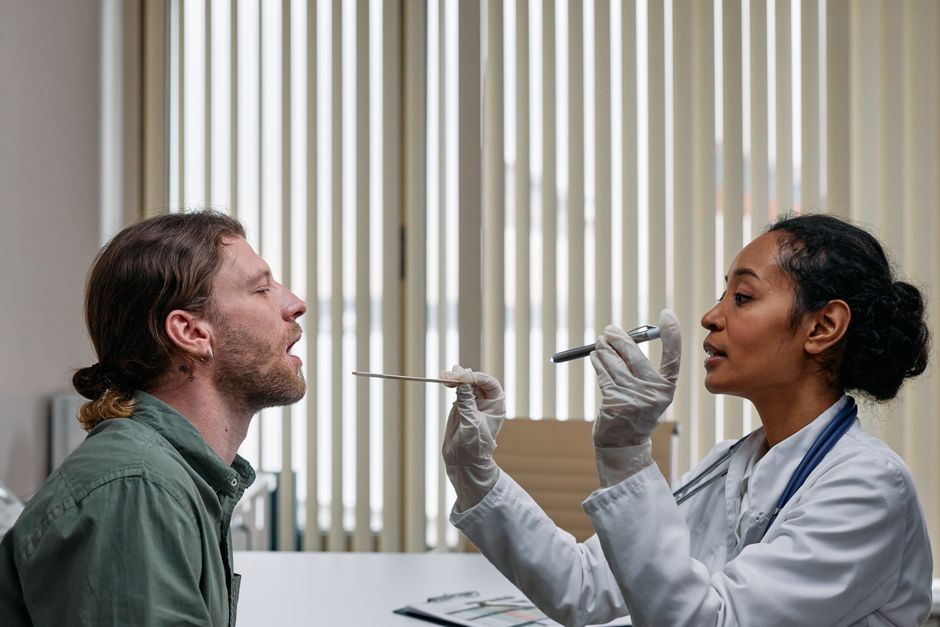
The first follow-up check is usually scheduled 1–3 days after the procedure. At this appointment the doctor assesses the mucous membrane, asks about your symptoms and decides on the next steps, such as whether to continue the diet or whether further tests are needed. Do not skip this visit even if you feel completely well.
If the foreign body was sharp or large, or caused tissue damage, a repeat endoscopy may be needed to assess healing. In some cases the doctor orders an X-ray or CT scan to rule out complications. All of this is standard practice, not a cause for alarm.
A second follow-up check usually takes place after 2–4 weeks. By then the mucous membrane has fully healed, and the doctor can confirm that you have recovered successfully. If you have any complaints, check-ups may be more frequent or arranged outside the schedule.
09Possible complications after the procedure
Endoscopic removal of a foreign body is a low-risk procedure, but like any medical intervention it is not risk-free. It is important to know about possible complications not to frighten yourself but to recognise danger in time and seek help.
The most common complications after the procedure:
- Irritation of the mucous membrane: occurs in almost all patients and usually resolves on its own within 2–3 days without treatment.
- Minor bleeding: a small amount of blood in your saliva or stool in the first 24 hours may be normal after a difficult extraction. Heavy bleeding is a reason to seek help urgently.
- Perforation: the most serious complication, but rare. It shows up as severe pain, fever and a sudden deterioration in your condition. It needs urgent medical help.
- Infection: can develop if the tissues were damaged by the foreign body before it was removed. Signs include a raised temperature, increasing pain and feeling unwell a few days after the procedure.
- Aspiration pneumonia: occurs after bronchoscopy in patients with a weakened protective reflex. It shows up as a cough, shortness of breath and a temperature over several days.
Most complications appear in the first 48–72 hours. That is why this is the most important period, and you should not be left without supervision during it.
10When should you see a doctor urgently?
Some symptoms after endoscopic removal of a foreign body mean you should not wait for your scheduled check but seek help urgently, at an emergency department or from the doctor who performed the procedure. Every patient should know these “red flags”.
Call your doctor or an ambulance immediately if you develop:
- Severe chest or abdominal pain: especially if it is getting worse and does not ease after a painkiller.
- A high temperature (above 38°C): together with chills, sweating and general weakness, this is a sign of infection or perforation.
- Heavy bleeding: blood in vomit, coughing up blood or a significant amount of blood in the stool is an emergency.
- Shortness of breath or difficulty breathing: even if it seems minor, any warning sign from the airways needs immediate assessment.
- A sudden worsening of swallowing: if you suddenly cannot swallow even liquids, this may indicate swelling or a complication in the oesophagus.
Do not hope that the symptoms will “go away on their own”. In such situations a few hours can make all the difference. It is better to seek help once too often and be reassured than to delay with a real complication.
Save the phone number of the clinic where you had the procedure in your phone contacts, so that you can reach the doctor or the staff on duty without delay if you need to.
11Medication during recovery
After an uncomplicated procedure, patients are not usually prescribed a long list of medicines. But in some situations medication helps speed up recovery and prevent complications. The decision is always made by the doctor: do not prescribe medicines for yourself.
If the lining of the oesophagus or stomach was irritated or damaged, the doctor may prescribe proton pump inhibitors, medicines that reduce acidity and protect the mucous membrane. The course is usually short: 7–14 days. Antacids in gel or suspension form may also be used to relieve symptoms.
Antibiotics are prescribed if there are signs of inflammation or a risk of infection. This is not standard practice after every procedure, but if the foreign body was in the tissues for a long time or damaged the mucous membrane, a preventive course of antibiotics is justified. Do not stop the course on your own.
Painkillers are taken as needed, and only those your doctor recommends. If you have no pain or only minimal pain, there is no need to take painkillers “just in case”. Overuse of NSAIDs in the first days can irritate the mucous membrane and mask the symptoms of complications.
12Your psychological state after the procedure
The psychological side of recovery is discussed less often than the physical one, but it has a significant effect on the quality of recovery. This applies especially to children, in whom foreign bodies in the airways occur most often, and to their parents, who often experience severe stress during and after the procedure.
Adult patients may feel anxious after the procedure, pay excessive attention to swallowing or breathing, or fear that the incident will happen again. This is a normal reaction that usually passes within a few weeks. If the anxiety lasts longer or interferes with everyday life, talk to your doctor or a psychologist.
After a bronchoscopy or oesophagoscopy, children may refuse food, be afraid to swallow or show regressive behaviour. It is important for parents not to pressure the child or force feeding, but to help them gently and patiently get back to normal. Consulting a child psychologist in difficult cases is entirely reasonable.
In general, a sense of control over the situation, when you understand what is happening and what to do, significantly reduces anxiety. That is why it is important to get clear recommendations from your doctor before you leave the clinic and not to be shy about asking questions.
13Recovery in children
Children are the most common group of patients who need endoscopic removal of a foreign body. Young children often swallow coins, toy parts or fruit stones, or put small objects in their nose and ears. Children recover faster than adults, but they need special attention from their parents.
In the first hours after the procedure, a child may be agitated, tearful or, on the contrary, very sleepy, especially after sedation. This is a normal reaction of a child’s nervous system. It is important to provide a calm environment, not to overload the child with stimulation and to let them rest.
A child’s diet after the procedure is restored gradually, following the same pattern as for adults: fluids, then soft food, then their usual diet. The child will show you when they are ready to eat, so do not insist. If the child refuses to drink for more than 6 hours, tell the doctor.
Parents should watch the child’s breathing carefully after a bronchoscopy: any wheezing, worsening cough or bluish lips are a reason to seek help immediately. A child’s body reacts quickly, and if complications develop, their condition can deteriorate rapidly.
14Preventing another foreign body incident
Once the acute situation has been resolved, the logical question is how to prevent it from happening again. Prevention depends on who the patient is and why the foreign body got into the body in the first place. The approaches for children and adults are quite different.
For children, the main prevention is a safe environment: toys without small parts for children under 3, careful supervision during meals, and teaching the habit of not putting objects in the mouth. Parents should know the first signs of aspiration: sudden coughing, shortness of breath, turning blue or difficulty breathing after play or a meal.
For adults the situation is different: foreign bodies often enter the digestive tract through hurried or careless eating, eating while drinking alcohol, or the habit of holding small objects such as needles, pins or nails between the teeth. Paying attention while eating and giving up risky habits are simple but effective measures.
Patients with swallowing disorders (dysphagia due to neurological conditions or after a stroke) are advised to see a speech and language therapist or a swallowing rehabilitation specialist regularly. You can find out more about the procedure itself on the page about endoscopic foreign body removal with MediUkraine.
15Longer-term recovery: the first month after the procedure
For most patients after an uncomplicated endoscopic removal of a foreign body, the first month is the time of a full return to normal. But a “full return” does not mean you can forget about the procedure the following week. There are several things worth keeping an eye on throughout this time.
Dietary restrictions are lifted gradually: by the end of the second week most patients return to their usual diet. But if the mucous membrane was significantly damaged, the doctor may recommend a gentle diet for up to four weeks. Avoid coarse, very spicy or very acidic food for a while even after you have formally been allowed to eat normally.
Physical activity usually returns to its usual level by the end of the first month. Regular moderate exercise, such as walking, gentle swimming or yoga without deep backbends, is beneficial from the second week. Intensive sport only with your doctor’s permission.
For a month, avoid spending long periods in places with heavy air pollution or smoke, and sudden changes in temperature. This applies especially to patients who had a foreign body removed from the bronchi or lungs, as their respiratory system needs more careful handling. Regularly airing rooms and humidifying the air help the mucous membranes recover faster.
MediUkraine can arrange the procedure with experienced endoscopists at our partner clinic, EXPERT medical network in Uzhhorod, and provide full support, from the first consultation to the follow-up check after the procedure. The clinic’s team communicates with international patients in English.
16Frequently asked questions
How long does recovery after endoscopic removal of a foreign body take?+
After an uncomplicated procedure, most patients feel back to normal within 1–3 days. Full recovery of the mucous membrane and a return to your usual routine take until the end of the first month, if there was no serious tissue damage.
Can I eat straight after the procedure?+
No. For the first 2–4 hours after the procedure, food and fluids are usually not allowed. After that, the doctor lets you start with small amounts of warm liquid and then move gradually to soft food. The exact timing depends on where the foreign body was and how complex the procedure was.
When can I go back to work after the procedure?+
For desk-based or seated work, usually after 1–2 days. For physical work or work involving lifting, no earlier than 5–7 days later and only with your doctor’s permission. If general anaesthesia was used, you must not drive for at least 24 hours.
Which symptoms after the procedure are dangerous?+
See a doctor or go to an emergency department immediately if you develop severe chest or abdominal pain, a temperature above 38°C, heavy bleeding, shortness of breath, difficulty swallowing liquids or a sudden worsening of your general condition.




