
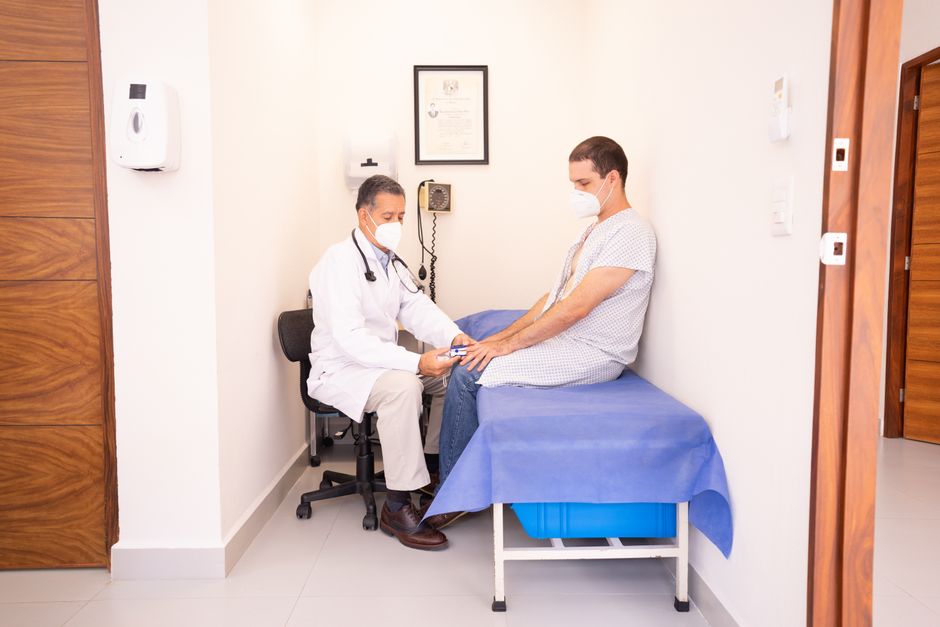
Benign prostatic hyperplasia (BPH) is one of the most common urological conditions in men over 50. In Ukraine, treatment ranges from medication to minimally invasive surgery. The key is to see a specialist in good time and choose the right treatment approach.
- Prostate hyperplasia responds well to treatment, both conservative and surgical.
- Modern minimally invasive methods shorten the hospital stay and reduce the risk of complications.
- The cost of treatment in Ukraine is considerably lower than in Poland, Germany or Israel.
- MediUkraine can arrange a consultation with a urologist at our partner clinic, EXPERT in Uzhhorod.
01How do you recognise prostate hyperplasia, and when should you see a doctor?
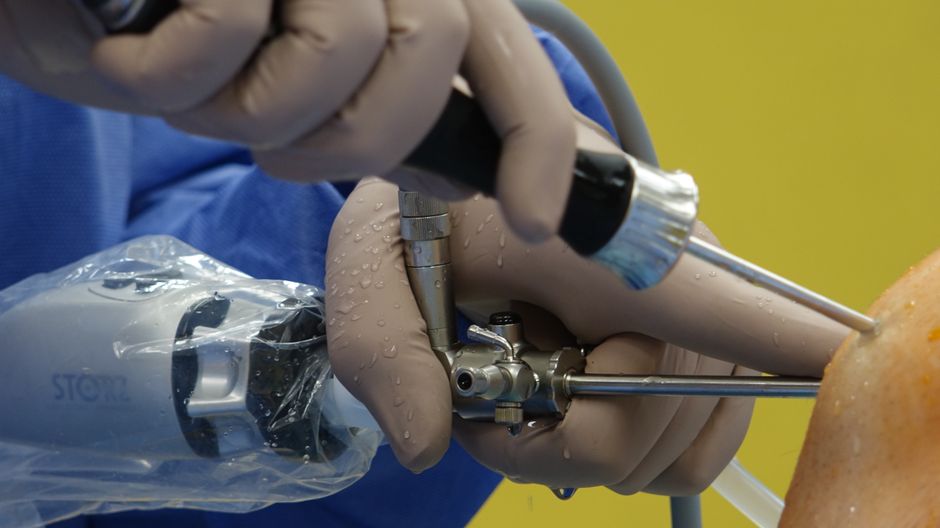
The first symptoms of BPH are often dismissed as a normal part of ageing — and this is the main mistake. Frequent urination at night, a weak stream and a feeling that the bladder has not emptied completely are all signs that need a urologist’s attention.
Without treatment, hyperplasia tends to progress. The consequences of advanced disease include chronic urinary retention, urinary tract infections and kidney damage. The earlier the diagnosis, the more options there are for conservative treatment.
Diagnosis: what the tests include
The standard diagnostic protocol includes a prostate ultrasound (transrectal or transabdominal), a PSA blood test, uroflowmetry and a urine test. In complex cases, an MRI or a urodynamic study is ordered.
A full urological work-up can often be completed in 1–2 days. This makes it possible to find out quickly how enlarged the gland is and to choose the best treatment approach.
02Which treatment methods for prostate hyperplasia are used in Ukraine?

The choice of method depends on the size of the gland, the severity of your symptoms and your general health. Urologists in Ukraine use the full range of modern approaches, from tablets to laser surgery.
If symptoms are moderate and the prostate is no larger than 40–50 ml, doctors often choose medication: it is effective and can delay the need for surgery for years.
Conservative treatment
Medication includes alpha-blockers (tamsulosin, doxazosin) and 5-alpha-reductase inhibitors (finasteride, dutasteride). The former relieve symptoms quickly, while the latter shrink the gland when taken long term.
Combination therapy is prescribed for moderate disease. It reduces the risk of acute urinary retention and the need for surgery by 50–60%.
Surgical and minimally invasive treatment
- TURP (transurethral resection of the prostate): the “gold standard” of surgery — endoscopic removal of tissue without incisions, with high effectiveness.
- Holmium laser enucleation (HoLEP): a modern alternative to TURP with less bleeding and a shorter hospital stay; suitable for a large gland.
- Photoselective vaporisation (PVP): the “green laser”, suitable for patients at higher risk of bleeding, with a short recovery time.
- Prostate artery embolisation (PAE): a minimally invasive endovascular procedure performed under X-ray guidance without general anaesthesia; it can be effective for large glands.
- Open adenomectomy: used for a very large prostate (over 80–100 ml), when endoscopic methods cannot remove all the tissue.
You can read more about the available approaches and their indications on our prostate hyperplasia treatment service page.
Not sure which clinic to start with?
A MediUkraine coordinator will help you choose a clinic and a doctor for your case, free of charge.
03How much does prostate hyperplasia treatment cost in Ukraine and abroad?
The cost depends on the method chosen, the extent of preliminary tests and the clinic. Prices for urological surgery in Ukraine remain considerably lower than in most European countries.
Below is an approximate comparison of the cost of surgical treatment for BPH (TURP or laser surgery, including the hospital stay):
| Country | Approximate cost | What affects the price |
|---|---|---|
| Poland | €3,000 – €6,000 | Type of procedure, language support, clinic |
| Germany | €7,000 – €14,000 | University or private clinic, diagnostics |
| Israel | €8,000 – €18,000 | The centre’s reputation, extent of pre-operative tests |
At our partner clinic, the cost is set after a consultation, once the treatment method is clear.
04How do patients recover after treatment, and what should you watch for?
Recovery time depends on the method. Medication involves no restrictions. After minimally invasive surgery, you are usually discharged after 1–3 days and return to your normal routine within 1–2 weeks.
After TURP or laser enucleation, some irritation when passing urine is possible in the first weeks — this is a normal tissue reaction. It usually settles within 4–6 weeks. It is important to avoid heavy physical exertion and to attend your follow-up appointments on time.
Long-term results
With well-chosen treatment, BPH symptoms resolve or improve significantly in 85–95% of patients. Regrowth of the prostate after surgery is possible but uncommon, and it usually takes many years — often 10–15 or more.
An annual PSA test and prostate ultrasound after surgery are the necessary minimum for detecting any changes in good time. Regular follow-up with a urologist is part of complete treatment.
MediUkraine can arrange a consultation with a urologist at our partner clinic, EXPERT in Uzhhorod, and help with everything you need for your treatment, from booking a consultation to support on the day of surgery. The clinic’s team communicates with international patients in English.
05Frequently asked questions
Does prostate hyperplasia always need surgery?+
No, not everyone needs an operation. For mild to moderate symptoms, medication is effective and can keep the condition under control for years without surgery. The urologist decides whether surgery is needed based on the size of the gland, how your symptoms change and your test results.
How long is the hospital stay after prostate surgery?+
After minimally invasive procedures (laser, vaporisation), patients stay in hospital for 1–3 days. After TURP, the stay is usually 3–5 days. Open adenomectomy may require 5–7 days in hospital.
At what age does prostate hyperplasia usually begin?+
Signs of an enlarged prostate are found in 40–50% of men over 50. Over the age of 70, this figure rises to 70–80%. However, not everyone develops symptoms, and some men need no treatment even when hyperplasia has been confirmed.
Can prostate hyperplasia be treated without a hospital stay?+
Medication and some minimally invasive procedures (such as prostate artery embolisation) are carried out on an outpatient or day-case basis. Conventional surgery requires a short hospital stay.




