
Allergies are common, yet many people treat the symptoms for years without ever finding out what causes them. An allergy check-up is a structured diagnostic programme that identifies your specific triggers and gives you a treatment plan within one or two clinic visits. It suits patients who want to deal with the problem systematically rather than simply damping down flare-ups with antihistamines.
- The check-up includes a consultation with an allergist, skin prick tests and a blood test for specific IgE
- The programme takes 1–2 clinic visits, with results within 3–7 days
- The cost depends on the size of the allergen panel
- Where indicated, allergen immunotherapy (AIT) or a medication plan is prescribed straight away
01Who needs an allergy check-up?
There are more indications than you might think. A check-up is recommended for anyone with seasonal or year-round rhinitis, urticaria, angioedema, food reactions, or bronchial asthma with unidentified triggers.
Children with atopic dermatitis and recurrent bronchial obstruction form a separate group. In their case, early diagnosis helps prevent the “atopic march”, the sequence in which one allergic condition follows another as the child grows up.
Finally, a check-up is useful for anyone planning a move, a change of job or a change of diet who wants to know their allergy status in advance. Prevention costs considerably less than treating complications.
Contraindications to skin tests
Scratch and prick tests are not carried out during a flare-up of allergy, while you are taking antihistamines, during pregnancy or in children under two. In these cases, diagnosis relies solely on a blood test, which is a safe and accurate alternative.
02What does an allergy check-up include?
The standard programme consists of several consecutive stages. Each has diagnostic value in its own right, but together they give the full picture.
- Consultation with an allergist: taking your history, analysing your symptoms and choosing the priority allergen panels for testing.
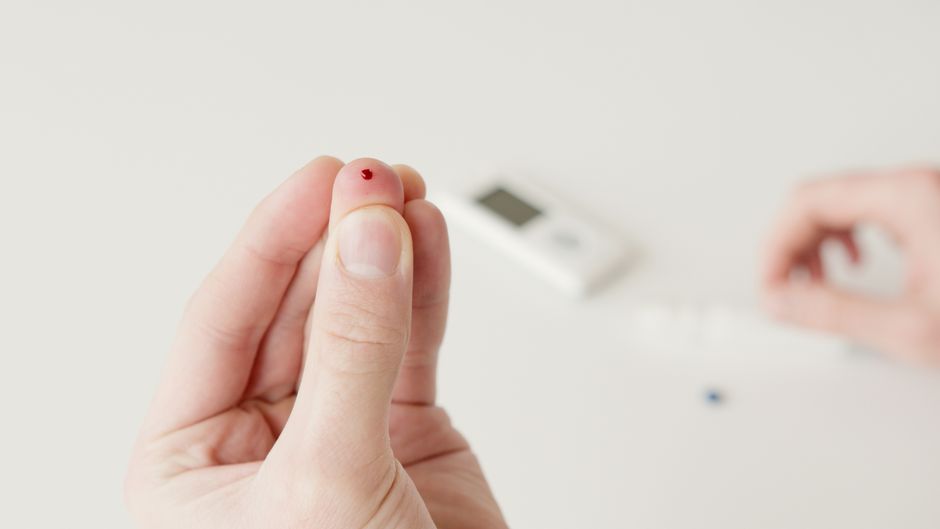
- Skin prick tests: rapid detection of IgE-mediated sensitisation to household, pollen, food and animal allergens, with a result in 20 minutes.
- Blood test for total and specific IgE: measures sensitisation quantitatively and is essential when skin testing is not possible.
- Molecular (component-resolved) diagnostics: clarifies cross-reactivity and helps predict how well allergen immunotherapy (AIT) will work.
- Full blood count with eosinophils: a supporting marker of allergic inflammation.
- Final consultation: interpreting the results and drawing up an individual plan for treatment or prevention.
Antihistamines are usually stopped at least 5–7 days before skin prick tests, otherwise the results may be falsely negative and the testing loses its point. Stop any medicine only as agreed with the doctor who prescribed it.
You can find more about what the programme includes on our allergy check-up service page.
Not sure which clinic to start with?
A MediUkraine coordinator will help you choose a clinic and a doctor for your case, free of charge.
03How does the testing go, from booking to results?

Day one is the consultation and skin testing. The doctor reviews your history, then drops of standardised allergens are applied to the skin of your forearm and the skin is pricked lightly. After 15–20 minutes the reaction is assessed: a wheal and redness indicate sensitisation.
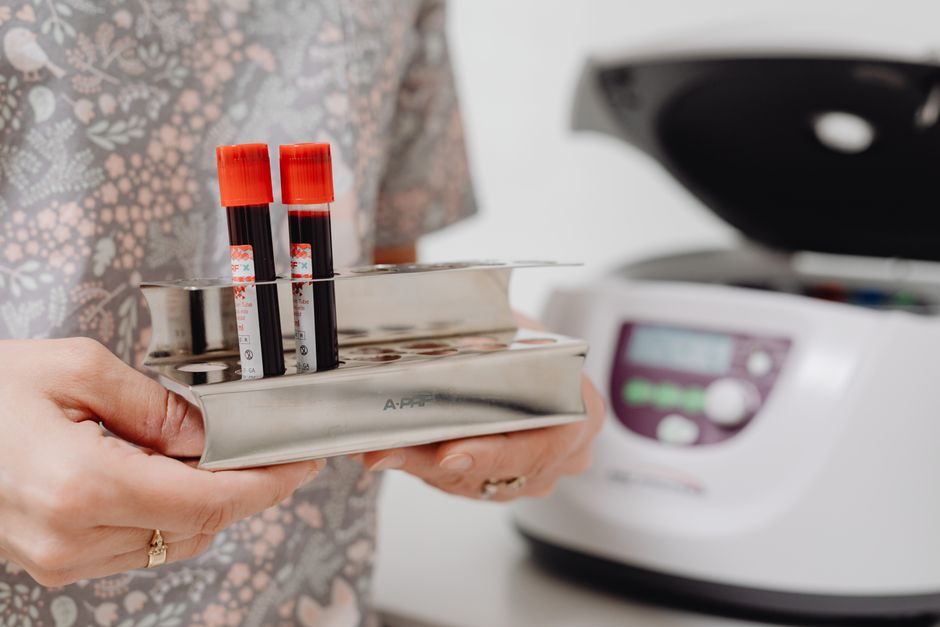
Blood is taken at the same visit or the next day. The laboratory test for specific IgE takes one to five working days, depending on the size of the panel and the laboratory.
The final stage is a follow-up consultation, at which the allergist explains the results, makes a diagnosis and proposes a strategy: avoiding the allergen, medication or AIT. You leave the clinic with a clear plan of action, not just a printout of test results.
AIT after the check-up
If sensitisation to pollen, house dust mites or insect (hymenoptera) venom is found, you may be offered allergen immunotherapy straight away. AIT is the only treatment that acts on the cause of the allergy rather than just the symptoms. For pollen allergy, a course is started outside the flowering season and lasts three to five years.
04How much does an allergy check-up cost in Ukraine and abroad?
The cost depends on the size of the allergen panel, the type of laboratory tests and the clinic. In Ukraine a full programme generally costs less than similar testing in EU countries or Israel. At our partner clinic the price is set once the scope of testing is agreed. For comparison, here are approximate prices abroad:
| Country | Approximate cost | What affects the price |
|---|---|---|
| Ukraine | Set after a consultation | Size of the allergen panel, type of tests |
| Poland | €250–500 | Number of allergens, molecular diagnostics |
| Germany | €400–900 | Level of the clinic, component testing, insurance cover |
| Israel | €500–1,200 | Broad panels, international laboratory accreditation |
MediUkraine can arrange an allergy check-up at our partner clinic, the EXPERT medical network in Uzhhorod, and help with every stage, from booking to receiving your results and treatment plan. The clinic’s team communicates with international patients in English.
05Frequently asked questions
Are skin allergy tests painful?+
A prick test involves a tiny, superficial prick of the skin, and the sensation is comparable to a light touch. Most patients find the procedure entirely tolerable, and children usually cope with it without much discomfort.
From what age can you have an allergy check-up?+
Skin tests are carried out in children from the age of two; a blood test for IgE can be done from the first months of life. A paediatric allergist chooses the type of testing individually, depending on the child’s age and clinical picture.
How long does the whole check-up take?+
The first visit, with the consultation and skin tests, takes 1.5–2 hours. Laboratory results are ready in 1–5 working days, followed by a follow-up consultation of about an hour.
Do you need special preparation before the check-up?+
Antihistamines and some antidepressants usually need to be stopped 5–7 days before skin tests. Do not stop any medicine, and especially not antidepressants, on your own: only as agreed with the doctor who prescribed them. The doctor will tell you exactly which medicines are affected. A blood test for IgE does not need special preparation.