
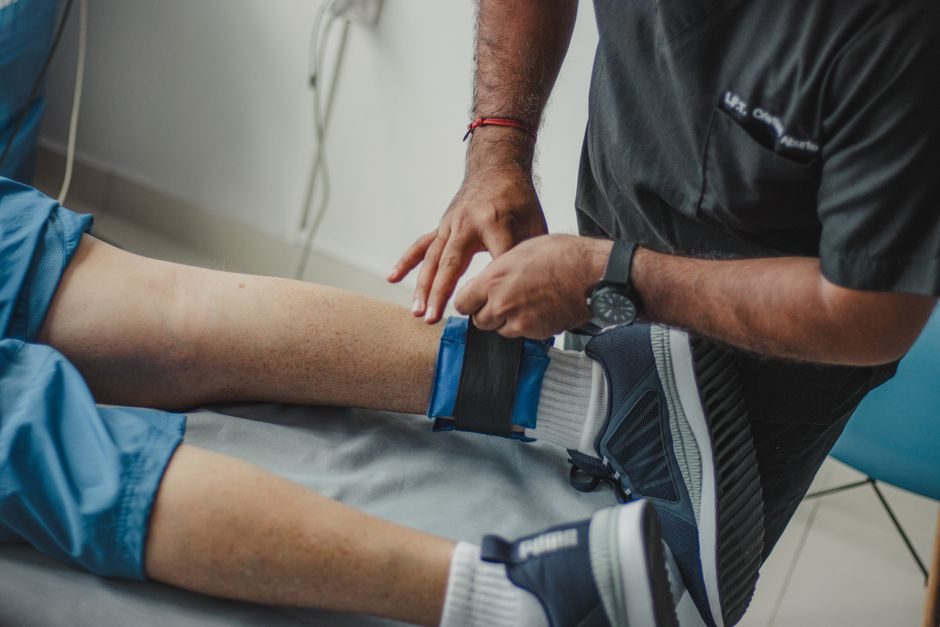
Musculoskeletal conditions, such as osteoarthritis, herniated discs, fractures and their after-effects, and other joint problems, are among the most common causes of disability in adults worldwide. Often non-surgical treatment no longer brings the desired result, and patients start to consider an operation. Ukraine is attracting growing interest as a destination for orthopaedic treatment: it combines qualified surgeons with extensive operating experience and treatment costs lower than for similar services in Poland, the Czech Republic or Hungary.
Learn more about the service: online consultation with an orthopaedic trauma surgeon.
01Why do international patients choose Ukraine for orthopaedic treatment?
The first reason is cost. A hip replacement in Poland costs from €5,000 to €12,000, depending on the type of prosthesis and the clinic. In the Czech Republic it costs from €7,000 to €15,000. In Ukraine, a similar operation including the implant will cost from €2,000 to €4,500. The picture is similar for knee replacement: from €7,000 in the EU and from €2,500 in Ukraine.
The second factor is the surgeons’ experience. Busy orthopaedic clinics in Ukraine perform a large number of operations, which means a surgeon builds up considerable personal experience.
The third advantage is speed. In many EU countries, the waiting list for planned orthopaedic surgery can reach 6–18 months. In Ukraine, at a private clinic where there is no insurance-based waiting list, the operation can often be carried out within a few weeks. For patients living with pain and limited mobility, this is an extremely important factor.
Finally, the level of support for international patients plays an important role. At MediUkraine’s partner clinic, EXPERT in Uzhhorod, the team communicates with international patients in English. A coordinator supports you from the first contact until you return home, sends you a written treatment plan and cost estimate in English before the trip and can advise on accommodation near the clinic for the rehabilitation period.
02The most popular orthopaedic operations among international patients in Ukraine
Hip replacement is the most common orthopaedic operation among medical travellers. Indications: advanced hip osteoarthritis, a fracture of the femoral neck or necrosis of the femoral head. The operation takes 1–2 hours, and you start walking as early as the day after surgery. The rehabilitation period is 4–6 weeks, and full recovery takes 3–6 months. Most patients can go home 10–14 days after the operation.
Knee replacement is the second most common orthopaedic procedure among medical travellers. Indications: grade 3–4 knee osteoarthritis, rheumatoid arthritis with joint destruction and the after-effects of serious injuries. Modern implants, cemented and uncemented, with a mobile or fixed bearing, make it possible to choose the most suitable design for each patient. The stay in Ukraine is usually 14–18 days.
Endoscopic spinal microsurgery (discectomy, decompression) is the minimally invasive removal of a herniated or sequestered disc fragment that is pressing on a nerve root. The operation is performed through a very small incision using an endoscope, which considerably shortens recovery. Most patients are discharged after 2–3 days; when you are ready for the journey home is something to agree with your surgeon.
Arthroscopic operations on the knee, shoulder and ankle are minimally invasive alternatives to open surgery for damage to the menisci, ligaments and cartilage. Because the incisions are very small, recovery is usually much faster, and you can leave the clinic within one or two days of the operation.
03How to organise treatment in Ukraine: from consultation to rehabilitation
Organising orthopaedic treatment in Ukraine usually starts with a remote consultation. The orthopaedic surgeon reviews your scans (MRI, CT, X-rays) and decides whether surgery is indicated and which technique is most suitable. MediUkraine can arrange this online consultation with an orthopaedic surgeon at the partner clinic.
Once the treatment plan has been agreed, a coordinator helps you choose a convenient time to arrive and can advise on travel and accommodation. Patients usually arrive in Uzhhorod the day before the operation for the pre-operative examination (blood tests, ECG, assessment by an anaesthetist). This makes it possible to rule out contraindications and prepare for the operation.
Rehabilitation is a key stage of recovery after orthopaedic surgery. Good clinics have their own rehabilitation departments or partner rehabilitation centres offering a full range of treatments: physiotherapy, exercise therapy, massage and lymphatic drainage. A physiotherapist starts working with you on the first or second day after the operation and draws up an individual recovery programme. Patients who want to complete their rehabilitation course in Ukraine usually stay for 3–4 weeks.
On discharge, every patient receives a detailed medical report, recommendations for rehabilitation at home, follow-up X-rays or an MRI (depending on the type of operation) and a schedule of follow-up check-ups. The coordinator stays in touch after you return home and, if needed, arranges an online consultation with the surgeon who operated on you.




