Allergic conjunctivitis is one of the most common eye conditions, and it responds well to treatment when the right therapy is chosen. Even after the acute symptoms have gone, however, your eyes need time and proper care to recover fully. This article answers the key questions about the recovery period.
- Acute symptoms usually go within 24–72 hours of starting treatment; full recovery takes 1–4 weeks.
- In the first few days, it is important to avoid the allergen, not rub your eyes and stick to the schedule for your eye drops.
- A follow-up appointment with the doctor 7–14 days after starting treatment is a must.
- Preventing repeat episodes involves removing allergens, eye hygiene and, if needed, allergen-specific immunotherapy.
- What happens to your eyes straight after starting treatment?
- The first 24–48 hours: the main rules
- How to put in eye drops correctly during recovery
- What you can and cannot do during the first week
- Diet during recovery: are there any restrictions?
- Physical activity: when, and what kind, is allowed?
- Going back to work: when, and with what restrictions?
- Follow-up appointments: when and why?
- What complications are possible and how do you recognise them?
- When should you see a doctor immediately?
- How to control allergen levels at home during recovery
- How to restore the tear film after prolonged inflammation
- Allergen-specific immunotherapy: is it suitable after an acute episode?
- Preventing repeat episodes: what to do after you recover
01What happens to your eyes straight after starting treatment?
The first hours after starting treatment are an important period when your body responds to the medicines. Antihistamine eye drops usually start working within 15–30 minutes: the itching eases, the redness fades and the discharge becomes less heavy. A gritty feeling in the eyes or mild watering may still last a few hours.
If your doctor has prescribed mast cell stabilisers, their effect builds up over time and shows after 2–5 days of regular use. So do not expect instant relief from this class of medicines in the first few hours.
Corticosteroid drops, if they are part of your treatment, reduce inflammation within a few hours, but they are not used for longer than your ophthalmologist recommended, even if the symptoms persist. Do not change the dose or switch medicines on your own.
In the first hours after starting treatment, it is also important to check whether you have been exposed to the allergen again. If the trigger is still around you, no medicine will work fully: the lining of the eye will stay chronically inflamed. Avoiding the allergen and taking your medication have to go hand in hand.
02The first 24–48 hours: the main rules
In the first two days your eyes remain sensitive and prone to further irritation. Do not rub your eyes with your hands, even if the itching seems unbearable. Rubbing damages the conjunctiva mechanically and triggers the release of more histamine, which makes the inflammation worse.
If there is discharge, gently rinse your eyes with sterile saline or special eye-wash drops. Use a separate cotton pad for each eye to avoid spreading the inflammation from one eye to the other. Ordinary tap water is not suitable for rinsing: it may contain chlorine, which further irritates the mucosa.
Contact lenses are completely ruled out during this period. Lenses collect allergens and the preservatives from eye drops, making the irritation worse. Even if you have worn lenses for years, switch to glasses during a flare-up and for the whole course of treatment.
Also avoid bright light, wind and air-conditioned air: these dry out the mucosa and slow down recovery. Outdoors, wear close-fitting sunglasses with wide side arms. At home, keep the windows closed, especially during the flowering season.
Not sure which clinic to start with?
A MediUkraine coordinator will help you choose a clinic and a doctor for your case, free of charge.
03How to put in eye drops correctly during recovery
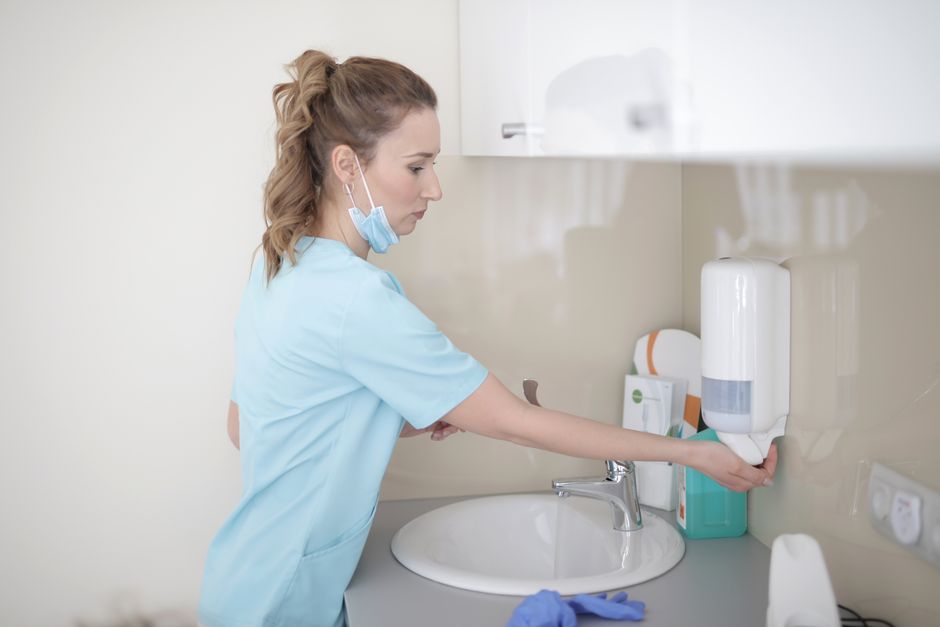
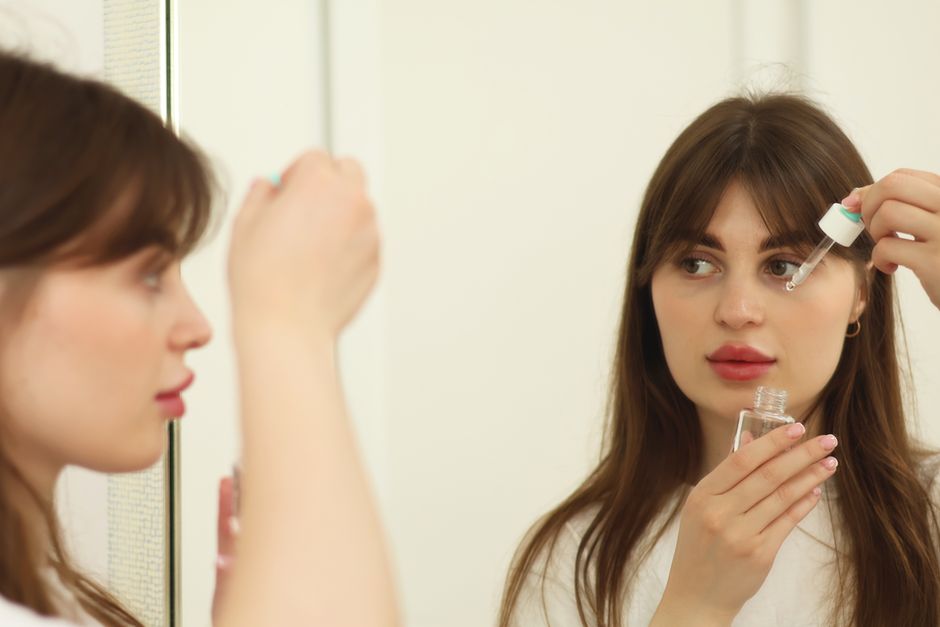
The right technique for putting in eye drops directly affects how well the treatment works. Wash your hands thoroughly with soap first. Tilt your head back slightly, gently pull the lower eyelid down and place the drop in the pocket between the eyelid and the eye, not on the cornea or the eyelashes.
After putting in a drop, close your eyes for 1–2 minutes and press lightly with a finger on the inner corner of the eye. This stops the medicine draining into the tear duct and being absorbed into the bloodstream, which is particularly important with antihistamine and corticosteroid drops.
If your doctor has prescribed several kinds of drops, leave a gap of at least 5–10 minutes between them. If a gel or ointment has been prescribed along with the drops, put it in last: it is thicker and can reduce the absorption of the earlier medicines.
Never skip a scheduled dose and do not increase the dose on your own. A steady level of the medicine in the eye tissues gives an even anti-inflammatory effect and helps the mucosa recover. The first results of sticking to the schedule usually become noticeable by day 2–3.
04What you can and cannot do during the first week
The first week after starting treatment is the most important for consolidating the result. You can lead a normal life with some restrictions: a gentle walk in the fresh air (when there is no pollen), reading, computer work with regular breaks every 30–40 minutes. Artificial tear drops can help reduce screen fatigue.
Avoid swimming pools, saunas and open water: chlorine and microorganisms in the water further irritate the inflamed conjunctiva. Also put eye make-up aside: mascara, eyeliner, eyeshadow. Even hypoallergenic cosmetics are best avoided during this period.
Avoid contact with animals if their fur is a potential allergen. Air your rooms regularly in the evening, when the pollen concentration in the air is lowest. When you come in from outside, change your clothes and wash your face straight away.
It is important to keep indoor humidity at a comfortable level of 50–60%. Air that is too dry slows down the recovery of the tear film. A humidifier and an air purifier with a HEPA filter are useful both during treatment and for long-term prevention.
05Diet during recovery: are there any restrictions?
Allergic conjunctivitis often goes hand in hand with food allergy or cross-reactive allergy. That is why it is worth reviewing your diet carefully during recovery. If your allergist has already identified the allergen responsible, cut out foods that cross-react with it: for example, if you are allergic to birch pollen, limit apples, peaches, cherries and nuts.
Histamine-releasing foods can intensify the body’s allergic reaction and make your eyes worse even without direct contact with the allergen. These include tomatoes, strawberries, citrus fruit, chocolate, fermented cheeses, vinegar and alcohol. In the acute period, keep them to a minimum.
Foods with anti-inflammatory properties may be helpful instead: oily fish (salmon, mackerel), flaxseed and walnuts, which are sources of omega-3 fatty acids. They may help support the tear film and reduce the inflammatory response.
Drinking enough fluid, at least 1.5–2 litres a day, helps keep the mucous membranes moist. It is best to agree your diet during a flare-up with an allergist, especially if you already have a history of food allergy.
06Physical activity: when, and what kind, is allowed?
In the acute and subacute period, the first 5–7 days, physical exertion should be significantly limited. Intense exercise increases blood flow to the tissues, including the conjunctiva, which can make swelling and inflammation worse. Sweat getting into your eyes is an extra irritant.
Moderate walks in the park (when the pollen count is low), light stretching at home and yoga without inverted poses are allowed. Inverted poses such as headstands, plough pose and downward-facing dog raise the pressure inside the eye and are best avoided while the conjunctiva is inflamed.
The gym, team sports and running outdoors during the flowering season should all wait until the symptoms have gone completely. If you plan to train outdoors outside the pollen season, wear close-fitting glasses that protect against dust and wind.
Once the symptoms have gone completely and your ophthalmologist has given you the go-ahead, gradually return to your usual training. Start with half your usual load and build it up over 7–10 days. If symptoms come back after training, see your doctor without waiting for your next appointment.
07Going back to work: when, and with what restrictions?
Most patients can return to office work by day 2–3 of treatment, as soon as the acute symptoms subside and their condition stabilises. Offices, however, can contain hidden irritants: house dust mites in carpets, colleagues’ perfume, dry air-conditioned air.
If your work involves long hours at a screen, follow the 20-20-20 rule: every 20 minutes, look at something 20 feet (about 6 metres) away for 20 seconds. This reduces eye strain and helps stop the cornea drying out.
People who work with chemicals, dust, paints or animals need a longer recovery period, or should return to work only with protective goggles. When you can go back to such working conditions is decided individually with your ophthalmologist or allergist.
If you work in healthcare, services or education, and so are in constant contact with people, make sure your symptoms do not point to an infection. Allergic conjunctivitis is not contagious, but a secondary bacterial or viral infection needs extra treatment and can be passed on to others.
08Follow-up appointments: when and why?
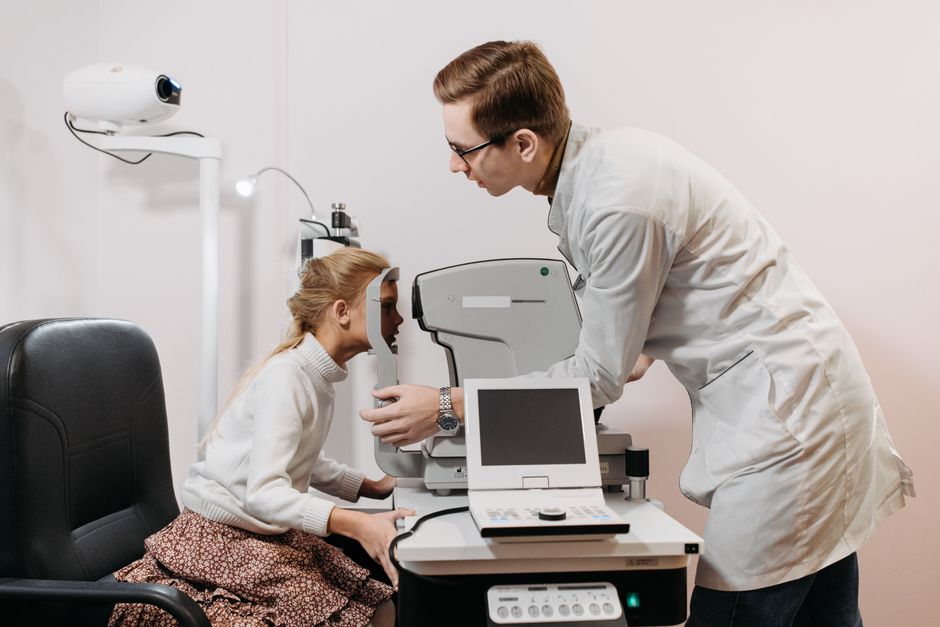
The first follow-up appointment with the ophthalmologist is scheduled 7–14 days after starting treatment. At this visit the doctor assesses how the inflammation is changing, checks the conjunctiva and cornea and looks at whether the chosen treatment is working. If necessary, the dose or the medicines are adjusted.
If your treatment includes corticosteroid drops, a follow-up appointment is needed even sooner, after 5–7 days. Steroids can raise the pressure inside the eye, so the ophthalmologist measures it at every visit. Long-term unsupervised use of steroid drops can lead to steroid-induced glaucoma or cataract.
After the course of treatment, a final check-up confirms that you have fully recovered. If the conjunctivitis comes back more than twice a year, the ophthalmologist will refer you to an allergist for further tests and a long-term prevention plan.
Patients with chronic allergic conjunctivitis are advised to have a routine eye check twice a year, even when they have no symptoms. This allows low-grade inflammation to be detected early and preventive treatment to be adjusted before marked symptoms appear.
Do not cancel your follow-up appointment even if your eyes no longer bother you: some complications, in particular raised eye pressure while using steroid drops, cause no noticeable symptoms at the early stage.
09What complications are possible and how do you recognise them?
In the vast majority of cases, allergic conjunctivitis ends in full recovery without after-effects. With a severe course, symptoms ignored for a long time or inappropriate self-treatment, however, complications can develop that need a change of treatment.
The most common complication is a secondary bacterial or viral infection. Its signs: pus or yellow-green discharge, eyelashes stuck together after sleep, a sharp increase in pain and redness. In this case antibacterial drops are added to the anti-allergy treatment.
In severe allergic conjunctivitis (for example, vernal keratoconjunctivitis), the cornea can be affected (keratitis). Its signs: reduced sharpness of vision, marked sensitivity to light, a feeling of something in the eye. This needs urgent eye care.
Scarring of the conjunctiva is a rare complication, mainly after long-standing untreated chronic inflammation. That is why seeing a doctor in good time and following the prescribed treatment are your main protection against serious consequences for your sight.
10When should you see a doctor immediately?
Most patients are treated successfully as outpatients, but some symptoms mean you should see an ophthalmologist immediately, without waiting for a scheduled appointment. Ignoring these signals can have serious consequences.
See a doctor immediately if you have:
- A sudden drop in vision: even temporary blurring that does not clear after putting in drops may indicate damage to the cornea.
- Severe pain in the eye: allergic conjunctivitis causes itching and discomfort, but not sharp pain; pain is a sign of another, more serious condition.
- Swollen eyelids that are hard to open: this may indicate angioedema or a severe allergic reaction that needs whole-body treatment.
- No improvement at all after 72 hours of treatment: the diagnosis and treatment plan need to be reviewed.
If difficulty breathing, facial swelling or hives appear together with the conjunctivitis symptoms, this may be a severe whole-body allergic reaction (anaphylaxis), and you need an ambulance. Call emergency services immediately (103 in Ukraine); if you have been prescribed an adrenaline auto-injector, use it.
11How to control allergen levels at home during recovery
Removing the allergen, or keeping your contact with it to a minimum, is an essential condition for a successful recovery. If the allergen responsible has not been identified, it is worth having allergy testing once the acute symptoms have subsided. Without knowing the allergen, prevention will not be very effective.
If you are allergic to pollen from flowering plants, follow pollen forecasts; apps with this information are available for many cities. Plan walks for the evening or for the morning after rain, when pollen levels are lowest. When you come home, always wash your face and rinse your nose and throat.
If you are allergic to house dust mites, replace pillows and duvets with hypoallergenic ones with synthetic filling, vacuum with a HEPA-filter vacuum cleaner and wash your bedding at 60°C every week. Ideally, replace carpets in the bedroom with laminate or parquet flooring.
If you are allergic to animals, the animal should not be in the bedroom during treatment, and ideally not in the flat at all. If that is not possible, washing the animal daily and regular damp cleaning considerably reduce the allergen concentration. To find out more about how comprehensive treatment is organised, see more about the service on MediUkraine.
12How to restore the tear film after prolonged inflammation
Prolonged allergic inflammation of the conjunctiva disrupts the stability of the tear film. The cells that produce the mucin layer of the tears are damaged by inflammatory mediators. After the acute process has settled, patients often notice dryness and a gritty feeling in the eyes even after the allergy symptoms have gone.
To restore the tear film, ophthalmologists prescribe artificial tears: drops based on hyaluronic acid, carboxymethylcellulose or polyethylene glycol. They form a protective film on the surface of the cornea and keep the eye moist between applications.
It is important to choose preservative-free drops, especially if you use them more than 4 times a day. The preservative benzalkonium chloride is toxic to the corneal epithelium with long-term use and can make the already compromised eye surface worse.
Besides drops, a diet with plenty of omega-3 and taking vitamin D and magnesium (only as agreed with your doctor) may help. Restoring the stability of the tear film after prolonged inflammation can take from 2 weeks to 2 months, depending on how severe the conjunctivitis was.
13Allergen-specific immunotherapy: is it suitable after an acute episode?
For patients with a confirmed allergy that comes back every year or is hard to control with medicines, allergen-specific immunotherapy (AIT) is a method that targets the root cause of the condition. It gradually reduces the immune system’s sensitivity to a specific allergen.
AIT is only started in remission, no earlier than 3–4 weeks after the acute symptoms have completely subsided. It is not given during active inflammation or a flare-up of any allergic reaction. So an acute episode of conjunctivitis is a time for recovery, not for starting a new course of treatment.
A course of AIT usually lasts 3–5 years and is given as injections under the skin or as drops or tablets under the tongue. Studies show that after a full course, symptoms of allergic conjunctivitis decrease significantly in many patients, and in some they disappear.
Whether AIT is appropriate is decided by an allergist-immunologist based on skin tests or blood tests for specific IgE. If you have recurrent allergic conjunctivitis, discuss this with a specialist: immunotherapy started in good time can noticeably improve your quality of life.
14Preventing repeat episodes: what to do after you recover
Full recovery from acute allergic conjunctivitis is no reason to forget about the problem. Without consistent prevention, relapses are likely, especially during the flowering season or with constant exposure to household allergens. Prevention needs a comprehensive approach.
First, allergy testing. If the allergen responsible has still not been pinpointed, have skin prick tests or a blood test for specific IgE. Once you know what you are dealing with, you can keep contact with it to a minimum and prepare for the season in advance.
Second, preventive drops. Mast cell stabilisers (cromoglicic acid, nedocromil) are started 2–4 weeks before the expected flowering season, before the first symptoms appear. This approach considerably reduces the severity of the next flare-up.
Third, controlling your environment. Regular damp cleaning, HEPA filters in your vacuum cleaner and air conditioner, hypoallergenic bedding and avoiding long periods outdoors at peak pollen season together considerably reduce your allergen load. Prevention is a daily routine, not a one-off measure.
MediUkraine can arrange treatment and long-term follow-up for allergic conjunctivitis at our partner clinic, EXPERT medical network in Uzhhorod, and organise all the medical services you need in a format that suits you. The clinic’s team communicates with international patients in English.
15Frequently asked questions
How long does full recovery from allergic conjunctivitis take?+
Acute symptoms usually go within 1–3 days of starting treatment. The conjunctiva recovers fully within 1–4 weeks, depending on how severe the inflammation was and how closely you follow your doctor’s advice.
When can you go back to wearing contact lenses?+
You can wear contact lenses again no earlier than 7–10 days after the symptoms have gone completely, and only with your ophthalmologist’s permission. Going back to lenses too soon increases the risk of relapse and complications.
Is allergic conjunctivitis contagious?+
No, allergic conjunctivitis is not an infectious disease and is not passed from person to person. However, if a bacterial infection develops on top of the allergic inflammation, it can be contagious, which is why an accurate diagnosis matters.
Can you use home remedies, such as rinsing your eyes with tea?+
Rinsing your eyes with brewed tea is not recommended: it can introduce infection and further irritate the inflamed conjunctiva. Use only sterile saline or special eye-irrigation solutions for rinsing.