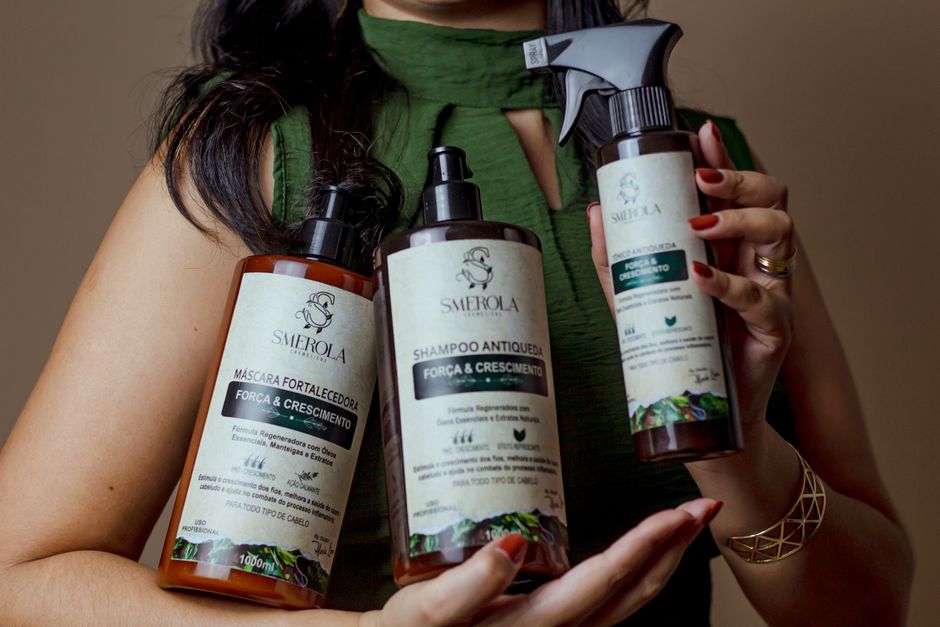
Alopecia areata is a condition in which the immune system attacks the body’s own hair follicles, causing sudden hair loss in round patches. Treatment may include corticosteroid injections, mesotherapy, PRP therapy or systemic medication — depending on the extent of the hair loss and your individual situation. Recovery after each of these methods has its own features, which are worth knowing before treatment begins.
- The first signs of hair regrowth appear 4–12 weeks after starting treatment.
- For 24–72 hours after injections or PRP, avoid exercise and overheating.
- Proper scalp care speeds up recovery and reduces the risk of relapse.
- Regular follow-up visits are essential — the follicles need ongoing monitoring.
- What happens to the scalp straight after the procedure?
- The first 24 hours: what you can do and what to avoid
- What happens during the first week after treatment?
- When do the first results appear?
- How to care for your scalp during recovery
- What diet supports hair follicle recovery?
- Physical activity and sport: when to return
- Work and social life: when can you get back to normal?
- What side effects are there, and how do you tell them apart from complications?
- When should you see a doctor immediately?
- Follow-up visits: how often and why?
- How recovery differs by treatment method
- The emotional side of recovery: why it matters
- Preventing relapse: what can you do after recovery?
- Long-term results: what can you realistically expect?
01What happens to the scalp straight after the procedure?
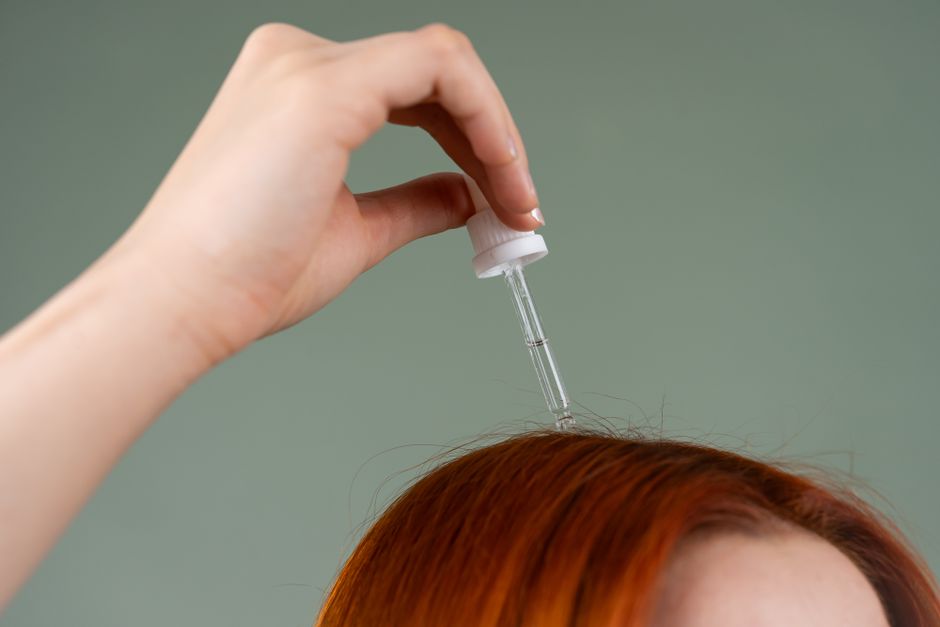
The first hours after alopecia areata treatment are the most sensitive time for the scalp. After corticosteroid injections or PRP therapy, you may have moderate tenderness, local redness and slight swelling at the injection sites. This is a normal tissue reaction to the injection.
After mesotherapy, the treated area may look evenly red with small bumps from the micro-injections. These disappear within 2–6 hours. Irritation after topical treatments — such as minoxidil or topical corticosteroids — is usually minimal and limited to mild itching.
Do not touch the treated area with your hands for the first 4–6 hours. The skin is particularly vulnerable to bacteria at this time, so scratching, massaging or combing can cause inflammation or introduce infection into the tiny needle wounds.
Straight after the procedure, the doctor usually applies a mild antiseptic or gives you a specific home-care routine. Following these instructions in the first hours directly affects how quickly and comfortably you recover.
02The first 24 hours: what you can do and what to avoid
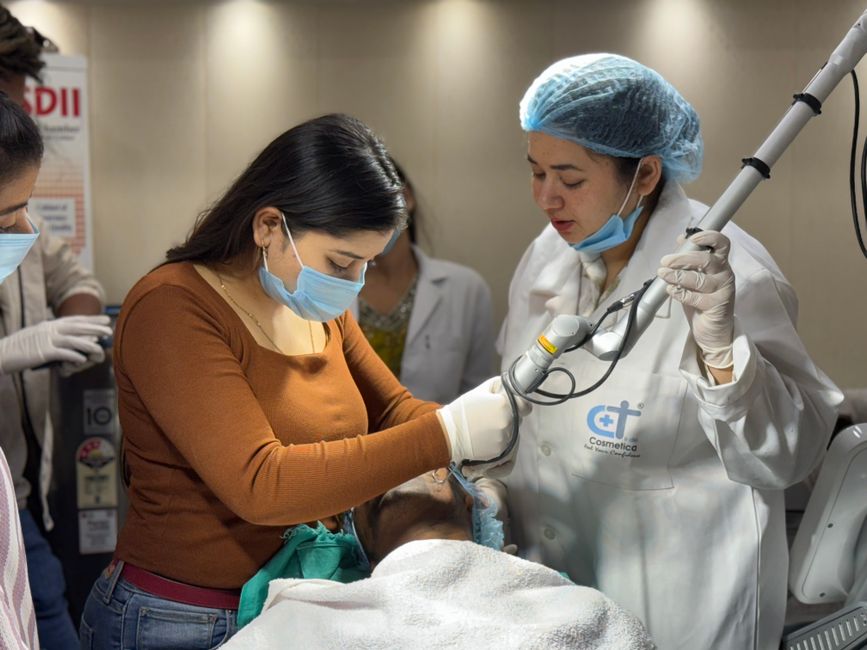
For the first day after the procedure, your scalp needs as much rest as possible. Do not wash your hair for at least 24 hours — water and shampoo can wash the product out of the injection area or irritate the slightly damaged skin. If the procedure was in the evening, do not wash your hair the next morning either.
Avoid sunlight, saunas, steam baths and hot showers. Heat dilates the blood vessels, increases swelling and may affect how the injected product is absorbed. If it is hot or very sunny outside, wear a hat — but make sure it is clean and does not press on the scalp.
Alcohol in the first 24 hours noticeably reduces the effectiveness of treatment, especially after PRP: it suppresses platelet activity and slows healing. Doctors also advise avoiding smoking, which constricts blood vessels and reduces the nourishment of the follicles just when it matters most.
It is best to put off exercise, even moderate exercise. Sweat irritates sensitive skin, and friction from a hat or helmet during training makes irritation worse. Ordinary daily activity — walks and household tasks — is quite enough.
Not sure which clinic to start with?
A MediUkraine coordinator will help you choose a clinic and a doctor for your case, free of charge.
03What happens during the first week after treatment?
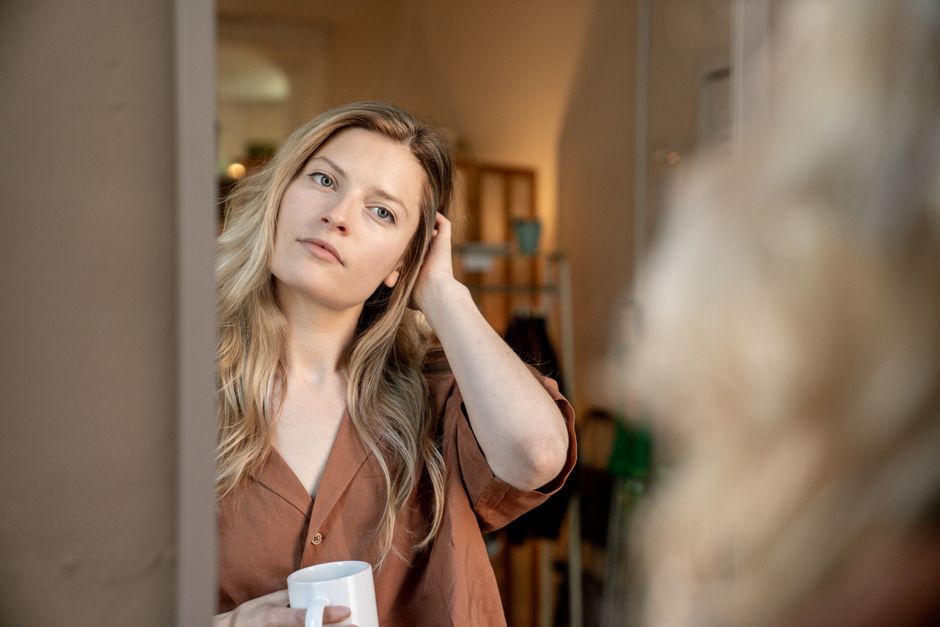
The first week is a stabilisation phase. Swelling and redness gradually subside and the scalp returns to its normal appearance. Slight tenderness at the injection points in the first days is normal and does not need any extra treatment.
Some patients notice slight flaking of the skin in the treated area — especially after topical products or device-based treatments. This is a natural reaction as the outer layer of skin renews itself. Do not use scrubs, peels or harsh shampoos at this time.
From the third or fourth day, you can usually go back to washing your hair as normal, but with a mild sulphate-free shampoo. The water should be comfortably warm, not hot. You can use a hairdryer, but only on the lowest heat setting and at least 20 cm away from your head.
Hair remaining in the affected area may continue to fall out during the first week — this does not mean the treatment is not working. The follicle needs time to “restart”. Do not expect noticeable new growth earlier than 4–6 weeks after injections.
04When do the first results appear?
When the first results appear depends largely on the treatment method and on how your immune system responds. After a course of corticosteroid injections, the first fine “vellus” hairs usually appear in the affected area after 4–8 weeks. After PRP therapy, this may take 8–12 weeks.
Regrowth begins with thin, unpigmented (often light or even white) fuzz. Gradually, the hair regains its colour and normal texture. This takes from several weeks to several months, depending on how deep and long-standing the hair loss is.
It is important to understand that a single procedure rarely restores hair fully when patches are large. A course of treatment usually consists of 3–6 sessions, 4–6 weeks apart. It is best to assess results between sessions with your doctor — the trichologist or dermatologist who is monitoring your progress.
If there is no result 3–4 months after starting treatment, it is a signal to adjust the treatment plan, not a reason to despair. You can read about combined treatment approaches that use several methods together on our alopecia areata treatment page.
05How to care for your scalp during recovery
Daily care after alopecia areata treatment is not just about comfort — it is part of the treatment. The main rule is: nothing harsh. Shampoos containing sulphates, silicones, alcohol and fragrances can irritate sensitive skin and interfere with topical treatments.
Choose mild shampoos with a neutral pH (5.5–6.5) designed for sensitive or easily irritated scalps. Some trichologists recommend medicated shampoos with ketoconazole or zinc pyrithione if you also have seborrhoeic dermatitis.
Apply masks and conditioners to the hair only, avoiding the skin in the treated area. A gentle scalp massage without strong pressure can stimulate circulation and improve the nourishment of the follicles, but only once the acute phase is over (from day 5–7).
Comb the affected areas gently with a wide-toothed comb. Pulling and tension are the enemies of recovering follicles. Perms, keratin straightening and colouring are strictly off-limits during an active course of treatment.
06What diet supports hair follicle recovery?
Diet directly affects the condition of the hair follicles. Hair is 95% keratin — a protein whose production requires an adequate supply of amino acids. So during recovery your diet should be rich in good-quality protein: lean meat, fish, eggs, pulses and dairy products.
Iron is key to carrying oxygen to the follicles. Iron deficiency is one of the most common triggers of hair loss. If your ferritin level is low, your doctor will prescribe iron supplements alongside the main treatment. Food sources include red meat, spinach, lentils and buckwheat.
B vitamins (especially biotin and B12), zinc, vitamin D and omega-3 fatty acids also play an important role in regulating the hair growth cycle. Do not prescribe vitamin complexes for yourself — too much of certain nutrients, such as vitamin A, can make hair loss worse.
Avoid fast food, excess sugar and trans fats: they sustain systemic inflammation, which is already raised in alopecia areata. Limit alcohol throughout the course of treatment — it interferes with the absorption of zinc and B vitamins.
07Physical activity and sport: when to return
You can return to your usual exercise routine 48–72 hours after injection procedures (PRP, corticosteroids, mesotherapy). If treatment involved only topical products without injections, there are practically no restrictions on physical activity.
Keep your first workouts after the break moderate. Heavy sweating irritates the scalp and can wash away products applied after the procedure. After exercise, wash your head thoroughly but gently.
Contact sports and swimming pools need particular care. Chlorinated water is harsh on a sensitive scalp — it is best to avoid the pool for 5–7 days after injections. Open water is not ideal either, because of the risk of bacterial contamination.
If you cycle, box or do another sport that involves wearing a helmet, make sure it is clean and does not press on the treated area. If needed, use a thin cotton liner to reduce friction.
08Work and social life: when can you get back to normal?
Most treatments for alopecia areata do not require sick leave or a long period at home. You can return to office or remote work the day after the procedure. Manual work can be resumed after 48 hours, taking into account the advice on exertion.
Redness and injection marks on the scalp are usually hidden by the hair or disappear within a few hours. If the affected area is visible — for example, with extensive hair loss on the crown — it is fine to cover it with a wig or headscarf after 24 hours.
Postpone hairdresser visits and cosmetic hair treatments for 2–3 weeks after injection treatment. Colouring and chemical treatments should wait until the whole course of therapy is finished or until your doctor gives permission. This also applies to keratin straightening.
Social stress is a known trigger of alopecia areata. Getting back to an active social and working life during treatment matters psychologically: isolation only increases anxiety, which has a negative effect on the condition.
09What side effects are there, and how do you tell them apart from complications?
Normal side effects
After injection treatment, the following are considered normal: mild pain at the injection points for 1–2 days, slight swelling and redness in the treated area, and a tingling or pressure sensation. These pass on their own and do not need treatment.
After PRP therapy, some patients notice a temporary increase in hair shedding — so-called “shock” shedding. This means the follicles are synchronising their cycle before new growth begins. It can last 2–4 weeks and is not a reason to stop treatment.
Signs of possible complications
Be alert to: a sharp increase in pain 2–3 days after the procedure, pus or crusts with a smell, marked swelling that does not go down, or a raised body temperature. These symptoms may indicate a local infection.
With long-term use of corticosteroid injections, local skin thinning (atrophy) or loss of pigment at the injection points may develop. This is a complication your doctor will warn you about in advance and minimise with the right dose and technique.
10When should you see a doctor immediately?
Some symptoms need an unscheduled consultation — do not wait for your next planned appointment. First and foremost, these are any signs of a systemic allergic reaction: a rash all over the body, shortness of breath, swelling of the face or neck — these can appear several hours after the injection.
Also see a specialist if a firm, painful lump forms at the injection site and does not shrink within a week, or if the skin in that area turns bluish or unusually pale. This may indicate a problem with the blood supply.
A sudden, significant enlargement of the bald area after several procedures that does not fit the expected pattern is another reason for an unscheduled visit. Your treatment plan may need adjusting, or further tests may be needed to rule out other causes of hair loss.
Psychological symptoms — severe anxiety, panic attacks or depression related to the condition — also deserve your doctor’s attention. Alopecia areata often brings a considerable emotional burden, and psychological support is part of comprehensive care.
If you develop symptoms after the procedure that were not discussed with your doctor beforehand, do not wait for your next planned visit: call the clinic and describe how you feel so that a specialist can decide whether you need an urgent consultation.
11Follow-up visits: how often and why?
Ongoing monitoring of alopecia areata is not a formality but a prerequisite for effective treatment. The trichologist or dermatologist assesses the follicles with dermoscopy — a method that magnifies the scalp many times and reveals signs of recovery before visible hair appears.
The standard frequency of follow-up visits is every 4–6 weeks during an active course of treatment. Once remission is reached — every 3–6 months. Patients with long-standing or recurrent hair loss may need more frequent monitoring.
At each appointment, the doctor reviews photographs — comparing images makes it possible to track progress objectively even when you feel nothing has changed. Blood tests (ferritin, zinc, thyroid hormones) are repeated every 3–6 months, or more often if needed.
Skipping follow-up visits is a serious mistake. It is at regular appointments that the doctor adjusts doses in time, switches methods if the response is inadequate or decides to end the course. Stopping treatment on your own at the first visible result is one of the most common reasons for relapse — treatment should only be stopped as agreed with the doctor who prescribed it.
12How recovery differs by treatment method
After corticosteroid injections
This is the most common method for limited patches of alopecia. After a session, small dents or depressions may appear at the injection points — this is temporary local atrophy, which usually recovers on its own within a few months. The next session is carried out after 4–6 weeks.
After PRP therapy
PRP (platelet-rich plasma) stimulates the follicles naturally, using your own growth factors. Recovery after the procedure is gentler than after corticosteroids, but results take longer to appear. A course usually consists of 3–6 sessions at monthly intervals.
After mesotherapy
Mesotherapy involves injecting a blend of vitamins, trace elements and growth stimulants. The effect is cumulative and becomes noticeable after 4–5 sessions. Recovery after each procedure is quick: redness fades within 2–6 hours, and there are practically no restrictions the next day.
13The emotional side of recovery: why it matters
Alopecia areata can significantly affect self-esteem and quality of life. Studies show that levels of anxiety and depression in people with alopecia are statistically higher than in the general population. Psychological stress, in turn, is one of the recognised triggers of flare-ups.
Breaking this cycle is an important part of treatment. If you notice marked mood changes, trouble sleeping or a persistent low mood, tell your doctor. Psychotherapy or a consultation with a psychiatrist can be a valuable addition to trichological treatment.
Support groups for people with alopecia — online and in person — help reduce the feeling of isolation and offer practical experience from people who have been through something similar. Talking to those who have already achieved remission can be very helpful emotionally.
Be realistic in your expectations, but not pessimistic. Alopecia areata responds to treatment in most cases, and spontaneous remission is not unusual even without therapy. A positive attitude to recovery and patience are not clichés but factors that genuinely support success.
14Preventing relapse: what can you do after recovery?
Alopecia areata tends to recur, especially when it has been long-standing or widespread. However, the right approach after reaching remission considerably reduces the likelihood of symptoms returning. The first and most important step is to keep having regular check-ups with a trichologist, even once your hair has fully grown back.
Managing stress is a proven way to prevent relapse. Meditation, yoga, breathing exercises, physical activity and good sleep all lower cortisol levels, which can disturb the immune regulation of the follicles. Chronic insomnia is a separate risk factor.
Maintenance treatment after the main course may include topical minoxidil and seasonal courses of mesotherapy or PRP. Your doctor will decide on the specific plan based on your medical history and your response to previous treatment.
Eliminate or minimise known triggers: infections (keep vaccinations up to date and treat respiratory infections promptly), rapid weight loss, mono-diets and excessive physical exhaustion. Alopecia often “responds” with a flare-up to any significant stress on the body — physical or emotional.
15Long-term results: what can you realistically expect?
The outlook for alopecia areata depends on several factors: the area affected, how long you have had the condition, the age at which it started and whether you have other autoimmune conditions. With limited patches — less than 50% of the scalp — the chances of full regrowth with proper treatment are quite high.
Most patients achieve partial or complete remission after a full course of treatment. Some people never have a relapse after their first episode. Others need long-term maintenance treatment — as with other chronic autoimmune conditions.
It is important to understand that a “cure” for alopecia areata in the classic sense is possible but not guaranteed. Modern medicine offers effective ways to control the condition and regrow hair, but the tendency towards autoimmune reactions remains. So your relationship with your trichologist is a long-term partnership.
Newer treatments, including JAK inhibitors, have considerably widened the options even for extensive alopecia. Medicine in this field is advancing quickly — patients who did not respond to standard methods a few years ago have new options today.
MediUkraine can arrange alopecia areata treatment at our partner trichology clinic, HairMed in Dnipro. The clinic’s team communicates with international patients in English.
Related services: Alopecia Areata Treatment in Ukraine · Trichologist Consultation in Ukraine · Trichoscopy in Ukraine
16Frequently asked questions
Are the injections for alopecia areata painful?+
Most patients describe the sensation as moderate discomfort rather than sharp pain. The doctor usually uses very fine needles and, if needed, applies a numbing cream 30–40 minutes before the procedure.
How long does it take for hair to grow back fully after treatment?+
With small patches, visible results appear after 4–12 weeks, and full regrowth may take 6–12 months. With extensive alopecia, the process takes longer and depends on your individual response to treatment.
Can I colour my hair during the course of treatment?+
Colouring and chemical hair treatments are not recommended during an active course of treatment. Once therapy is complete and your condition is stable, you can — but it is best to agree the timing with your trichologist.
Can alopecia areata come back after successful treatment?+
Yes, relapses are possible, as it is a chronic autoimmune condition. However, proper maintenance care, avoiding triggers and regular check-ups considerably reduce the risk of symptoms returning.