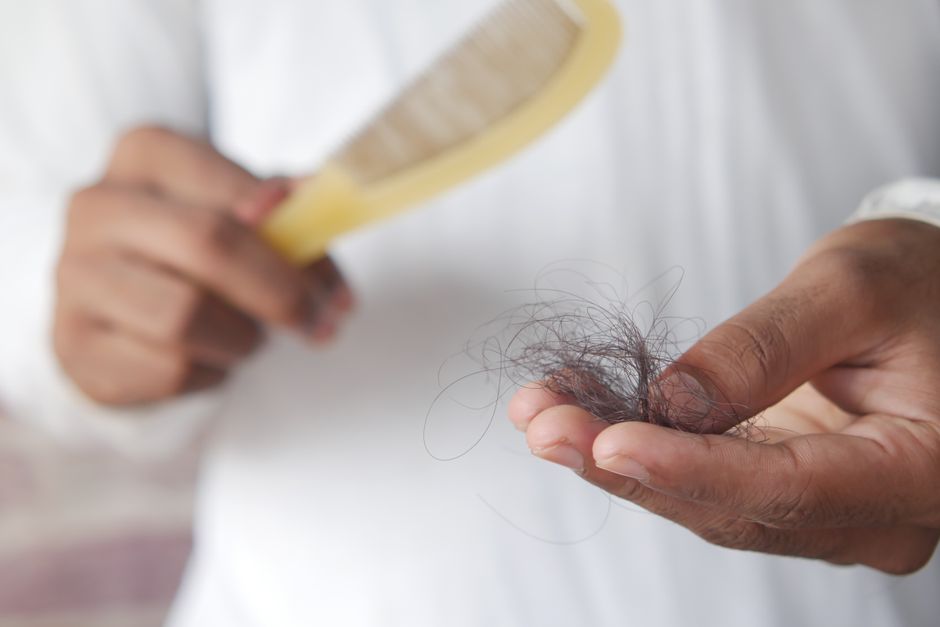
Androgenetic alopecia is the most common form of hair loss, and it needs a systematic approach to treatment. After active treatment, the body goes through several stages of recovery, and how closely you follow your doctor’s advice directly affects the result. This article will help you understand what to expect at each stage and how to avoid undoing the progress you have made.
- The first visible results of androgenetic alopecia treatment appear 3–6 months after starting therapy.
- Shedding may temporarily increase in the first weeks — a normal reaction of the follicles to treatment.
- Full recovery takes 6 to 12 months, depending on the chosen method and your individual response.
- Maintenance therapy after the main course is essential to keep the result.
- What happens to your hair straight after starting treatment?
- The first 24–72 hours after a procedure
- What is allowed and what is not in the first week?
- How should you care for your scalp in the first month?
- Diet during recovery: what matters for your hair?
- Physical activity after treatment: when can you return to sport?
- When will you see the first noticeable results?
- Returning to work: when and how?
- Follow-up visits: how often and why?
- Possible complications after treatment: what is normal?
- When to see a doctor immediately
- Maintenance therapy: can you stop treatment after a course?
- How stress and sleep affect treatment results
- Preventing alopecia from progressing again
- The emotional side of recovery: how to cope with the wait
01What happens to your hair straight after starting treatment?
In the first weeks after starting treatment, most patients notice no visible changes. This is natural: the follicles are only just receiving the stimulus to become active, and a new hair growth cycle starts gradually. Do not expect quick results during this period — be patient and stick to the prescribed treatment plan.
Some patients experience so-called “shedding” between weeks two and six — a temporary increase in hair loss. This is not a sign that things are getting worse, but a sign that old hair is making way for new. Doctors warn about this effect in advance so that you do not panic and stop treatment too early.
It is important to understand that recovery after androgenetic alopecia treatment is not a straight line. Hair grows in cycles, so results come in waves. That is why the effectiveness of treatment should be assessed no earlier than three months after starting, and the final verdict reached after six to twelve months.
02The first 24–72 hours after a procedure

If treatment included injection methods — platelet-rich plasma (PRP), mesotherapy or injecting medicines into the scalp — the first three days are the most important for local recovery. Slight redness, swelling or a feeling of tightness may persist in the treated area. These pass on their own and do not need treatment.
For the first 24 hours, do not wash your hair or rub or massage your scalp vigorously. Also avoid applying any styling products, hairsprays or sprays. After injections, the scalp is temporarily more permeable, so other substances can cause irritation or a local allergic reaction.
For the first 72 hours, avoid overheating: saunas, steam baths, hot showers and direct sunlight. Heat increases blood flow to the scalp and can make swelling worse or trigger inflammation at the injection sites. Choose cool showers and stay in rooms at a normal temperature.
Not sure which clinic to start with?
A MediUkraine coordinator will help you choose a clinic and a doctor for your case, free of charge.
03What is allowed and what is not in the first week?
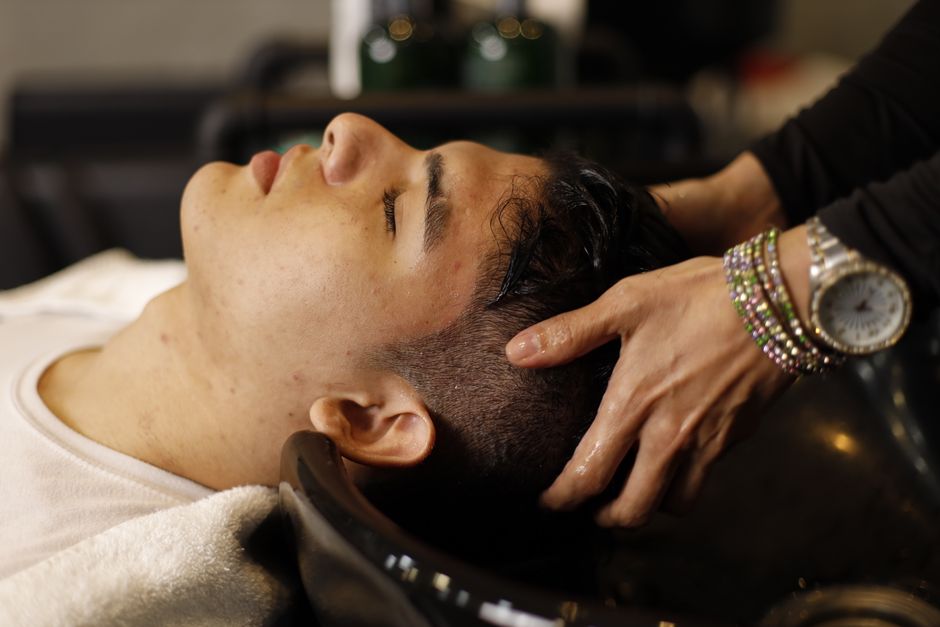
The first week after injection or device-based treatment calls for careful aftercare. You can wash your hair from the second day, but only with a mild shampoo free of harsh detergents, sulphates and fragrances. The water should be warm, not hot. Pat your hair dry with a towel rather than rubbing it.
Hairdryers and styling tools are best avoided in the first week — at the very least, avoid hot settings. If you need a hairdryer, use only the cool setting and hold it at least 20 cm away from your head. Straighteners, curling tongs and heated rollers are completely ruled out for at least 7–10 days.
Moderate exercise is acceptable from the third day, but heavy sweating is best avoided. Sweat irritates the skin after a procedure and can irritate the follicles. So in the first week, limit yourself to walks or gentle yoga without strength elements.
04How should you care for your scalp in the first month?
During the first month, your scalp needs gentle but regular care. Wash your hair 2–3 times a week with a shampoo your doctor chooses individually based on your skin type and treatment plan. Washing too often dries the skin and disrupts its protective lipid barrier, which slows follicle recovery.
If your treatment includes topical products — minoxidil lotions, serums or special preparations — apply them strictly on schedule without missing a day. Even one or two missed days lower the concentration of the active ingredient in the follicle and can slow progress. Regularity matters more than the amount applied.
From the second week, scalp massage is a useful addition to treatment — it improves circulation in the small vessels and helps deliver nutrients to the hair roots. 5–10 minutes of gentle circular massage with your fingertips every day is enough. However, if there are unhealed injection marks or signs of inflammation, postpone the massage for now.
05Diet during recovery: what matters for your hair?
Diet during recovery after androgenetic alopecia treatment plays a role no less important than the procedures themselves. The hair follicle is one of the most active structures in the body — it needs a constant supply of protein, B vitamins, iron, zinc and biotin. A deficiency in any of these can cancel out the effect of treatment.
Your diet should be based on lean sources of protein: chicken breast, turkey, fish, eggs and pulses. Amino acids are the building blocks of keratin, the main structural protein of hair. For an adult, 1.2–1.5 g of protein per kilogram of body weight a day is enough to support hair growth.
Cut down on refined carbohydrates, sugar and alcohol. These can raise insulin and androgen levels in the blood, which may contribute to the progression of androgenetic alopecia. You can also discuss specialised nutritional supplements with your doctor — but only after a blood test, not on your own.
06Physical activity after treatment: when can you return to sport?
Build up physical activity gradually. For the first three days after procedural treatment, complete rest or only gentle walking is recommended. Intense workouts sharply raise blood pressure and heart rate, which can increase swelling and discomfort in the treated area.
From the fourth to the seventh day, moderate aerobic exercise is acceptable: brisk walking, leisurely cycling and swimming in a pool (but not in the sea or open water, because of the risk of infection). Strength training, weightlifting and contact sports are best postponed until the second week after the procedure.
From the second week, you can return to your usual exercise routine. Just remember to rinse your scalp thoroughly with warm water after training — sweat combined with hair product residue can irritate the follicles and trigger seborrhoeic dermatitis, which worsens alopecia.
07When will you see the first noticeable results?
Most patients notice the first signs of improvement — less hair on the comb and in the shower — 6–10 weeks after starting treatment. At this stage, the follicles move into the active anagen phase, and new growth becomes perceptible, though not always visible.
The first visible fine new hair appears at around the third or fourth month of treatment. It is thinner and lighter than mature hair but gradually gains texture and colour. In patients who combine several methods — systemic treatment, topical products and device-based procedures — results usually appear sooner.
The maximum effect of treatment is assessed 12 months after the start of the course. Some patients stabilise sooner, while others see significant improvement only after a second or third course. This does not mean the treatment is not working — everyone responds at their own pace.
Photograph the affected area once a month in the same lighting: this gives an objective picture of how treatment is progressing and helps your doctor adjust the plan if needed.
08Returning to work: when and how?
Treatment for androgenetic alopecia almost never requires sick leave or a long absence from work. If treatment is limited to tablets or topical products, there are no restrictions on work from the first day.
After injection procedures — PRP, mesotherapy or injected medicines — it is advisable to take one day off, mainly to avoid overheating, stress and exposure to a harsh environment (wind, dust, polluted air). By the next day, most patients return to office work without any restrictions.
People whose work involves physical exertion or being outdoors should take particular care. They are advised to wear a light hat for the first 3–5 days after the procedure to protect the scalp from ultraviolet light and mechanical contact. Tight hats or hard hats are not recommended — they create pressure and can irritate the skin.
09Follow-up visits: how often and why?
Follow-up visits are an essential part of successful androgenetic alopecia treatment. At the first visit — usually 4–6 weeks after starting treatment — the doctor assesses how well you tolerate the medicines and adjusts the dose or schedule if needed. This visit is especially important if you are taking finasteride or dutasteride.
The next follow-up is after 3 months. At this stage, trichoscopy is performed — an examination of the scalp and hair follicles under magnification. It allows hair density, shaft thickness and follicle activity to be assessed objectively, rather than by a subjective sense of “more or less”.
At 6 and 12 months, more detailed check-ups are carried out with repeat trichoscopy and, if needed, blood tests. Based on these results, the doctor decides whether to continue, change or stop treatment. Do not skip check-ups even when the result looks clearly positive — changes in blood test results may not be visible from the outside.
10Possible complications after treatment: what is normal?
Most side effects after androgenetic alopecia treatment are mild and pass on their own. After injection procedures, the following are considered normal: slight redness of the skin, the odd bruise at injection sites, and a feeling of mild warmth or tingling in the first hours. These disappear within 24–48 hours.
Topical minoxidil may cause itching or flaking of the scalp — especially in the first 2–3 weeks. This is more often a reaction to an inactive ingredient in the solution (propylene glycol) than to the active ingredient itself. In that case, your doctor may switch you from the solution to a foam or to an alternative product.
On systemic finasteride treatment, a small proportion of men notice reduced libido or other sexual problems in the first months. These effects usually go away once the medicine is stopped — which should only be done as agreed with the doctor who prescribed it. Report any side effect, even one that seems minor, to your doctor at your next check-up or sooner.
11When to see a doctor immediately
Most patients go through treatment without serious complications, but some symptoms need urgent medical attention. First of all, signs of infection at the injection sites: increasing pain, marked redness with clear edges, warmth to the touch, pus or a raised body temperature. These may indicate a local inflammatory process.
Also seek urgent help if you have a severe allergic rash or hives after applying a topical product, swelling of the face or throat, or difficulty breathing. These are signs of a systemic allergic reaction that requires emergency medical care.
When taking systemic medicines, warning signs include chest or abdominal pain, yellowing of the skin or the whites of the eyes, marked mood changes or depression. These symptoms call for an urgent consultation and a possible review of treatment. Do not stop medicines or change the dose on your own without agreeing it with your doctor.
12Maintenance therapy: can you stop treatment after a course?
Androgenetic alopecia is a chronic condition caused by the follicles’ genetic sensitivity to dihydrotestosterone. This means it cannot be cured with a single course: once treatment stops, androgens start affecting the follicles again and the hair begins to thin once more. That is why maintenance therapy is a necessity, not an option.
The form of maintenance therapy depends on the treatment method. With topical minoxidil or finasteride, the medicine is continued at a maintenance dose without breaks. With device-based or injection methods (PRP, mesotherapy), sessions become less frequent: usually once every 3–6 months instead of the monthly procedures used during the active course.
Patients who look at the full range of methods on our androgenetic alopecia treatment page often choose a combined approach — systemic treatment together with device-based procedures. This can make it possible to lower medicine doses while keeping the effect, and to reduce the risk of side effects in the long term.
13How stress and sleep affect treatment results
Chronic stress is one of the most powerful triggers of hair loss progression. Under the influence of cortisol and adrenaline, hair follicles enter the resting phase (telogen) too early, which shows up as increased hair shedding. That is why even well-chosen medication may give a weaker result against a background of constant stress.
Sleeping 7–9 hours is not a wish but a physiological norm for healthy hair follicle function. During deep sleep, tissues actively repair and growth hormone is produced, which stimulates the multiplication of follicle cells. Chronic sleep deprivation, on the other hand, raises cortisol levels and impairs circulation in the scalp.
Stress-management techniques — meditation, breathing exercises and regular walks in the fresh air — are useful additions to the main treatment of alopecia. Some dermatologists include a consultation with a psychologist or psychotherapist in the treatment plan for patients with a significant stress component.
14Preventing alopecia from progressing again
Once you have achieved a stable result, the main task is to keep it for as long as possible. The first and key step is to eliminate or minimise modifiable risk factors: smoking (which impairs circulation in the scalp), an unbalanced diet, chronic iron or vitamin D deficiency and prolonged unprotected exposure to the sun.
Correct handling of your hair is an important part of prevention. Tight hairstyles, hair ties that pinch the shaft and harsh brushing of wet hair all increase the mechanical strain on the follicle and speed up its exhaustion. Use a wide-toothed comb and start from the ends.
Regular monitoring of your hair — checking it yourself once a month and having trichoscopy at the doctor’s once a year — makes it possible to spot the start of a new phase of progression and adjust treatment before hair loss becomes clinically significant. Early adjustment is always more effective than treating advanced baldness.
15The emotional side of recovery: how to cope with the wait
Treating androgenetic alopecia is a marathon, not a sprint. Most patients, especially at the start of treatment, feel anxious: “Is the treatment really working?”, “Why can’t I see results yet?”, “Has the right medicine been chosen?”. These thoughts are entirely understandable, but do not let them become a reason to change your treatment on your own.
Talking openly with your doctor is the best way to reduce anxiety. If you have doubts about how well treatment is working, write them down and raise them at your next check-up. Trichoscopy will provide objective data that either confirm the effect or become the basis for adjusting the plan. Do not change medicines or doses on your own.
Support from those close to you and, if needed, psychological counselling considerably improve your commitment to long-term treatment. Studies show that patients with higher motivation and a positive outlook achieve better treatment results — not only because of a psychosomatic effect, but also because they follow instructions more closely and do not miss procedures.
MediUkraine can arrange androgenetic alopecia treatment at our partner trichology clinic, HairMed in Dnipro — from the first consultation to the maintenance course. The clinic’s team communicates with international patients in English. Get in touch to discuss your case.
Related services: Androgenetic Alopecia Treatment in Ukraine · Trichologist Consultation in Ukraine · Trichoscopy in Ukraine
16Frequently asked questions
Are the injections for alopecia treatment painful?+
Most patients describe PRP or mesotherapy as a light tingling sensation. Doctors use a local anaesthetic cream or spray, so the procedure is usually well tolerated, even by people with a low pain threshold.
Can I colour my hair during treatment?+
It is best to postpone chemical hair colouring for at least 10–14 days after an injection procedure. Throughout the course of treatment, choose gentle products without ammonia or peroxide, as harsh chemicals damage the hair shaft and irritate the scalp.
How long does a PRP or mesotherapy session take?+
A session usually takes 30 to 60 minutes, including preparation and time for the anaesthetic to work. You can go home straight afterwards — no hospital stay or recovery time at the clinic is needed.
Does hair grow back fully after treatment?+
The result depends on the stage of alopecia when treatment starts. At early stages, treatment effectively restores hair density and stops progression. At late stages, when the follicle has completely shrunk away, full restoration is only possible with a hair transplant.