Appendectomy is one of the most common surgical operations in the world. Although the procedure itself is relatively straightforward, full recovery takes time, attention to how you feel and careful adherence to your doctor’s advice. In this article we explain how rehabilitation works step by step — from the first hours after surgery to getting back to everyday life.
- Laparoscopic appendectomy: discharge on day 1–2, full recovery in 2–4 weeks.
- Open surgery: discharge on day 3–7, rehabilitation for up to 4–6 weeks.
- The first 48 hours matter most: bed rest, pain control and temperature monitoring.
- Physical activity and returning to work depend on the type of operation and your individual condition.
- What types of appendectomy are there, and why does it matter for recovery?
- What happens in the first hours after surgery?
- How do the first and second days after surgery go?
- When will you be discharged, and what should you be ready for?
- How should you eat after appendectomy?
- How should you care for the wound after surgery?
- What physical restrictions apply after appendectomy?
- When can you go back to work?
- When can you return to sport?
- What complications can occur after appendectomy?
- When should you see a doctor immediately?
- What check-ups are needed after appendectomy?
- Does your abdomen hurt during recovery — what is normal?
- How does recovery differ in children and adults?
- Your emotional state after surgery: why it matters too
01What types of appendectomy are there, and why does it matter for recovery?
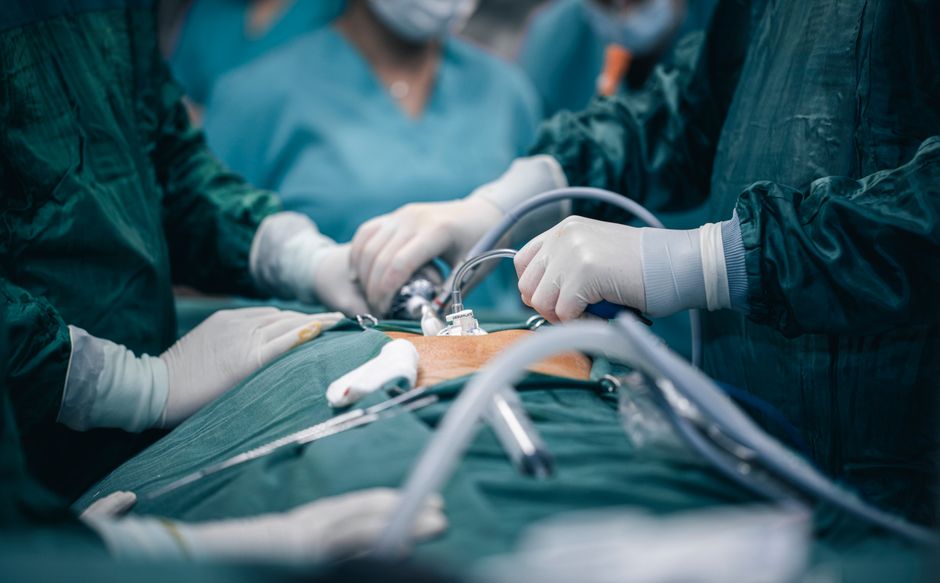
The surgical technique directly determines how long and how demanding the rehabilitation period will be. Modern surgery offers two main approaches, and each has its own recovery pattern.
- Laparoscopic appendectomy: performed through 2–3 small punctures in the abdominal wall; it causes minimal tissue trauma, less pain and a shorter hospital stay.
- Open (conventional) appendectomy: performed through an incision in the right lower abdomen (right iliac region); it is used for complicated appendicitis, peritonitis or when technical difficulties arise during laparoscopy.
Laparoscopy allows you to get up within a few hours of surgery and return to everyday activities much sooner. Open surgery means a stricter regimen and longer limits on physical exertion — mainly because of the larger incision and the risk of the wound coming apart.
You can learn more about indications, contraindications and current approaches to the operation here: more about the service on MediUkraine. Whatever the method, rehabilitation always begins in the operating theatre — from the moment you come round from the anaesthetic.
02What happens in the first hours after surgery?

Once the operation is over, you are moved to the recovery room, where staff monitor your blood pressure, pulse, blood oxygen saturation and body temperature. The anaesthetic wears off gradually — over anything from 30 minutes to several hours, depending on the drug used and your individual response.
During this time you may feel nauseous, dizzy, drowsy and have moderate pain around the surgical site. This is a normal reaction to surgery and anaesthesia. Your doctor will prescribe painkillers, given intravenously or by intramuscular injection, to keep the pain under control.
After laparoscopy you are usually allowed out of bed after 4–6 hours, provided your condition is stable. After open surgery this may take 8–12 hours. Early mobilisation — gradually getting up and taking short walks along the corridor — significantly reduces the risk of deep vein thrombosis and pneumonia, so surgeons strongly advise against putting off those first movements.
Food is not allowed at all for the first 6–8 hours. After that, if there are no complications, you can take sips of water and then a low-fat broth or an unsweetened fruit drink.
Not sure which clinic to start with?
A MediUkraine coordinator will help you choose a clinic and a doctor for your case, free of charge.
03How do the first and second days after surgery go?

You spend the first day after appendectomy in hospital under constant medical supervision. The main goals at this stage are pain control, preventing complications and gradually restoring bowel function. The doctor examines the wound daily, checks your abdomen and looks for any signs of inflammation.
Pain after laparoscopy is usually moderate and responds well to non-steroidal anti-inflammatory drugs (NSAIDs). After open surgery the pain is more pronounced, so stronger painkillers may be prescribed for the first 1–2 days. Do not put up with pain in silence — adequate pain relief speeds up recovery and helps you start moving sooner.
On the second day most patients are allowed to sit up and walk around the ward, and the diet is widened to liquid foods: low-fat broth, rice water, thin fruit jelly drinks. Wind and a bloated feeling in these days are expected after any abdominal operation; they settle on their own as normal bowel movement returns.
After an uncomplicated laparoscopic operation, patients are often discharged as early as the second day. After open surgery it is usually the third or fourth day, and with perforated appendicitis and peritonitis it may be later — up to day 7–10.
04When will you be discharged, and what should you be ready for?
Discharge from hospital is not the end of treatment but the move to the outpatient stage of recovery. Before letting you go home, the doctor carries out a final check, examines the wound and gives you detailed written advice on diet, daily routine and wound care.
Before discharge you should be able to walk unaided, tolerate solid food, have a normal temperature and no signs of wound inflammation. If even one of these criteria is not met, discharge is postponed — and that is the right decision, even if you are keen to get home.
At home, in the first few days, it is important to rest, avoid unnecessary trips up and down stairs and arrange things so that you do not have to bend down, twist suddenly or lift anything heavy. Ideally, someone close to you should be around to help with household tasks and notice any warning signs.
It is also worth preparing comfortable clothing that does not press on the wound in advance, and getting the medicines your doctor has prescribed from the pharmacy — painkillers, antiseptics for wound care and, if needed, remedies to support digestion.
05How should you eat after appendectomy?
Diet after removal of the appendix is one of the key factors in a quick recovery. The main aim is not to overload the bowel, to reduce gas formation and to give your body enough nutrients for tissue healing.
The first 3–5 days after discharge
Eat little and often — 5–6 small meals a day. Suitable foods include low-fat chicken or vegetable broth, rice or oat porridge made with water, steamed chicken or turkey patties, boiled potatoes without butter, an unsweetened fruit jelly drink and weak tea. All food should be warm — neither hot nor cold.
Avoid completely: beans and pulses, cabbage, fizzy drinks, fresh bread, fatty meat, fried food and alcohol. These foods cause bloating and increased gas, which puts pressure on the wound and slows healing.
From day 6 to week 4
The diet is gradually widened: steamed lean fish, stewed vegetables, fermented dairy products (kefir, natural yoghurt without additives) and soft-boiled eggs are added. Fruit is introduced carefully — first puréed or baked. Raw vegetables and coarse fibre are postponed for at least 3–4 weeks.
Fluids: at least 1.5–2 litres of plain still water a day, unless you have heart or kidney problems that rule this out. Good hydration helps your body clear the remaining medication and supports normal bowel movement.
06How should you care for the wound after surgery?
Proper care of the surgical wound is the basis of healing without complications. The doctor or nurse should explain how to change the dressing in detail while you are still in hospital, before you are discharged.
The usual routine: clean the wound 1–2 times a day with chlorhexidine solution or another antiseptic your surgeon recommends, apply ointment if prescribed and cover it with a sterile dressing. Do not change the products on your own or skip dressings, even if the wound looks “fine”.
Stitches are usually removed on day 7–10 after open surgery, at a clinic or the surgeon’s office. After laparoscopy, either dissolvable stitches are used (no removal needed) or cosmetic skin clips, which the doctor removes. Until the stitches are out, do not get the wound wet in the shower or immerse it in water.
If the wound becomes red or swollen, starts to discharge or the pain suddenly gets worse, see a surgeon straight away — do not wait for your scheduled check-up. Wound infection is the most common complication in the early post-operative period, and the earlier it is spotted, the easier it is to treat.
07What physical restrictions apply after appendectomy?
Physical activity after surgery is restored gradually and strictly in stages. Increasing the load too quickly is one of the most common mistakes patients make, especially young, active people who feel well after just a week.
The first 2 weeks
Only short walks at a moderate pace are allowed — no uphill or downhill walking and no standing for long periods. The maximum you should lift is 1–2 kg. Bending, sudden twisting of the body and any abdominal exercises are completely off-limits.
Weeks 3 to 4
If you feel well, you can gradually make your walks longer and return to light household activities. Lifting up to 3–5 kg is allowed. However, you should still avoid jumping, running, twisting and any exercise that raises pressure inside the abdomen.
After 4–6 weeks
If there are no complications, the doctor assesses individually whether you are ready for more activity. Return to sport only once your surgeon has given permission, ideally under the supervision of a rehabilitation specialist or trainer who takes the condition of the scar into account.
Wear a soft abdominal support binder for the first 2–3 weeks after open appendectomy — it reduces strain on the wound and eases discomfort when you move. It is best to choose the binder with your doctor so that it fits properly and does not compress blood vessels.
08When can you go back to work?
How soon you return to work varies considerably depending on the type of operation, the nature of your job and how quickly you heal. Your doctor always weighs these factors individually — and it is their assessment that counts, not general advice from the internet.
After laparoscopic appendectomy, people with office or desk-based jobs return to work after 10–14 days on average. Working from home at a computer (without going out) may be possible from day 7–8, provided you have no pain and feel well.
After open surgery it takes longer: 3–4 weeks for light work and 6–8 weeks or more for physical work (construction, loading, farming). Returning to heavy physical work too early increases the risk of an incisional (ventral) hernia at the scar.
If your employer needs a sick note, ask your doctor for one that covers the whole period you need off work. Do not rush back to work “out of a sense of duty” — it can lead to more serious complications and longer treatment.
09When can you return to sport?
Sports training is a much greater load than everyday activity, so you will return to sport later than you are discharged or go back to work. Surgeons advise basing the decision not on how you feel but on the actual state of the scar and the abdominal muscles.
Swimming in open water or a pool — no sooner than 4 weeks after laparoscopy and 6 weeks after open surgery, and only once the wound has fully healed. Water contains microorganisms, and an unhealed wound is an open door to infection.
Light jogging and Nordic walking — from week 5–6 (laparoscopy) or from week 8–10 (open surgery). Weight training, martial arts and team sports — after 2–3 months. Cycling should be discussed separately with your doctor, as it puts considerable strain on the abdominal muscles.
If any activity causes a pulling pain around the scar, a feeling of pressure or a “bulge”, stop immediately and see a surgeon to rule out a hernia.
10What complications can occur after appendectomy?
Most appendectomies have no serious after-effects, but some patients do develop complications — and it is important to know the signs so that you can seek help in time.
- Wound infection: redness, swelling, tenderness, pus — the most common complication, especially after open surgery.
- Intra-abdominal abscess: a collection of pus inside the abdomen; it shows up as persistent fever and abdominal pain a few days after surgery.
- Adhesions: bands of scar tissue between loops of bowel can cause chronic pain or bowel obstruction in the long term.
- Incisional (ventral) hernia: a bulge at the scar caused by raised pressure inside the abdomen or physical exertion too early.
- Deep vein thrombosis: a rare but dangerous complication; the risk rises with prolonged bed rest.
Knowing about these complications should not frighten you — on the contrary, it helps you act in time rather than putting worrying symptoms down to “normal recovery”.
11When should you see a doctor immediately?
Some signs mean you must not wait for a scheduled check-up or hope it will “go away by itself”. These symptoms may point to serious complications that need urgent surgical attention.
Call an ambulance or go to the emergency department of a surgical hospital straight away if you have:
- Sudden, severe abdominal pain that gets worse when you move or breathe.
- A temperature above 38.5°C that does not come down after taking fever-reducing medicine.
- Clear signs of wound inflammation: spreading redness, pus or marked swelling.
- Vomiting that will not stop, or no bowel movement for more than 3–4 days together with abdominal pain and bloating.
- Sudden redness, swelling and pain in a leg — a possible sign of deep vein thrombosis.
- Fainting, sudden weakness or a drop in blood pressure.
None of these symptoms is a “normal part of recovery”. It is better to get checked unnecessarily and hear that all is well than to delay with a dangerous complication.
12What check-ups are needed after appendectomy?
Follow-up appointments after surgery are an essential part of rehabilitation, not a formality. They allow the surgeon to assess wound healing, spot complications early and adjust their advice to your condition.
The usual follow-up schedule: the first check-up 5–7 days after discharge (stitch removal or scar check), the second after 3–4 weeks (assessment of the abdominal wall and overall recovery). If the operation was for complicated appendicitis or peritonitis, more visits may be needed.
Before the appointment, note down any questions that have come up since discharge: diet, pain that bothers you, returning to work or sport. The surgeon will answer them all and, if necessary, order further tests — an abdominal ultrasound or blood tests.
Do not skip a follow-up appointment even if you feel perfectly well. Some complications — such as adhesions forming or an early hernia — are painless in the early stages but are easy for an experienced surgeon to spot on examination.
13Does your abdomen hurt during recovery — what is normal?
Pain after appendectomy is expected but not necessarily long-lasting. Understanding the difference between “normal” and worrying pain helps you judge how you are doing and avoid needless panic.
The following is considered normal: moderate pulling or aching pain around the surgical site for the first 5–7 days, tenderness when the wound is pressed, and mild discomfort with sudden movements or coughing. These sensations gradually fade, and by the end of week 2 they have almost gone for most patients.
After laparoscopy, patients often feel unusual pain in the right shoulder or under the shoulder blade. This is caused by residual carbon dioxide, which is introduced into the abdomen during laparoscopy; the gas irritates the diaphragm and the pain is “referred” to the shoulder area. It usually passes on its own within 24–48 hours.
Worrying pain is sudden, sharp, increasing or “unfamiliar” pain that is not linked to movement and is not relieved by painkillers. Pain like this needs immediate medical attention.
14How does recovery differ in children and adults?
Appendectomy is often performed in childhood and adolescence — appendicitis is even more common in children than in adults and often progresses faster. That is why parents need to understand what recovery looks like for young patients.
Children usually recover faster than adults because their tissues heal more readily. After uncomplicated laparoscopic appendectomy, a child can often return to school within 7–10 days and to PE lessons after 3–4 weeks. However, active play, jumping and sports clubs should be postponed for 4–6 weeks.
Make sure your child does not become active again too quickly — children often feel well before their body is truly ready for exertion. Explain to your child in simple terms why running, jumping and gym sessions are off-limits for now.
Older patients (over 65) recover more slowly because of reduced healing capacity, possible other conditions and a higher risk of blood clots. They are often prescribed a preventive dose of anticoagulants and advised to wear compression stockings until they are fully mobile.
15Your emotional state after surgery: why it matters too
Physical recovery after appendectomy is closely linked to your emotional state. This is especially true when the operation was an emergency — you arrived at hospital in acute pain, had no time to prepare mentally and went through a lot of stress.
In the first week after discharge, patients often feel anxious: “What if something is wrong with the wound?”, “Why does it still hurt?”, “When will I finally feel better?” These thoughts are a normal psychological reaction to surgery. It is important to be able to ask your doctor these questions — and get clear, understandable answers.
If the anxiety is excessive, keeps you awake or significantly affects your quality of life, consider seeing a psychologist or psychotherapist. Research links stress with slower tissue healing: chronic anxiety raises cortisol levels, which can suppress the immune response and slow regeneration.
Support from loved ones, good sleep, regular time in the fresh air and a positive outlook are not just “nice words” — they genuinely help recovery after any operation, including appendectomy.
MediUkraine can arrange your treatment at the EXPERT medical network in Uzhhorod and support you at every stage of treatment and recovery. The clinic’s team communicates with international patients in English. Get in touch with us to plan your appendectomy and rehabilitation.
16Frequently asked questions
How many days do you need to stay in bed after appendectomy?+
After laparoscopic surgery, bed rest is effectively over within the first 6–12 hours — doctors encourage early mobilisation. After open appendectomy, a stricter regimen continues for 1–2 days, after which you gradually become more active.
When can you shower after appendix removal?+
Until the stitches are removed or fully healed, the wound must not get wet — usually for 7–10 days. You can wash with a damp towel, avoiding the wound area. Showering is allowed once the surgeon confirms the wound has closed.
Can appendicitis come back after surgery?+
This is extremely unlikely, as the appendix has been removed. However, pain in the right lower abdomen after surgery can be caused by adhesions, so if you have any discomfort, consult a surgeon.
Is there a scar after laparoscopic appendectomy?+
Laparoscopy leaves 2–3 small scars about 0.5–1 cm across — far less noticeable than after open surgery. Scars fade over time; if you wish, they can be improved with cosmetic procedures once fully healed.