
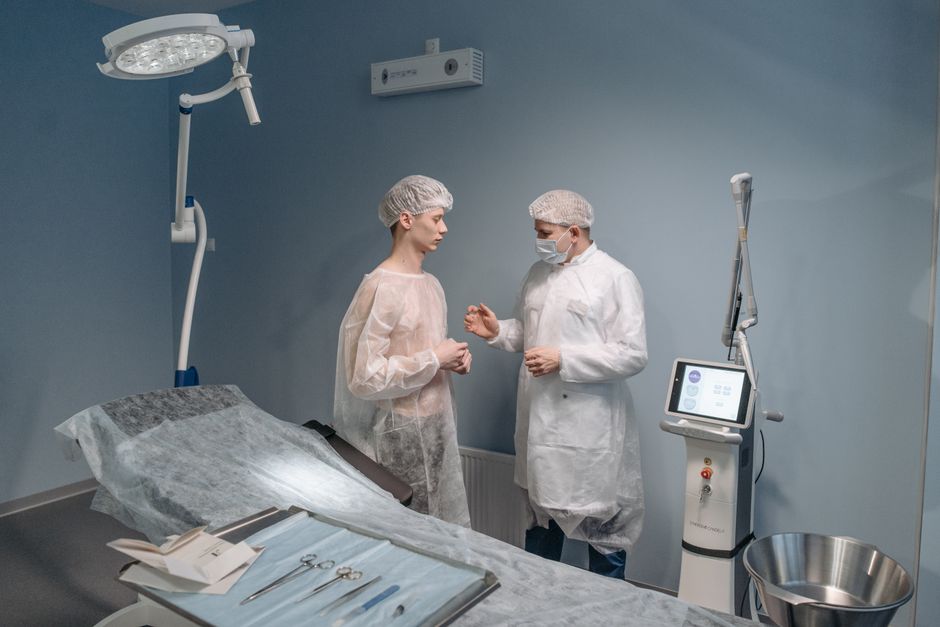
Papillomas, lipomas, atheromas, fibromas: benign skin growths affect one in three adults. Most of them pose no threat to health, but they can cause cosmetic or physical discomfort. Modern techniques make it possible to remove them quickly and with minimal effect on the skin.
- Benign growths are removed surgically, by laser or by radiofrequency, depending on the type and size of the lesion.
- The procedure is usually done as an outpatient: it takes 15 to 60 minutes under local anaesthetic.
- The cost depends on the method and on the number and size of the lesions.
- Removed tissue is sent for histological examination to confirm the diagnosis.
01Which growths should be removed?
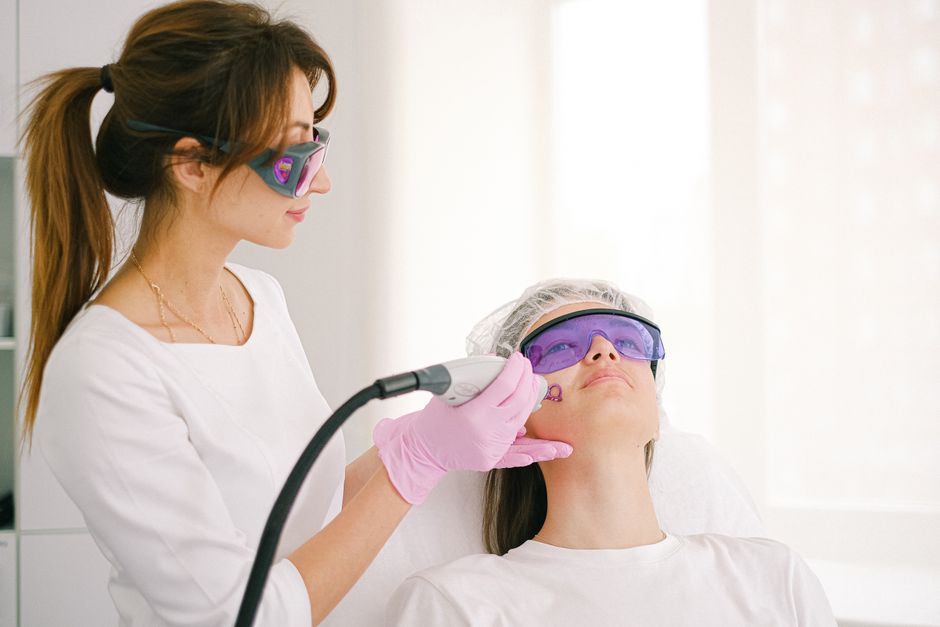
Benign growths of the skin and subcutaneous tissue are a large and varied group. They differ in structure, depth and treatment approach.
The most common are lipomas (fatty lumps), atheromas (sebaceous cysts), papillomas and condylomas, fibromas, haemangiomas, naevi (moles) and dermatofibromas. Each type has its own clinical features and approach to removal.
When is removal necessary?
Clear reasons for removal are rapid growth, a change in colour or outline, repeated injury, infection or suspected malignant change. Cosmetic discomfort and a location where clothing rubs are also good reasons to see a surgeon.
The doctor always assesses the growth before the procedure, using dermoscopy and, if needed, a soft-tissue ultrasound. This makes it possible to choose the method and extent of removal precisely.
02Which removal methods are used?
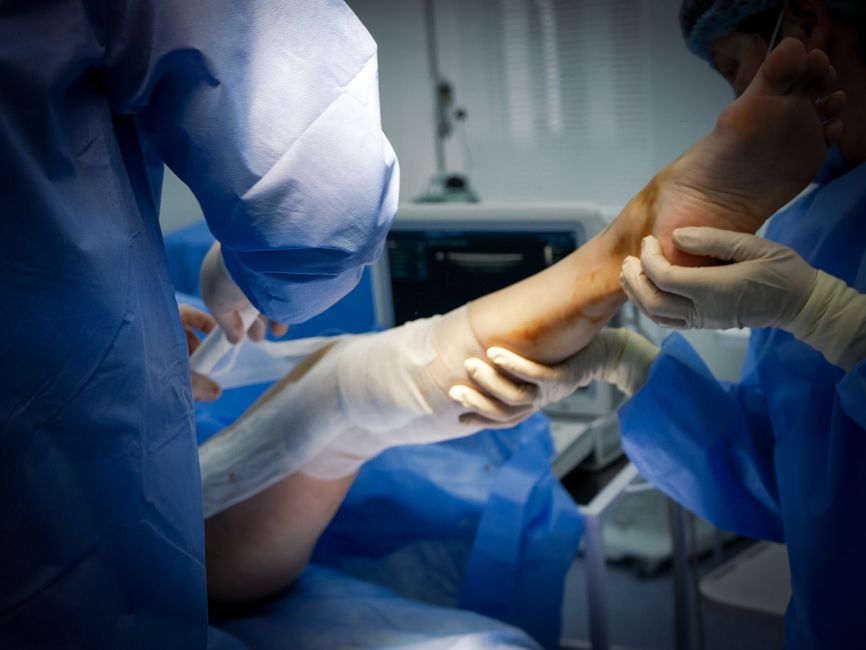
Several methods are available. The choice depends on the type, size and location of the growth and on your wishes regarding the cosmetic result.
- Surgical excision: the classic method with a scalpel and stitches, used for large or deep growths, including lipomas and atheromas.
- Laser removal: a non-contact method with minimal tissue damage, effective for papillomas and small haemangiomas; pigmented moles are usually excised so that the tissue can be examined.
- Radiofrequency surgery: precise removal with little bleeding, quick healing and a low risk of scarring.
- Electrocoagulation: cauterisation with an electric current, used for small superficial growths such as papillomas and keratomas.
- Cryotherapy: freezing with liquid nitrogen, suitable for small superficial growths, but the cosmetic result is less predictable.
Before any mole or pigmented lesion is removed, make sure dermoscopy is done: it helps rule out malignancy and avoid unnecessary risk.
Most procedures are done as an outpatient under local anaesthetic. A hospital stay is needed only for large growths or when several are removed in one session. You can read more about the approaches and how the procedure is arranged on the page about benign skin lesion removal with MediUkraine.
Not sure which clinic to start with?
A MediUkraine coordinator will help you choose a clinic and a doctor for your case, free of charge.
03How do preparation and recovery work?
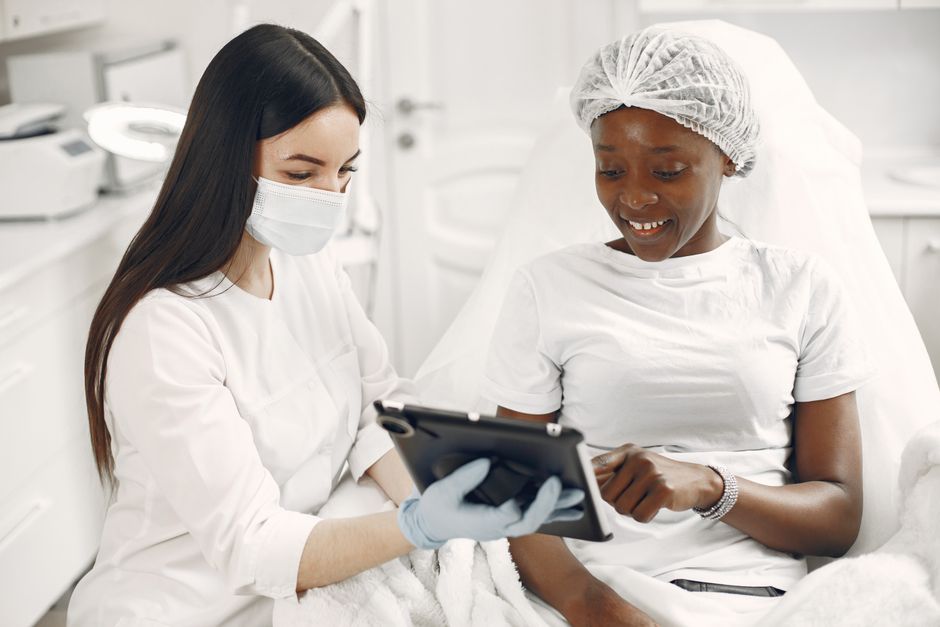
Preparing for the procedure
In most cases no special preparation is needed. The doctor orders a full blood count, a clotting test and, if needed, an ultrasound. If you take medicines that affect blood clotting, stop or adjust them only as agreed with the doctor who prescribed them.
Do not apply creams or lotions to the area the day before the procedure. Eating and drinking are not restricted if the procedure is done under local anaesthetic.
Recovery and aftercare
Healing takes from a few days to two weeks, depending on the method and the size of the growth. For the first few days the wound is cleaned with an antiseptic, kept dry and protected from physical strain.
After a well-performed procedure the scar is usually small and often barely noticeable, especially after laser or radiofrequency removal. Stitches, if used, are removed after 10–14 days, when healing is also assessed.
04How much does removal of skin growths cost?
The cost depends on the removal method, the number and size of the growths, and the clinic and surgeon.
| Country | Approximate cost | What affects the price |
|---|---|---|
| Ukraine | Quoted by the clinic after a consultation | Method, size and number of growths |
| Poland | €150 to €600 | Type of procedure, private or public clinic |
| Germany | €300 to €1,200 | Complexity of the operation, need for histology |
| Israel | €400 to €1,500 | Surgeon’s qualifications, extent of diagnostics |
The price usually includes the surgeon’s consultation, anaesthesia and histological examination of the removed tissue. Some clinics charge for these separately, so it is worth checking in advance.
MediUkraine arranges the procedure at its partner clinic, the EXPERT medical network in Uzhhorod, and supports you through every stage, from the consultation to discharge. The clinic’s team communicates with international patients in English.
05Frequently asked questions
Does a lipoma have to be removed if it does not hurt?+
A small lipoma that is not growing is not in itself a reason for surgery, but it should be checked regularly by a surgeon. If it grows, sits where clothing rubs or bothers you cosmetically, removal is recommended.
Will there be a scar after removing a papilloma or a mole?+
After laser or radiofrequency removal, a scar is often absent or barely visible. Surgical excision leaves a thin linear scar that fades and becomes less noticeable over time.
How long does the procedure take, and is a hospital stay needed?+
Most procedures take 15 to 40 minutes and are done as an outpatient. A hospital stay is needed only when large or multiple growths are removed, and even then it is usually just one day.
Is histology needed after removal?+
Yes. Histological examination is the standard of care: it confirms that the growth is benign and rules out malignant cells. The result is usually ready within 7–14 days of the procedure.




