
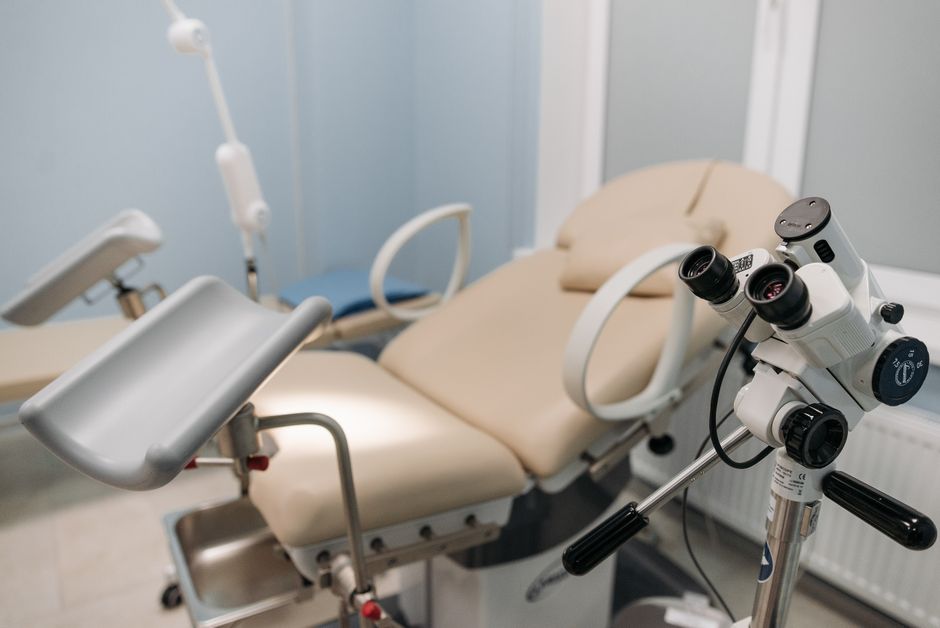
Colposcopy is one of the most accurate ways to examine the cervix: it can detect changes long before cancer develops. If your gynaecologist has referred you for a colposcopy, do not put it off: early changes are much easier to treat.
- Colposcopy is a safe diagnostic procedure that takes 15–30 minutes
- It is recommended after an abnormal smear (Pap test) result
- It can detect dysplasia, ectropion and precancerous changes of the cervix
- In Ukraine, the procedure usually costs less than in EU countries
01What is colposcopy, and when is it needed?
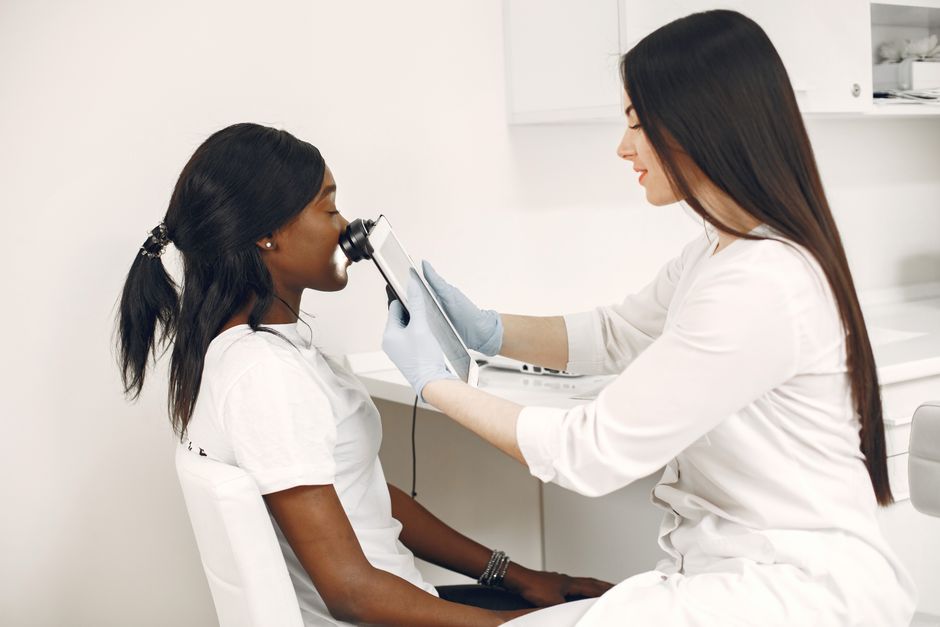
Colposcopy is an examination of the cervix using a colposcope, an illuminated optical instrument that magnifies the image 6–40 times. The doctor assesses the lining of the cervix, identifies abnormal areas and, if needed, takes a biopsy.
The procedure does not replace the Pap test but complements it. It is recommended when cytology has shown abnormalities or when the gynaecologist suspects a problem during an examination.
Reasons for colposcopy
- An abnormal Pap test: atypical cells or cells with signs of dysplasia need further investigation.
- A positive HPV test: infection with a high-risk type of human papillomavirus may be a reason for colposcopy, depending on the type and on the smear result.
- Cervical ectropion (ectopy, sometimes called “erosion”): needs to be distinguished from other conditions before any treatment.
- Contact bleeding: bleeding after sex may indicate abnormal changes.
- Follow-up after treatment: a follow-up colposcopy 3–6 months after dysplasia has been removed.
02How does the procedure go, from preparation to results?
Preparation for colposcopy is minimal. For 48 hours before the examination, avoid sex, douching and vaginal medicines. The best time is days 10–20 of the menstrual cycle, when the cervical mucus is clearest.
During the procedure you lie on a gynaecological chair. The doctor inserts a speculum and applies a dilute acetic acid solution or Lugol’s iodine to the cervix: these make abnormal areas visible. The examination itself takes 10–20 minutes and is usually painless.
Extended colposcopy with biopsy
If the doctor sees a suspicious area, they take a targeted biopsy, a small piece of tissue for histological examination. This causes brief discomfort, and there may be light discharge for 1–3 days afterwards.
The histology result is usually ready in 7–14 days. It is this result that forms the basis for the diagnosis and the choice of treatment, from monitoring to surgery.
Do not ignore a referral for colposcopy after an abnormal smear: grade I dysplasia is reversible in most cases, and when detected in time it usually responds well to treatment without surgery.
Not sure which clinic to start with?
A MediUkraine coordinator will help you choose a clinic and a doctor for your case, free of charge.
03How much does colposcopy cost in Ukraine and abroad?
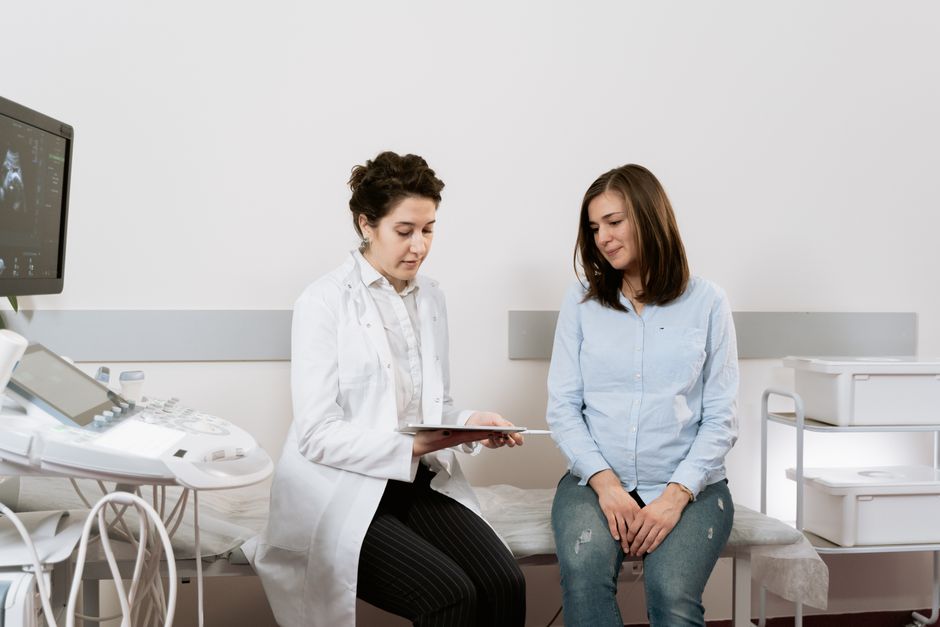
The cost of colposcopy in Ukraine differs considerably from prices in European Union countries and Israel.
You can find more about the examination, the partner clinic and how to book on the colposcopy service page.
| Country | Approximate cost | What affects the price |
|---|---|---|
| Poland | €80–150 | Funding, private or public clinic |
| Germany | €150–300 | Insurance cover, the clinic’s category |
| Israel | €200–400 | Patient status, whether histology is included |
04What conditions does colposcopy detect, and what happens next?
Colposcopy can diagnose a wide range of conditions, from minor ectropion to severe dysplasia and cervical cancer in situ. The doctor assesses acetowhite epithelium, punctation, mosaic patterns and atypical blood vessels.
Based on the results, the doctor chooses one of several approaches: monitoring, medical treatment or surgical removal of the affected area. Current methods such as cryotherapy, laser vaporisation and conisation (cone biopsy) remove abnormal tissue with minimal impact on fertility in most cases; ask your doctor how a particular method may affect future pregnancies.
Cervical dysplasia: grades and outlook
- CIN I (mild dysplasia): regresses on its own in 60–80% of cases; follow-up every 6 months is recommended.
- CIN II (moderate dysplasia): usually needs active treatment, especially in women over 30.
- CIN III / carcinoma in situ: surgical treatment is required; with timely treatment the outlook is favourable.
Colposcopy does not treat anything: it gives a precise answer about what is happening with the cervix. This is crucial for choosing the right treatment rather than “treatment just in case”.
MediUkraine arranges your appointment with a gynaecologist at the partner clinic, the EXPERT medical network in Uzhhorod, and coordinates every stage of the examination, from booking to receiving your results. The clinic’s team communicates with international patients in English.
05Frequently asked questions
Is colposcopy painful?+
The procedure itself is usually painless: you may feel only mild discomfort when the speculum is inserted. If a biopsy is taken at the same time, there may be a brief cramping pain that passes within a few minutes.
Can colposcopy be done during pregnancy?+
Yes, colposcopy is generally considered safe during pregnancy and is often needed to monitor the cervix. A biopsy during pregnancy is taken only when there is a clear medical reason, to minimise the risk of bleeding.
When can I plan a pregnancy after colposcopy with biopsy?+
After a simple colposcopy there are no restrictions. If a biopsy or a treatment procedure was done, the doctor usually recommends waiting 4–8 weeks until the tissue has fully healed.
How often do I need a colposcopy?+
Colposcopy is not a routine annual screening test for women without abnormalities: screening is done with a Pap test, usually every 1–3 years. If you have dysplasia or have had treatment, the frequency is set individually by your doctor.




