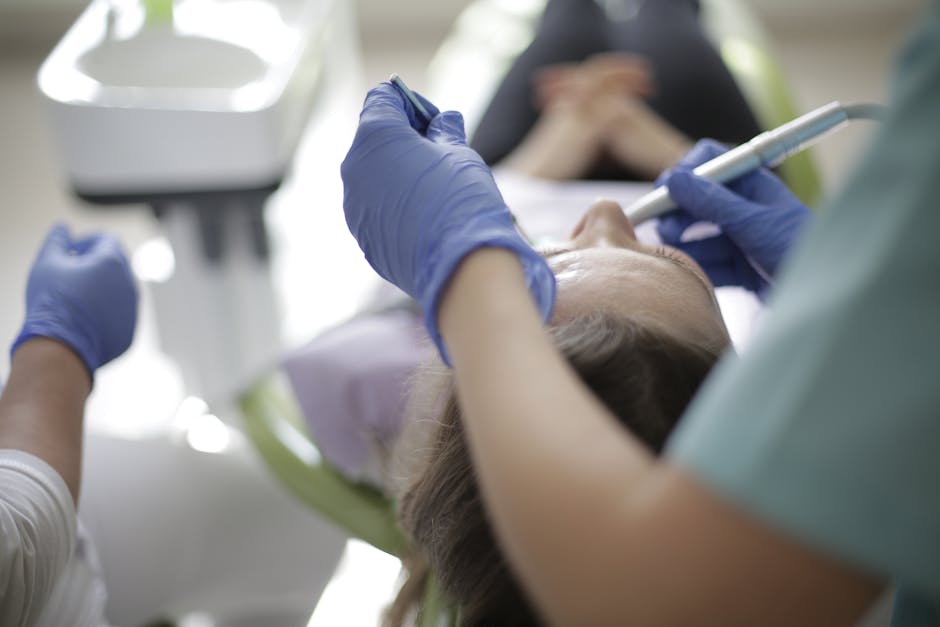
Dental travel to Ukraine means treatment at modern clinics at prices 2–4 times lower than in Western Europe. Ukraine attracts patients from abroad thanks to qualified dentists and a substantial saving even after travel and accommodation; you will find indicative prices for the most common procedures below.
More about the service: Dentist consultation.
01How dental treatment in Ukraine works: stages and time frames
Treatment begins before you arrive. You send X-rays or a panoramic X-ray, and the dentist then draws up a treatment plan with an indicative cost. This lets you plan the trip and avoid unexpected expenses.
The first visit includes a detailed assessment: a cone-beam CT scan, a set of clinical photographs and a consultation with an implant specialist or a prosthodontist. Based on these, the final plan is approved and the time frames are agreed.
Depending on the scope of work, there are two formats:
- A short trip (3–5 days): suitable for treating tooth decay, veneers, prosthetics on existing teeth or crowns.
- An extended protocol (2 visits of 5–7 days, 3–6 months apart): needed for implants, with the first visit to place the implants and the second to fit the crowns after osseointegration.
Most clinics that work with international patients have a coordinator who looks after you from your first enquiry to the final appointment.
02Dental treatment prices in Ukraine compared with Europe
Below are indicative prices for the most common procedures. The difference in cost is the main reason patients choose Ukraine, even after travel and hotel costs.
- Single-tooth implant (implant + crown):
Ukraine: from EUR 500–800
Poland: from EUR 900–1,200
Germany: from EUR 1,800–2,500
Israel: from EUR 1,500–2,200 - Porcelain crown per tooth:
Ukraine: from EUR 150–250
Poland: from EUR 300–450
Germany: from EUR 600–900
Israel: from EUR 500–800 - Veneer (ceramic):
Ukraine: from EUR 200–350 per unit
Poland: from EUR 400–600
Germany: from EUR 800–1,200
Israel: from EUR 700–1,100 - Full arch (All-on-4 / All-on-6):
Ukraine: from EUR 4,000–7,000 per jaw
Poland: from EUR 7,000–10,000
Germany: from EUR 14,000–20,000
Israel: from EUR 12,000–18,000
Even with full-arch prosthetics, you save from EUR 7,000 to 13,000, and that is after travel and accommodation. You can find more about the services on the MediUkraine service pages.
Not sure which clinic to start with?
A MediUkraine coordinator will help you choose a clinic and a doctor for your case, free of charge.
03How to choose a dental clinic in Ukraine: what to look for
Choosing a clinic is a key step that affects both the result of treatment and your safety. A few specific criteria will help you find your way.
1. Quality and sterilisation protocols. Ask the clinic how sterilisation protocols, quality control of materials and tracking of treatment results are documented. Ask for this information before you book.
2. The dentist’s qualifications and experience. Pay attention to the specialisation: implant specialist, prosthodontist, oral surgeon. Ask about the doctor’s verifiable experience, for example more than 500 implant procedures or 15 years of practice in a specific field. Certificates from international training programmes (Straumann, Nobel Biocare, EAO) are an additional marker of competence.
3. Implant systems and materials. Ask which implant brands the clinic uses. Straumann, Nobel Biocare and Zimmer Biomet are systems with proven clinical effectiveness and a global manufacturer’s guarantee. Using little-known discounted implants is a significant risk to the long-term result.
4. A coordinator for international patients. A clinic that regularly treats patients from abroad has a coordinator who helps with logistics, scheduling visits and follow-up after you return home. Without such a service, communication and resolving questions after treatment become more difficult.
04Frequently asked questions about dental travel to Ukraine
Is it safe to have dental treatment in Ukraine?
The risk is low if you choose a clinic that follows recognised standards of quality and sterilisation, with certified equipment, single-use consumables and clear protocols. We recommend asking the clinic for its licence documents at the selection stage.
How long does a trip for dental implants take?
Standard implant treatment requires two trips. The first takes 5–7 days for placing the implants and preparatory procedures. The second, 3–6 months later (after full integration), takes 4–5 days for fitting the permanent crowns. Prosthetics without implants or treatment of tooth decay can be completed in 3–4 days in a single visit.
What documents do I need, and how do I get a guarantee on treatment?
For entry to Ukraine, a passport is usually enough for patients from the EU; check the current entry rules before you travel. After treatment, the clinic issues medical records on request: a summary, X-rays and a letter of guarantee for the procedures carried out. The guarantee on implants at reliable clinics is from 5 to 10 years or more, depending on the manufacturer and the clinical protocol.
The MediUkraine team arranges treatment at the partner dental clinic in Lviv, agrees the treatment plan and can advise on travel and accommodation. The clinic’s team communicates with international patients in English. Get in touch with us, and we will answer all your questions before you arrive.