
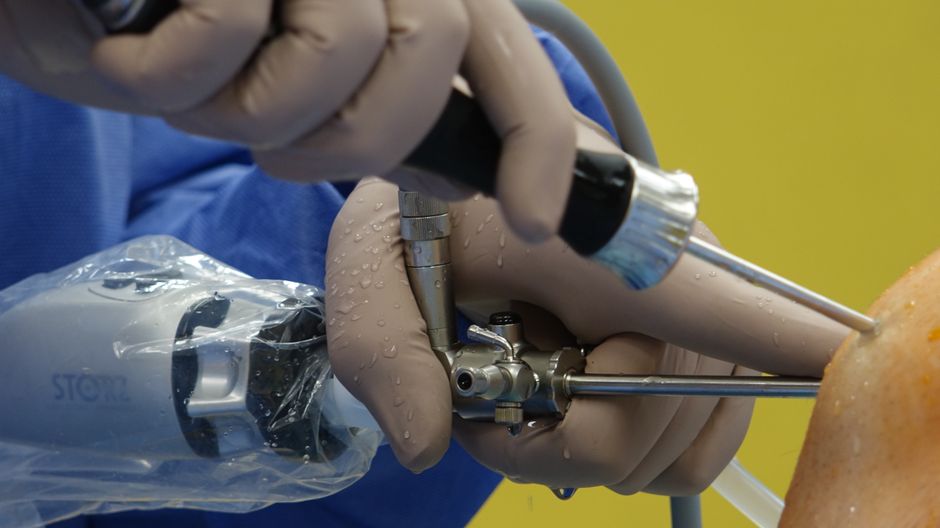
Endoscopic polyp removal is a minimally invasive procedure, but even so it needs a sensible recovery. How you look after yourself in the first few days after the procedure affects both how quickly you heal and your risk of complications. This article answers the questions that usually come up once you leave the endoscopy suite.
- Most patients are back to their usual routine 1–3 days after the procedure.
- A gentle diet and limited physical exertion are the basis of recovery in the first week.
- The timing of the follow-up endoscopy depends on the number, size and histology of the polyps removed.
- Contacting your doctor promptly about warning symptoms helps prevent serious complications.
- What happens in your body straight after the procedure?
- The first 24 hours: what is allowed and what is not?
- Days two and three: how do you feel?
- Diet during recovery: detailed recommendations
- Physical activity: when and how much can you move?
- Going back to work: when is it realistic?
- Follow-up examinations after polyp removal
- Possible complications: what is normal and what is not?
- When should you see a doctor immediately?
- Medicines during recovery: what and why?
- How recovery differs depending on where the polyp was
- Your state of mind while waiting for the histology results
- Preventing new polyps
- Special groups of patients: who needs closer monitoring?
- Long-term monitoring: what comes next?
01What happens in your body straight after the procedure?
Straight after endoscopic polyp removal you stay under the observation of medical staff for a while, usually from 30 minutes to 2 hours. If the procedure was done under sedation, this time is needed to wake up fully from the medication and for your vital signs to stabilise.
In the first few hours you may feel bloated, have moderate discomfort or cramping in your abdomen. This is a normal reaction of the mucosa to the procedure. After removal of polyps from the large bowel, the air introduced during the examination can cause a feeling of pressure and the urge to pass wind; this is also normal and settles within a few hours.
If the polyp was removed from the upper digestive tract (oesophagus, stomach, duodenum), you may have mild discomfort when swallowing, or nausea. These symptoms usually go away by the end of the first day without any additional treatment.
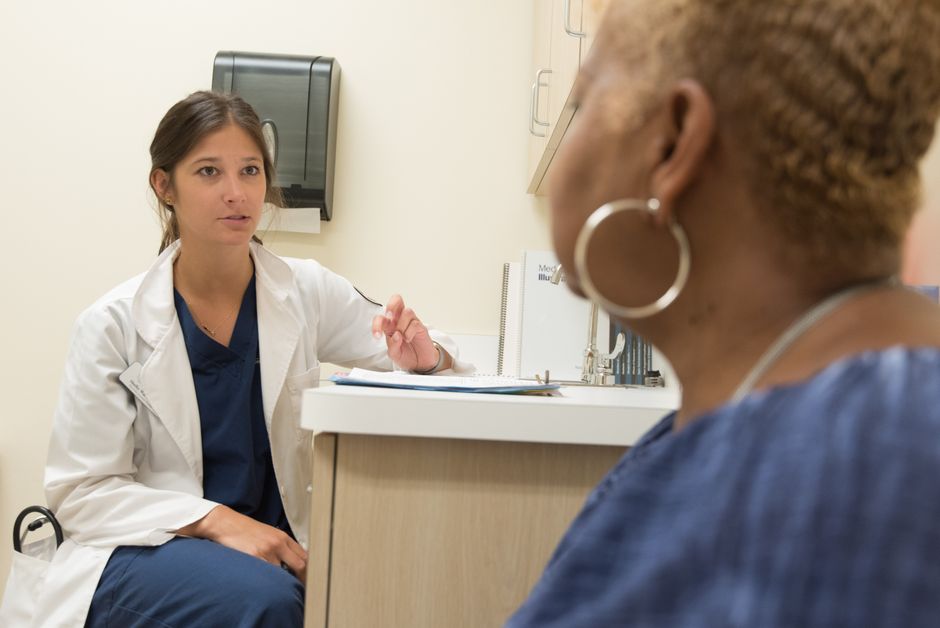
Before you leave, the doctor or nurse will give you written instructions: what to eat, which medicines to take, when to come back for a check-up and in which situations to seek help immediately. Read this document carefully before you leave the clinic.
02The first 24 hours: what is allowed and what is not?
During the first day, stick strictly to the restrictions on food and activity. If the procedure was done under sedation, you must not drive yourself on that day: your reflexes and concentration are still reduced. Ideally, someone close to you should collect you.
For the first 24 hours, food should be liquid or semi-liquid: water, unsweetened tea, low-fat broth, rice water. Avoid solid food, dairy products, juices with pulp and fizzy drinks. Alcohol in any form is strictly off limits.
Keep physical activity on this day to a minimum. Slow walks are fine, but lifting heavy objects, bending over and any strenuous exertion are ruled out. Spend more time lying down or sitting comfortably, giving the tissues a chance to start healing.
You should also avoid non-steroidal anti-inflammatory drugs (aspirin, ibuprofen, diclofenac) unless your doctor has prescribed them, as they increase the risk of bleeding from the removal site. For pain, paracetamol at the standard dose is allowed. If you take aspirin on prescription, do not stop or restart it on your own: only as agreed with the doctor who prescribed it.
Not sure which clinic to start with?
A MediUkraine coordinator will help you choose a clinic and a doctor for your case, free of charge.
03Days two and three: how do you feel?
On the second day most patients feel considerably better. Bloating and cramping usually ease or disappear. Your stool may contain a small amount of blood; this is acceptable after removal of small polyps with forceps or a snare and is no reason to panic.
Your diet gradually widens: you can add boiled vegetables without the skin, runny porridge made with water (rice, buckwheat, oats) and steamed patties made from lean meat. Cook without spices, tomatoes, garlic or onion, as these irritate the mucosa that has not yet healed.
By the third day most patients who had small polyps removed feel practically normal. However, if the polyp was large (over 2 cm) or was removed by endoscopic submucosal dissection, the restrictions last longer, up to 5–7 days. Your doctor will tell you about this individually.
Keep an eye on how often you open your bowels and what your stools are like. Constipation in the first few days is undesirable: straining too hard raises the pressure inside the bowel and can trigger bleeding. If you are prone to constipation, your doctor may recommend a gentle plant-based laxative.
04Diet during recovery: detailed recommendations
Diet after polyp removal is one of the key factors in successful healing. The basic principle is to protect the mucosa mechanically, chemically and thermally. Food should be neither too hot nor too cold; the ideal temperature is 37–45 °C.
What is allowed
In the first week, boiled and steamed dishes are allowed: chicken, turkey, lean fish, soft-boiled eggs or steamed omelettes, boiled non-acidic vegetables (courgette, broccoli, carrot), runny porridge without butter and unsweetened kissel (a thickened fruit drink). Bread should only be dried, preferably plain white wheat bread.
What is not allowed
For the first 7–14 days, cut out spicy, fried, smoked and pickled foods; fresh fruit and vegetables with coarse fibre (apples, beetroot, cabbage); pulses; fatty meat; ice cream and any alcohol. These foods irritate the site where the polyp was removed and slow down healing.
Drink at least 1.5–2 litres of clean still water a day. Good hydration softens the stool and reduces the strain on the bowel. It is best to limit coffee and strong tea for the whole first week: caffeine stimulates bowel movements and can cause discomfort.
After two weeks, if recovery has gone without complications, your diet can gradually return to normal. Even in the long term, however, it is worth sticking to the principles of healthy eating, as this lowers the risk of new polyps forming.
05Physical activity: when and how much can you move?
Complete rest is not needed after endoscopic polyp removal. On the contrary, moderate walking from the very first day improves bowel movement and helps prevent thrombosis. There are, however, clear limits between acceptable and risky activity.
The first 3–5 days: slow walks of up to 30 minutes and light housework are allowed. Not allowed: lifting objects heavier than 3–5 kg, brisk uphill walking, running, cycling, swimming in a pool or open water. Any straining of the abdominal muscles is off limits.
From day 5 to day 14 your activity gradually increases. Patients who had a small polyp removed (up to 1 cm) can return to moderate cardio, such as brisk walking or gentle yoga without inversions. Those who had a deeper resection keep to a gentle regime for up to two weeks.
If you are not sure whether you can return to training, show your usual training plan to the doctor at your follow-up appointment: they will tell you what is safe in your particular case.
After two weeks without complications, you can gradually bring back exercise using the “10% per week” principle. Start with half your usual training volume and build up carefully, guided by how you feel rather than by a schedule.
06Going back to work: when is it realistic?
The timing depends on the kind of work you do and how complex the procedure was. For the vast majority of patients who do office or desk-based work, returning is possible 1–3 days after the procedure. The main condition is that you have no pain and feel generally well.
If your work involves physical exertion, such as construction, loading work or being constantly on the move, you will need at least 7–10 days of rest. After removal of large polyps or several growths at once, time off work is usually 5–10 working days.
After sedation, driving is only allowed from the next day, not earlier. If the procedure was done without sedation or under local anaesthetic, there are no restrictions on driving from the day of the procedure. Even so, how you actually feel always takes priority over formal time frames.
Psychological recovery matters too: some patients feel anxious while waiting for the histology results. This is normal. If the anxiety gets in the way of everyday life, talk to your doctor or a psychologist.
07Follow-up examinations after polyp removal
After endoscopic polyp removal, a follow-up endoscopy is an essential part of monitoring: it is a medical necessity, not a formality. The timing is decided individually depending on the type, size and number of polyps and the histology results.
The intervals below are examples; current guidelines differ, and your doctor will set your schedule. After a single small hyperplastic polyp of the large bowel, a repeat colonoscopy may be recommended after 5 years. For low-risk adenomatous polyps, after 3 years. If the polyp showed signs of dysplasia or was removed in several pieces, after 3–6 months.
Histological analysis of the removed tissue is usually ready within 7–14 working days. This result determines the next steps: whether routine check-ups are enough or further treatment is needed. Do not ignore the results: get them and discuss them with your doctor in person.
In addition to endoscopy, your doctor may order tests (a full blood count, a faecal occult blood test, blood biochemistry) to assess your general condition and spot possible complications. Regular monitoring is one of the most effective ways to prevent new polyps from turning into a malignant growth.
08Possible complications: what is normal and what is not?
Endoscopic polyp removal is a relatively safe procedure with a low complication rate. Even so, every patient should know which symptoms are expected and which are warning signs.
Normal after the procedure
Mild bloating, slight discomfort or a pulling feeling in the bowel area, a few traces of blood in the stool in the first 1–2 days, and brief nausea after sedation are all within the normal range and do not require a visit to the doctor. These go away on their own.
Complications that need medical attention
The most common complication is delayed bleeding: it can occur 3–7 and even up to 14 days after the procedure, especially if the diet or activity restrictions were not followed. Post-polypectomy coagulation syndrome is also possible: pain and a mild fever caused by heat damage through the full thickness of the bowel wall.
Bowel perforation is a rare but serious complication. The risk is higher after removal of large polyps with a broad base. Symptoms: sharp, worsening abdominal pain, a rigid abdominal wall, fever. This is a medical emergency.
09When should you see a doctor immediately?
Some symptoms call for an immediate phone call to the clinic or an ambulance, without waiting for your next appointment. Every patient should know this list clearly before going home after the procedure.
Seek emergency medical help if: there is a significant amount of blood in your stool or the bleeding does not stop; your temperature rises above 38.5 °C and stays there for more than 4–6 hours; the abdominal pain is sharp, constant and getting worse; your abdomen feels hard and tense to the touch; you vomit blood or have black, tarry stools (melaena).
You should also contact a doctor if you are not passing wind or opening your bowels for 24–48 hours while the pain is getting worse, as this may indicate a bowel obstruction. Do not try to “tough it out” or take painkillers on your own without telling your doctor.
Save the phone number of the clinic and of the doctor who performed the procedure before you leave the medical facility. Being able to reach your doctor quickly considerably lowers the risks if your recovery does not go as expected.
10Medicines during recovery: what and why?
Most patients do not need any medication after removal of small polyps. In some cases, however, the doctor prescribes medicines to support healing and prevent complications.
Proton pump inhibitors (omeprazole, pantoprazole) are prescribed after removal of polyps from the stomach or oesophagus: they reduce acidity and protect the treated area. The course usually lasts 4–8 weeks. Do not stop or shorten it on your own: only as agreed with the doctor who prescribed it.
Probiotics may be recommended to restore the gut flora, especially if you were taking antibiotics beforehand or had bowel preparation with strong laxatives. Your doctor will choose the specific product and dose.
Blood-thinning medicines (warfarin, clopidogrel, newer oral anticoagulants) are usually stopped or adjusted before the procedure. Afterwards, restart them only as agreed with your doctor: the timing depends on your risk of thrombosis and the size of the polyp removed, and you will be told when to resume.
11How recovery differs depending on where the polyp was
Recovery varies considerably depending on where exactly the removed polyp was. This detail matters for understanding what you feel and for following the recommendations correctly.
Polyps of the large bowel
This is the most common location. After removal, you may have discomfort in the lower abdomen, loose stools or a little blood for 1–2 days. Pay particular attention to physical exertion and diet in the first 7 days. Preparing for a colonoscopy (bowel cleansing) is draining in itself, so rest on the first day is especially important.
Polyps of the stomach and oesophagus
Discomfort when swallowing, heartburn or a feeling of heaviness in the upper abdomen can persist for 2–5 days. Acid-reducing treatment is essential. Food should be soft and warm only, in small portions. Alcohol and spicy food are off limits for at least 2 weeks.
After removal of polyps from the duodenum, the recommendations are similar to those for the stomach, with particular attention to bile flow and avoiding fatty food. If you have chronic pancreatitis or gallstones, your doctor will take this into account when planning your recovery.
12Your state of mind while waiting for the histology results
Waiting for the histology report is one of the most stressful moments for a patient. Uncertainty about the nature of the removed growth causes anxiety, poor sleep and irritability. This is a normal reaction, but it is worth managing it consciously.
First, remember that the vast majority of polyps are benign. Even adenomatous polyps, which have the potential to become malignant, are usually no threat to health when they are removed in good time. Early diagnosis is a success, not a reason to panic.
Second, it helps to focus on what depends on you: eating well, getting enough rest and avoiding harmful habits. Taking an active part in your own recovery reduces anxiety, often better than any sedative.
If the anxiety becomes overwhelming or starts affecting your everyday life, ask for support from your doctor, a psychologist or the people close to you. Do not keep the stress to yourself: your emotional state directly affects how quickly you recover physically. You can find out more about how the procedure itself is organised and what support is included by following the link: more about the service on MediUkraine.
13Preventing new polyps
Removing a polyp gets rid of that particular growth, but not of the body’s tendency to form them. That is why, after the procedure, it is important to move on to active prevention of recurrence; this genuinely lowers the risk of new growth.
Diet plays a key role. A diet low in red and processed meat, with enough fibre (vegetables, fruit, whole grains) and limited alcohol and saturated fat is an evidence-based strategy for lowering the risk. Studies suggest that a Mediterranean-style diet may be associated with fewer recurrences.
Physical activity of at least 150 minutes a week (as recommended by the WHO), not smoking and reaching a healthy body weight are also part of the evidence base for prevention. Obesity and a sedentary lifestyle are independent risk factors for polyps of the large bowel.
Just as important is regular endoscopic monitoring on an individual schedule that your doctor draws up after assessing the histology report. Putting off a follow-up colonoscopy on your own is the most common patient mistake and leads to recurrences being missed.
14Special groups of patients: who needs closer monitoring?
In some groups of patients, recovery needs closer monitoring and the restrictions may last longer. It is important to know whether you belong to one of these groups before the procedure.
Patients taking anticoagulants or antiplatelet medicines have a higher risk of bleeding. For them it is especially important to follow exactly the plan for restarting antithrombotic treatment agreed with the doctor, and to limit physical exertion for longer.
People with diabetes should monitor their blood glucose carefully in the first days: the change in diet and the body’s stress response can make blood sugar fluctuate. Any change to the dose of insulin or tablets should be agreed with an endocrinologist.
Patients with weakened immunity (after a transplant, on chemotherapy, with autoimmune diseases) heal less well and have a higher risk of infectious complications. For them, recovery must be planned in more detail together with the relevant specialist.
15Long-term monitoring: what comes next?
After successful polyp removal and satisfactory histology results, you move on to long-term monitoring. This is not a one-off event but a system of regular check-ups that can continue for years.
How often you need a follow-up endoscopy depends on your risk group: low risk, an examination once every 5 years; moderate, once every 3 years; high (multiple adenomas, adenomas with high-grade dysplasia, hereditary syndromes), every year or every 6 months. These intervals are set by your doctor and are not something to interpret on your own.
Alongside this, a yearly faecal occult blood test may be recommended: it is a simple and accessible way to check between endoscopies. A positive result is a reason for an unscheduled colonoscopy.
Your doctor may also recommend genetic counselling if there have been cases of colorectal cancer or polyposis in your family; this helps assess the hereditary risk and adjust the monitoring programme for the whole family.
MediUkraine can arrange the procedure and follow-up monitoring at our partner clinic, EXPERT medical network in Uzhhorod, and support you at every stage, from the first consultation to the follow-up endoscopy. The clinic’s team communicates with international patients in English.
16Frequently asked questions
How much time off work do you need after polyp removal?+
It depends on the extent of the procedure and the kind of work you do. After removal of small polyps, 1–3 days is enough for office work; for physical work or a more complex procedure, up to 7–10 days.
When can you eat normally again after the procedure?+
A full return to your usual diet is possible after roughly 10–14 days if recovery is uncomplicated. For the first 3–5 days, eat only gentle, cooked food without spicy or irritating ingredients.
Is blood in the stool after polyp removal normal?+
A small amount of blood in the first 1–2 days after the procedure is acceptable. If the bleeding is heavy, does not stop or starts a few days after the procedure, seek medical help immediately.
How soon can you exercise after polyp removal?+
Light walking is allowed from the first day, and moderate cardio after 5–7 days for small polyps. Strength training and intensive sport are best postponed for 2–4 weeks, depending on how complex the procedure was.




