Treating hair loss in women is not a one-off procedure but a full course, after which your body needs time and the right care. How carefully you approach the recovery period affects the final result. This article answers the key questions about recovery step by step, from the first hours to a lasting effect.
- Recovery depends on the treatment method: from a few hours after injections to 2–4 weeks after a hair transplant.
- In the first days, avoid washing your hair, exercise and direct sun.
- The full result of most procedures is visible after 3–6 months.
- Follow-up visits are essential — they allow the course to be adjusted and help prevent a relapse.
- What treatments for hair loss are there, and why does recovery differ?
- What happens in the first hours after the procedure?
- The first day after the procedure: the key rules
- The first week of recovery: what to expect
- Shock shedding after treatment: should you worry?
- How to wash your hair during recovery
- Diet and lifestyle during recovery
- Physical activity and sport: when can you return?
- Returning to work: when and how?
- Sun, heat and cosmetic treatments: what is off-limits?
- Follow-up visits: why you should not skip them
- Possible complications: what is normal and what is not?
- When to see a doctor immediately
- How many months until you see results?
- Preventing hair loss from returning: what to do after recovery
01What treatments for hair loss are there, and why does recovery differ?
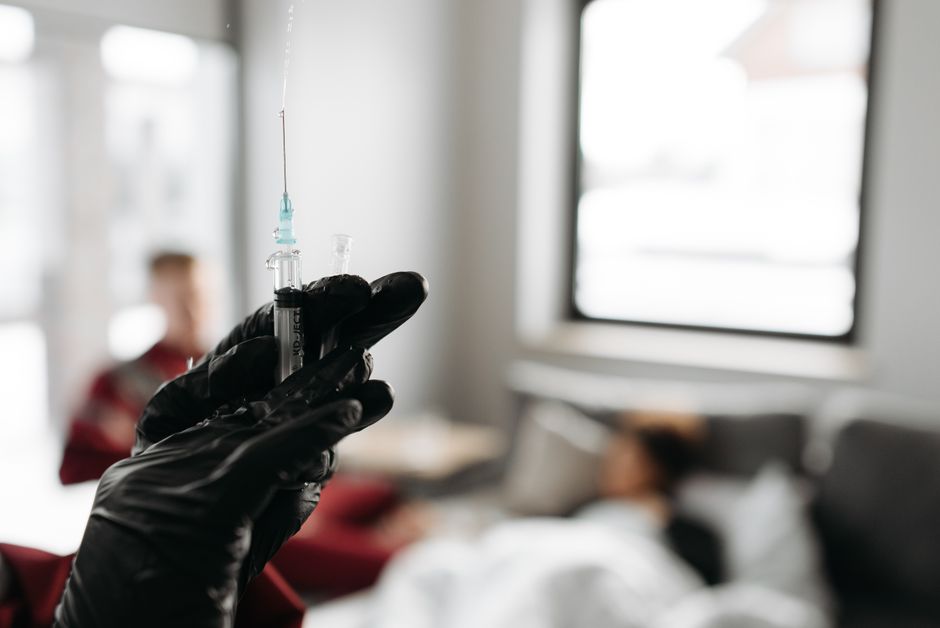
The recovery period depends directly on the treatment chosen. That is why, before talking about timelines and restrictions, it is important to know exactly which procedure you have had. Different approaches vary fundamentally in how invasive they are and how much they affect the scalp.
The most common methods used in clinics today:
- PRP therapy (platelet-rich plasma): injecting your own platelet-rich blood plasma into the scalp to stimulate the follicles.
- Mesotherapy: injecting blends of vitamins, trace elements and peptides into the scalp.
- Laser therapy (LLLT): low-level laser light used to activate the follicles without damaging tissue.
- Hair transplant (FUE/FUT): surgical transfer of follicles from the donor area — the most invasive method with the longest recovery.
- Medication: oral or topical medicines (minoxidil, anti-androgens and others) without any procedures on the scalp.
For minimally invasive methods — PRP, mesotherapy and laser — recovery is minimal and measured in hours or a few days. A transplant requires a full recovery lasting from two weeks to several months. So read the advice below with the specific method used in your case in mind.
02What happens in the first hours after the procedure?
Straight after the procedure, the scalp reacts according to how intensive the treatment was. After injection methods — PRP or mesotherapy — small red spots, tiny bruises or mild swelling may appear at the injection sites. This is a completely normal tissue response to minor trauma.
After a hair transplant things are different: your head will be bandaged or treated with antiseptic, and you may feel slight discomfort and tightness. The surgeon will give you detailed instructions for the first 12–24 hours. Do not remove the dressing yourself or touch the donor or recipient areas.
After laser therapy there are usually no significant visible effects — the skin may turn slightly pale or, on the contrary, pinkish from the warmth. This settles within 30–60 minutes. You can go home straight away, but it is best not to plan an active day.
For the first 2–4 hours after any procedure, avoid bending down for long, lifting heavy things, drinking alcohol or exercising. These raise your blood pressure and can intensify the skin reaction or cause bleeding after a transplant.
Not sure which clinic to start with?
A MediUkraine coordinator will help you choose a clinic and a doctor for your case, free of charge.
03The first day after the procedure: the key rules
The first day sets the tone for the whole recovery. The main aim is not to interfere with natural healing and not to irritate the scalp further. The advice seems simple, but patients often ignore it — and they should not.
Washing your hair on the first day after injection procedures is not recommended: water and shampoo can irritate the puncture sites and reduce the effectiveness of the injected products. After a transplant, the first wash is done either by the doctor or by you — but following a strict routine provided by the clinic.
On the first night and for the next 3–5 days, it is best to sleep with your head raised — on two pillows or half-sitting. This reduces the swelling of the forehead and temples that often develops after a transplant. After injection methods this is less critical but still helpful.
For the first 24 hours, avoid direct sunlight, saunas, swimming pools and any heat treatments. Heat dilates the blood vessels, which increases the risk of bruising and swelling. Stay indoors or go out wearing a hat that does not press on your scalp.
04The first week of recovery: what to expect
The first week after most procedures is the most important. This is when the scalp is actively healing and the follicles are adapting. Mistakes during this period have the biggest effect on the final result.
After PRP and mesotherapy, the first week is mainly about sticking to a few rules: no hot baths, no hair colouring and no blow-drying on the hottest setting. Most patients feel completely fine by the second day and return to their normal routine.
After a transplant, the first week is much more demanding. On day 3–5, characteristic flaking and scabs appear in the grafted area — a normal part of healing. Do not pick or rub them: you risk damaging the grafted follicles. Your doctor will prescribe a special lotion or saline spray to keep the area moist.
On day 7–10 after a transplant, stitches are usually removed (with the FUT method) or a follow-up check is carried out. Around the same time, the transplanted hair begins “shock” shedding — a physiological process that frightens many patients but is entirely normal. New hairs will start growing from the same follicles after 3–4 months.
05Shock shedding after treatment: should you worry?
Shock shedding is one of the most common fears after treatment. It occurs especially often after a transplant, but may also be seen after aggressive mesotherapy or PRP in women with sensitive skin. It is important to tell a normal process apart from a worrying symptom.
After a transplant, the follicles enter a resting state (telogen phase) because of the stress of surgery. The transplanted hairs — and even some of your own — may fall out in the first 2–6 weeks. This does not mean the procedure has failed: the follicle is alive, it is simply “waiting out” the stress and will soon start a new growth cycle.
After injection procedures, shock shedding is less common and less noticeable. If it does occur, it usually passes within 2–4 weeks without any extra treatment. However, if shedding increases or does not stop after a month, see your doctor rather than waiting longer.
The emotional side matters just as much: seeing your hair continue to fall out after treatment is hard. Understanding the process helps — and, if needed, talk to your doctor to make sure everything is going to plan.
06How to wash your hair during recovery
Hair hygiene during recovery needs a clear routine rather than improvisation. Washing incorrectly can harm even the most successful procedure. The rules differ depending on the method and how long ago you had the procedure.
After PRP and mesotherapy, the first wash is usually allowed after 24 hours. Use a mild shampoo without sulphates or harsh fragrances. The water should be warm, not hot. Massage only lightly, without pressing on the scalp.
After a transplant, the first wash usually takes place on day 2–3 and follows the clinic’s strict protocol. It is often done in stages: first a moisturising lotion is applied, then the scalp is rinsed gently. Do not rub with a towel — pat your hair dry instead. Use a hairdryer only on the cool setting.
For the first 2–3 weeks after any hair procedure, choose shampoos free of SLS, SLES and parabens — they reduce irritation and help maintain the scalp’s natural pH.
How often you wash matters too: washing too rarely after a transplant leads to a build-up of scabs that slows healing, while washing too often strips away protective lipids and can slow down repair. After the first two weeks, washing every other day or daily is usually best, depending on your doctor’s advice.
07Diet and lifestyle during recovery
A good diet during recovery is not optional but a full part of treatment. Hair follicles are extremely sensitive to shortages of certain nutrients, and no external procedure can replace an adequate supply of “building material” for hair from within.
Protein is the basis of keratin, which makes up the hair shaft. Your diet should include eggs, lean meat, fish, pulses and dairy products. Protein deficiency is one of the most common reasons why hair grows slowly or weakly even after a successful procedure.
Iron, zinc, biotin and B vitamins are micronutrients the follicle cannot function properly without. If tests show a deficiency, your doctor will prescribe supplements. Do not prescribe vitamin complexes for yourself: too much of certain vitamins (vitamin A, for example) can itself cause hair loss.
Alcohol is best avoided during recovery. It impairs circulation in the small vessels, reduces the absorption of nutrients and increases inflammation. Smoking also harms the blood supply to the scalp — doctors recommend stopping or at least cutting down substantially throughout recovery.
08Physical activity and sport: when can you return?
Movement is good for you, but in the first weeks after hair procedures exercise needs to be measured. Intense sport raises blood pressure, increases sweating and boosts blood flow to the scalp — all of which can provoke unwanted reactions in the treated area.
After PRP and mesotherapy, light walking is allowed after a day. Moderate exercise is allowed after 3–5 days. It is best to avoid swimming pools, saunas, intensive cardio and strength training for 7–10 days. Sweat at the injection sites causes extra irritation and a risk of infecting the tiny punctures.
After a transplant, the timelines are stricter. Any exercise that makes you sweat is off-limits for at least 2 weeks. Return to full training gradually — after 4–6 weeks and only with your surgeon’s permission. Contact sports with a risk of a blow to the head are best postponed for 3 months.
Yoga without inverted poses (no head-down positions) and slow walking are safe ways to stay active in the first weeks after any treatment method.
09Returning to work: when and how?
For most patients, work is one of the most pressing questions. Unlike major surgery, hair treatment rarely requires long sick leave, but there are nuances — and they depend on the type of work and the chosen method.
After PRP, mesotherapy and laser therapy, you can return to office or remote work the next day. Visible effects — slight redness or injection marks — are mostly unnoticeable or easy to cover. The only restriction is to avoid stressful situations that can raise cortisol, as stress is a direct trigger for hair loss.
After a transplant, most patients need 5–10 days of rest. If your work involves physical exertion, being outdoors or contact with dust and chemicals, this extends to 2–3 weeks. You can start calm computer-based work after 3–5 days.
An important practical point: for the first 2–3 weeks after a transplant your head will not look its best — scabs, redness and uneven growth. If your appearance is critical for your job, plan leave or remote work in advance.
10Sun, heat and cosmetic treatments: what is off-limits?
After treatment the scalp is temporarily vulnerable, and a number of external factors can undo the results of even the most successful procedure. The restrictions may seem strict, but they have a physiological basis.
Direct sunlight is a serious enemy during recovery. Ultraviolet light damages the skin at injection and graft sites, causes hyperpigmentation and may weaken the effect of PRP. For the first 4 weeks, wear a light hat or carry an umbrella outdoors. Do not apply sunscreen directly to the scalp — rely on physical cover only.
Colouring, perms, lamination and keratin straightening are strictly off-limits for at least 4–6 weeks after any injection procedure and 3–6 months after a transplant. The chemicals in these products penetrate the skin and can damage new or freshly stimulated follicles.
Use hairdryers, curling tongs and straighteners only on gentle settings and away from the scalp. Heat is best avoided in the first weeks. Only massage your scalp once your doctor has given permission — massaging too early after a transplant can dislodge grafts.
11Follow-up visits: why you should not skip them
A follow-up visit is not a formality or a way for the clinic to “remind you it exists”. It is an essential medical step that lets the doctor assess how the tissues are responding, adjust the treatment plan and detect any complications in time. Skipping check-ups means giving up part of your treatment.
After PRP and mesotherapy, a follow-up is usually scheduled 4–6 weeks after each session. The doctor assesses progress: whether shedding has reduced, whether new fine “vellus” hairs have appeared and whether there have been any unwanted reactions. Based on this, the interval between sessions and the products used are adjusted.
After a transplant, the schedule is more frequent: on day 7–10, after a month, after 3 months and after 6–12 months. Each visit records the state of the donor and recipient areas and assesses graft survival and expected growth. You can find out more about hair loss treatment for women, including preparation and aftercare, on our service page.
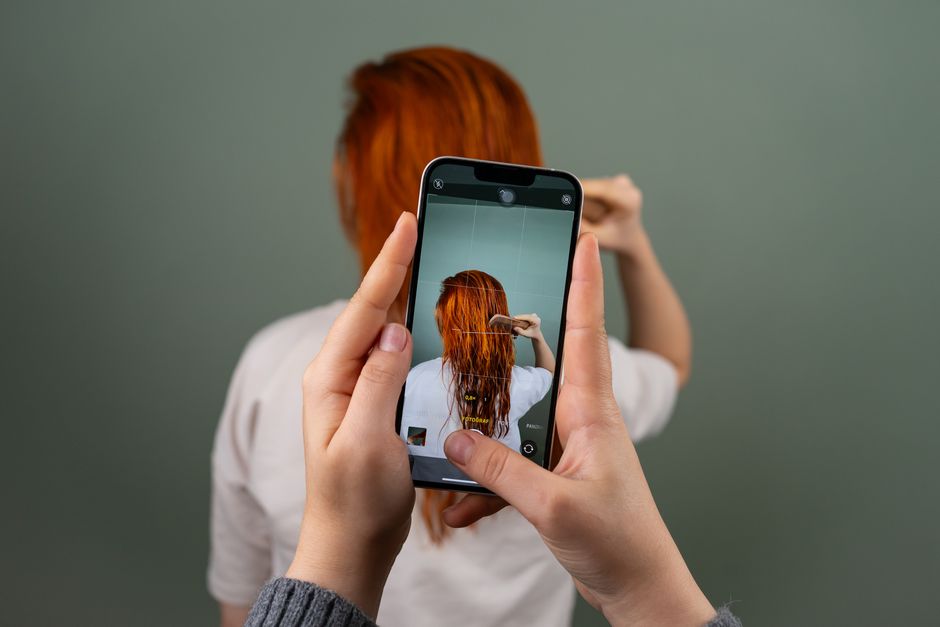
Photographing your hair before the procedure and at each follow-up is standard practice in good clinics. These photos help assess progress objectively, because changes happen gradually and are hard to notice without comparison.
12Possible complications: what is normal and what is not?
Any medical procedure brings a range of reactions — from expected and harmless ones to those that need a doctor’s attention. Being able to tell them apart is an important skill during recovery.
Normal reactions after treatment
Redness of the scalp for 24–72 hours, small bruises at the injection sites, mild itching or tingling, and swelling of the forehead and temples in the first 3–5 days after a transplant are all physiological responses to a medical procedure. They pass on their own and do not need treatment.
Symptoms that need attention
Be alert to: marked redness with pus, a sharp increase in pain 3–5 days after it had eased, a body temperature above 37.5°C, or an allergic rash that is not limited to the scalp. These symptoms may indicate an infection or an allergic reaction and require you to contact the clinic.
Tissue necrosis in the transplant area is an extremely rare but serious complication. Its signs are dark dead patches, no pain in the affected area and an unpleasant smell. At the slightest suspicion, see a doctor immediately. Early diagnosis considerably improves the outlook.
13When to see a doctor immediately
There are symptoms for which you should not take a “wait until the next check-up” approach. Getting medical help quickly in these cases prevents serious consequences and often saves the result of the treatment.
Seek help immediately if: bleeding from the donor or recipient area does not stop within 15–20 minutes of applying pressure; facial swelling increases rapidly and spreads to the eyelids or lips; you develop a sudden severe headache or dizziness after the procedure; or you have an allergic reaction — hives, angioedema or difficulty breathing.
Sudden, heavy hair loss should also be a cause for concern if it happens not in the first 2–6 weeks (when shock shedding is normal) but later — 3–4 months after the procedure. This may point to a systemic problem: hormonal imbalance, stress, nutrient deficiencies or thyroid disease.
The rule is simple: it is better to call your doctor and hear “everything is fine” than to wait and make things worse. Good clinics always give patients a contact for after the procedure.
14How many months until you see results?
Waiting for results is one of the hardest emotional parts of treating hair loss. Hair grows slowly — about 1–1.5 cm a month — so a noticeable cosmetic effect cannot appear within a week of the procedure.
After PRP and mesotherapy, the first signs of improvement — less shedding and new fine “vellus” hairs — are usually noticeable 1.5–2 months after starting the course. The full effect of the course (usually 3–6 sessions) is assessed 4–6 months after it ends. To maintain the result, most doctors recommend a maintenance course once a year.
After a transplant, the timeline is as follows: months 1–3 — shock shedding and a “quiet” phase; months 3–4 — new hairs start growing; months 6–9 — noticeable thickening; months 12–18 — the full cosmetic result. It helps to know this in advance so you are not disappointed at the interim stages.
Taking photos in the same lighting and from the same angle is the best way to track progress when it is too gradual for the eye to notice day to day.
15Preventing hair loss from returning: what to do after recovery
Treating hair loss is not a one-off “reset” but the start of a new approach to hair health. Without prevention, the cause of the problem may return — and your hair may start thinning again.
First of all, identify and address the trigger. Hair loss in women is most often linked to hormonal changes (pregnancy, menopause, thyroid disease), deficiencies (iron, ferritin, vitamin D), chronic stress or autoimmune processes. Blood tests once a year are the essential minimum.
Maintenance care includes mild shampoos without harsh ingredients, regular moisturising of the scalp, a balanced diet and, where indicated, maintenance PRP or mesotherapy sessions every 6–12 months. Your doctor will decide the right frequency at a follow-up visit.
Managing stress is just as important. Chronic stress is an independent and very powerful trigger of telogen effluvium (diffuse hair shedding). Exercise, good sleep and, if needed, working with a psychologist or psychiatrist are also part of keeping your treatment results.
MediUkraine can arrange hair loss treatment at our partner trichology clinic, HairMed in Dnipro, and help with every stage — from the first consultation to follow-up visits. The clinic’s team communicates with international patients in English. Get in touch, and you will receive a recovery plan tailored to you rather than general advice.
Related services: Hair Loss Treatment for Women in Ukraine · Trichologist Consultation in Ukraine · Trichoscopy in Ukraine
16Frequently asked questions
Is a hair transplant painful afterwards?+
In the first 24–48 hours you may feel moderate discomfort and tightness in the donor area. Your doctor will prescribe painkillers, so severe pain is rare. If pain gets worse after day 3, call the clinic.
When can I colour my hair after the procedure?+
After PRP and mesotherapy — no earlier than 4–6 weeks. After a transplant — after 3–6 months, once the scalp has fully healed and the new hairs are long enough. Your doctor will set the exact timing at a check-up.
Can I have PRP during pregnancy or breastfeeding?+
No. PRP therapy and mesotherapy are not carried out during pregnancy or breastfeeding, as there is no evidence of their safety for the baby. Treatment is postponed until after these periods.
How many PRP or mesotherapy sessions do I need to see a result?+
A standard course is 4–6 sessions, 2–4 weeks apart. The first noticeable changes appear after 2–3 sessions. The final result is assessed 3–4 months after the course ends.