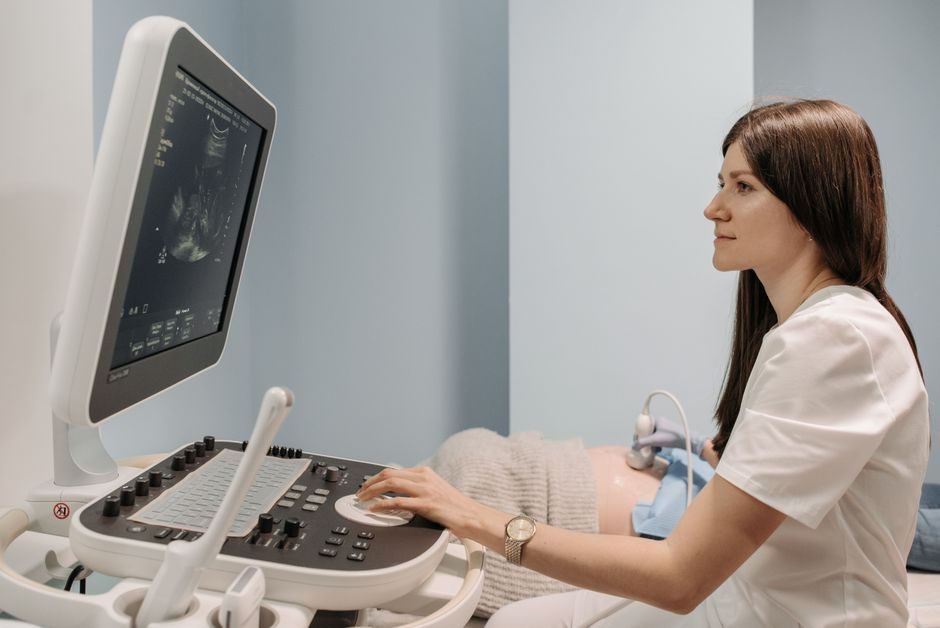
Digestive diseases are among the most common reasons people see a doctor anywhere in the world. Gastritis, peptic ulcer disease, irritable bowel syndrome, gallstones and inflammatory bowel disease can seriously affect quality of life and need competent treatment. Many patients from the European Union, Israel, the USA and the Middle East consider Ukraine for in-depth gastroenterology tests and treatment: experienced specialists, modern endoscopy and prices considerably lower than the European average.
Find out more about the service: online gastroenterologist consultation.
01Why choose Ukraine for gastroenterology care?
The key advantage is cost. A gastroscopy in Poland or the Czech Republic costs from EUR 150 to 300, while at a private clinic in Ukraine it costs EUR 20–60. A colonoscopy in Hungary costs from EUR 200 to 400; in Ukraine, EUR 50–120. This means you can have a full, comprehensive work-up for considerably less than in neighbouring EU countries.
Another advantage is short waiting times. In most eurozone countries, booking a routine endoscopy takes anywhere from several weeks to several months. In Ukraine, at a private clinic, the test can usually be done as early as the next day. If you have a suspected serious condition or your symptoms are getting worse, this matters a great deal.
The human factor matters just as much. MediUkraine arranges gastroenterology check-ups at its partner clinic, the EXPERT medical network in Uzhhorod, and supports you from your first enquiry to your final discharge: it books the right specialists, sends a written plan and cost estimate before the trip and can advise on travel and accommodation. The clinic’s team communicates with international patients in English.
02What does a gastroenterology check-up in Ukraine include?
A standard gastroenterology check-up for international patients usually has several core components, which can be adjusted to your symptoms and medical history.
Oesophagogastroduodenoscopy (OGD, or gastroscopy) is the main way to examine the oesophagus, stomach and duodenum. During the procedure the doctor can not only inspect the lining but also take a biopsy, test for Helicobacter pylori, stop bleeding or remove small polyps. It is usually offered under light sedation, so you are “asleep” and more comfortable.
A colonoscopy examines the entire large bowel. It is recommended for patients over 45 and whenever inflammatory bowel disease, polyps or bowel cancer is suspected. Like gastroscopy, colonoscopy in Ukraine is mostly performed under sedation. If polyps are found, they can usually be removed during the same procedure without separate surgery.
An abdominal ultrasound is a non-invasive scan of the liver, gallbladder, pancreas, spleen and kidneys. It can detect gallstones, fatty liver, cysts and growths. If needed, liver elastography is added: a way to assess the degree of fibrosis without a biopsy.
The laboratory panel usually includes a full blood count, liver enzymes (ALT, AST, alkaline phosphatase, bilirubin), amylase and lipase (markers of pancreatic function), a stool analysis and a faecal occult blood test. These are complemented by a Helicobacter pylori test (breath or blood test) and faecal calprotectin, a marker of inflammation in the bowel.
Not sure which clinic to start with?
A MediUkraine coordinator will help you choose a clinic and a doctor for your case, free of charge.
03The most common reasons international patients see a gastroenterologist in Ukraine
In practice, most international patients come for a few main reasons. The most frequent is preventive bowel cancer screening. Colonoscopy remains the gold standard for early detection, yet in many countries it is very expensive or hard to access because of waiting lists. Patients aged 45–50, or those with a family history of bowel cancer, travel to Ukraine specifically for this test.
The second common reason is diagnosis and treatment of chronic gastritis and peptic ulcer disease linked to Helicobacter pylori. Eradication therapy (a course of antibiotics combined with proton pump inhibitors) is the standard approach, but some patients have resistant strains of the bacteria and need an individually tailored regimen.
The third area is inflammatory bowel disease (Crohn’s disease and ulcerative colitis). Both standard therapy (aminosalicylates, corticosteroids) and biological therapy (infliximab, adalimumab) are available in Ukraine, and a course of treatment costs considerably less than in the EU or the USA.
Gallstone disease is another common reason. Laparoscopic cholecystectomy (gallbladder removal) in Ukraine costs on average EUR 400 to 800 including the hospital stay, compared with EUR 1,000 to 2,000 or more in the Czech Republic or Poland. You can usually expect to be discharged the day after surgery and to return home after 3–5 days.
04How to prepare for a gastroenterology check-up in Ukraine
Proper preparation has a big effect on the quality of the results. For a gastroscopy to give complete information, you need to avoid food and drink for at least 6–8 hours beforehand. If you take anticoagulants or aspirin, the doctor will advise you in advance; pause or adjust them only as agreed with the doctor who prescribed them.
Preparing for a colonoscopy is more demanding. For 1–2 days before the test you switch to a low-residue diet, cutting out fibre-rich foods, bread, dairy products and pulses. The evening before and on the morning of the procedure you take a special bowel-cleansing laxative (for example, Fortrans or Moviprep) to empty the bowel completely. The clinic will send you detailed preparation instructions together with your booking confirmation.
For a productive consultation, bring your previous results: blood tests, earlier endoscopy reports, ultrasound findings and letters from your gastroenterologist. This helps the doctor see how your condition has changed and avoid repeating tests. It is a good idea to write down your questions in advance; you can ask about anything that concerns you.
The MediUkraine team will help you plan the best order of tests: 1–2 days is usually enough for a comprehensive gastroenterology check-up. The team can also advise on accommodation near the clinic and on your journey home once the tests are finished. Back home, you will have a full set of medical documents with conclusions and recommendations to pass on to your own doctor for follow-up.