
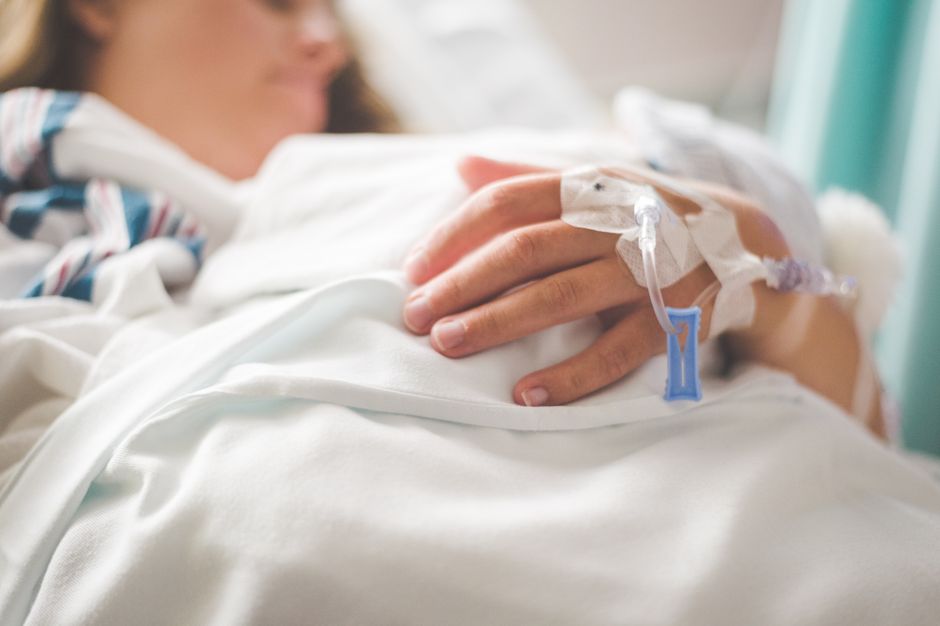
Leukaemia is a serious blood cancer whose treatment requires long and intensive therapy. Once the main course of treatment is over, an equally important stage begins: recovery, which affects the quality and length of remission. Understanding each step of rehabilitation helps you feel in control of the situation and avoid serious complications.
- Recovery after leukaemia treatment takes from several months to a year or more, depending on the type of therapy and your condition.
- The immune system stays weakened for a long time, so strict hygiene and diet rules are essential.
- Regular follow-up blood and bone marrow tests are the basis of a safe remission.
- Physical activity and psychological support help recovery and improve the overall outlook.
- How does your body react straight after therapy ends?
- What happens in the first two weeks at home?
- What daily routine works best in the first month?
- What should you eat during recovery?
- How does the immune system recover after leukaemia treatment?
- What physical activity is allowed and when?
- What follow-up tests are needed after leukaemia treatment?
- How can you recognise complications after leukaemia treatment?
- When should you see a doctor immediately?
- What psychological difficulties arise after treatment and how can you cope?
- When can you go back to work?
- How does recovery differ by type of leukaemia and treatment method?
- What role do family and loved ones play in recovery?
- How can you prevent a leukaemia relapse after treatment?
- How long does recovery after leukaemia treatment take overall?
01How does your body react straight after therapy ends?
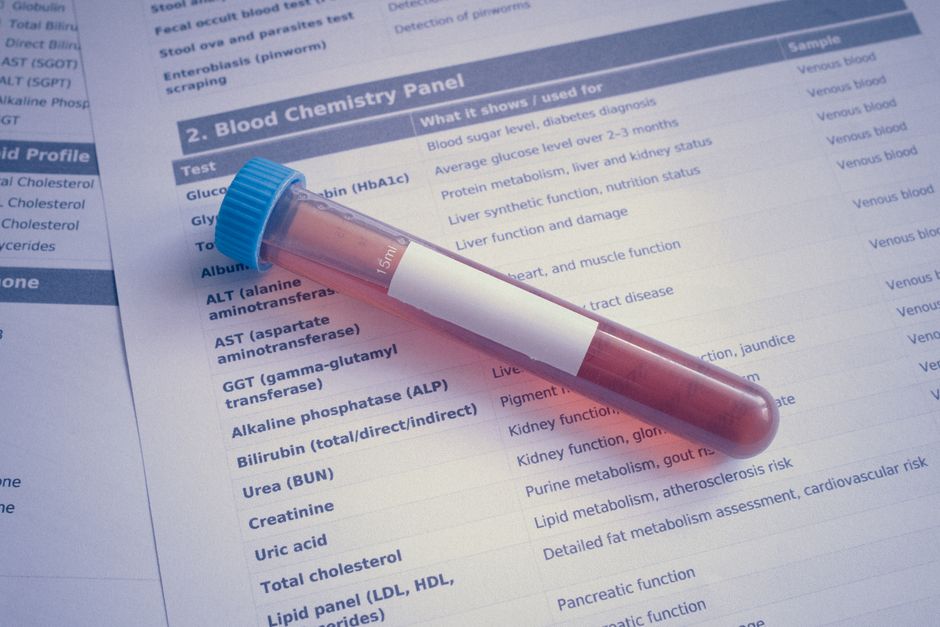
The first days after the last course of chemotherapy or a bone marrow transplant are the most vulnerable period. Your body is exhausted: white cells, red cells and platelets are sharply reduced, and the internal organs feel the effects of a long period of intensive medication. As a rule, you are still under medical supervision in hospital at this stage.
The most common effects at this stage are marked weakness, dizziness, nausea, mouth ulcers and increased vulnerability to any infection. These are not signs that treatment has failed but a natural reaction of the body to intensive therapy. It is important not to panic and to follow your doctor’s advice closely.
During this time you receive supportive care: platelet or red blood cell transfusions, antibiotics and antifungal medicines to prevent infections, and pain relief if needed. Medical staff check your full blood count and the condition of your mucous membranes every day. You are discharged from hospital only once your blood counts have stabilised and there are no signs of active infection.
02What happens in the first two weeks at home?

Going home is an important psychological moment, but it does not mean you have fully recovered. For the first two weeks your immune system remains severely weakened. Contact with any infection can lead to serious complications, so keeping away from potential sources of germs is a priority.
Avoid crowded places and do not use public transport or visit markets or shopping centres. If there are small children at home or someone has a cold or other respiratory infection, it is better to set up a separate space for a while. Air the rooms regularly and clean with a damp cloth, without harsh chemicals.
Pay particular attention to hand hygiene: wash your hands thoroughly with soap or use a hand sanitiser after any contact with the outside world. Switch to a soft toothbrush and avoid hard food that could injure your gums. Wear a medical mask in public places. Even a slight rise in temperature during this period is a reason to contact your doctor immediately.
Not sure which clinic to start with?
A MediUkraine coordinator will help you choose a clinic and a doctor for your case, free of charge.
03What daily routine works best in the first month?
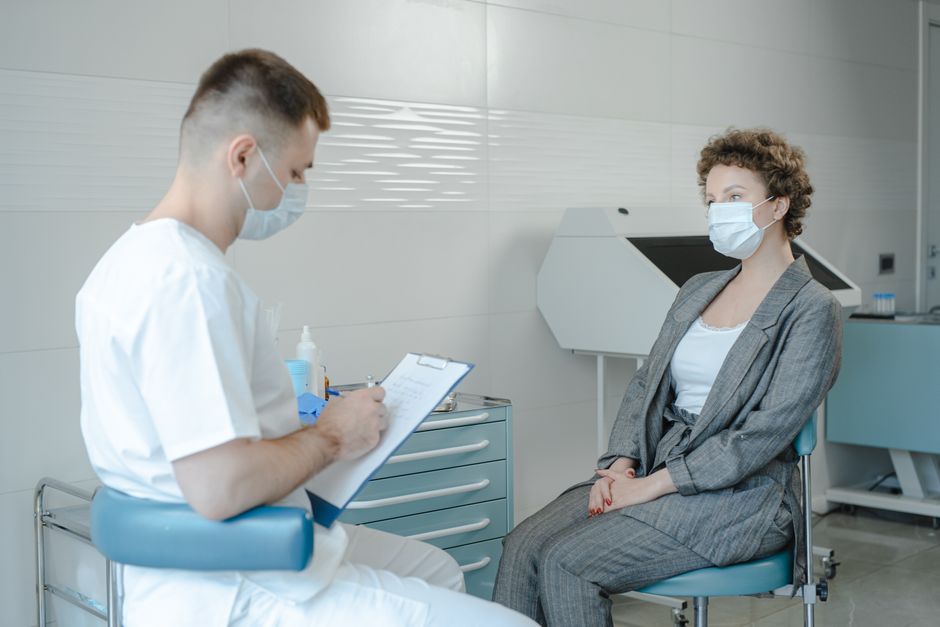
The first month after leukaemia treatment is a time of moderate rest and gradual recovery. Your body needs plenty of sleep: at least 9–10 hours at night, and daytime naps are welcome. Overexertion during this period slows bone marrow recovery and increases the risk of infections.
It is best to build your day around regular meals, short walks in a quiet park (outside peak hours) and light exercise indoors. Limit screen time in the evening so as not to disturb your sleep. Stress and emotional overload have a negative effect on immune recovery, so it is important to find a routine that brings you calm.
Plan any trips or social events only after talking to your haematologist. Even if you feel well, your blood counts may not yet be normal. Remember that the pace of recovery is individual and depends on the type of leukaemia, the treatment plan and any other conditions you have.
04What should you eat during recovery?
After leukaemia treatment, diet plays a critically important role. Chemotherapy often causes nausea, food aversion and changes in taste, and these effects can last for weeks after the course ends. The aim of your diet at this stage is to supply the protein, vitamins and minerals needed for bone marrow recovery and tissue healing.
Your diet should be based on boiled or steamed dishes made from lean meat (chicken, turkey, rabbit), fish, eggs, fermented dairy products and grains. Food should be cooked: in the first month, eat raw fruit and vegetables only after washing them thoroughly and peeling them. Raw meat, fish and seafood are completely off the menu because of the risk of salmonella and other infections.
Your doctor may prescribe liquid nutritional supplements if you are unable to eat enough on your own. It is worth keeping a food diary and noting how your body reacts to new foods. Alcohol, smoked foods, fast food and excess sugar should be avoided throughout the recovery period.
05How does the immune system recover after leukaemia treatment?
Immune recovery is the longest and least predictable process after leukaemia treatment. Chemotherapy destroys not only cancer cells but also a large proportion of healthy immune cells. Depending on the medicines used, full recovery of immune status can take from 6 months to 2 years.
After an allogeneic (donor) bone marrow transplant the process is even more complex: the donor’s new immune system has to adapt to the recipient’s body, which carries a risk of graft-versus-host disease. Your doctor prescribes immunosuppressive therapy to control this, and you remain under close monitoring for a long time.
Do not try to speed up immune recovery with “folk immune boosters” or dietary supplements without your haematologist’s agreement: some of them can cause unwanted reactions or interact with your prescribed medicines.
Vaccination after leukaemia treatment follows a special schedule, and live vaccines are not allowed until your immune system has fully recovered. Vaccines against flu, pneumococcal infection and hepatitis B are scheduled by your haematologist individually. Do not make decisions about vaccination on your own.
06What physical activity is allowed and when?
Physical activity after leukaemia treatment is not just desirable; its benefits are clinically proven. Moderate exercise improves circulation, maintains muscle tone, reduces fatigue and has a positive effect on your emotional state. However, the type and intensity of exercise must strictly match your current condition.
In the first 4–6 weeks after treatment, only light walks of 15–20 minutes in the fresh air are recommended. Start with 5–10 minutes and gradually increase the duration as you feel able. If you become short of breath, dizzy or notice palpitations while walking, reduce the effort and tell your doctor.
After 2–3 months, once your blood counts are back to normal, therapeutic exercise, swimming in a pool with good hygiene standards and Nordic walking are allowed. Strength training, contact sports and extreme activities are postponed for at least a year. You can return to sport only with your haematologist’s approval.
07What follow-up tests are needed after leukaemia treatment?
Regular monitoring is the foundation of a successful remission. After active treatment ends, you move on to regular follow-up, which makes it possible to spot signs of relapse or side effects of therapy in time. Never skip scheduled check-ups, even if you feel well.
Full blood count
This is done most often: every 1–2 weeks in the first months, then once a month and less often as things stabilise. It tracks white cell, red cell and platelet levels and picks up early signs of relapse or anaemia.
Bone marrow tests
A bone marrow aspiration or trephine biopsy is done according to a schedule set by your haematologist, usually 1, 3, 6 and 12 months after therapy ends. This test makes it possible to confirm complete remission at cell level.
Cytogenetic and molecular tests
If there are specific markers (for example, the Philadelphia chromosome in CML or MLL rearrangements), PCR or FISH testing is used to detect minimal residual disease. This is the most sensitive way of monitoring remission.
08How can you recognise complications after leukaemia treatment?
Complications after leukaemia treatment can be early or delayed, and some of them appear only months or even years after therapy ends. It is important to know about them so that you see a doctor in time and do not dismiss symptoms as “normal tiredness”.
The most common early complications are anaemia, bleeding problems (increased bleeding tendency), infections and mucositis (inflammation of the mucous membranes). They result from suppressed bone marrow and, as a rule, respond well to treatment if detected in time.
Delayed complications include heart damage (cardiotoxicity of anthracyclines), reduced fertility, thyroid problems, osteoporosis and second cancers. To detect them, you have regular checks of the heart (ECG, echocardiography), thyroid, bones and other organs, even in stable remission. You can read more about the support available during and after treatment on our leukaemia treatment page.
09When should you see a doctor immediately?
During recovery after leukaemia treatment, some symptoms need urgent medical attention without waiting for a scheduled appointment. You and the people close to you should know these warning signs and act without delay.
Seek urgent medical advice or call an ambulance if you have:
- A temperature above 38°C: when your immunity is weakened, even a mild fever can signal a serious infection that develops rapidly without treatment.
- Unexpected bleeding: from the gums, nose or vagina, or blood in the urine or stool, is a sign of a critically low platelet count.
- Shortness of breath at rest or a racing heart: may indicate anaemia, cardiotoxicity or a lung problem.
- A severe headache, problems with vision or speech: possible signs of central nervous system involvement or a bleed.
- Sudden swelling, redness or pus at the catheter site: a sign of a central line infection.
It is better to call your doctor unnecessarily than to delay with a critical symptom. Your haematologist will always tell you whether to go to hospital or keep an eye on things at home.
10What psychological difficulties arise after treatment and how can you cope?
Emotional recovery after leukaemia treatment is an integral part of rehabilitation that is often underestimated. After a long hospital stay, fear of death and exhausting treatment, many people experience anxiety, depression, fear of relapse and difficulty returning to normal life.
This is known as “cancer anxiety” or “fear of recurrence” and is a perfectly normal reaction, not a sign of a mental disorder. Every headache, unusual tiredness or bruise may be taken as a sign of relapse. This state needs attention and support, not to be ignored.
It is advisable to see a psychologist or psycho-oncologist, a specialist who works specifically with cancer patients. Support groups, art therapy, meditation and cognitive behavioural therapy have shown clinical benefit in improving quality of life. Support from loved ones plays a huge role, so family members may also benefit from advice on how best to communicate with someone in recovery.
11When can you go back to work?
Returning to work is an important social and psychological marker of recovery. However, do not rush: taking on too much too early can make you feel worse and prolong rehabilitation. The timing depends on the type of work, the nature of your treatment and your individual results.
Office and desk-based work with a moderate workload may become possible 3–6 months after treatment ends, provided your blood counts are normal and there are no infection risks in the workplace. Working remotely at first is a good option, as it lets you avoid contact with colleagues.
Work involving physical exertion, contact with chemicals or people with infections, or working outdoors is postponed for much longer and discussed with your haematologist individually. It is worth telling your employer about your health needs so that your working conditions can be adjusted during recovery.
12How does recovery differ by type of leukaemia and treatment method?
Leukaemia is not a single disease but a whole group of cancers of the blood-forming system. Accordingly, recovery after treatment for acute lymphoblastic leukaemia (ALL) differs significantly from rehabilitation after chronic myeloid leukaemia (CML) or acute myeloid leukaemia (AML).
After acute forms of leukaemia
People who have had several courses of intensive chemotherapy experience significant bone marrow exhaustion. Recovery takes longer, and the risks of infection and relapse are higher. After a bone marrow transplant, rehabilitation can take more than a year and includes courses of immunosuppression and monthly laboratory monitoring.
After chronic forms of leukaemia
People with CML or CLL often receive targeted therapy in tablet form, which continues for years. Their recovery is less “acute” but requires disciplined medication-taking, regular monitoring and management of side effects, particularly effects on the liver, heart and kidneys.
13What role do family and loved ones play in recovery?
Family support is one of the strongest predictors of a successful recovery. Research shows that cancer patients who have emotional and practical support from loved ones follow medical advice better, become depressed less often and may have better survival rates.
Practical help includes preparing meals in line with medical advice, accompanying the patient to check-ups, helping with household tasks and keeping the home clean. It is important that family members are healthy themselves and, if necessary, wear masks when in contact with the patient in the first months after treatment.
Emotional support is just as important: being able to listen, not playing down the patient’s fears, but also not “walking on eggshells” and creating an atmosphere of anxiety. Natural conversation, shared plans for the future and attention to the patient’s interests beyond the illness all greatly improve their psychological state and motivation to recover. Loved ones should also look after their own mental health and seek support when needed.
14How can you prevent a leukaemia relapse after treatment?
Preventing relapse is a concern for every patient after active therapy ends. It is important to be clear that there are no guarantees against relapse, but there is a whole set of measures that significantly reduce its likelihood and allow signs of the disease returning to be detected as early as possible.
Maintenance therapy is the first and most important level of prevention. In ALL it typically lasts 2 years or more after remission is achieved and involves low-dose chemotherapy. In CML or some forms of AML, targeted medicines are prescribed; do not stop them yourself, even if you feel well: change or stop them only as agreed with the doctor who prescribed them.
A healthy lifestyle also has a protective effect: giving up tobacco and alcohol, a balanced diet, regular physical activity and avoiding chronic stress reduce the overall inflammatory load on the body. Sun protection is especially important for people who have had radiotherapy or have a higher risk of skin problems. Attending scheduled check-ups on time remains the main tool for detecting relapse early.
15How long does recovery after leukaemia treatment take overall?
There is no single answer to this question, and that is not evasion but medical reality. Recovery after leukaemia treatment is a multi-stage and highly individual process. It is influenced by the type of leukaemia, your age, any other conditions, the treatment plan and your psychological state.
For most people, basic physical recovery (blood counts returning to normal and a return to moderate activity) takes from 3 to 6 months. Full recovery of the immune system after chemotherapy takes 6–12 months. After a bone marrow transplant this can take 1–2 years.
Psychological recovery often takes longer than physical recovery. Some people feel the effects of treatment, such as cognitive changes, increased fatigue or chronic pain, for years. This is not a life sentence but a challenge that many people overcome successfully with a systematic approach, support from loved ones and qualified medical care. The main thing is to keep moving forward and stay in touch with your haematologist.
MediUkraine’s partner clinic is the EXPERT medical network in Uzhhorod. The clinic’s team communicates with international patients in English and can advise you on treatment and follow-up at each stage, from your first consultation to rehabilitation.
16Frequently asked questions
Can you live a full life after leukaemia treatment?+
Yes, most people in stable remission return to work, family and social life. The pace and completeness of recovery depend on the type of leukaemia, the treatment plan and how closely you follow your doctor’s advice.
How long do you need blood tests after leukaemia treatment?+
Regular blood monitoring continues for at least 5 years after remission is achieved, as this is when the risk of relapse is highest. After that, tests become less frequent but do not stop completely.
Can you have children after leukaemia treatment?+
Fertility should be discussed with your haematologist before treatment starts so that eggs or sperm can be frozen if needed. After therapy, pregnancy is possible but is planned no earlier than after 2–3 years of stable remission and only with your specialist’s agreement.
Do you need a special diet for life after leukaemia treatment?+
A strict diet is followed mainly in the first 3–6 months after treatment. After that, your diet is gradually broadened under your doctor’s supervision, but healthy eating without alcohol and processed food is recommended permanently.




