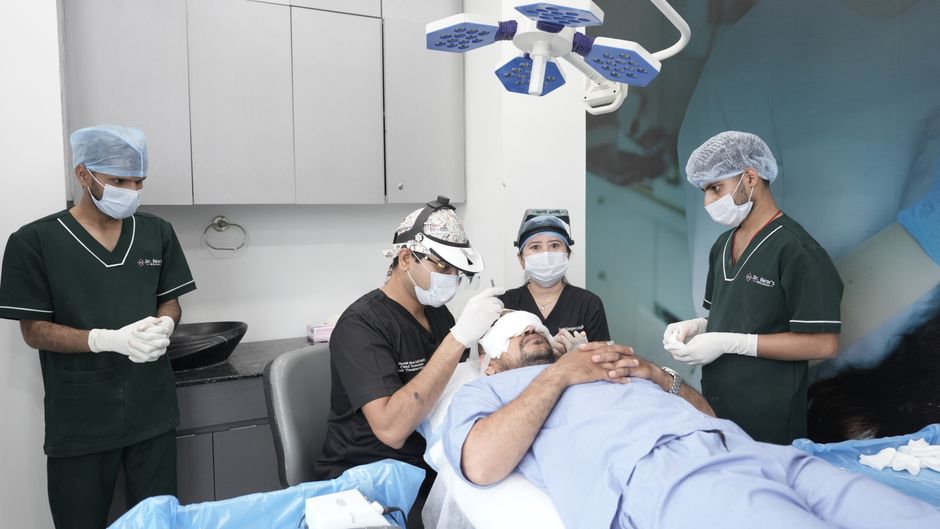
Treating male hair loss is not just a procedure but a full recovery process on which the final result depends. Proper aftercare determines how thick and natural your hair will look a few months later. This article covers each stage of recovery in detail, from the first hours to a stable result.
- The first 72 hours are the most critical period: do not touch the transplant area and keep to the recommended sleeping position
- Shedding of the transplanted hairs in weeks 2–4 is normal, not a failure
- The full result is assessed 10–12 months after the procedure
- Physical activity and direct sun exposure are restricted for at least 4 weeks
- What treatments for hair loss are there, and why does it matter for recovery?
- What happens in the first hours after the procedure?
- How to sleep after a hair transplant
- When and how can you wash your hair after the procedure?
- Why does hair fall out after a transplant, and is it dangerous?
- What diet helps recovery?
- When can you go back to work after hair loss treatment?
- What exercise is allowed and when?
- How to protect your scalp from the sun
- What complications can occur and how do you recognise them?
- When should you see a doctor immediately?
- What medicines are prescribed after the procedure and why?
- Which follow-up visits are needed and when?
- When will you see results, and what counts as success?
- How to prevent further hair loss after treatment
01What treatments for hair loss are there, and why does it matter for recovery?
Before talking about recovery, it helps to understand that your body’s response depends on the specific procedure. Different methods vary in how invasive they are, and therefore in healing times and restrictions.
- FUE (follicular unit extraction): a micro-punch method without a linear scar; less traumatic, with faster recovery
- FUT (strip method): a strip of skin is removed from the donor area, leaving a linear scar; it takes longer to heal
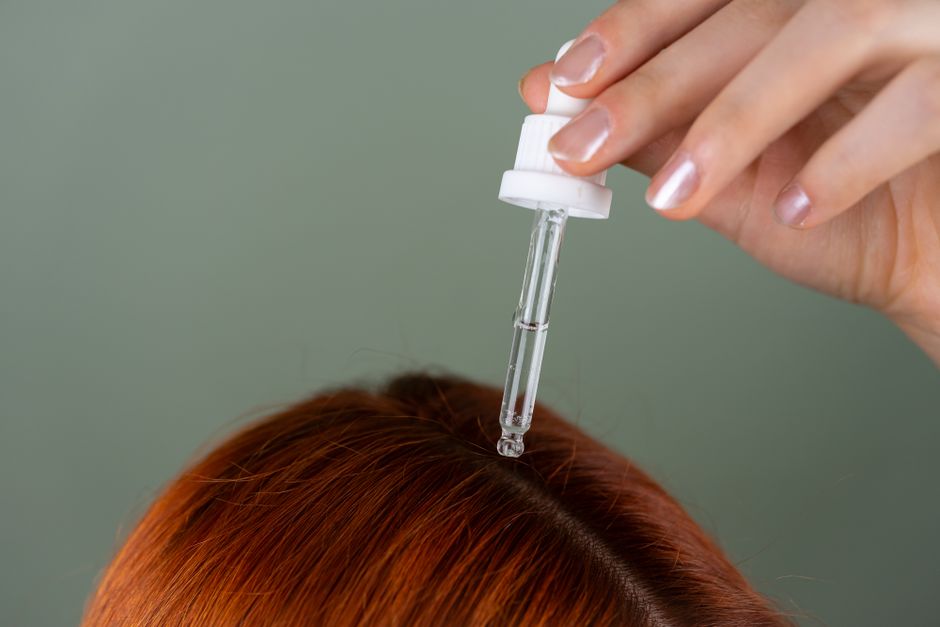
- PRP therapy: injections of platelet-rich plasma; minimally invasive, with easier and faster recovery
- Mesotherapy and medication: the least traumatic options, with minimal restrictions
You can find out more about each of these procedures and when they are recommended on our male hair loss treatment page. Understanding your method lets you plan your recovery clearly and avoid mistakes that can undo the result of the operation.
02What happens in the first hours after the procedure?
Straight after the procedure, you stay under the supervision of the clinic staff. The transplant area looks swollen and red — a normal reaction to tiny injuries. A soft dressing or a special cap is placed on your head and removed only on the doctor’s instructions.
You may feel slight burning, tingling or heaviness in the treated area. Pain is usually moderate and well controlled with the prescribed painkillers. Do not change your pain-relief plan on your own.
Do not touch the transplanted area with your hands, bend forward suddenly or lift heavy objects. Ideally, spend the first 6–8 hours resting in a semi-upright position. This reduces swelling and lowers the risk of the grafts shifting in the recipient area.
You can eat and drink 1–2 hours after the procedure, provided you feel well. Alcohol is strictly off-limits for the first 72 hours: it dilates the blood vessels and increases bleeding and swelling, which directly harms graft survival.
Not sure which clinic to start with?
A MediUkraine coordinator will help you choose a clinic and a doctor for your case, free of charge.
03How to sleep after a hair transplant
Your sleeping position is one of the most important — and most often underestimated — factors in a successful recovery. For the first 5–7 days, keep your head raised at an angle of 30–45 degrees. This reduces swelling of the forehead and around the eyes, which often gets worse on the second day.
To stay in the right position, use 2–3 pillows or a special wedge pillow. Do not sleep on your side or stomach in the first week — this can damage the freshly transplanted follicles or dislodge them before they have taken.
Swap your pillowcases for satin or silk ones — they catch the skin less and do not irritate the healing surface. If you tend to turn over at night, place bolsters at your sides to keep you in the right position while you sleep.
From day 7–10, most patients can return to their usual sleeping position. But if there is still tenderness or swelling in the donor area, it is better to keep following the recommendations for a few more days.
04When and how can you wash your hair after the procedure?
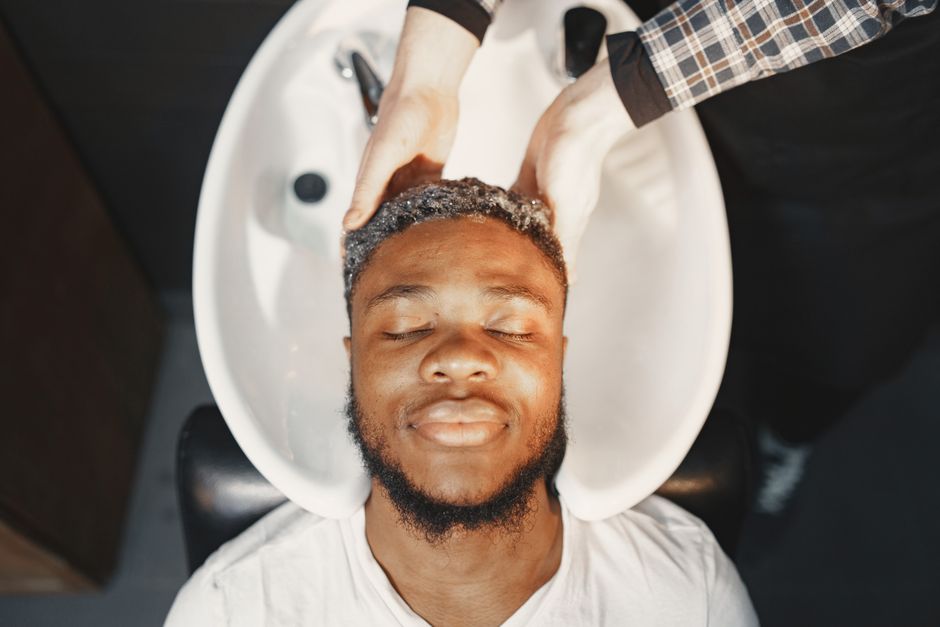
The first hair wash after a transplant is an important moment, and most clinics do it themselves the next day or the day after. You will be shown the correct technique in detail so that you can repeat it at home.
For the first 10–14 days, wash your hair only with mild sulphate-free shampoos that do not irritate the tiny wounds. The water should be at room temperature or slightly warmer — hot water dilates the blood vessels and causes swelling. Do not point the shower jet directly at the transplant area.
Wash only by dabbing with your fingertips or patting lightly. Rubbing, towelling and using a hairdryer on a hot setting are completely ruled out. Just press the towel lightly against the skin.
After day 14, once the scabs have fallen off on their own, you can gradually move to a more normal washing routine. Any attempt to speed up the shedding of scabs mechanically can injure the follicles and cause some of them to die.
05Why does hair fall out after a transplant, and is it dangerous?
Most patients are alarmed when the newly transplanted hairs start falling out in weeks 2–4 after the transplant. In fact, this is a physiological process known as “shock loss”, or reactive telogen shedding. The follicle reacts to the stress of being moved by temporarily entering a resting state.
In the resting state, the follicle does not die — it adapts. After 3–4 months, new permanent hair starts growing actively from the same transplanted roots. Regrowth is uneven: different areas may “wake up” at different speeds, and that is normal.
As well as the transplanted hairs, your own hair near the operated area may temporarily shed more. This is also a reaction to stress and disrupted circulation in the small vessels. Things usually settle by month 3.
If heavy shedding lasts longer than 6–8 weeks or comes with pain, pus and redness, see your doctor rather than waiting. Detecting a complication early considerably improves the outlook.
06What diet helps recovery?
Your diet during recovery directly affects the quality of healing and how fast new hair grows. The follicles need enough protein, minerals and vitamins — and this is not just general advice but a physiological necessity.
Particularly important are biotin (B7), zinc, iron, vitamin D, omega-3 fatty acids and amino acids — especially cysteine and methionine. These nutrients are the building blocks of the hair shaft and support the metabolic activity of the root.
Include eggs, fish (especially oily fish), nuts, seeds, leafy greens, pulses and dairy products. Processed foods, fast food and excess sugar suppress the immune response and slow healing.
It is advisable to limit alcohol for at least a month after the procedure. Smoking seriously impairs circulation in the small vessels and lowers oxygen levels in the tissues — and that directly harms the follicles. Smokers are usually advised to stop smoking 2 weeks before and for at least a month after surgery.
07When can you go back to work after hair loss treatment?
When you can return to work depends on the type of work and the method used. With office-based, desk work, most patients can return on day 3–5 after a transplant — provided their condition is stable and there are no obvious cosmetic issues that get in the way of dealing with people.
If your work involves physical exertion, being outdoors in the sun, dust, chemical fumes or high temperatures, your return is postponed for at least 2–3 weeks. Overheating, dirt and mechanical contact with the transplant area early on risk infection and loss of follicles.
Work trips involving long flights or a change of climate are also best avoided in the first week. Sharp changes in pressure and weather conditions can increase swelling and slow healing.
After PRP therapy and mesotherapy, the restrictions are shorter: most patients return to their normal routine the next day. However, avoid direct sun and intense exercise for another 2–3 days after each session.
08What exercise is allowed and when?
Physical activity after a hair transplant is reintroduced in stages. For the first 14 days, any intense exercise is completely off-limits: running, strength training, yoga with bending, swimming and cycling. The reason is that raised blood pressure during exertion increases the risk of bleeding and of grafts shifting.
Light walks at a moderate pace are allowed from day 3–5. This is actually beneficial: moderate movement improves overall circulation and supports your metabolism. The main thing is to avoid overheating and direct sun.
From the third week you can gradually resume light cardio — brisk walking or a moderate exercise bike. A return to full strength training is recommended no earlier than 4 weeks after surgery, and in some cases after 6.
Before you resume training, be sure to consult the doctor who performed the procedure: they will assess how you are healing and give individual permission for a specific type of activity.
Swimming pools, steam baths, saunas and hammams are strictly off-limits until the surface wounds have fully healed — usually for at least 4–6 weeks. Chlorine, germs in the water and overheating are direct threats to unhealed follicles.
09How to protect your scalp from the sun
Ultraviolet radiation is a serious enemy in the first months after a transplant. Direct sunlight slows healing, causes darkening of scars in the donor area and can damage sensitive newly established follicles that do not yet have protective pigment.
For the first 4 weeks, avoid direct sun on the transplant area completely. When you go out, wear a light hat — a soft cap or a wide-brimmed sun hat. Avoid hats made of thick material in the first days so as not to press on the grafts.
Do not apply sunscreen to the operated area in the first 2 weeks without checking with your doctor. Many chemical filters can irritate unhealed skin or cause a contact reaction. After day 14, use only mineral sunscreens with SPF 30+.
From the second month, sun protection can gradually become less strict, but it is worth keeping the habit of protecting your scalp. Sun-damaged skin ages faster, which affects the quality of the follicles in the long term.
10What complications can occur and how do you recognise them?
Most complications after hair loss treatment result from not following the recommendations or from a patient’s anatomy. They are rarely serious when the protocol is followed, but everyone undergoing the procedure should know about them.
The most common early complications are infection of the donor or recipient area, marked swelling of the forehead (which can spread down to the eyelids), itching and thick scabs. They are usually resolved with prescribed medicines and proper care.
Rarer but more significant are necrosis of patches of skin (more often with large transplants or impaired blood supply), complete or partial failure of the grafts to take, and hypertrophic scars in the donor area (mainly after FUT). These conditions need medical treatment.
An allergic reaction to the anaesthetic or to medicines after the operation is also possible, though unlikely. A sudden rash, facial swelling or difficulty breathing after taking prescribed medicines is a reason to seek help immediately. It is better to be cautious than to delay.
11When should you see a doctor immediately?
Some symptoms after hair loss treatment are warning signs that need an urgent consultation, without waiting for a planned check-up. It is important to know them in advance so that you do not ignore them in an effort “not to bother the doctor unnecessarily”.
Contact the clinic immediately if you have: a temperature above 38°C that does not come down with fever-reducing medicines; a sharp increase in pain in the operated area after day 3; pus or an unpleasant smell from the wound; or marked redness with clear edges that is spreading.
Heavy bleeding from the donor or recipient area is also a danger sign — if it does not stop after 15 minutes of gentle pressure with sterile material. In this case, do not try to deal with it yourself.
Numbness or a “pins and needles” feeling in the scalp after the first weeks that is getting worse or spreading to the face is also a reason for an unscheduled check-up. Most of these symptoms respond well to treatment if you seek help in time rather than putting off the visit.
12What medicines are prescribed after the procedure and why?
The medication plan after a hair transplant is standard but always adjusted individually by the doctor. Do not change the doses or stop any medicines on your own — even if everything seems to be healing well; stopping is only done as agreed with the doctor who prescribed them.
Typically prescribed are broad-spectrum antibiotics for 5–7 days to prevent infection; anti-inflammatory medicines to reduce swelling and pain; antihistamines for itching; and special lotions or solutions for cleaning the transplant area.
Minoxidil and finasteride are often prescribed after a transplant as maintenance therapy — especially for patients with progressive androgenetic alopecia. These medicines help preserve your own hair and extend the effect of the transplant.
Tell your doctor in advance about all the medicines you take regularly. Some medicines (anticoagulants, antidepressants, blood pressure medicines) may interact with the prescribed plan or affect healing. Being open with your doctor is part of a responsible approach to recovery.
13Which follow-up visits are needed and when?
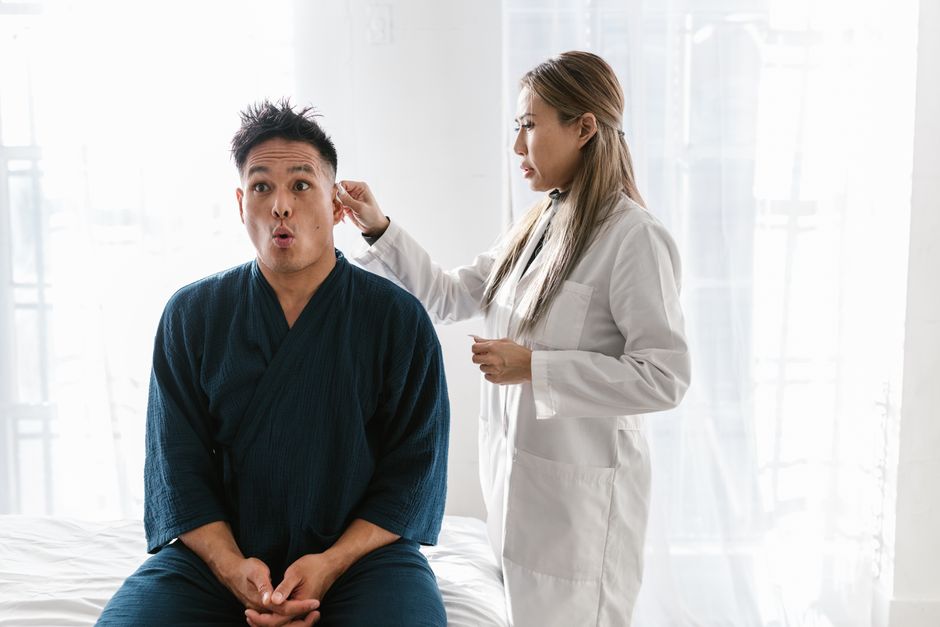
Monitoring after a hair transplant is an essential part of treatment, not an option. Regular check-ups allow the doctor to spot deviations in time and adjust the recovery plan before a small problem turns into a serious complication.
A standard follow-up schedule: the first check the next day or 2–3 days after the procedure; the second after 7–10 days (assessment of healing, stitch removal in the donor area after FUT); the third after 1 month; then 3, 6 and 12 months after surgery.
At each visit, the doctor assesses growth density, how evenly the grafts are distributed, the state of the donor area and the overall health of the scalp. If needed, local treatment is adjusted or additional procedures are prescribed — for example, PRP sessions to support growth.
Do not skip planned check-ups even if everything seems normal: some changes can only be detected with trichoscopy or special equipment. Clinical monitoring helps protect your result over the year ahead.
14When will you see results, and what counts as success?
Realistic expectations are the key to peace of mind during recovery. You should be prepared not to compare “before” and “after” earlier than 10–12 months after the transplant.
The first signs of new hair growth appear at around month 3–4. By month 6, there is a substantial increase in density, and most patients are already happy with the changes. However, the hair shaft reaches full maturity, thickness and pigmentation by month 12.
A result is considered successful when 90–95% of grafts survive with a well-performed procedure and proper aftercare. The density and hairline should look natural and blend in with the rest of your hair.
Maintenance therapy alongside the transplant (minoxidil, PRP) can speed up growth and improve the quality of the hair shaft. Even after you have achieved the result, it is worth continuing preventive measures — especially with androgenetic alopecia, which tends to progress.
15How to prevent further hair loss after treatment
Transplanted follicles are genetically resistant to dihydrotestosterone — the hormone that causes androgenetic hair loss. That is why transplanted hair usually does not fall out again. But your own hair around the transplant area may continue to thin without proper support.
To prevent hair loss from progressing, the following are recommended: regular PRP sessions (1–2 times a year), ongoing use of minoxidil or finasteride (as prescribed by your doctor), and monitoring of iron, vitamin D and thyroid hormone levels.
Chronic stress is one of the key triggers of diffuse hair shedding. After the procedure, pay attention to the quality of your sleep, your workload and your overall emotional state. Adjusting your lifestyle is just as important as medication.
Proper, regular care of your hair and scalp — gentle shampoos, no harsh chemical treatments and no heat damage — considerably extends the life of your transplant result. Prevention is always more effective than repeat treatment.
MediUkraine can arrange male hair loss treatment at our partner trichology clinic, HairMed in Dnipro, advise you on choosing a method and organise your whole treatment — from your first enquiry to the follow-up visit. The clinic’s team communicates with international patients in English.
Related services: Male Hair Loss Treatment in Ukraine · Trichologist Consultation in Ukraine · Trichoscopy in Ukraine
16Frequently asked questions
How long does full recovery after a hair transplant take?+
Surface healing takes 10–14 days, but the follicles fully stabilise and produce a visible result after 10–12 months. The final density and quality of the transplanted hair are assessed at one year.
Is it painful after hair surgery, and for how long?+
Moderate pain and discomfort are typical for the first 2–3 days and are well controlled with the prescribed painkillers. After a week, most patients no longer need pain relief.
When can I have a haircut after a hair transplant?+
The first haircut is recommended no earlier than 4 weeks after the procedure, and only with scissors — no razor or clippers. Mechanical contact with the transplant area early on can damage follicles that have not yet settled.
Can I have sex after a hair transplant?+
Physically strenuous sexual activity is best avoided for the first 10–14 days — for the same reasons as any other intense exercise: blood pressure rises and there is a risk of bleeding in the operated area.