

Treatment of hormonal disorders in men is not a one-off procedure but the start of a long process of bringing the body back into balance. How you manage things after treatment begins affects both how well it works and how safe it is. Understanding each stage of recovery helps you avoid mistakes and achieve a stable result.
- The first effects of treatment are felt after 4–6 weeks, and your condition stabilises after 3–6 months.
- Regular blood tests and check-ups with an endocrinologist are needed throughout the course.
- Physical activity is introduced gradually: a sudden increase can distort the effect of therapy.
- Diet, sleep and giving up harmful habits have a direct effect on how well hormone treatment works.
- What happens in the body in the first hours after starting therapy?
- The first days of treatment: what to expect and how to behave?
- The first week: routine, restrictions and general rules
- Diet during hormone therapy: what to eat and what to avoid?
- Physical activity: when can you return to training?
- Follow-up tests and check-ups: what is the monitoring schedule?
- Possible side effects: what is normal and what is a warning sign?
- When should you see a doctor urgently?
- How does therapy affect libido and sexual function?
- Returning to work: when and in what way?
- Your psychological state during recovery: what to expect?
- Sleep and rest: why are they critically important?
- How long do full recovery and stabilisation take?
- Preventing a recurrence of hormonal imbalance: what to do after the course?
- Interactions with other medicines during hormone therapy
01What happens in the body in the first hours after starting therapy?
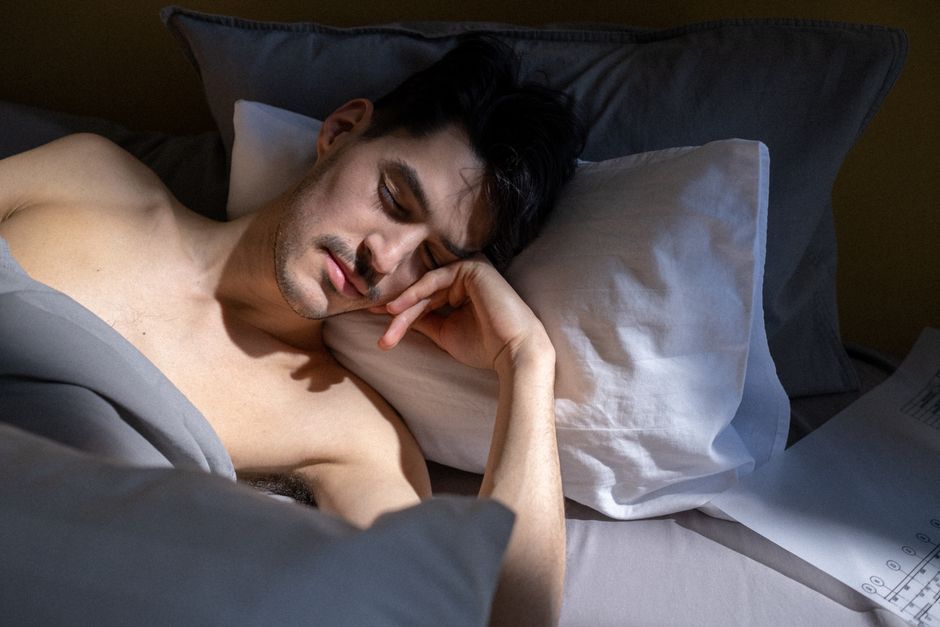
The first dose of the medicine, whether an injection, gel, patch or tablet, starts a pharmacological process, but the body responds gradually. Hormones do not act instantly: they need time to bind to receptors in the tissues and set off a cascade of biological reactions. Do not expect a sudden improvement in how you feel in the first hours; this is normal.
Depending on the form of the medicine, testosterone or another hormone reaches its peak level in the blood at different times. With intramuscular injections it is within 24–72 hours; with skin preparations it is 4–8 hours after application, but the level stabilises only after several days of regular use.
In the first hours, some patients notice slight tingling or warmth at the injection or application site. This is a typical local reaction that goes away on its own. If marked swelling, redness or tenderness lasts more than 24 hours, tell your doctor.
From the very first day, it is important to take the medicine at the recommended time, as stable hormone levels in the blood depend largely on regular dosing. Missing doses in the first weeks leads to fluctuating levels and can delay the start of the benefit.
02The first days of treatment: what to expect and how to behave?

The first 3–7 days after starting hormone therapy are a period of adaptation. The body “gets used to” its new hormonal balance, and this can come with unexpected sensations. Some patients describe increased excitability or, on the contrary, slight drowsiness and difficulty concentrating.
Mild mood swings during this period are an expected reaction, not a sign that the therapy does not suit you. The nervous system responds to changes in endocrine balance, and the neurotransmitters need time to adapt to the new hormone levels. These effects usually settle by the end of the first week.
In the first days, it is advisable to avoid significant physical and emotional strain. Stress raises cortisol levels, which can counteract the effects of testosterone. Getting a full night’s sleep of at least 7–8 hours is not just a wish at this time but a medical necessity.
It is also important to record how you feel in the first days: write down changes in mood, energy levels, sleep and libido. These notes will be valuable at your first follow-up appointment: the doctor will be able to assess your body’s initial response to therapy more accurately and adjust the dose if needed.
Not sure which clinic to start with?
A MediUkraine coordinator will help you choose a clinic and a doctor for your case, free of charge.
03The first week: routine, restrictions and general rules
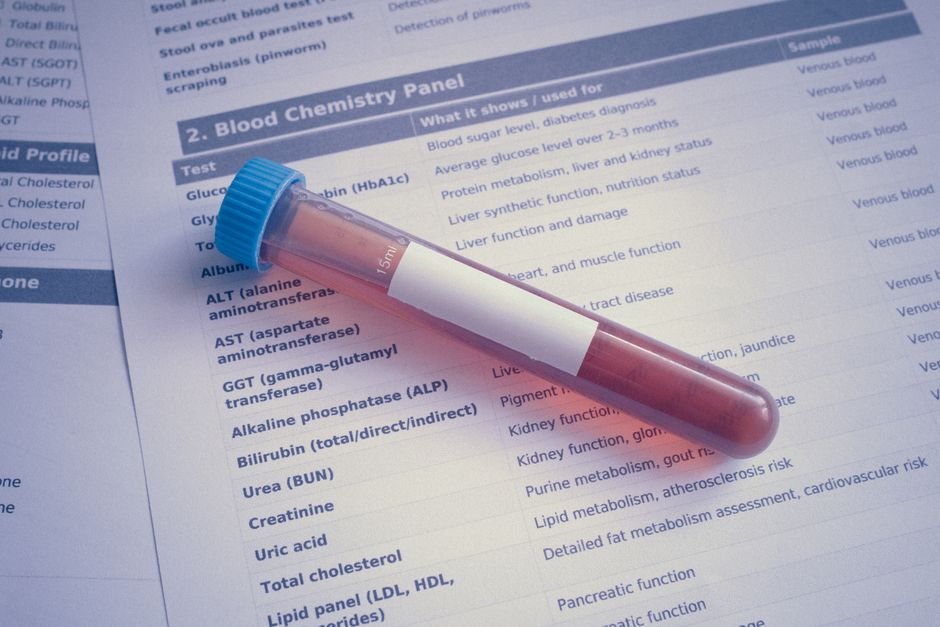
During the first week of therapy, your daily routine should be stable and predictable. Going to bed and getting up at the same time is not trivial advice but a way to synchronise your circadian rhythms with your hormonal cycle. Your own testosterone and growth hormone are secreted mainly at night, so good-quality sleep is critically important.
Alcohol should be avoided completely in the first week. It inhibits the liver enzymes involved in hormone metabolism, reduces the cells’ sensitivity to testosterone and at the same time raises oestrogen levels. Even moderate drinking during this period can significantly distort your body’s initial response to treatment.
Smoking also reduces the effectiveness of therapy: nicotine narrows the blood vessels, impairs blood flow in the small vessels and reduces the delivery of hormones to the tissues. If you smoke, your doctor needs to know so that this can be taken into account when choosing the dose and form of the medicine.
Sexual activity in the first week is not prohibited if you feel well, but excessive intensity is undesirable: your body is adapting, and extra physiological stress can slow this process. Be guided by how you feel and do not try to force results.
04Diet during hormone therapy: what to eat and what to avoid?
Diet during treatment of hormonal disorders is a full part of the treatment, not an add-on. A lack of certain nutrients directly reduces the effectiveness of therapy, because hormones are produced and transported with the help of proteins, fats and minerals.
Testosterone is made from cholesterol, so cutting fat out of your diet completely is a mistake. Your diet should contain enough healthy fats: olive oil, avocado, nuts and oily fish. At the same time, trans fats from fast food and industrial baked goods suppress endocrine function and should be cut out.
Zinc and magnesium are key minerals for the male hormonal system. They are plentiful in pumpkin seeds, pulses, wholegrain cereals and seafood. If your diet does not provide the daily requirement, your doctor may recommend taking them as supplements.
Too much sugar and refined carbohydrates raise insulin, which suppresses testosterone production and promotes its conversion to oestrogens. Cutting down on simple sugars is one of the most effective dietary measures to support hormone treatment. Enough fibre, fresh vegetables and plain water are essential for a successful recovery.
05Physical activity: when can you return to training?
Moderate physical activity supports hormone therapy, while excessive exertion works against it. Strength training increases the cells’ sensitivity to testosterone and helps build muscle mass, but training at your usual intensity is not recommended in the first weeks of treatment.
The first week: light walks in the fresh air for 30–40 minutes a day, stretching and breathing exercises. No strength or interval training: your body is adapting to its new hormonal balance, and excess stress can cause setbacks.
From the second or third week, if you feel well and your test results are moving in the right direction, you can gradually return to your usual level of activity. It is important to start at 50–60% of your normal training load and increase it no more often than once a week. Monitoring how you feel during training is essential.
Aerobic exercise, such as swimming, cycling and walking, is beneficial throughout the course of therapy: it improves circulation and helps deliver hormones to the tissues. Excessive cardio lasting more than 60 minutes raises cortisol levels and can cancel out the effect of therapy, so discuss the length of your sessions with your doctor individually.
06Follow-up tests and check-ups: what is the monitoring schedule?
Laboratory monitoring is an essential and integral part of hormone therapy in men. Without regular tests it is impossible to assess how well treatment is working, detect side effects in time and adjust the dose. Skipping follow-up tests significantly increases the risks.
A standard monitoring schedule looks like this: the first follow-up blood test 4–6 weeks after starting therapy. At this stage, total and free testosterone, LH, FSH, oestradiol, a full blood count and liver function tests are assessed.
After that, every 3 months during the first year. Once a stable result has been achieved, testing is reduced to once every 6–12 months, but it does not stop. In addition, once a year your doctor may recommend a pelvic ultrasound, a bone density check and a prostate examination.
It is also important to monitor for erythrocytosis: testosterone stimulates the production of red blood cells, and an excessive rise increases the risk of thrombosis. This is part of a standard full blood count, but the doctor should pay particular attention to it. You can find out more about hormone imbalance treatment for men with MediUkraine on the service page.
07Possible side effects: what is normal and what is a warning sign?
Any hormone therapy has potential side effects, and it is important to understand which are expected and temporary and which need medical attention. An informed patient responds appropriately rather than panicking at the first changes in how he feels.
Expected and temporary reactions include slight soreness at the injection site (with injectable forms), mild acne in the first weeks, slight fluid retention and oilier skin. These usually go away on their own as the body adapts.
Signs that deserve attention and a doctor’s advice: marked swelling of the lower legs and feet, significant breast enlargement (gynaecomastia), a fast heartbeat at rest, persistent headaches, and sleep problems after an initial improvement. These symptoms may mean the dose or treatment regimen needs adjusting.
Reactions that require urgent medical help are covered separately in the next section. The general principle: any new symptom that appears after starting therapy and does not go away within 2–3 days should be discussed with your endocrinologist, without waiting for your scheduled appointment.
Keep a symptom diary throughout treatment, briefly noting your energy level, mood, sleep and any new symptoms: this information will help your doctor a great deal at follow-up visits and make it possible to fine-tune your therapy.
08When should you see a doctor urgently?
Some symptoms during hormone therapy require urgent medical help, without waiting for a scheduled visit or trying to cope on your own. Delay in these situations can be dangerous.
See a doctor immediately or call an ambulance if you develop: sudden chest pain or shortness of breath at rest (a possible pulmonary embolism or cardiac event), severe pain and swelling in one leg (a sign of deep vein thrombosis), or a sudden severe headache with disturbed vision or speech (signs of a stroke).
The following also need an urgent consultation: a sharp rise in blood pressure above 160/100 mmHg that does not come down after rest; marked psychiatric symptoms such as aggression, severe depression or thoughts of self-harm; and sudden redness and heat at the injection site with a raised temperature, which may mean an infection.
These complications are rare with correctly chosen therapy and regular monitoring, but you and your family should know about them. Never put off seeking help if something seriously worries you: it is better to be overcautious than to face the consequences.
09How does therapy affect libido and sexual function?
One of the main things men expect from treatment of hormonal disorders is an improvement in sexual function and libido. It is important to have realistic expectations: changes happen gradually and not always in a straight line. The first month may be surprising.
In some patients, libido temporarily decreases or stays the same in the first 2–4 weeks; this is a normal phase of adaptation. The body is adjusting its receptors, and the subjective sense of improvement comes later than laboratory confirmation that hormone levels have normalised.
Most patients notice a clear improvement in libido 6–8 weeks after starting therapy. Erectile function recovers more slowly, usually after 3–6 months, because the nerve and blood vessel mechanisms of erection need time and a stable hormonal background to recover.
If there is no noticeable improvement in sexual function after 3 months of therapy, this is a signal for further investigation. The cause may be an insufficient dose, a vascular component of erectile dysfunction or a psychological factor that needs parallel work with a psychotherapist or sex therapist.
10Returning to work: when and in what way?
When you can return to work after starting hormone therapy depends on the nature of your job and how you feel in the first days. Desk work needs no break: if you feel well, you can continue from the first day.
If your work involves moderate physical exertion, you can return 3–5 days after starting therapy. By then your body has made its initial adjustment, and marked symptoms of adaptation have usually passed. Still, avoid overtime and chronic overwork.
Heavy physical work, such as lifting loads or working in harsh conditions, calls for caution during the first 2–3 weeks. It is advisable to roughly halve the intensity of your work until your first follow-up appointment, after which the doctor will assess your condition and give individual recommendations.
It is a good idea to let your employer know (if possible) or to plan your leave so that the first week of therapy passes without significant stress. Chronic work stress is one of the main factors that reduce the effectiveness of hormone treatment, and this should be taken into account in advance.
11Your psychological state during recovery: what to expect?
Hormonal imbalance is often accompanied by psychological symptoms such as depression, irritability, anxiety and reduced motivation. Starting therapy begins the process of relieving them, but this process is not always smooth and may come in waves.
Some patients describe an “emotional rollercoaster” in the first 4–6 weeks: days with a noticeable lift alternate with days of apathy or irritability. This is a normal part of the adjustment of the neuroendocrine system. It is important for your family to understand this and support you during this period.
Most patients notice a lasting improvement in mood, motivation and overall emotional state 6–10 weeks after starting treatment. If depressive symptoms do not ease or get worse, tell your doctor: you may need to see a psychiatrist or psychotherapist alongside your endocrine treatment.
Helpful supportive practices include meditation, breathing exercises, keeping a journal and regular contact with the people close to you. Social support helps the results of hormone therapy, while isolation and loneliness, on the contrary, raise cortisol levels and slow recovery.
12Sleep and rest: why are they critically important?
Sleep is when the body does most of its hormonal recovery. Around 70% of daily testosterone secretion takes place during the deep phases of night-time sleep. Poor sleep during therapy is not just a discomfort but a factor that directly reduces its effectiveness.
The optimal amount of sleep during hormone therapy is 7–9 hours. Ideally, fall asleep before 23:00, as the deepest, most restorative sleep phases usually come in the first hours of the night. Using gadgets in the hour before bed suppresses melatonin secretion and disrupts the structure of night-time sleep.
If you have sleep apnoea (pauses in breathing at night), this is a separate medical problem that must be treated alongside hormone therapy. Apnoea sharply lowers testosterone levels and can completely cancel out the effect of treatment. In such cases, treatment of apnoea with CPAP therapy is usually needed.
A daytime rest of 20–30 minutes can be helpful in the first weeks of therapy, while your body is adapting. But a long daytime nap (more than an hour) disrupts your circadian rhythm and makes it harder to fall asleep at night, so do not overdo it.
13How long do full recovery and stabilisation take?
The question of how long recovery takes is one of the most common among patients. The answer depends on the initial degree of hormone deficiency, how long the disorder existed before treatment began, the form of the medicine and your general health.
Most patients feel the first subjective improvements, such as more energy, better mood and normal sleep, after 4–6 weeks. Laboratory results may normalise before or after the subjective improvement.
Full stabilisation of the hormonal balance and the clinical effect on all body systems, including muscle mass, bone density, the cardiovascular system and cognitive function, is reached after 6–12 months of regular therapy. Some parameters, in particular bone mineral density, normalise even more slowly, over 1–2 years.
It is important to understand that hormone therapy is in most cases long-term or lifelong. Stopping your medicines on your own leads to a return of the symptoms of deficiency, sometimes even more pronounced than before treatment. Any decision to change or stop therapy is made only by the doctor who prescribed it, on the basis of test results and your clinical picture.
14Preventing a recurrence of hormonal imbalance: what to do after the course?
If the aim of therapy was to correct a secondary hormonal imbalance caused by stress, excess weight or chronic illness, then once your levels have normalised, preventing a recurrence becomes the key issue.
The main factors that trigger a recurrence of hormonal imbalance in men are chronic stress, a sedentary lifestyle, excess weight (fat tissue actively converts testosterone to oestrogens), alcohol misuse and lack of sleep. Eliminating these factors is the most effective prevention.
Regular physical activity, especially moderate-intensity strength training 2–3 times a week, naturally supports testosterone levels. Controlling your weight and avoiding abdominal obesity is one of the most powerful non-drug tools for supporting male hormonal health.
Annual preventive hormone tests make it possible to detect early deviations before clinical symptoms appear and to start correcting them in good time, without the need for long-term medication. This is especially important for men over 40, whose testosterone levels naturally fall by about 1–2% a year.
15Interactions with other medicines during hormone therapy
Hormonal medicines have clinically significant interactions with a number of drugs, and you must tell your doctor about all the medicines you take, including vitamins, herbal supplements and over-the-counter products.
Particular attention is needed with anticoagulants (testosterone enhances their effect and increases the risk of bleeding), insulin and other glucose-lowering drugs (hormone therapy increases insulin sensitivity, and the dose may need adjusting), and glucocorticoids (which suppress the action of testosterone when taken long term).
Some herbal supplements, in particular St John’s wort, can speed up the breakdown of hormonal medicines in the liver and lower their level in the blood. Agree any new medicines or supplements with your endocrinologist during therapy.
If you need surgery or dental treatment, be sure to tell the specialist that you are on hormone therapy: some anaesthetics and medicines used during operations may interact with androgens, and this needs to be taken into account when planning anaesthesia.
MediUkraine can arrange a consultation with an experienced endocrinologist at our partner clinic, EXPERT medical network in Uzhhorod, and support you through every stage of treatment, from the initial consultation to regular monitoring of results. The clinic’s team communicates with international patients in English.
16Frequently asked questions
How long does it take to feel the effect of hormone therapy?+
Most patients notice the first changes, such as better mood, sleep and energy, after 4–6 weeks. The full effect on all body systems, including muscle mass and sexual function, is reached after 6–12 months of regular treatment.
Can I do sport during hormone therapy?+
Yes, but gradually. In the first week only light walks and stretching are recommended; from the second or third week you can return to your usual training, starting at 50–60% of your previous load and keeping an eye on how you feel.
Do I have to have blood tests during treatment?+
Yes. The first follow-up test is after 4–6 weeks, then every 3 months during the first year. Without regular monitoring it is impossible to assess how well therapy is working or to detect side effects in time.
What happens if I stop taking hormonal medicines on my own?+
Stopping therapy on your own leads to a return of the symptoms of hormone deficiency, often in a more pronounced form. Any change to your treatment should be discussed with your endocrinologist and made under laboratory monitoring.




