
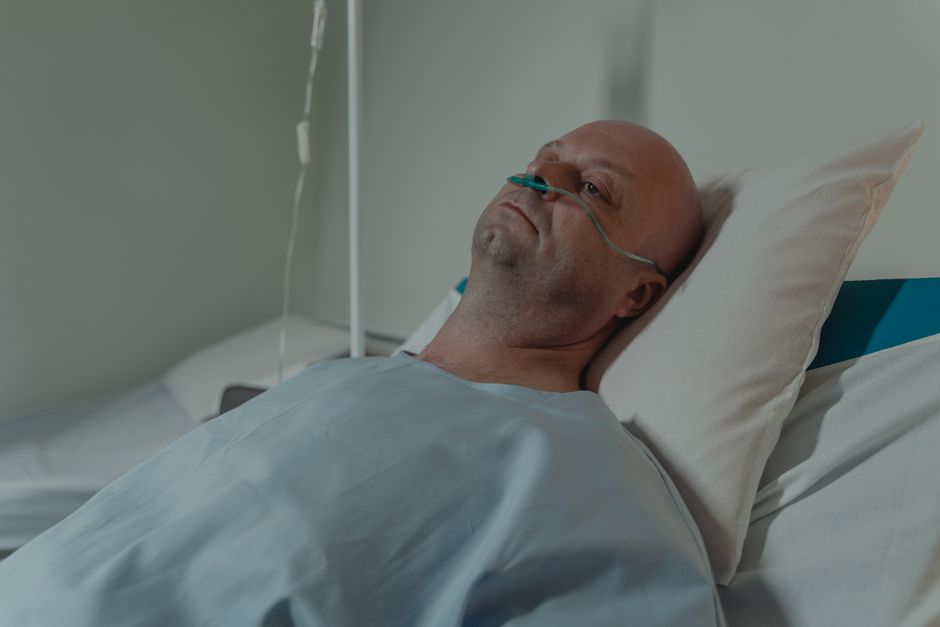
Treatment for urinary incontinence in men is a serious urological procedure, and afterwards your body needs time and proper care. How closely you follow the recommendations affects both how quickly you recover and the long-term result. This article covers all the key stages of rehabilitation, from the first hours after the procedure to getting back to your usual routine.
- Recovery depends on the treatment method: minimally invasive procedures need 1–2 weeks, surgery up to 4–6 weeks.
- The first 24–48 hours are the most important period: limit your physical activity and keep an eye on the catheter.
- Physical exertion, sex and sport are resumed gradually, and only with your doctor’s permission.
- Regular follow-up appointments and Kegel exercises help rehabilitation and support the result of treatment.
- What treatments are used for urinary incontinence in men?
- What happens in the first hours after the procedure?
- The first 48 hours at home: how to organise your care
- What you can and cannot do in the first week
- Diet during recovery: what helps and what harms?
- When is the catheter removed, and how do you feel afterwards?
- Kegel exercises and pelvic floor rehabilitation: where to start?
- Weeks two and three: gradually increasing activity
- Follow-up appointments: when, how often and what is checked?
- Going back to work: when, and under what conditions?
- Returning to sport and physical exertion
- Sex after the operation: when can you resume it?
- Possible complications and warning symptoms
- When should you see a doctor immediately?
- Preventing recurrence: how to keep the result for the long term
01What treatments are used for urinary incontinence in men?

Before talking about recovery, it is important to understand that rehabilitation differs considerably depending on the treatment method. Urologists use several approaches, and each has its own protocol after the procedure.
- Male sling surgery: supporting the urethra with a synthetic tape; a minimally invasive procedure with a relatively short recovery.
- Artificial urinary sphincter (AUS) implantation: a more complex operation that needs a longer rehabilitation, with the device activated a few weeks after it is fitted.
- Bulking agent injections: an outpatient procedure with minimal recovery of 1–3 days.
- ProACT balloon system: adjustable balloons implanted around the urethra; recovery takes 2–3 weeks.
Once you know which procedure you are having, you can plan your recovery period in advance and prepare what you need at home. You can find out more about each method and when it is used here: more about the service on MediUkraine.
02What happens in the first hours after the procedure?

Straight after the procedure you stay under the observation of medical staff in the recovery room or on the ward. How long this lasts depends on the type of anaesthesia and the complexity of the operation. After minimally invasive procedures under local anaesthetic, you may be able to go home after 2–4 hours.
In most cases a urethral catheter is fitted after surgery. It drains urine while the tissues are swollen and in the early stage of healing. The catheter stays in for 1–7 days, depending on the method and your individual situation.
In the first few hours you may feel discomfort in the perineum, weakness and slight dizziness; this is a normal reaction to the procedure. Pain is usually moderate and well controlled with the painkillers you are prescribed. Do not get up suddenly, move carefully and tell the nurse about any unusual sensations.
Prevention of deep vein thrombosis also starts during this period: you will be advised to wear compression stockings, start light walking early (under supervision) and drink enough fluids. This is standard practice after most urological operations in hospital.
Not sure which clinic to start with?
A MediUkraine coordinator will help you choose a clinic and a doctor for your case, free of charge.
03The first 48 hours at home: how to organise your care

After you are discharged from hospital, the most important stage at home begins. For the first two days you should mostly rest, getting up when you need to. Sudden movements, climbing stairs and physical exertion are not allowed during this time.
If you have a catheter, keep to strict hygiene: clean the area where the catheter enters the body twice a day as instructed, and watch the colour and clarity of your urine. Urine may be slightly pink because of traces of blood; this is normal in the first 24–48 hours. Bright red urine or clots are a reason to call your doctor immediately.
During this period, take the medicines you have been prescribed exactly as directed: antibiotics to prevent infection, anti-inflammatories and painkillers. Do not stop them or change the dose on your own: only as agreed with the doctor who prescribed them. Also avoid alcohol: it does not mix with most medicines and slows down tissue healing.
Ideally, have someone close to you at home who can help with everyday tasks. Straight after discharge you are advised not to drive, make decisions that need concentration or stay alone for long periods.
04What you can and cannot do in the first week
The first week after treatment for urinary incontinence in men is a time of limited activity and careful self-monitoring. Most patients feel considerably better by day 3–4, but that does not mean the regime can be broken.
What is allowed
Recommended activities during this period: short walks around your home every 1–2 hours (for 5–10 minutes), a hygienic shower after the catheter has been removed (if your doctor allows it), and moderate drinking of at least 1.5–2 litres of still fluids a day. Staying well hydrated helps flush the bladder and lowers the risk of infection.
What is not allowed
In the first week, the following are strongly discouraged: lifting objects heavier than 3–5 kg, sitting or standing for long periods, cycling and any cardio exercise, saunas, steam baths or swimming pools, and sex. Also avoid constipation: straining when opening your bowels puts pressure on the treated area and can disrupt healing.
05Diet during recovery: what helps and what harms?
Eating well after urological operations helps the tissues heal and lowers the risk of complications. In the first few days, light food is recommended: boiled or baked dishes, porridge, lean meat, vegetable soups. After anaesthesia and stress your digestive system may be sluggish, so it is important not to overload it.
Pay particular attention to preventing constipation. Include fibre-rich foods in your diet: cooked beetroot and carrots, prunes, wholegrain bread, kefir. If needed, your doctor may prescribe a mild laxative for the recovery period.
Foods that irritate the bladder are best limited for the whole rehabilitation period. These include spicy dishes, ketchups and pickles, coffee, strong tea, fizzy drinks and large amounts of citrus fruit. Alcohol is off limits until you have finished the course of antibiotics and the inflammatory swelling has gone.
Vitamin C and zinc support tissue repair: you can get them from food or as supplements on your doctor’s advice. Protein is also important for recovery: include eggs, fish, pulses and low-fat cottage cheese in your meals.
06When is the catheter removed, and how do you feel afterwards?
Removal of the catheter is an important psychological and physical milestone in recovery. Depending on the treatment method, the catheter is removed 1–7 days after the operation. It is done by a doctor or a trained nurse and usually takes a few minutes.
After the catheter is removed, patients often have temporary discomfort when passing urine: burning, a feeling that the bladder has not emptied completely, frequent urges. This is a normal reaction of the urethra and bladder to having had a catheter and to post-operative swelling. The symptoms go within a few days.
Important: after the catheter is removed, you should pass urine within 4–6 hours. If you have not, or you have significant difficulty passing urine, contact your doctor. Urinary retention is a serious complication that needs immediate medical attention.
In the first days after catheter removal you may notice urinary incontinence, the very symptom the operation was done for. This does not mean the treatment has failed: the tissues are still swollen and nerve and muscle control needs time to recover. Be patient and keep doing the exercises you have been prescribed.
07Kegel exercises and pelvic floor rehabilitation: where to start?
The pelvic floor muscles play a key role in holding urine. After surgery they may be weakened by the stress of the operation and temporary inactivity. Kegel exercises are one of the most effective ways to help muscle control recover.
It is recommended to start the exercises 2–3 days after catheter removal, or earlier if your doctor approves. Technique: tighten your pelvic floor muscles as if you were trying to stop the flow of urine. Hold the tension for 5 seconds, then relax for 5 seconds. Repeat 10–15 times, 3 sets a day.
Do your Kegel exercises every day lying down, especially in the first weeks after the operation: this way the pelvic floor muscles get stronger without putting extra strain on the wound.
Some clinics recommend a course of pelvic floor physiotherapy under the guidance of a rehabilitation specialist. The specialist will help you find the right muscles and set up an individual exercise programme. This is particularly relevant for patients after a prostatectomy, whose incontinence is a result of cancer treatment.
08Weeks two and three: gradually increasing activity
From the second week most patients start to feel much better: the swelling goes down, marked discomfort disappears and they want to get back to their usual activities. Rushing at this stage, however, is one of the most common mistakes.
In the second week you can increase your walks to 20–30 minutes, do light housework without lifting anything and return to desk work at a computer (if there is no significant discomfort). Driving is usually allowed after 10–14 days, but only if you have no pain and after consulting your surgeon.
The third week is a time to carefully resume social activity. You can go back to work if it does not involve physical exertion. Walks can be longer, but intense training should wait a few more weeks. By this time the swelling in the operated area has usually gone down considerably.
During this period it is important to keep a bladder diary: write down how many times a day you feel the urge, whether there are episodes of incontinence and how much urine you pass. This information will be very useful at your next follow-up appointment.
09Follow-up appointments: when, how often and what is checked?
Monitoring your condition after treatment for urinary incontinence is an essential part of rehabilitation. The first follow-up appointment is usually 7–10 days after the operation. At this visit the doctor checks the wound, removes stitches if needed and checks how you are passing urine.
The next appointment is after 4–6 weeks. At this point urologists do a bladder ultrasound to measure the residual urine and assess how well the procedure has worked. Patients with an artificial sphincter usually have the device activated at around this stage.
Further appointments take place 3 months, 6 months and 1 year after the operation. Long-term monitoring makes it possible to detect possible late complications in time, adjust the rehabilitation programme and assess the overall result of treatment. If you feel that the incontinence is coming back or your condition is getting worse between scheduled visits, see your doctor without waiting.
Do not skip follow-up appointments even when you feel great: some complications develop without symptoms and are only detected during an examination.
10Going back to work: when, and under what conditions?
When you can return to work depends on the kind of work you do and how complex the procedure was. Patients with office, desk-based or mental work can return 1–2 weeks after minimally invasive procedures or 2–3 weeks after open surgery.
If your work involves physical exertion, lifting, or long periods of standing or walking, agree the timing individually with your surgeon. In most cases a return to heavy physical work is allowed no earlier than 6 weeks after the operation.
For comfort at work in the early rehabilitation period, keep incontinence pads or liners with you, especially if you still have episodes of leakage. This helps you avoid stress and feel confident.
It is worth discussing with your employer the possibility of a temporary lighter workload or flexible hours. Stress and overwork slow down recovery and can affect the result of treatment.
11Returning to sport and physical exertion
Physical activity after treatment for urinary incontinence is resumed in stages. In the first month, the basis is therapeutic walking and Kegel exercises. Any intense training is not allowed during this time.
After 4–6 weeks, if there are no complications, your doctor may allow swimming, light cycling and moderate exercise. Running, weightlifting, contact sports and intense cardio should wait for at least 8–12 weeks after the operation.
Take particular care with exercises that raise the pressure inside the abdomen: crunches, lying leg raises, weighted squats. These movements put considerable strain on the pelvic floor and can worsen the result of the operation in the early rehabilitation period.
Listen to your body: if incontinence gets worse after physical activity, or you develop pain or heaviness in the perineum, reduce the intensity and consult your doctor. Building up gradually will give a better long-term result than rushing back to your usual routine.
12Sex after the operation: when can you resume it?
When sex can be resumed is one of the most common questions, and one patients are often embarrassed to ask out loud, but it matters a great deal for quality of life. The timing depends on the treatment method and how you heal.
After minimally invasive procedures (injections, sling surgery), sex can usually be resumed after 3–4 weeks. After implantation of an artificial sphincter, no earlier than 6–8 weeks and only after the doctor has activated the device. Do not rush: resuming sexual activity too early increases the risk of the implant shifting and of infection.
Some patients notice temporary changes in erectile function or sensation after the operation. These usually pass on their own within a few weeks. If the problem persists for more than 2–3 months, discuss it with your urologist: treatment may be adjusted, or you may be referred to an andrologist.
13Possible complications and warning symptoms
Most patients get through the rehabilitation period without serious problems. Even so, you need to know about possible complications in order to react in time.
Early complications
Early post-operative complications include: wound or urinary tract infection (fever, feeling unwell, cloudy or foul-smelling urine), urinary retention after catheter removal, a large haematoma in the perineum and increased bleeding. These conditions need an urgent visit to a doctor or an ambulance.
Late complications
Late complications include erosion or migration of the implant (after sling surgery or AUS), urethral stricture and recurrence of incontinence. Signs: new or worsening incontinence after an initial improvement, or pain when passing urine that does not ease over time. Regular check-ups allow these conditions to be detected at an early stage.
14When should you see a doctor immediately?
With some symptoms you must not put off seeing a doctor or wait for a scheduled appointment. Knowing these signs can protect you from serious complications.
Seek medical help immediately if you have: a temperature above 38°C that does not come down after taking fever-reducing medicine; bright red urine with blood clots, or you cannot pass urine at all; sharp, worsening pain in the perineum, scrotum or abdomen; marked redness, swelling or discharge from the wound; signs of deep vein thrombosis, such as swelling and pain in one leg or reddened skin.
Sudden shortness of breath or chest pain is also a warning sign: these symptoms may indicate a pulmonary embolism and need an emergency ambulance. Do not try to interpret these conditions yourself: an immediate medical response in such cases protects your health and can save your life.
Remember: it is better to call your doctor once too often and hear that all is well than to miss a real complication. Most clinics give patients a phone number for urgent contact with the operating surgeon or the urologist on duty.
15Preventing recurrence: how to keep the result for the long term
The operation treats the incontinence, but the long-term result depends largely on your lifestyle. A comprehensive approach to prevention helps you avoid recurrence for many years.
Key recommendations: keep a healthy body weight (excess weight increases pressure on the pelvic floor), stop smoking (a chronic cough greatly increases the strain on the urethra and sphincter) and do Kegel exercises every day even after you have fully recovered. These simple measures have been shown to help prevent incontinence.
It is important to keep an eye on your prostate: in men over 50, benign prostatic hyperplasia is one of the most common factors in recurrence. A yearly check-up with a urologist and monitoring your PSA level will help detect and correct the problem in time.
Avoid prolonged heavy lifting, constipation and dehydration. Learn to respond to the urge to pass urine sensibly: do not suppress it, and do not go to the toilet “just in case” too often, as both extremes harm bladder function. This conscious approach to your health is a sound investment in the long-term result of treatment.
MediUkraine can arrange treatment and rehabilitation at our partner clinic, EXPERT medical network in Uzhhorod, where experienced urologists work. The clinic’s team communicates with international patients in English.
16Frequently asked questions
How long does full recovery after treatment for male urinary incontinence take?+
After minimally invasive procedures, 2–4 weeks; after surgical sling placement or an artificial sphincter, 6–12 weeks. Full recovery of muscle control and a stable result are assessed after 3–6 months.
Is it painful after the operation, and how long does the pain last?+
Pain is usually moderate and well relieved by the painkillers you are prescribed. Marked discomfort lasts 3–7 days, and residual tenderness can last up to 2–3 weeks.
When will the result of the operation be noticeable? Will the incontinence go straight away?+
No. Straight after the procedure, incontinence may even persist for a while because of swelling and the recovery of nerve and muscle control. Most patients notice a clear improvement after 4–8 weeks, and the full effect is assessed after 3–6 months.
Is a catheter needed after every type of incontinence treatment?+
After injection procedures, a catheter is usually not needed. After sling operations and artificial sphincter implantation, a catheter is fitted for 1–7 days, depending on the extent of the procedure and your condition.




