

Treating menopausal symptoms is not a one-off procedure but a comprehensive therapy, after which the body needs time to adjust. How long recovery takes and what it involves depend on the method chosen: hormone therapy, non-hormonal medicines, physiotherapy or a combination. Knowing what to expect at each stage helps you feel confident and not worry about temporary changes in how you feel.
- For the first 2–4 weeks, the body adjusts to new hormone levels or medication, and this is normal.
- Mild side effects in the first days (nausea, breast tenderness) usually pass on their own.
- A follow-up appointment after 4–6 weeks is essential to assess how well the therapy is working.
- The full effect of treatment is felt after 2–3 months of regular use.
- What happens in the body straight after starting therapy?
- Which symptoms in the first days are normal?
- The first week: daily routine and basic rules
- Diet during recovery: what supports therapy?
- Physical activity: when and how much?
- Emotional wellbeing: what to expect and how to support yourself
- The first month of therapy: what to look out for
- Follow-up appointments: when and why?
- When should you see a doctor immediately?
- Possible complications and how to minimise them
- Returning to work: when and how?
- Sport and physical activity: the long-term view
- Intimate health during and after treatment
- Preventing symptoms from coming back: a long-term strategy
- Psychological adjustment: seeing the menopause as a new stage
01What happens in the body straight after starting therapy?

In the first hours after the first dose of a medicine or a procedure, the body begins to respond to changes in hormone or neurotransmitter levels. This response is individual: some women notice a slight improvement in mood the very next day, while others feel no noticeable change for several weeks. Both are physiologically normal.
With hormone therapy, oestrogen and progestogen begin to interact with cell receptors gradually. First comes a so-called saturation phase, when blood hormone levels stabilise over 1–2 weeks. This is when temporary side effects are most likely.
If non-hormonal treatment is chosen, such as herbal preparations, low-dose antidepressants or receptor agonists, the effect builds more slowly. The first clinically noticeable effects appear after 3–4 weeks. Understanding this difference is important so that you do not stop therapy too early because there is no instant result.
In the first 24–48 hours, you may feel slightly tired or, on the contrary, notice changes in your sleep. This is no cause for concern: the body is adjusting to the new treatment.
02Which symptoms in the first days are normal?

The first 3–7 days after starting treatment are the most changeable period. The body is adjusting, and some new sensations may seem worrying, although they are in fact a predictable reaction to therapy. It is important to tell normal signs of adjustment apart from symptoms that need a doctor’s attention.
Typical signs of adjustment include mild morning nausea (especially with hormones taken by mouth), a feeling of swelling or tenderness in the breasts and a slight headache in the first days. These usually disappear on their own by the end of the first week.
Mood changes in the first days are also possible. Paradoxically, women who suffered from anxiety and irritability because of the menopause sometimes notice a brief worsening of these symptoms at the start of therapy, while neurotransmitters are still stabilising.
If, however, you develop severe pain anywhere, shortness of breath, swelling of the limbs or a significant deterioration in your general condition, this is not normal adjustment, and you must contact your doctor immediately. Reactions like these are rare but need prompt assessment by a specialist.
Not sure which clinic to start with?
A MediUkraine coordinator will help you choose a clinic and a doctor for your case, free of charge.
03The first week: daily routine and basic rules
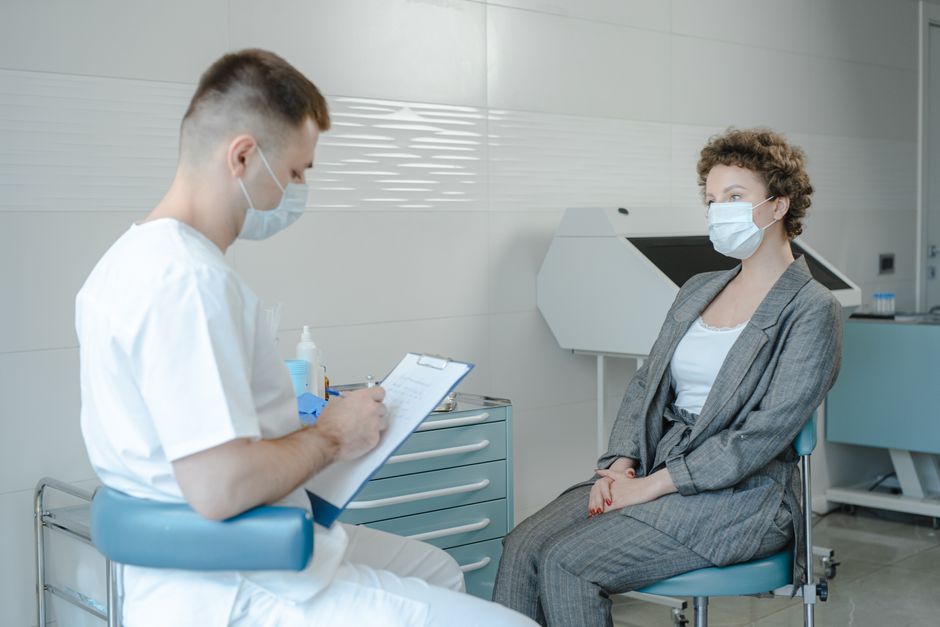
The first week sets the tone for the whole recovery. There are no strict activity restrictions here, as there are after surgery, but there are a few important principles that significantly improve the effectiveness of treatment and reduce the risk of side effects.
The key rule is to take your medicines regularly. Hormone therapy is effective only when levels of the active substances in the blood are stable. Missing doses or taking them erratically disrupts this stability and can make hot flushes or other symptoms worse.
Sleep deserves particular attention during this time. If night sweats are still present (the therapy has not yet taken full effect), keep your bedroom cool, use natural bed linen and stick to a regular bedtime. Much of the body’s physical recovery takes place during night-time rest.
Avoid sudden lifestyle changes in the first week: do not start new diets, intense training or additional supplements without consulting your doctor. Any new strain on the body makes it harder to understand what is causing particular changes in how you feel.
04Diet during recovery: what supports therapy?
Your diet during treatment for menopausal symptoms is not a diet in the restrictive sense but a tool that supports the effect of therapy. Eating well helps to reduce menopausal symptoms and makes medicines easier to tolerate.
Calcium and vitamin D are the top priority. The menopause is associated with accelerated bone loss, so daily intake of dairy products, fish and leafy greens, plus calcium supplements if needed, is medically justified. Vitamin D is absorbed much better with fats, so take it with a meal.
Phytoestrogens, such as soy isoflavones, flaxseed and chickpeas, may gently support oestrogen levels, but discuss them with your doctor if you are on hormone therapy. Combining too much of them with therapy may alter the intended effect.
Limit caffeine and alcohol: both trigger hot flushes and impair sleep quality. Spicy food and very hot drinks can also trigger hot flushes in the first weeks, before the therapy has reached a stable effect. Drink enough water, as dehydration makes tiredness and headaches worse.
05Physical activity: when and how much?
Treatment for menopausal symptoms does not involve bed rest. On the contrary, moderate physical activity is an essential part of recovery and makes therapy more effective. It is important, however, to build it up gradually.
In the first 1–2 weeks, the best option is walking for 20–40 minutes every day. Walking improves circulation, lowers stress hormones and lifts your mood. It also helps manage body weight, which often changes around the menopause.
From the second or third week, if you feel well, you can add light aerobic activity: swimming, cycling, yoga or Pilates. These activities are especially useful because they strengthen the cardiovascular system without overloading the joints and help to stabilise your emotional state.
Strength training and weight-bearing exercise are recommended in the long term, as they help prevent osteoporosis. However, it is best not to start intense strength training in the first weeks of therapy: let your body adjust to the new hormone levels first. After roughly 4–6 weeks, you can expand your training after consulting your doctor.
06Emotional wellbeing: what to expect and how to support yourself
Menopausal symptoms are often accompanied by anxiety, low mood, irritability and sleep problems. Treatment gradually eases these, but in the first weeks your emotional state may remain unstable, and this needs to be taken into account.
The first 2–3 weeks of hormone therapy are a time of heightened sensitivity. You may react more strongly to stress, find social contact more tiring or feel anxious for no clear reason. These feelings are temporary and gradually ease as hormone levels stabilise.
Mindfulness, breathing exercises and daily walks in the fresh air make this period noticeably easier. Psychotherapy or group support have also been shown to help with menopausal symptoms and can be part of comprehensive treatment.
Do not hide changes in your emotional state from your doctor during therapy: sometimes simply adjusting the dose or form of the medicine is enough to improve your emotional wellbeing considerably.
It is important to stay in touch with people and not isolate yourself. Talking to loved ones, hobbies and light creative activities all have a positive effect on your wellbeing. Remember: the menopause is a natural physiological process, not a disease, and its symptoms can be managed well with modern methods.
07The first month of therapy: what to look out for
The first month is a key period for assessment. This is when it becomes clear how well the chosen treatment suits you and whether the regimen needs adjusting. Keep a symptom diary: record how often and how intense your hot flushes are, your sleep quality, mood changes and any new sensations.
By the end of the first month, most women on hormone therapy notice a marked reduction in hot flushes, on average by 50–70%. Sleep improves, concentration increases and mood settles. If you do not see these changes, book an earlier consultation.
Pay close attention to your breasts: with hormone therapy, cyclical tenderness is possible in the first month. This is not a reason to stop treatment on your own, but you should discuss it with your gynaecologist. If the tenderness is marked or you notice a lump, an examination is essential.
Also keep track of your blood pressure and weight. Slight fluctuations in weight in the first month are acceptable, but a steady gain of more than 2–3 kg needs attention. Modern medicines cause weight gain less often than older forms of hormone therapy, but individual reactions are always possible.
08Follow-up appointments: when and why?
Monitoring is an essential part of treating menopausal symptoms, not an optional extra. Without regular check-ups, it is impossible to assess how effective and safe the therapy is, and this is the medical standard when hormonal medicines are prescribed.
The first follow-up appointment takes place 4–6 weeks after starting treatment. The doctor assesses your response to therapy, reviews your symptom diary and, if needed, adjusts the dose or regimen. Your blood pressure, weight and general condition are also checked.
After that, check-ups take place every 3–6 months. Each includes a gynaecological examination, a pelvic ultrasound (if indicated), and a mammogram or breast ultrasound once a year. Blood tests (lipid profile, blood sugar, clotting tests) are done according to your individual risk.
How long therapy lasts and how often you need check-ups are decided individually. You can find out more about how comprehensive care is organised on the page about menopause symptoms treatment with MediUkraine.
09When should you see a doctor immediately?
Most women go through treatment for menopausal symptoms without serious complications. However, some symptoms require immediate medical help, and their assessment must not be put off under any circumstances.
Symptoms that need urgent attention
- Chest pain or shortness of breath: may indicate thromboembolic complications, a rare but serious risk of hormone therapy.
- Swelling and tenderness in one leg: classic signs of deep vein thrombosis that need urgent investigation.
- A sudden severe headache: especially together with problems with vision or speech, as it may signal a neurological condition.
- Uterine bleeding outside the expected pattern: any unexpected or heavy bleeding needs an urgent gynaecological examination.
- Jaundice: yellowing of the skin or the whites of the eyes is a sign of liver problems.
None of these symptoms can be dismissed as “a side effect that will pass on its own”. Seeing a doctor promptly in these situations is critically important for protecting your health and adjusting the treatment.
10Possible complications and how to minimise them
Modern treatment of menopausal symptoms is considered safe for most women when the therapy is chosen correctly and monitored regularly. Like any drug treatment, however, it carries certain risks that you should know about in advance.
The most common “side effect” women report in the first months of hormone therapy is breakthrough bleeding or spotting. This is linked to the lining of the uterus adjusting and usually settles within 3–6 months. If the bleeding is prolonged or heavy, the regimen needs adjusting.
Oral hormone therapy does carry a risk of thrombosis, but it can be minimised by choosing the right medicine. Transdermal forms (patches, gels) carry a much lower risk of blood clots and are recommended for women at increased risk. Not smoking, staying physically active and controlling blood pressure significantly reduce overall cardiovascular risk.
The risk of breast cancer with hormone therapy is one of the most common concerns. Current research indicates that with courses of up to 5 years the additional risk is small, and it depends on the type of therapy, so discuss your individual risk with your doctor. Regular mammograms and breast self-examination are essential throughout treatment.
11Returning to work: when and how?
Treatment for menopausal symptoms does not require sick leave or a forced break from work, unlike surgery. The vast majority of women continue their usual working routine from the first day of therapy. There are, however, a few points worth bearing in mind.
In the first 1–2 weeks, you may find it harder to concentrate and feel more tired than usual, especially if your work requires sustained mental effort. Plan your most important tasks for the first half of the day, when energy levels are usually higher. Short breaks every 1.5–2 hours will help you stay productive.
If your work involves long periods in a hot environment or heavy physical exertion, tell your doctor: you may need temporarily adjusted working conditions in the first weeks. Heat is one of the triggers of hot flushes, and working in an uncomfortably warm environment can make symptoms worse.
As the weeks pass and your condition stabilises, many women find that their productivity and mental sharpness even improve compared with before treatment. This is a direct result of more balanced hormone levels and better sleep.
12Sport and physical activity: the long-term view
Regular physical activity is a proven way to improve quality of life around the menopause and makes any treatment more effective. The level and type of exercise should, however, match your individual health.
After 4–6 weeks of stable therapy, most women can return to their previous level of physical activity or gradually increase it. Strength training twice a week combined with aerobic exercise is the best combination for maintaining bone mass, muscle tone and cardiovascular health.
Yoga and Pilates deserve a special mention: they not only strengthen muscles and improve flexibility but may also help reduce hot flushes and anxiety. Balance and coordination exercises lower the risk of falls, which becomes important given the possible decline in bone density.
Avoid competitive or extreme exercise without a prior medical check-up. Also avoid overheating during exercise, especially in the first months: it triggers hot flushes and can sap your motivation to keep training. Exercise in a cool room or outdoors when the temperature is comfortable.
13Intimate health during and after treatment
Changes in sexual function are among the most common and most distressing symptoms of the menopause: vaginal dryness, lower libido and discomfort during sex. Treatment for menopausal symptoms has a direct effect on these, and most women notice them gradually easing.
Systemic hormone therapy improves the condition of the vaginal lining within 4–8 weeks. Local forms of oestrogen (vaginal pessaries, cream, rings) work more effectively and faster for vaginal atrophy with minimal systemic effect, and may sometimes be prescribed even to women for whom systemic therapy is not suitable; your doctor will decide.
Libido returns gradually, often over 2–3 months. It is affected not only by hormones but also by sleep quality, anxiety and your overall emotional state. An open conversation with your partner and, if needed, a consultation with a sex therapist or psychotherapist can help.
Do not hesitate to discuss intimate health with your gynaecologist: it is a medical problem with medical solutions. Ignoring the symptoms can harm your relationship and your overall psychological wellbeing.
14Preventing symptoms from coming back: a long-term strategy
Treating menopausal symptoms is not a course of a few weeks but often a long-term strategy that may last for years. When and how to end therapy is decided individually with your doctor; there are no standard time frames.
Hormone therapy is usually stopped gradually, and only as agreed with the doctor who prescribed it. Stopping medicines abruptly can bring symptoms back, sometimes even more intensely than before treatment. Your doctor will draw up an individual plan for gradually reducing the dose.
For long-term prevention of osteoporosis, cardiovascular disease and cognitive decline, which are linked to oestrogen deficiency, it is important to maintain a healthy lifestyle whether or not you continue therapy. Regular physical activity, a balanced diet, not smoking and controlling blood pressure are the foundation of prevention.
An annual gynaecological check-up, bone densitometry (a bone density scan) every 1–2 years, and monitoring of your lipid profile and blood glucose are essential parts of care for postmenopausal women. These measures help detect changes early and adjust your care plan.
15Psychological adjustment: seeing the menopause as a new stage
Recovery after treatment for menopausal symptoms is not only a physical process but also a psychological one. In many cultures, the menopause is still seen as the end of youth or femininity, which in itself is a source of considerable psychological stress unrelated to hormones.
Rethinking this stage as a natural transition rather than a loss makes a real difference to recovery. Women who approach treatment consciously, work actively with their doctor and treat their health with respect tend to do better on therapy than those who deny the need for treatment or take a passive approach.
Support from loved ones plays an important role. If your partner or family understand what is happening and are patient during this transition, it directly reduces stress and helps recovery. Talking openly about the menopause within the family is not superfluous and is sometimes a necessary part of treatment.
Some women find that, once their condition has stabilised, their quality of life is better than before treatment: chronic irritability and insomnia go away and background anxiety eases. Well-chosen therapy allows you to live a full, active life with a sense of control over your own health.
MediUkraine can arrange treatment and follow-up for menopausal symptoms with experienced gynaecologists at the EXPERT medical network in Uzhhorod, whose team communicates with international patients in English, from the first consultation to long-term monitoring.
16Frequently asked questions
How long does it take to feel the effect of treatment for menopausal symptoms?+
With hormone therapy, the first noticeable improvements, such as fewer hot flushes and better sleep, are usually felt after 2–4 weeks. The full therapeutic effect develops over 2–3 months of regular use.
Can I stop treatment on my own if my symptoms have eased?+
No. Stop hormone therapy only as agreed with the doctor who prescribed it. Stopping abruptly can bring the symptoms back. Your doctor will plan how to end therapy, usually by gradually reducing the dose.
Do women gain weight during treatment for menopausal symptoms?+
Modern medicines cause weight gain less often than older forms of hormone therapy. Slight weight fluctuations in the first month are possible, but a steady gain needs a consultation and a review of your diet and activity.
How long can treatment for menopausal symptoms last?+
The length of therapy is entirely individual, from a few months to several years, depending on how severe your symptoms are, your general health and how you respond to treatment. The decision to continue or end therapy is made together with your doctor based on regular monitoring.




