
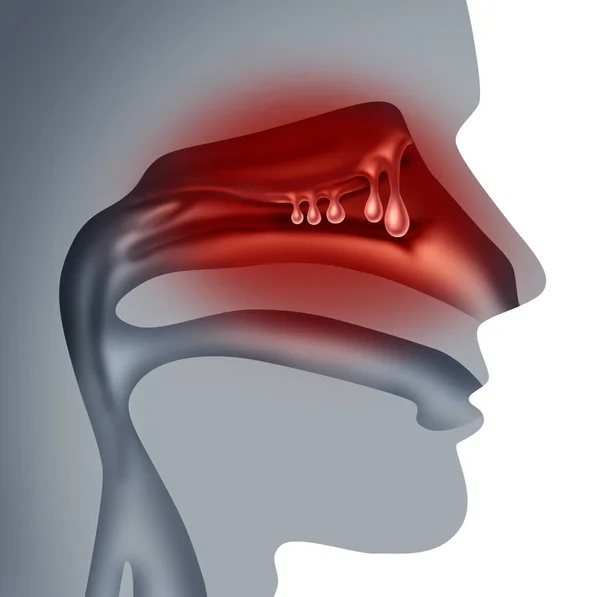
Nasal polyps are benign growths that develop from the lining of the nasal cavity or the paranasal sinuses. At first glance they may seem harmless — just a “growth” in the nose. In fact, nasal polyps significantly reduce quality of life, cause chronic nasal congestion, impair the sense of smell and, when large, can lead to serious complications. Understanding why polyps form and how they are treated today will help you seek qualified help in good time.
01Why do nasal polyps develop?
Nasal polyps are the result of chronic inflammation of the lining of the nose and sinuses. Under the influence of long-term inflammation, the lining thickens, swells and forms soft, painless outgrowths that look like bunches of grapes. The exact mechanism is still being researched, but the main causes and risk factors are well known.
Allergic rhinitis and asthma are the most common underlying conditions in patients with nasal polyps. Chronic allergic inflammation of the lining, constant swelling and increased permeability of the blood vessels create ideal conditions for polyps to grow. Chronic rhinosinusitis is another key factor: long-term inflammation of the sinuses stimulates abnormal growth of the lining. Intolerance to aspirin and non-steroidal anti-inflammatory drugs (known as the “aspirin triad” or Samter’s triad) causes a particularly severe form of polypous rhinosinusitis that is resistant to treatment. Cystic fibrosis is a genetic disease in which nasal polyps occur in more than 40% of patients. Anatomical features of the nose that interfere with normal ventilation of the sinuses can also contribute to polyp formation.
02Symptoms and diagnosis of nasal polyps
Small polyps may cause no symptoms for a long time and be found by chance during an examination. As polyps grow, typical complaints appear that significantly affect everyday life.
The main symptom is a constantly blocked nose that does not respond to decongestant drops, or responds only partly and briefly. Patients breathe mainly through the mouth, which leads to a dry throat, snoring and disturbed sleep. A reduced sense of smell (hyposmia) or its complete loss (anosmia) is another typical symptom; it sharply reduces quality of life and even safety (a person may not smell gas or smoke). Profuse mucus discharge from the nose, a feeling of mucus running down the back of the throat, a sense of fullness or pressure in and around the nose and, if there is an infection, discharge that turns yellow-green and a general feeling of being unwell.
Diagnosis includes an endoscopic examination of the nose (nasal endoscopy), during which the doctor sees the polyps directly and assesses their size and location. A CT scan of the sinuses is needed to plan surgery: it shows how far the polyps have spread, the state of the sinuses and any anatomical features. If an allergic cause is suspected, allergy testing is carried out.
Not sure which clinic to start with?
A MediUkraine coordinator will help you choose a clinic and a doctor for your case, free of charge.
03Modern treatment of nasal polyps
Treatment of nasal polyps depends on their size and number, any related conditions and the patient’s individual characteristics. Modern medicine offers both medical and surgical treatment.
Medical treatment is based on topical corticosteroids in the form of nasal sprays. These medicines reduce inflammation, slow the growth of polyps and can even make them smaller with long-term use. Systemic corticosteroids (tablets or injections) are prescribed as a short course to shrink large polyps quickly — but the effect is only temporary. Antihistamines and allergen immunotherapy are indicated for patients with confirmed allergy. Biological medicines (dupilumab and others) have recently become available; they block inflammatory cytokines and have shown good results in severe polypous rhinosinusitis — especially in patients with aspirin intolerance.
Surgical treatment — functional endoscopic sinus surgery (FESS) — is indicated for large polyps that significantly block the nasal passages, when medical treatment has not worked, or when the sense of smell is seriously impaired. The operation is performed through the nostrils without external incisions, under endoscopic control: the surgeon removes the polyps and widens the drainage openings of the sinuses. It is important to understand that FESS does not remove the cause of polyp formation, so without ongoing maintenance treatment polyps often come back. The right combination of surgery and long-term medical treatment afterwards significantly reduces the risk of recurrence.
04Preventing recurrence and long-term outlook
Nasal polyps tend to come back, especially when underlying conditions such as allergic rhinitis, asthma or aspirin intolerance are not well controlled. That is why regular follow-up with an ENT specialist and, if necessary, an allergist is extremely important after surgery and during medical treatment.
The key elements of preventing recurrence are: regular use of topical corticosteroids, even after surgery; daily nasal rinsing with saline solutions to keep the lining clean and moist; allergy control — avoiding triggers, antihistamines and immunotherapy if needed; avoiding aspirin and NSAIDs if intolerance has been confirmed (if a doctor has prescribed aspirin for you, stop or change it only as agreed with the doctor who prescribed it); and regular check-ups with an ENT specialist — at least twice a year. Patients who follow these recommendations have a much better long-term outlook and a lower risk of repeat surgery. Do not ignore the symptoms, and see a specialist at the first signs of a blocked nose that does not clear — early diagnosis makes polyps much easier to treat.




