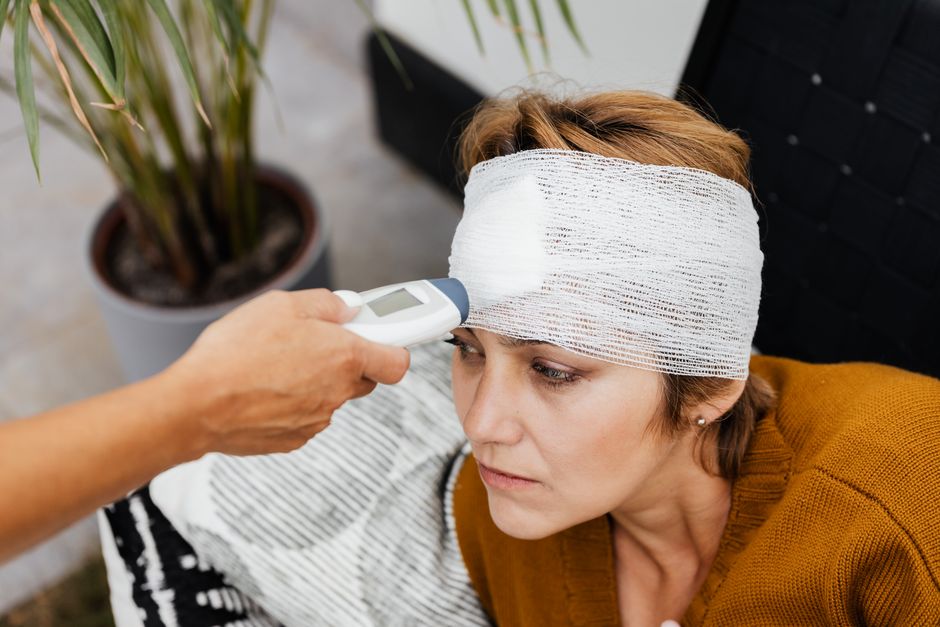
Otoplasty is one of the least invasive cosmetic operations, but that does not mean recovery takes care of itself. How closely you follow your surgeon’s advice affects not only how quickly you heal but also the final aesthetic result. This article covers each stage of recovery in detail, from the first hours after surgery to a full return to everyday life.
- The compression dressing is worn continuously for the first 7–10 days, then at night for up to 4–6 weeks.
- Swelling and discomfort ease considerably by day 10–14.
- You can return to office work after 7–10 days and to physical exercise after 4–6 weeks.
- The final result settles 3–6 months after the operation.
- What happens straight after the operation?
- The first day: what is normal and what is not?
- The first week after otoplasty
- The compression dressing and headband: how and for how long?
- Swelling and bruising: when will they go?
- Caring for your stitches after otoplasty
- Diet during recovery
- Physical activity: what is allowed and when?
- Returning to work: when is it possible?
- Follow-up appointments after otoplasty
- Possible complications: what should you know?
- When should you see a doctor immediately?
- Washing your hair and caring for your scalp
- How sun, heat and cold affect the result
- The final result: when and how to judge it?
- Preventing recurrence: how to keep the result for the long term
01What happens straight after the operation?
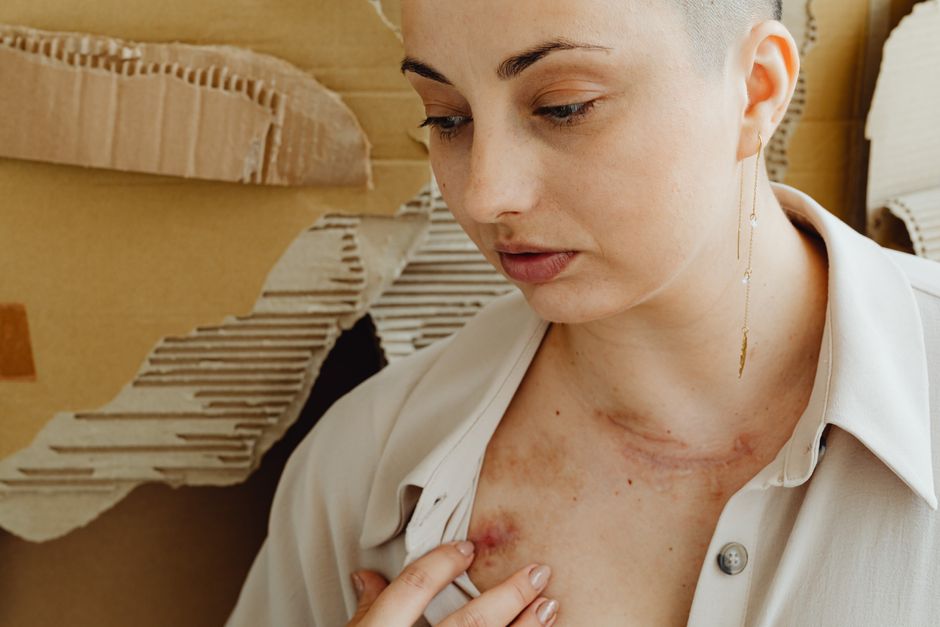
As soon as the operation is finished, a bulky compression dressing is applied that covers both ears and the top of the head. It has two key jobs: holding the ears in the correct position and keeping swelling to a minimum in the first critical hours. Never remove it yourself; this is for the surgeon to do at the first scheduled check-up.
Most patients feel moderate throbbing pain, pressure and tingling around the ears. These symptoms are a normal tissue reaction to surgery and are usually well controlled with the painkillers you have been prescribed. Do not increase the dose or switch to other medicines on your own.
The operation is most often done under local anaesthesia or with sedation, so you can usually leave the clinic the same day. However, someone should stay with you for the first 24 hours: being alone is not advisable because of possible after-effects of the anaesthetic and the risk of dizziness. Prepare a comfortable place to rest at home in advance.
Keep your head slightly raised, even while sleeping; an extra pillow or a wedge pillow works well. This simple measure considerably reduces blood flow to the operated area and slows the development of swelling from the very first night.
02The first day: what is normal and what is not?
During the first day, the following are normal: moderate pain that is relieved by painkillers; a feeling of warmth or mild burning under the dressing; and a small amount of blood-tinged fluid on the outer layer of the dressing. All of these are part of the usual early post-operative picture and do not require urgent medical attention.
Other symptoms should concern you. Sharp, increasing pain that does not respond to painkillers may be a sign of a haematoma or of the tissues being squeezed too tightly. Bright red blood soaking through the dressing, markedly uneven swelling or a temperature above 38 °C are also reasons to call the clinic immediately.
For the first 24 hours, avoid any physical effort, bending your head down, and hot showers or baths. Caffeine and alcohol increase blood flow at this stage and can cause bleeding. Food should be light, warm (not hot) and not require much chewing.
Sleeping only on your back is essential on the first night. To avoid rolling over in your sleep, some patients place rolled-up blankets on either side of them. This simple solution protects the operated area from accidental pressure and considerably reduces the risk of the stitches shifting at the most vulnerable time.
Not sure which clinic to start with?
A MediUkraine coordinator will help you choose a clinic and a doctor for your case, free of charge.
03The first week after otoplasty
The first week is the most active phase of recovery. Swelling peaks on day 2–3 and then gradually subsides. The skin around the ears may look bluish or yellowish because of small bruises under the skin; this is normal and goes on its own within 7–10 days.
Do not remove or loosen the dressing yourself during the first week. The scheduled check-up with the surgeon usually takes place on day 3–5: the surgeon assesses the stitches, changes the outer layer of the dressing if needed and adjusts your care plan. If drains were placed, they are removed at the same visit.
Personal hygiene needs adapting during the first week. Do not wash your hair until your surgeon allows it. You can gently wipe your face with damp wipes, avoiding the ears and the dressing. You may shower only if your head is protected from water.
Reading, watching videos and light mental work are fine from the second or third day if you feel well. The main restrictions for the week are no bending over, no heavy lifting and no vigorous movements with your arms above shoulder height. Anything that raises pressure in the head can restart bleeding or disrupt how the cartilage is held in place.
04The compression dressing and headband: how and for how long?
The compression dressing after otoplasty does more than protect against knocks. It holds the ear cartilage in its new position until enough supporting connective tissue has formed. Whether the shape created by the surgeon is preserved depends directly on wearing the dressing correctly.
For the first 7–10 days the dressing is worn around the clock and is not removed even for sleep. After the first scheduled check-up, the surgeon usually lets you switch to a special elastic headband or surgical cap that only needs to be worn at night. This continues for another 3–5 weeks.
Some surgeons recommend wearing a compression cap at night for up to 2–3 months, especially if large ears were corrected or a complex reconstruction was carried out. Do not shorten this period yourself, even if the ear “already looks fine”: the cartilage becomes fully stable much later than the swelling disappears.
The dressing material should be soft, without rough seams near the ear. If the dressing cuts in, causes numbness or leaves deep marks on the skin, see your doctor to have it adjusted. Do not loosen or trim the dressing yourself: changing the tension by even a few millimetres can affect the final result.
05Swelling and bruising: when will they go?
Swelling after otoplasty develops in two waves. The first, a reaction to the surgery itself, appears in the first 24–48 hours. The second, inflammatory wave develops on day 3–5 and is part of normal healing. Both peaks pass on their own without specific treatment.
Most visible swelling goes down by the end of the second week. However, some residual puffiness of the tissues lasts much longer, especially in the earlobe and the rim of the ear. Patients often notice that the ear looks more swollen in the morning than in the evening; this is because you lie flat while sleeping, and it settles as healing progresses.
Bruises usually fade within 10–14 days. How marked they are depends on individual factors, such as a tendency to bruise, certain medicines taken before the operation and the extent of the surgery. A yellow or greenish colour on day 5–7 is a sign that the bruise is clearing normally, not that things are getting worse.
To help swelling go down faster, limit salt and spicy food, avoid overheating (saunas and hot baths are off limits for 4–6 weeks) and sleep with the head of the bed raised. Cold compresses in the first 48 hours are an effective and safe way to reduce swelling, but apply them only over the dressing, not directly to the skin.
06Caring for your stitches after otoplasty
The stitches after otoplasty are mostly in the fold behind the ear, which makes them barely visible even early on. Care for them according to your surgeon’s individual instructions: there is no single universal protocol, as surgeons use different materials and techniques.
Most often, you will be asked to clean the stitches daily with an antiseptic solution (such as chlorhexidine) using a sterile cotton bud. Do not pull at or pick off scabs; they come away on their own as the wound heals. Apply ointment to the stitches (such as dexpanthenol or others) only if your doctor has prescribed it.
Non-dissolving stitches are removed on day 7–10 at a scheduled visit. If dissolving stitches were used, they do not need to be removed and disappear on their own within 3–6 weeks. Redness along the edges of the wound, pus or the edges coming apart are reasons for an unscheduled check.
After the stitches are removed, the scar will stay pink and slightly raised for a while. To prevent a thickened scar, silicone sheets or scar gels may be prescribed, used in courses of 2–3 months. Scar massage can begin no earlier than 4–6 weeks after the operation and only with your surgeon’s permission.
07Diet during recovery
The diet after otoplasty is not as strict as after abdominal surgery, but there are still some restrictions. In the first days, eat light food: boiled or stewed dishes, soups, porridge and fermented dairy products. Avoid food that needs a lot of chewing, as heavy use of the jaw and facial muscles increases pressure in the head.
Avoid alcohol for at least 2 weeks after the operation. It widens blood vessels, increases the risk of bleeding and swelling, and does not mix with the antibiotics and painkillers prescribed after surgery. Even a “light” wine or beer is not acceptable at this stage.
Salt and spicy food slow the clearing of swelling, so limit them for the first 2–3 weeks. Instead, eat more protein (meat, fish, eggs, pulses), which is needed for collagen production and full tissue healing. Vitamin C from food or as a supplement can also support the quality of the scar.
It is best to cut out or considerably reduce caffeine for the first 3–5 days: it stimulates the heart and circulation and can make the throbbing around the stitches worse. Overall, your diet during recovery should support your immune system and help the body manage inflammation, which is easier than it sounds.
08Physical activity: what is allowed and when?
The physical restrictions after otoplasty are stricter than most patients expect. For the first 2 weeks, avoid any exertion that raises your pulse and blood pressure: running, brisk walking, climbing stairs quickly and weight training. A sudden rise in blood pressure can cause secondary bleeding or make the stitches come apart.
From the third week, unhurried walks in the fresh air are allowed, without sudden head movements and preferably at a cooler time of day. This is not only safe but beneficial: moderate activity improves microcirculation and speeds up healing. Even on walks, though, protect your head from direct sun.
A full return to sport, such as swimming, exercise bikes and group classes at the gym, should wait at least 4–6 weeks. Contact sports (boxing, wrestling, team ball games) require an even longer break of at least 2–3 months. In these sports the risk of a blow to the ear is especially high, and the consequences can permanently affect the result of the operation.
Sexual activity is usually possible after 10–14 days, provided it does not involve vigorous movement or strain. Any activity that causes a sharp rise in blood pressure remains restricted throughout the early recovery period.
09Returning to work: when is it possible?
When you can return to work depends on what you do. If you work in an office or remotely without physical effort, you can usually go back 7–10 days after the operation. By then the main discomfort has passed, and the dressing does not get in the way of desk work.
If your work involves moderate physical activity, such as standing for long periods, moving around a lot or lifting objects of up to 5 kg, the best time to return is after 2–3 weeks. During this period, avoid overheating, heavy lifting and any situations where you could get a blow to the head.
Work in difficult conditions, such as dust, chemical fumes, high temperatures or vibration, requires a break of at least 4–6 weeks. Such conditions increase the risk of infection and slow healing. If you are unsure about your particular job, ask your surgeon at a scheduled check-up.
One aspect that is rarely discussed is psychological readiness. In the first weeks after surgery the dressing attracts attention, which can feel uncomfortable in public. Some patients wear a hat or cap for extra privacy; this is perfectly fine as long as it does not press on the ears.
10Follow-up appointments after otoplasty
Scheduled check-ups are an essential part of the recovery plan: they allow the surgeon to spot complications early and adjust your recovery. The first check-up takes place on day 3–5 after the operation, when the surgeon assesses the dressing and checks the wound for a haematoma or signs of infection.
The second visit, on day 7–10, is usually for removing the stitches (if they are non-dissolving) and switching to wearing the dressing only at night. The third check-up takes place after 3–4 weeks: the surgeon assesses the scar, the cartilage and the symmetry of the ears, and prescribes physiotherapy or scar treatments if needed.
The final check-up is 3–6 months after the operation. By then the swelling has completely gone, and the final result can be assessed objectively. If you are happy, the surgeon discharges you from follow-up. If there are minor asymmetries or other issues, options for correction are discussed.
Do not miss any scheduled check-up, even if you feel fine and your ears look good. Some complications, such as gradual loosening of the cartilage stitches or a thickened scar forming, are not noticeable to you at an early stage but are clearly visible to an experienced surgeon.
11Possible complications: what should you know?
Otoplasty is a relatively low-risk procedure, but like any operation it carries certain risks. Knowing about them is not meant to frighten you but to help you recognise them and act in time. Most complications can be treated successfully if you see a doctor early.
- Haematoma: a collection of blood under the skin that needs to be drained. It usually develops in the first 24–48 hours and shows up as increasing pain and uneven swelling.
- Infection: signs include pus, redness, local warmth and a raised temperature. It is treated with antibiotics and sometimes with surgical drainage.
- Wound separation: this can result from returning to physical activity too early or from damage to the dressing. It needs to be examined and may need to be re-stitched.
- Hypertrophic or keloid scar: more common in patients prone to excessive scarring. It is treated with silicone sheets, steroid injections or laser.
- Recurrence of the deformity: the ears partly return to their previous position. The most common cause is stopping the compression dressing too early or not following the recommendations.
- Changes in sensation: numbness or increased sensitivity of the skin of the ear after surgery. In most cases this is temporary and passes within 1–3 months.
If you notice any of the symptoms listed above, do not wait for your scheduled check-up. Call the clinic straight away: most complications after otoplasty are much easier to deal with at an early stage than after several days of delay.
12When should you see a doctor immediately?
Some symptoms require you to contact your surgeon or call an ambulance immediately, not tomorrow but now. A prompt response in these cases can make the difference between a successful result and a serious complication.
Severe, increasing pain that does not ease after taking the prescribed painkillers is one of the main warning signs. It may indicate a developing haematoma or the dressing squeezing the tissues too tightly. Both need urgent attention.
Sudden redness and warmth around the ear that appear after a few uneventful days are a sign of a developing infection. They may be accompanied by a raised temperature, chills and weakness. In this case, do not put off seeing a doctor.
Bright red blood soaking through the dressing, a marked deformity or sudden change in the position of the ear, and numbness spreading beyond the ear are each a reason to seek urgent care on their own. It is better to make the trip “for nothing” than to delay with a real complication.
13Washing your hair and caring for your scalp
When they can wash their hair is one of the most common questions patients ask after otoplasty, which is understandable after a week without washing. Your surgeon decides when you can first wash your hair, usually on day 7–14 after the operation, once the dressing has been removed or changed.
For the first few washes, use warm (not hot) water and tilt your head back to keep water away from the stitches as much as possible. Use a hairdryer only on the cool setting: a hot stream of air increases the risk of swelling and can cause the wound to reopen. Choose a mild shampoo without harsh surfactants.
Hair colouring, perms and keratin straightening are allowed no earlier than 6–8 weeks after the operation. The chemicals in these products can get onto the scar or irritate the sensitive skin around it. Do not rush into salon treatments for the sake of appearance.
Cosmetics and facial skincare products (toners, creams) should not come into contact with the ear or the area behind it for the first 2 weeks. When applying cream, carefully avoid the operated area; a little care is enough to avoid introducing bacteria into a fresh scar.
14How sun, heat and cold affect the result
Temperature has a significant effect on recovery after otoplasty, and patients often underestimate it. Direct sunlight on the scar during the first 6–12 months can cause lasting pigmentation, making the scar darker and more noticeable. So it is important to protect your ears from the sun even after full healing.
Saunas, steam baths and hot baths are strictly off limits for the first 4–6 weeks. Overheating widens blood vessels, increases the risk of swelling and can affect how the cartilage settles in the operated area. Long periods in direct summer sun are also not advisable, especially in the first month.
Moderate cold is actually helpful in the early period, as it reduces swelling and discomfort. But prolonged chilling of the ear during recovery is best avoided. In winter, wear a soft hat that protects your ears from the cold without pressing on the operated area.
Car journeys with the windows open and draughts in the first weeks increase the risk of catching a cold and of local chilling. It is better to wear a light scarf or hat. Catching a cold or another respiratory infection in the first month after surgery can slow healing and increase the risk of complications.
15The final result: when and how to judge it?
One of the most common mistakes patients make is trying to judge the result in the first weeks. At this point the swelling has not fully gone down, the cartilage has not stabilised and the scar is still forming. What looks “imperfect” in the second week may turn out to be an excellent result a month later.
The main swelling goes down by the end of the second or third week. However, slight residual swelling can last up to 3 months, especially in people prone to it. That is why surgeons assess the final result no earlier than 3–6 months after the operation.
You can find out more about the procedure itself and what to expect from the operation on our otoplasty service page.
The ears are rarely perfectly symmetrical after surgery, and this is normal even naturally: most people are born with ears that differ slightly in shape or position. The surgeon’s aim is not mathematical mirror symmetry but a balanced, natural look that suits the anatomy of your face.
16Preventing recurrence: how to keep the result for the long term
Recurrence after otoplasty, when the ears return to their pre-operative position, is a real complication, but it can be avoided by following the recovery rules. The main preventive measure is wearing the compression dressing conscientiously for the prescribed period. No surgical stitch can withstand constant tissue tension without external support.
Sleeping on your side in the first months after surgery is one of the biggest threats to the result. Lying on an operated ear creates prolonged, steady pressure that can gradually stretch the fresh scar and weaken how the cartilage is held. A night-time compression cap largely counteracts this risk.
Any injury to the ear in the first 3–6 months after surgery is potentially risky, as the cartilage has not yet become fully firm and is vulnerable to forces that could change its shape. So take care during sport, when playing with children and in any high-risk work.
Regular check-ups with your surgeon during the first year are another part of prevention. If the deformity starts to return partially, at an early stage this can sometimes be corrected without surgery. Delay can lead to the need for a repeat operation, which in most cases can be avoided with a timely response.
MediUkraine can arrange a consultation with an experienced plastic surgeon at our partner clinic, EXPERT in Uzhhorod, and organise your treatment and recovery from the first consultation to the final check-up. The clinic’s team communicates with international patients in English.
Related services: Otoplasty (Ear Surgery) in Ukraine · Rhinoplasty with Functional Correction in Ukraine · Online Consultation with a Plastic Surgeon in Ukraine
17Frequently asked questions
How many days does the ear hurt after otoplasty?+
Moderate pain usually lasts 3–5 days and is well controlled with the painkillers you have been prescribed. After 7–10 days the discomfort eases considerably, but mild tenderness around the stitches may remain for up to 3–4 weeks.
When can the dressing be removed after otoplasty?+
For the first 7–10 days, the dressing is removed only at the clinic under the surgeon’s supervision. After the first check-up, the surgeon switches you to wearing an elastic cap at night, which continues for another 3–5 weeks depending on the extent of the operation.
Can you exercise after otoplasty?+
Gentle walks are allowed from the 3rd week, moderate exercise after 4–6 weeks, and contact sports no earlier than 2–3 months. Ignoring these timelines increases the risk of the deformity returning and of complications.
When will the final result of otoplasty be visible?+
The main swelling goes down in 2–3 weeks, but the final result is assessed 3–6 months after the operation, once the cartilage has fully stabilised and the scar has matured. Do not draw conclusions about the success or failure of the operation before then.