
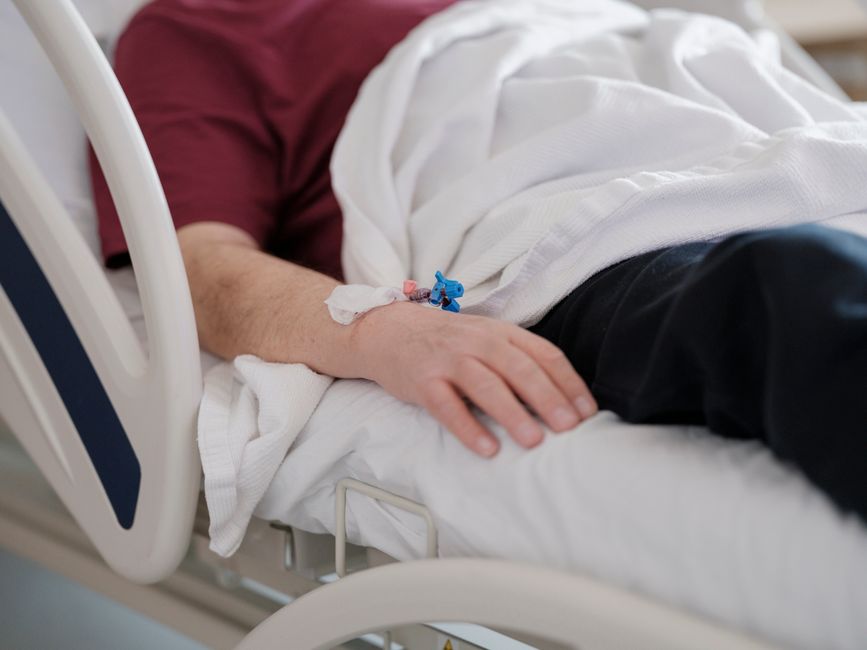
Pyelonephritis is a bacterial infection of the kidneys that needs serious, consistent treatment. Even after the acute symptoms have gone, the body takes a long time to recover, and the kidneys return to full function gradually. How you look after yourself during this period directly affects the risk of the infection coming back or becoming chronic.
- The acute phase passes in 7–14 days, but full recovery takes 4–8 weeks.
- You need to finish the full course of antibiotics, even after you start to feel better.
- Follow-up urine tests and a kidney ultrasound are required 2 and 6 weeks after treatment.
- Drinking enough fluids and following the right diet speed up recovery and lower the risk of a recurrence.
- What happens in your body right after treatment starts?
- The first 3 days: routine and main restrictions
- Antibiotic treatment: why must you not stop halfway?
- Diet during recovery: what to eat and what to avoid
- Fluid intake: how much and what to drink
- Physical activity: when and how to start moving again
- Follow-up appointments and tests: when and which ones?
- What is normal during recovery and what is a warning sign?
- When should you see a doctor urgently?
- Going back to work: when and under what conditions?
- Recovery in women and men
- Chronic pyelonephritis: how does recovery work?
- Preventing recurrence: how to stop it coming back
- Spa treatment and balneotherapy after pyelonephritis
- The psychological side of recovery: why does it matter?
01What happens in your body right after treatment starts?

The first 24–48 hours of antibiotic treatment are critical: the medicines begin to suppress the bacteria, but inflammation in the kidney tissue is still ongoing. Your temperature may stay high, and pain in the lower back may persist or even get worse because of tissue swelling.
During this period your body spends a lot of resources fighting the infection. The immune system is actively producing antibodies, and the kidneys keep working while inflamed, which puts extra strain on them.
It is important to understand that feeling better on day 2 or 3 does not mean you have recovered. Bacteria can remain in the kidney tissue even after the symptoms have gone, so you must not stop the antibiotics early. The first days lay the foundation either for a full recovery or, on the contrary, for the infection becoming chronic.
Rest during the acute period is an important part of treatment. It reduces the strain on the kidneys and lets your body focus its resources on fighting the illness.
02The first 3 days: routine and main restrictions
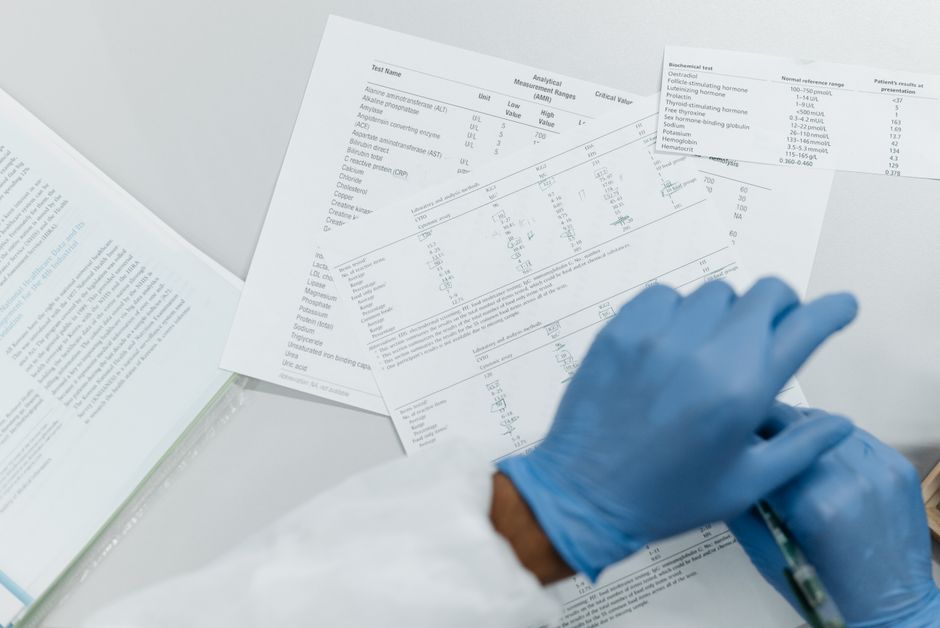
In the first three days of treatment, whether in hospital or at home, you should stay in bed or rest as much as possible. Physical exertion during this time can make you feel worse and slow your recovery.
Your temperature often reaches 38–40 °C during this period. Fever-reducing medicines are used when needed: at temperatures above 38.5 °C or if you feel very unwell. Do not change your treatment plan or stop the prescribed medicines on your own.
Fluid intake in the first days is one of the key elements of treatment. Drinking plenty, at least 2–2.5 litres of fluid a day, helps flush bacteria out of the urinary tract mechanically and lowers the concentration of toxins in the urine. Still water, weak tea, unsweetened stewed-fruit drinks and cranberry drinks are the best choices.
Avoid getting chilled in any way: cold drinks, draughts and contact with cold water. Keep your lower back warm, as this reduces muscle spasm and eases the pain.
Not sure which clinic to start with?
A MediUkraine coordinator will help you choose a clinic and a doctor for your case, free of charge.
03Antibiotic treatment: why must you not stop halfway?

A full course of antibiotics for pyelonephritis usually lasts 10–14 days for uncomplicated forms and up to 21 days for complicated cases or resistant bacteria. Your doctor chooses the specific medicine based on the results of a urine culture and antibiotic sensitivity testing.
The most common mistake patients make is to stop taking antibiotics once they feel better, which usually happens on day 3 to 5. At that point the bacteria are only partly suppressed, not fully eliminated. Stopping the medicine early allows the most resistant microorganisms to survive and leads to antibiotic resistance.
The result is a recurrence of pyelonephritis that is much harder to treat, because the bacteria have already become resistant to the medicine used before. That is why your doctor will always check at the follow-up appointment whether the course has been completed.
If side effects such as nausea, diarrhoea or a skin rash appear during treatment, tell your doctor straight away. Do not stop the medicine on your own: change or stop it only as agreed with the doctor who prescribed it. They will either adjust the dose or switch to another antibiotic from the same group or an alternative.
04Diet during recovery: what to eat and what to avoid
A diet for pyelonephritis should be gentle on the kidneys while still being nourishing, because your body needs resources to recover. The general principle is to reduce the load on the kidneys by limiting substances they have to filter intensively.
What is allowed and recommended
Your diet should be based on boiled, stewed or baked dishes: lean meat (chicken, turkey, veal), fish, moderate-fat dairy products, vegetables and grains. Fresh fruit and berries are good for you, especially watermelon, cranberries and blueberries, which are traditionally recommended for urinary tract health.
What to cut out
During treatment and for at least a month afterwards, cut out alcohol completely, along with hot spices and seasonings, smoked foods, pickles, and salty and tinned foods. Limit salt to 3–5 g a day, as it retains fluid and increases the load on the kidneys.
It is also best to avoid strong coffee, black tea and fizzy drinks during the acute period. Pulses, offal and meat broths should be limited because of their high content of purines and extractives, which put extra strain on the kidneys.
05Fluid intake: how much and what to drink
Staying well hydrated is one of the most effective and accessible ways to support recovery after pyelonephritis. Drinking plenty keeps the kidneys constantly “flushed”, hinders the growth of any remaining bacteria and speeds up the removal of inflammatory by-products.
Your daily fluid intake during recovery should be 2–3 litres, unless you have contraindications such as swelling (oedema), heart failure or kidney failure. Choose still mineral water or plain drinking water. Cranberry and lingonberry drinks are a good option: they contain proanthocyanidins, which may help prevent bacteria from attaching to the walls of the urinary tract.
Herbal teas based on bearberry (uva-ursi) or horsetail have a mild diuretic and antiseptic effect. However, talk to your doctor before using them: some herbs have contraindications and can interact with antibiotics.
Spread your fluid intake evenly through the day rather than drinking it all at once. It is best to have your last glass no later than an hour before bed, so as not to overload your kidneys at night.
06Physical activity: when and how to start moving again
Physical activity after pyelonephritis should be resumed gradually and under your doctor’s supervision. During the acute period and for at least a week after your temperature returns to normal, avoid any exertion other than slow walks in warm, dry weather.
For the first month after treatment, avoid running, strength exercises, gym workouts, swimming in open water or pools, and long-distance cycling. Getting chilled during any physical activity can trigger a recurrence of inflammation.
Return to sport only after a follow-up urine test comes back normal: even if you already feel great, your kidneys may still be recovering.
After 4–6 weeks, once your laboratory results are back to normal, you can gradually add light exercises, moderate walks and swimming in an indoor heated pool. A return to intensive training is possible no earlier than 2–3 months after the acute episode, and only with the approval of a nephrologist or urologist.
07Follow-up appointments and tests: when and which ones?
Recovery after pyelonephritis is impossible without clear laboratory monitoring. Feeling well can often be misleading: inflammation in the kidney tissue can continue even when you have no complaints.
The standard follow-up schedule looks like this: a urine test 7–10 days after finishing antibiotics, then again after 4–6 weeks. A urine culture is done 2 weeks after the course of treatment to make sure the bacteria have been fully cleared. A full blood count and blood chemistry (urea, creatinine) are checked after 3–4 weeks.
A kidney ultrasound is done 4–6 weeks after the acute episode to assess the kidney tissue and rule out an abscess or other complications. If necessary, your doctor may order additional tests: urography, a CT scan or a nephrologist’s consultation.
People prone to recurrences or with chronic pyelonephritis have follow-up tests more often, every 1–3 months. Skipping scheduled check-ups is one of the main reasons acute pyelonephritis turns chronic.
08What is normal during recovery and what is a warning sign?
During the first 7–10 days of treatment certain symptoms are expected and should not alarm you. Lingering weakness, moderate tiredness and a slight heaviness in the lower back are normal signs of recovery after acute inflammation. It takes 3–6 weeks to feel completely well again.
However, some symptoms require you to see a doctor immediately or call an ambulance. A temperature that rises again after returning to normal, especially with chills, may indicate a kidney abscess or sepsis. A sharp deterioration in your general condition after several days of improvement is also a dangerous sign.
Changes in your urine, such as blood, a strong unpleasant smell, cloudiness or pus, need urgent medical advice. The same applies to increasing lower back pain that painkillers do not relieve, or pain in the kidney area that spreads downwards.
Swelling of the face or limbs, a sharp drop in the amount of urine you pass each day, and headache combined with high blood pressure may indicate that the kidney’s filtering units (glomeruli) are affected, and they also need urgent medical attention.
09When should you see a doctor urgently?
There are clinical situations where delaying medical help puts your health and even your life at risk. Call an ambulance or go to hospital immediately if any of the following occur:
- A temperature above 39 °C that does not come down: may indicate that the infection has spread beyond the kidney tissue and urosepsis is developing.
- No urine for more than 6–8 hours: a sign of acute kidney failure or urinary obstruction that needs emergency help.
- Visible blood in the urine (macroscopic haematuria): may indicate destructive changes in the kidney or a complication.
- Confusion, sudden weakness, chills with a drop in blood pressure: classic signs of septic shock.
- Sudden, worsening pain in the lower back or abdomen: may indicate inflammation around the kidney, an abscess or a blocked ureter.
Delaying medical help in any of these situations can lead to the need for surgery or permanent loss of kidney function. It is better to get checked once too often than to miss a dangerous complication.
10Going back to work: when and under what conditions?
When you can return to work depends on the type of work you do and how severe your pyelonephritis was. With a mild or moderate, uncomplicated course, most people can return to office or desk-based work 10–14 days after treatment starts, provided their temperature is back to normal and they feel reasonably well.
If your work involves physical exertion, long periods on your feet, or exposure to cold or damp, you should postpone returning to it for at least 4–6 weeks. Physical exertion too early is one of the most common triggers of a recurrence.
Sick leave for pyelonephritis usually covers the whole acute period, typically 14–21 days. It can be extended if necessary, and there is nothing to be embarrassed about: an incomplete recovery while working can end in another hospital admission.
Night shifts and overtime deserve special attention: they weaken immunity and increase the risk of a recurrence. For at least 2–3 months after pyelonephritis it is advisable to avoid chronic stress and lack of sleep, as these factors significantly affect the urinary tract’s resistance to infection.
11Recovery in women and men
Anatomical and hormonal differences between the sexes have a significant effect on both the course of pyelonephritis and the recovery process. Women develop the disease much more often because their urethra is short and wide, which makes it easier for infection to travel upwards. Pregnant women and post-menopausal women are particularly vulnerable.
For women, recovery after pyelonephritis should include a check of the pelvic organs, as kidney infection is often combined with cystitis or vaginitis. A gynaecological examination after finishing antibiotics helps rule out hidden sources of reinfection.
In men pyelonephritis is less common but is usually a sign of more serious structural or functional problems: kidney stones, an enlarged prostate (benign prostatic hyperplasia) or an abnormality of the urinary tract. That is why men should always have a urological examination after pyelonephritis to find and treat the underlying cause.
Recovery in men may take somewhat longer, precisely because the underlying urological condition needs to be addressed. In both cases it is important to complete the whole recovery plan rather than stopping at antibiotics alone.
12Chronic pyelonephritis: how does recovery work?
The chronic form of the disease requires a fundamentally different approach to rehabilitation compared with the acute form. Remission in chronic pyelonephritis does not mean recovery: it is a managed condition that needs ongoing monitoring and preventive therapy.
After a flare-up of chronic pyelonephritis the course of antibiotics is usually longer, 14–21 days. Once it is finished, your doctor may prescribe preventive treatment: low-dose nitrofurans or herbal urinary antiseptics for 3–6 months. This can significantly reduce how often flare-ups happen.
People with chronic pyelonephritis remain under the regular care of a nephrologist or family doctor. Follow-up tests are done monthly for the first six months and every 3 months after that. This schedule makes it possible to spot changes in kidney function in time and adjust treatment.
Particular attention is paid to blood pressure: in chronic pyelonephritis a significant proportion of patients develop kidney-related (nephrogenic) hypertension, which worsens the outlook considerably. Timely treatment of high blood pressure is part of the recovery plan. You can read more about diagnosis and treatment on our pyelonephritis treatment page.
13Preventing recurrence: how to stop it coming back
Recurrent pyelonephritis is a serious problem that significantly reduces quality of life and can eventually lead to chronic kidney failure. However, the risk of recurrence can be genuinely reduced with specific everyday habits.
The most important thing is to drink enough fluids all the time, not just when you are ill. Two litres of water a day is the minimum that mechanically flushes the urinary tract and hinders the growth of bacteria. Passing urine regularly and when you need to is just as important: holding it in for more than 4–5 hours increases the risk of infection.
Deal with all potential sources of infection in your body: chronic tonsillitis, tooth decay and pelvic conditions. Getting chilled, especially your feet and lower back, is one of the leading triggers of recurrence and should be avoided all year round.
For women, proper intimate hygiene and regular gynaecological check-ups are essential. For men, keeping an eye on prostate health and treating any urological conditions promptly. Healthy sleep, a balanced diet and moderate physical activity help keep the urinary system’s immune defences at a good level.
14Spa treatment and balneotherapy after pyelonephritis
Spa treatment is sometimes used as part of rehabilitation after pyelonephritis, especially in people prone to recurrences or with a chronic course. It is prescribed no earlier than 2–3 months after the acute episode, provided there is stable remission and normal laboratory results.
The basis of spa treatment is mineral water. Bicarbonate, sulphate and chloride mineral waters stimulate urine production, reduce the tendency for salts to crystallise in the kidneys and may have a mild anti-inflammatory effect. The specific type of mineral water is chosen by a doctor, taking into account the chemical composition of your urine and any other conditions you have.
Physiotherapy procedures such as inductothermy, magnetic therapy to the lower back and heat applications are used to reduce residual inflammation and improve blood supply to the kidneys. However, all these methods are used only during remission and are strictly contraindicated during a flare-up.
Repeating spa treatment every year may help lengthen the intervals between recurrences and slow the progression of the chronic process. The decision on spa treatment is made by a nephrologist or family doctor, taking your full clinical picture into account.
15The psychological side of recovery: why does it matter?
Pyelonephritis, especially severe or recurrent, often leaves a psychological mark. A long illness, restrictions on diet and lifestyle, and fear of a recurrence can all cause anxiety, irritability and a lower quality of life.
Chronic stress is a proven factor in weakening local and general immunity, which directly increases the risk of repeat urinary tract infections. That is why psychological comfort during recovery is not a luxury but a medical necessity.
It is advisable to get your sleep back on track (at least 7–8 hours), avoid stressful situations that are beyond your control and keep up moderate physical activity, which has a proven anti-stress effect. If you feel very anxious about your health, it is worth discussing this with your doctor.
Understanding how the disease works and why treatment is done the way it is significantly improves adherence to therapy and the outlook. Being well informed is one of the most effective tools for preventing a recurrence.
MediUkraine’s partner clinic for this area is the EXPERT medical network in Uzhhorod. The clinic’s team communicates with international patients in English and can help you with treatment, recovery and follow-up tests after pyelonephritis.
16Frequently asked questions
How long does full recovery after pyelonephritis take?+
The acute symptoms go away in 7–14 days, but full recovery of kidney function and normalisation of all laboratory results take from 4 to 8 weeks. With a complicated or chronic course this can take longer.
Can I do sport after pyelonephritis?+
Physical exercise is not allowed during the acute period and for the first 3–4 weeks after it. You can return to sport only once your urine tests are back to normal and with your doctor’s approval, usually no earlier than 1.5–2 months.
What should I eat after pyelonephritis treatment?+
For a month after treatment, avoid alcohol, spicy dishes, smoked foods and too much salt. Light boiled or stewed dishes, fermented dairy products, fresh fruit and plenty of fluids are recommended.
When should I have follow-up tests?+
The first follow-up urine test is done 7–10 days after finishing antibiotics, and the next after 4–6 weeks. A urine culture is recommended 2 weeks after the course of treatment to confirm that the bacteria have been fully cleared.




