
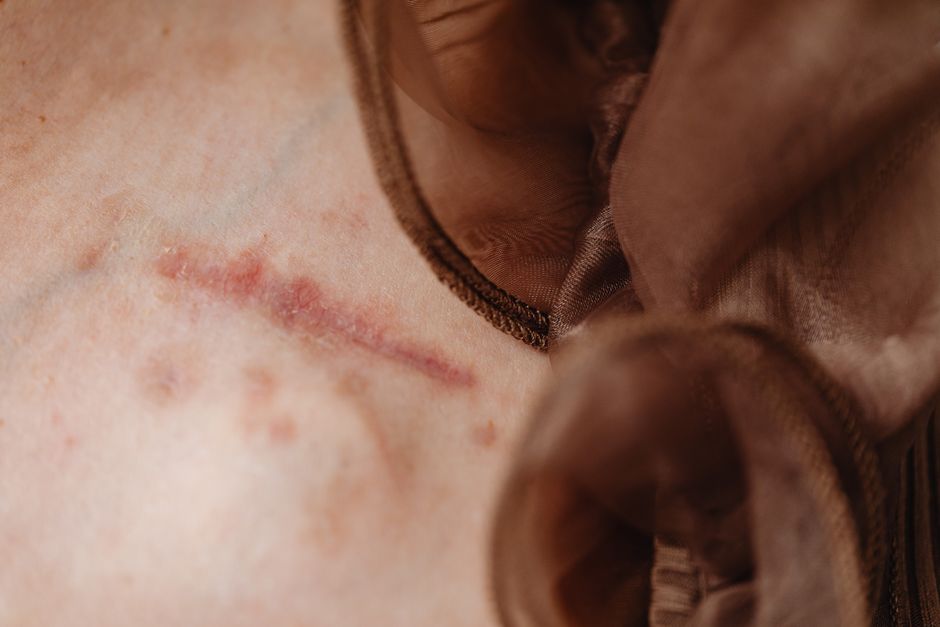
Surgical scar revision is not a minor cosmetic touch-up but a full surgical procedure that requires proper recovery. The final aesthetic result depends on how closely you follow your doctor’s advice. This article answers the key questions about recovery, step by step, from the operating theatre to complete healing.
- For the first 24–48 hours: strict rest, cold compresses and as little movement as possible in the treated area.
- Stitches are removed on day 7–14, depending on the location and type of incision.
- It takes 6–12 months for the scar to fully mature after surgery.
- Sun protection and silicone products are essential for at least 6 months after healing.
- What happens to the tissues straight after surgery?
- The first 24–48 hours: the main rules
- Wound care in the first 7 days
- When and how are stitches removed?
- Diet during recovery: what helps and what harms?
- Physical activity: what is allowed and when?
- How should you care for the scar once the wound has healed?
- Sun protection and your scar: why is it critical?
- Possible complications after scar revision
- When should you see a doctor immediately?
- Follow-up appointments: when and why?
- Going back to work after surgery
- Returning to sport and exercise
- Preventing repeat scarring and long-term results
01What happens to the tissues straight after surgery?
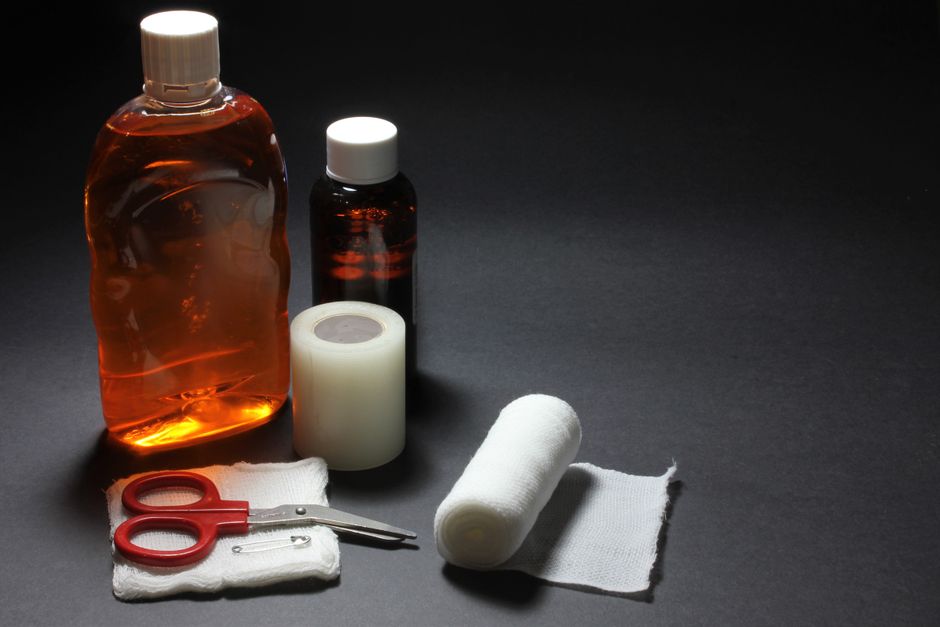
During surgical scar revision the surgeon cuts out the abnormal tissue, aligns the skin edges and closes the wound with a cosmetic suture. The body immediately starts the healing cascade: small blood vessels widen, platelets and neutrophils arrive at the wound, and the first fibrin “bridge” forms between the edges of the incision.
In the first 6–12 hours the treated area swells, turns red and becomes tender to the touch. This is a normal inflammatory reaction, not a sign of a complication. Swelling may peak on day 2–3 and then gradually go down.
Along with the swelling you may feel a pulling or burning sensation along the line of the stitches. Pain is usually moderate and well controlled with the painkillers you are prescribed. It is important not to touch the dressing yourself and not to get the wound wet for the first day.
You may notice a little blood-tinged fluid on the dressing; this is normal discharge in the first 12–24 hours. If the dressing soaks through or the discharge is bright red, contact your doctor immediately.
02The first 24–48 hours: the main rules
Straight after discharge from hospital or a day surgery unit, you need to rest completely. Do not touch, stretch, wet or warm the operated area. If the revision was done on a limb, keep it slightly raised to reduce swelling.
A cold compress wrapped in cloth (never ice directly on the skin) can be applied for 15–20 minutes every 2–3 hours to reduce swelling and ease discomfort. Heat is strictly off limits: it increases blood flow and can cause a haematoma.
For the first two days, pain is usually managed with oral non-steroidal anti-inflammatory drugs (NSAIDs) or paracetamol as directed by your doctor. Aspirin is best avoided during this period: it thins the blood and increases the risk of bleeding.
Alcohol and smoking in the first 48 hours significantly impair microcirculation and slow healing. Get as much rest as you can: lack of sleep suppresses the production of collagen, the main building material of the future scar.
Not sure which clinic to start with?
A MediUkraine coordinator will help you choose a clinic and a doctor for your case, free of charge.
03Wound care in the first 7 days

Daily dressing changes are the basis of proper care. Your doctor will give you a specific routine: remove the old dressing, clean the wound with an antiseptic (chlorhexidine or povidone-iodine solution), apply the prescribed ointment, cover with a sterile dressing and secure it with tape or a bandage.
Never pick off scabs, scratch or rub the wound. A scab is a natural protective shield. Removing it too early opens the way to infection and can leave an additional cosmetic defect.
You may get the wound wet only when your doctor says so. This is usually on day 4–6 after surgery, and even then only briefly with warm (not hot) water; pat it dry with a towel straight away without rubbing.
If the wound is on your face or neck, avoid sharp facial expressions and exaggerated mouth movements in the first days. Tension on the tissues can pull the wound edges apart before the stitches are removed, which will affect the aesthetic result.
04When and how are stitches removed?
When stitches are removed depends on the location of the revision and how quickly you heal. On the face they come out earlier, on day 5–7, because the blood supply there is richest. On the torso and limbs stitches stay in for 10–14 days.
If the surgeon used absorbable internal stitches, external removal may not be needed at all. External stitches or staples are removed by medical staff; do not remove them yourself at home because of the risk of infection and incorrect removal.
After the stitches are removed, the scar line looks pink, slightly firm and uneven. This is normal: the real aesthetic result is assessed no earlier than 3–6 months later. It is important to understand this so you do not worry prematurely.
In some cases the doctor applies additional adhesive strips (Steri-Strips) after the stitches are removed. They support the skin edges for another 1–2 weeks and improve the final appearance of the scar. Do not wet these strips or pull them off yourself.
05Diet during recovery: what helps and what harms?
A good diet after surgical scar revision is not a minor detail but a medical necessity. Tissues are rebuilt from building materials that come from food. A lack of protein, vitamins and minerals directly slows collagen production.
Make good-quality protein a priority: chicken, fish, eggs, pulses and cottage cheese. Vitamin C (citrus fruit, sweet peppers, kiwi) boosts collagen production and strengthens blood vessel walls. Zinc (pumpkin seeds, nuts, seafood) supports cell division in the wound.
Fatty, fried and spicy food increases inflammation in the body and may prolong the inflammatory phase of healing. Sweets and refined carbohydrates can dampen the immune response. Limit these foods for at least the first two weeks after surgery.
Alcohol is incompatible with proper healing: it widens blood vessels, increases the risk of swelling and interacts with the antibiotics and NSAIDs you may be taking after surgery. Avoid alcohol for at least 2–3 weeks, and ideally until the wound has fully closed.
06Physical activity: what is allowed and when?
The first 48–72 hours call for strict rest. Even walking should be kept to a minimum if the scar is on the legs or torso. Any exertion that raises blood pressure increases the risk of bleeding or the wound opening.
From day 3–5 you can walk calmly, without speeding up and without climbing many stairs. Only do housework that does not involve bending, lifting heavy objects or sudden movements around the wound.
Fitness, swimming, running, team games and any sport are off limits for at least 4–6 weeks. Sweat and clothing rubbing against the wound increase the risk of infection and impair healing. Discuss when to resume training with your surgeon individually.
Important: even after the stitches are removed, the scar cannot yet withstand mechanical strain. The collagen in it matures gradually: 6–8 weeks after surgery the scar is still gaining strength, and even a mature scar reaches only about 80% of the strength of normal skin.
07How should you care for the scar once the wound has healed?
Once the wound has fully closed and the stitches are out, the most important stage begins: preventing a hypertrophic or keloid scar. This is exactly when most people stop caring for the scar, and that is a big mistake.
Silicone gels and sheets are the first-line method for preventing an abnormal scar. They hydrate, apply pressure and help normalise collagen production. They should be applied or worn for 12–24 hours a day for 3–6 months after healing.
Scar massage is another effective method. Once your doctor allows it (usually 4–6 weeks after surgery), use circular pressing movements with your fingertips 2–3 times a day for 5 minutes. Massage softens the connective tissue and prevents excessive hardening.
Apply silicone gel straight after your morning wash so it has time to absorb before you get dressed. Regular use matters more than how much you apply at once.
08Sun protection and your scar: why is it critical?
A new scar is extremely vulnerable to ultraviolet radiation. Melanocytes in the healing area respond to UV by producing more melanin, so the scar darkens and becomes much more noticeable. This pigmentation is then very difficult to remove.
Protect the scar from direct sun for at least 6–12 months after surgery. If it is on an exposed area of the body, apply SPF 50+ every morning and reapply every 2 hours when you are outdoors.
Covering the scar with clothing is the most reliable option in the first months. Scars on the face can be shaded with a wide-brimmed hat or a scarf. Sunbeds are also off limits: UV lamps are no safer than natural sunlight.
In winter UV intensity is lower but not zero, especially in the mountains and when reflected off snow. Using SPF in the colder months remains important throughout the first year after revision.
09Possible complications after scar revision
Complications after surgical scar revision are rare, but you should know the signs so that you can see your doctor in time. Most problems are easy to deal with at an early stage and become serious only if left too long.
- Wound infection: increasing pain, redness, swelling, pus and a raised temperature need urgent attention and, as a rule, antibiotics.
- Haematoma: a collection of blood under the skin that feels like a tense, painful lump under the stitches. It may need to be drained by a doctor.
- Wound edges separating: can happen with excessive strain or if stitches are removed too early. It needs to be stitched again.
- Hypertrophic or keloid scar: excessive growth of connective tissue, treated with steroid injections, laser or another revision.
- Depigmentation or hyperpigmentation: changes in skin colour around the scar, corrected with laser or lightening products as recommended by a dermatologist.
10When should you see a doctor immediately?
Some symptoms mean you should not wait for a scheduled check-up but contact your surgeon or call an ambulance. Delay in such situations can have serious consequences.
Warning signs: sudden heavy bleeding from the wound that does not stop after 10–15 minutes of pressure; a temperature above 38.5°C; marked, increasing swelling with redness and throbbing pain; an unpleasant smell from the wound; pus.
You should also get help if the wound edges have come completely apart, or an external stitch or strip has come off and the wound is open. Even if there is no pain, an open wound needs medical assessment and possibly closing again.
A reaction to the anaesthetic or medicines, such as an allergic rash, shortness of breath or palpitations, also requires urgent medical help. Such reactions can develop within 24–72 hours of the procedure.
11Follow-up appointments: when and why?
Surgical scar revision does not end in the operating theatre. A proper follow-up schedule after surgery helps make sure the result is what both you and your doctor were aiming for. Do not skip follow-up visits even if you feel well.
The standard follow-up schedule: the first check 1–3 days after surgery (dressing check), the second on day 7–10 (stitch removal or assessment), the third after 1 month, the fourth after 3 months and the fifth after 6 months. If needed, another check after a year.
At each visit the surgeon assesses how the wound is healing, adjusts your care and prescribes or stops scar products. If signs of a hypertrophic scar appear, injections or physiotherapy are prescribed promptly, before the process becomes irreversible.
Between scheduled visits you can photograph the scar in the same lighting conditions; this helps your doctor track progress even remotely. You can read more about how treatment and follow-up are organised on our scar revision surgery page.
12Going back to work after surgery
When you can return to work depends on two factors: where the scar is and what kind of work you do. Someone with an office job and a scar on the forearm may be able to return after 3–5 days. That certainly does not mean everyone should do the same.
If your work involves physical exertion, being in the sun, or contact with dust or chemicals, the minimum time off is 2–3 weeks. Dust and dirt increase the risk of wound infection, even if the wound already looks closed.
With scars on the face, people in public-facing jobs (teachers, actors, shop staff) may feel self-conscious about how the stitches look for a while. It is worth taking this into account and allowing enough time before going out in public.
Computer work and fine hand tasks can usually be resumed after 2–3 days, as long as the scar is not on the hand. The key is to avoid movements that stretch the skin around the wound.
13Returning to sport and exercise
For athletes and active people, recovery after surgical scar revision can be psychologically hard, as a break from training feels unbearable. But rushing is particularly risky here: excessive strain can completely undo the result of the operation.
Light walking at a moderate pace: from day 4–5. Stretching and yoga (without poses that stretch the scar area): from week 3–4. Moderate-intensity cardio (cycling, cross-trainer): from week 5–6. Strength exercises and contact sports: no earlier than 6–8 weeks.
Swimming in open water or a pool is not allowed until the wound has fully closed and for at least 4 more weeks after that. Chlorinated water and the microorganisms in natural water are a potential source of infection for a scar that has not yet strengthened.
Before returning to full training, be sure to get the go-ahead from your surgeon at a follow-up appointment. Every case is individual, and the timing may vary depending on the location, the extent of the surgery and how quickly you heal.
14Preventing repeat scarring and long-term results
Even after successful surgical revision, there is a risk of an abnormal scar forming again, especially in people prone to keloids. That is why prevention is not a one-off measure but a systematic approach over the 12 months after surgery.
Compression therapy, using special pressure garments or tape, is recommended for scars on the torso and limbs. It reduces excessive collagen production and keeps the scar level with the skin. Compression is worn 23 hours a day for 6–12 months.
Physiotherapy methods such as ultrasound with hydrocortisone (phonophoresis), laser therapy and microcurrent therapy are prescribed in courses and may improve the quality of the scar tissue. They are usually started 4–6 weeks after the wound has healed.
The long-term result of surgical scar revision is a scar that is less noticeable, softer and flatter than before the operation. A scar cannot be made to “disappear” completely with surgery, but with proper recovery it becomes much less noticeable and stops affecting your quality of life.
MediUkraine’s partner clinic for scar revision is the EXPERT medical network in Uzhhorod. The clinic’s team communicates with international patients in English and supports you from the first consultation to your follow-up visits.
15Frequently asked questions
Is a scar painful after surgical revision?+
Moderate pulling or burning pain in the first 3–5 days is normal. It is controlled with painkillers prescribed by your doctor. If the pain increases after day 5 or becomes throbbing, contact your surgeon urgently.
When will the final result be visible?+
The result can be fully assessed only 6–12 months after surgery, once the scar has fully matured. In the first months it looks pink and firm; this is a normal stage of maturation, not a poor result.
Can I wear make-up after surgery?+
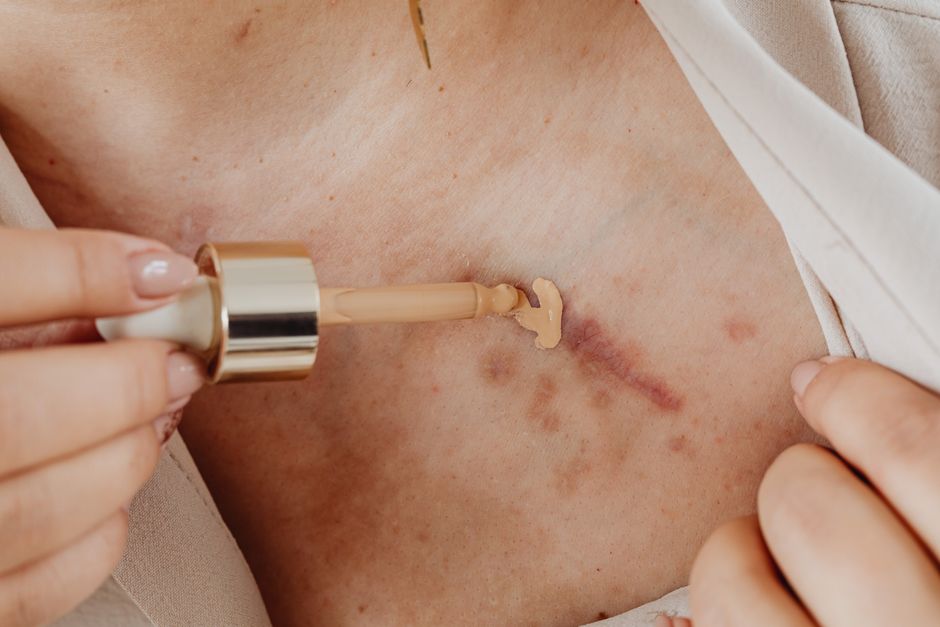
Not on or around the scar until the wound has fully healed and your doctor has given permission. Foundation on the face is usually allowed from day 10–14 after the stitches are removed, but only on unaffected skin, avoiding the scar line.
Can a scar come back after revision?+
Scar tissue does not grow back as such, but in people prone to keloids a new abnormal scar can form along the new incision. That is why preventive measures are needed after surgery: silicone, compression and regular check-ups.




