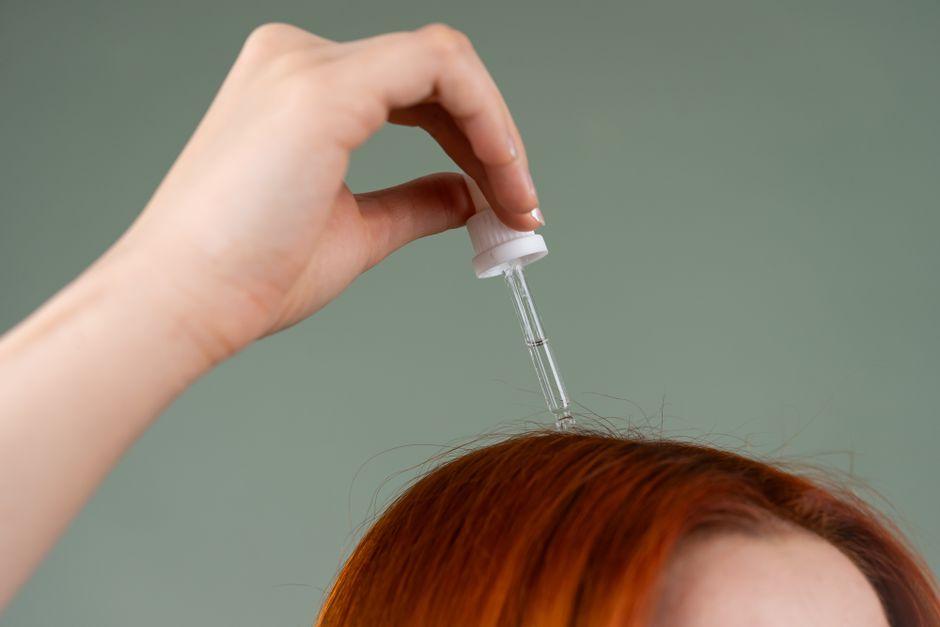
Seborrhoea and dandruff are not just a cosmetic nuisance but long-term conditions that need consistent treatment and the right care afterwards. The recovery period after a course of treatment determines how lasting the result will be and whether the problem comes back. This article sets out a detailed step-by-step plan, from the first hours after a procedure to long-term prevention.
- The first 24–48 hours are the most important: the skin is sensitive and needs gentle care and protection.
- Full recovery takes 2 to 6 weeks, depending on the type of procedure and the initial condition of the scalp.
- Diet, well-chosen shampoos and avoiding stress are key to long-lasting remission.
- A follow-up appointment with a trichologist is scheduled 4 weeks after the course, or sooner if worrying symptoms appear.
- What happens to the scalp straight after a procedure?
- The first 24 hours: what is allowed and what is strictly off limits?
- What happens in the first 3–5 days after treatment?
- The first week: care routine and restrictions
- How does diet affect recovery after treatment for seborrhoea?
- Which hair products should you avoid during recovery?
- When can you return to your usual activity and sport?
- When can you go back to work after treatment for seborrhoea?
- Follow-up appointments: when and why?
- Which symptoms are normal, and which are warning signs?
- When should you see a doctor immediately?
- Possible complications after treatment for seborrhoea and dandruff
- How can you prevent seborrhoea and dandruff from coming back?
- The emotional side of recovery: why does it matter?
- Recovery with different forms of seborrhoea
01What happens to the scalp straight after a procedure?
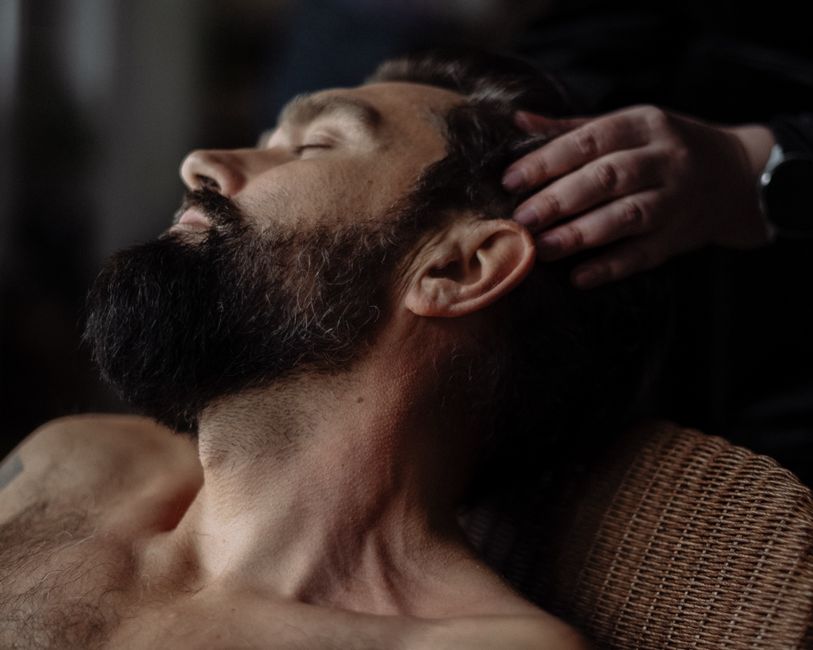
Straight after a treatment session, whether a scalp peel, mesotherapy, laser therapy or application of medicines, the skin enters a phase of active recovery. The outer layer of the skin renews itself: old scaly build-up comes away, and small blood vessels respond by widening. That is why the first sensations after the procedure, such as tingling, mild warmth or a feeling of tightness, are normal and no cause for concern.
The sebaceous glands, which have been overactive in seborrhoea, gradually start to normalise their activity. This does not happen instantly: the glands need time to adjust to a new rhythm. For the first few hours after the procedure, it is important not to trigger renewed overactivity through rubbing or harsh products.
If you had a chemical or enzyme peel, the surface of the skin may look slightly red. This is a natural inflammatory reaction showing that the procedure has worked as intended. The redness usually fades within 12–24 hours.
02The first 24 hours: what is allowed and what is strictly off limits?
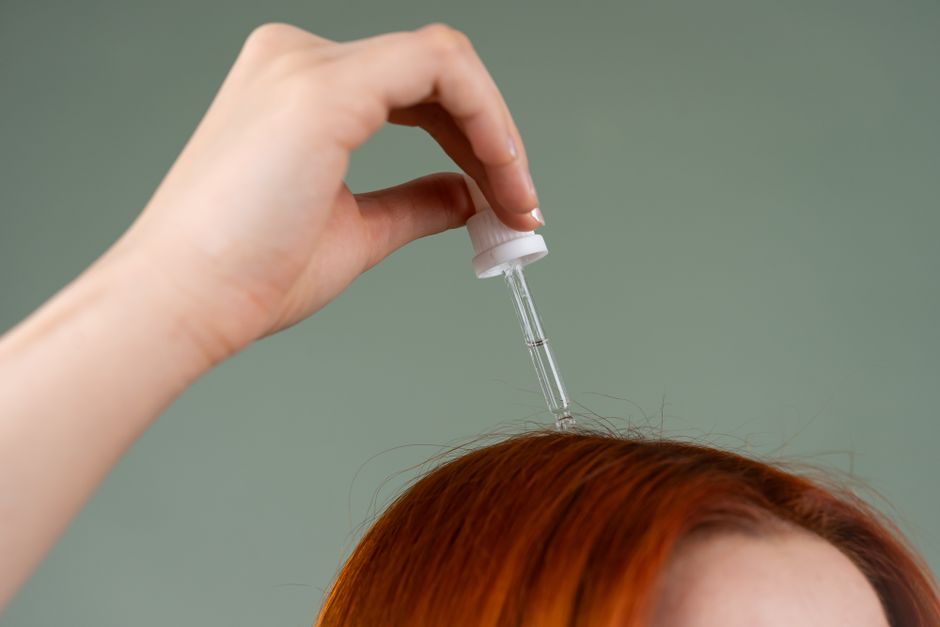
The first day after treatment for seborrhoea sets the tone for the rest of your recovery. At this time the scalp is extremely sensitive to any influence. Doctors strongly recommend not washing your hair for at least 12–24 hours after the procedure, unless your trichologist has told you otherwise. This allows the active ingredients applied during the session to be fully absorbed.
In the first 24 hours, do not brush your scalp with a stiff-bristled brush, use a hairdryer on a hot setting, apply styling products (hairspray, mousse, gel) or go to a sauna or swimming pool. All of these disrupt the skin’s barrier function, which is particularly vulnerable to infection and irritation at this point.
It is advisable to wear a loose hat made of natural fabric if you go outside, avoid direct sunlight and drink enough water. If you feel very itchy, you can gently dab your scalp with a clean tissue, but do not rub.
Not sure which clinic to start with?
A MediUkraine coordinator will help you choose a clinic and a doctor for your case, free of charge.
03What happens in the first 3–5 days after treatment?
In the first few days, most patients notice that their dandruff seems temporarily “worse”, with more visible flakes. This is not a deterioration but a normal exfoliating reaction: dead cells affected by the procedure are shedding. Doctors warn patients about this in advance so that they do not panic.
The scalp may be drier or, on the contrary, slightly oilier than usual, depending on your skin and the type of procedure. If it is dry, you may apply an alcohol-free moisturising lotion or serum prescribed by your doctor. Do not change or add to your care routine without consulting your doctor.
From day 3, most patients are allowed to wash their hair again, but only with the prescribed medicated shampoo. Technique matters: apply the shampoo with your fingertips, without pressure, using massaging movements and not your nails. Use warm, not hot, water, and finish with a cool rinse.
04The first week: care routine and restrictions
During the first week after treatment for seborrhoea and dandruff, you establish a new basic care routine that will later form the basis for preventing relapse. The main aim this week is not to overload the skin and to stick to the prescribed treatment: apply the prescribed products at the specified times and do not skip the medicated shampoo.
Avoid hair colouring, perms and keratin straightening. These treatments contain harsh chemical compounds that can trigger inflammation of the newly recovered skin and undo the result of treatment. Wait at least 4 weeks, and preferably until your next appointment with the trichologist.
Moderate physical activity, such as walks and light stretching, is fine in the first week. Put off intense exercise that makes you sweat heavily: sweat is acidic and can irritate a scalp that is restoring its pH balance. Sleep on a clean cotton pillowcase and change it more often than usual to limit contact with bacteria.
05How does diet affect recovery after treatment for seborrhoea?
There is evidence of a link between seborrhoea and diet. The sebaceous glands respond to insulin levels in the blood: too much simple sugar and refined carbohydrate stimulates excess sebum production. That is why, during recovery, dietary advice is as much a part of treatment as products applied to the skin.
It is advisable to limit or cut out sweets and white-flour baked goods, fast food, alcohol, spicy dishes and fatty meat. Alcohol in particular widens the blood vessels in the skin and increases inflammation; especially in the first 7–10 days after the procedure, it can cause puffiness and increased sensitivity.
Foods that support recovery include those rich in zinc (pumpkin seeds, lean poultry, pulses), omega-3 fatty acids (oily fish, flaxseed oil), B vitamins and vitamin D. Probiotics in natural fermented dairy products help maintain the balance of the microbiome, which is directly linked to the condition of the scalp. Drink at least 1.5–2 litres of water a day.
Keep a food diary for at least the first 4 weeks after treatment: it will help you and your trichologist identify the foods that trigger flare-ups in your particular case.
06Which hair products should you avoid during recovery?
The cosmetics market is full of shampoos, masks and serums with bold promises, but many of them contain ingredients that are not suitable during recovery after treatment for seborrhoea. This applies above all to products with sulphates (SLS, SLES): they strip away not only dirt but also the protective lipid layer of the skin, increasing dryness and triggering a rebound increase in sebum.
Parabens, silicones, fragrances and alcohol in styling products are further triggers of irritation. Silicones coat the hair and can build up on the scalp, which is especially undesirable when the skin is inflamed. Choose products with a minimal formula: the fewer the ingredients, the lower the risk of an unwanted reaction.
Replace your usual products only on your doctor’s recommendation or after consulting a trichologist. What suited someone else or worked “according to online reviews” may not suit your type of seborrhoea: the dry and oily forms need fundamentally different approaches. You can find out more about seborrhoea and dandruff treatment with MediUkraine and get an individual treatment and care plan.
07When can you return to your usual activity and sport?
Moderate physical activity, such as walking, yoga and swimming in a pool (not straight after a procedure), is not only allowed but beneficial during recovery. Exercise improves blood circulation, including in the scalp, which helps nourish the follicles and speeds up tissue repair.
However, intense exercise with heavy sweating, such as CrossFit, weightlifting, contact martial arts or hot (Bikram) yoga, should be put off for at least 7–10 days after the procedure. Sweat changes the pH of the scalp and can activate the Malassezia yeast, one of the key triggers of seborrhoeic dermatitis. If you exercise regularly, discuss when to return with your doctor.
Swimming pools, open water and saunas need special attention. Chlorinated water and hot steam can irritate recovering skin and reduce the effectiveness of the products applied. After swimming in a pool, wash your hair thoroughly with the medicated shampoo, as chlorine stays on the skin and continues to act after you leave the water.
08When can you go back to work after treatment for seborrhoea?
Unlike surgery, treatment for seborrhoea and dandruff does not usually involve a long absence from work. Most outpatient procedures, such as mesotherapy, peels and device-based treatments, leave no visible marks, and you can return to office or desk work the next day.
The exception is work in dusty conditions, in chemical production or in places with large swings in temperature and humidity. In such cases your doctor may recommend 2–3 days of protective routine to minimise contact between the recovering skin and workplace irritants. If your work involves such conditions, be sure to tell your trichologist before treatment begins.
There is also a psychological side: if dandruff has caused you discomfort in social situations, bear in mind that the peak of flaking in the first days after the procedure may be temporarily noticeable. Plan public meetings or important events for after the first week of recovery.
09Follow-up appointments: when and why?
A follow-up appointment after a course of treatment for seborrhoea is not a formality but an essential clinical step. The trichologist assesses how the scalp is changing, compares trichoscopy results before and after treatment and adjusts the maintenance plan if needed. Skipping the follow-up is one of the most common reasons patients come back with a relapse a few months later.
A typical schedule looks like this: the first check-up 3–4 weeks after the end of the course, the second after 3 months, and then according to an individual plan, usually every six months or once a year. If your condition improves, visits become less frequent; if symptoms return, they become more frequent or an additional course is prescribed.
At the follow-up, it is important to tell your doctor honestly about all changes: whether you kept to the care routine, whether you strayed from the diet and whether you noticed any new symptoms. Only a full picture allows the right clinical decision and adjustment of the plan.
10Which symptoms are normal, and which are warning signs?
Normal signs during recovery include mild itching for the first 24–48 hours, increased flaking for the first 3–7 days, a temporary change in how oily the scalp is (it may be drier or oilier) and slight redness in the treated area. All of these pass on their own and are a sign of active skin renewal.
Warning signs to look out for include marked swelling of the scalp or face, pustules or weeping areas, a sharp increase in itching 5–7 days after the procedure (instead of it easing), a raised temperature, and a burning sensation that lasts more than 48 hours. These may indicate an infection or an allergic reaction.
It is important to distinguish a temporary flare (which trichologists call a “flare at the start of treatment”) from a genuine complication. The first is a predictable, manageable process; the second needs medical attention. If in doubt, it is better to call the clinic and describe your symptoms than to wait and hope it “goes away on its own”.
11When should you see a doctor immediately?
Some symptoms mean you should not delay seeing a doctor even by a day. First and foremost, these are signs of a severe allergic reaction: swelling of the lips, tongue or throat, difficulty breathing or a rash all over the body. In this case, call an ambulance immediately, as this may be anaphylaxis caused by an ingredient in a product.
Also see a doctor urgently if signs of infection appear in the treated area (pus, a strong smell, tenderness to the touch), your temperature rises above 38 °C, or the lymph nodes behind your ears or in your neck become enlarged. These symptoms point to a bacterial infection that needs treatment with antibiotics taken by mouth.
Do not try to “wait it out” or treat such conditions yourself with anti-inflammatory creams or antihistamines that a doctor has not prescribed. The wrong products can make the inflammation worse or mask the symptoms, making diagnosis harder. Keep the phone number of the clinic or your trichologist to hand, especially for the first 10 days after the procedure.
12Possible complications after treatment for seborrhoea and dandruff
Complications after treatment for seborrhoea are rare if all the recommendations are followed, but they cannot be ruled out completely. The most common are post-inflammatory hyperpigmentation (dark patches on the scalp after a peel or laser), contact dermatitis caused by ingredients in the treatment products, and a temporary worsening of seborrhoeic dermatitis as a reaction to the procedure.
Less common are folliculitis (inflammation of the hair follicles caused by infection), scarring after an overly aggressive peel or when there were open skin injuries during the procedure, and hair loss as a result of excessive inflammation. These complications are usually the result of contraindications not being taken into account or an unsuitable method being chosen.
Preventing complications starts before the procedure: tell your doctor fully and honestly about any long-term conditions, allergies and medicines you take, as well as previous treatment. Before new products are applied, the trichologist may carry out a patch test to check how your skin tolerates them; feel free to ask about it.
13How can you prevent seborrhoea and dandruff from coming back?
Seborrhoea is a long-term condition, so it is not accurate to talk about a “complete cure” in the usual sense. It is more correct to speak of “lasting remission”, when symptoms are absent or minimal for a long time. Achieving and maintaining remission is entirely realistic with the right maintenance routine.
The key factors in preventing relapse are regular use of a maintenance shampoo (not the medicated one at the same strength, but a milder preventive one), following the dietary advice, managing stress (stress is one of the most powerful triggers of seborrhoeic dermatitis flare-ups), getting enough sleep and keeping hormonal balance under control.
Seasonal flare-ups are typical of seborrhoea in autumn and winter, when Malassezia activity increases because of changes in humidity and temperature. A preventive course of products containing piroctone olamine, zinc pyrithione or ketoconazole helps you prepare for them; the exact choice depends on the form of seborrhoea and your doctor’s recommendations. Do not wait for symptoms to appear: prevention is more effective than treating a flare-up.
14The emotional side of recovery: why does it matter?
The psychological impact of seborrhoea and dandruff is often underestimated. Yet long-term skin conditions, especially visible ones (dandruff on dark clothing, red skin, oily roots), can significantly affect self-esteem, social behaviour and quality of life.
During recovery, when visible symptoms have not yet fully disappeared, the psychological discomfort can be even greater than before treatment. A temporary increase in flaking, redness or a change in the texture of the scalp often makes patients think that “the treatment hasn’t worked”. It helps to know about this effect in advance and to trust the recovery process.
If anxiety or uncertainty about the results gets in the way of daily life, discuss it openly with your doctor. The trichologist can show you “before and after” photos, explain how your trichoscopy results are changing and set out clear milestones for the result. Understanding what is happening to your skin considerably reduces anxiety and makes it easier to stick to the treatment.
15Recovery with different forms of seborrhoea
Oily seborrhoea
With oily seborrhoea, the skin may seem especially oily in the first days after the procedure; this is a rebound response of the sebaceous glands to their activity being reduced during treatment. Do not try to “de-grease” the skin with extra washing or products containing absorbent particles, as this will only increase the rebound oil production.
The recovery routine for the oily form includes light alcohol-free toning lotions, water-based mattifying serums and regular but not too frequent hair washing, 2–3 times a week. Washing too often is as harmful as washing too rarely: it disrupts the scalp microbiome and stimulates compensatory sebum production.
Dry seborrhoea
With the dry form of seborrhoea, the focus during recovery is on moisturising and protecting the skin barrier. Peels and aggressive procedures are used less often for this form and at milder strengths, so recovery is usually quicker and less intense.
Lotions and serums that support recovery in dry seborrhoea usually contain hyaluronic acid, panthenol and ceramides, ingredients that restore the lipid barrier. Avoid alcohol-based tonics and drying masks “for oily scalps”, as they are designed for a different type and can make things worse.
MediUkraine can arrange treatment for seborrhoea and dandruff at our partner clinic, HairMed in Dnipro, and support you at every stage, from the first consultation to the follow-up check. The clinic’s team communicates with international patients in English.
Related services: Seborrhoea and Dandruff Treatment in Ukraine · Trichologist Consultation in Ukraine · Trichoscopy in Ukraine
16Frequently asked questions
How long does full recovery after treatment for seborrhoea take?+
Depending on the type of procedure and the initial condition of the scalp, full recovery takes 2 to 6 weeks. Visible symptoms (redness, increased flaking) usually disappear within the first week, and the lasting result of treatment is assessed after 4–6 weeks.
Can you colour your hair during recovery?+
No, hair colouring and chemical treatments should be put off for at least 4 weeks after the course of treatment. The chemicals in hair dyes can irritate the recovering scalp and reduce the effectiveness of treatment.
Why did my dandruff get worse after the first procedure?+
This is a normal exfoliating reaction: the procedure speeds up the shedding of dead skin cells, so flaking may be more noticeable for the first 3–7 days. It is a sign that the treatment is working, and it passes on its own within the first week.
How often should you see a trichologist after a course of treatment?+
The first follow-up is 3–4 weeks after the course. Then after 3 months, and after that every six months or once a year depending on how your condition develops. If new symptoms appear between scheduled visits, see your doctor without waiting.