
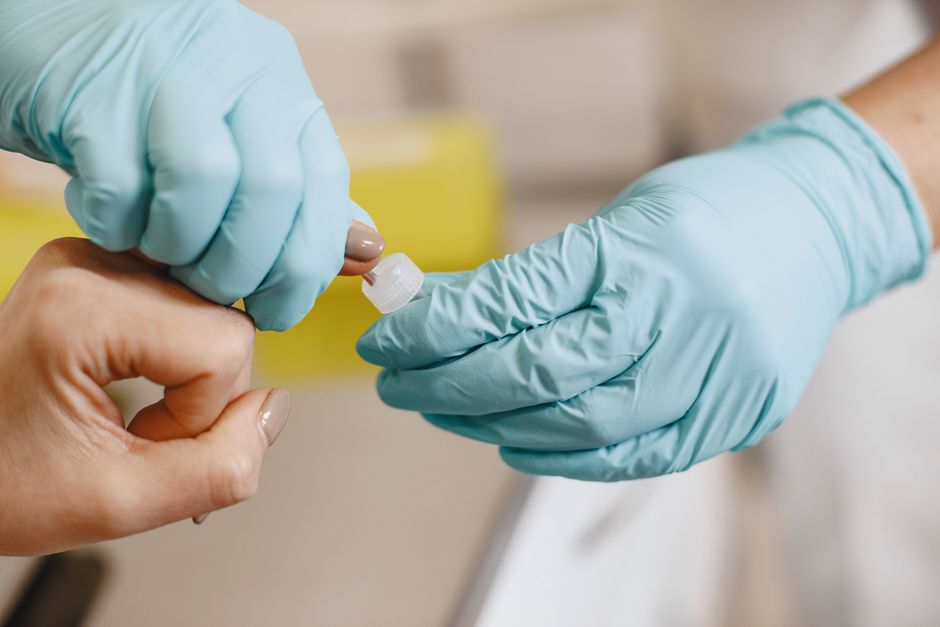
Skin allergy tests are one of the most accurate ways to diagnose allergic conditions. They identify the specific allergen that triggers your reaction, so that an effective treatment plan can be built. In Ukraine the tests are available at specialist allergy centres and private clinics.
- Skin allergy tests identify the allergen responsible for rhinitis, asthma, dermatitis or food allergy
- Prick tests, scratch tests, intradermal tests and patch tests are available in Ukraine
- The procedure takes 20–60 minutes, and the results are assessed by an allergist
- Approximate costs in Poland, Germany and Israel are given below for comparison
01What types of skin allergy test are there?

The allergist chooses the testing method based on the suspected allergen, your age and your symptoms. Each type of test has its own indications, advantages and limitations.
- Skin prick test: the most common method. A drop of allergen is placed on the skin of the forearm and the skin is pricked through it with a special lancet. The result is read after 15–20 minutes from the size of the wheal.
- Scratch test: similar to the prick test, but a shallow scratch is made instead of a prick. It is used less often because it is less standardised.
- Intradermal test: the allergen is injected into the skin with a syringe. It is more sensitive than the prick test and is used when an allergy to medicines or insect venom is suspected.
- Patch test: the allergen is fixed to the skin of the back for 48 hours. This method detects allergic contact dermatitis, a reaction to cosmetics, metals or chemicals.
One session can test up to 15–20 allergens at the same time. That is why skin tests remain the standard first step in allergy diagnosis.
02Who needs allergy tests, and when?

An allergist refers you for skin tests when there is a clinical suspicion of IgE-mediated allergy or contact sensitisation. Testing without a prior consultation is not recommended.
Main indications
Allergy tests are recommended for seasonal or year-round allergic rhinitis, bronchial asthma, atopic dermatitis, urticaria and suspected food allergy. They are also needed before allergen-specific immunotherapy (AIT) to determine exactly which allergens the treatment should contain.
Contraindications
The tests are not carried out during an allergy flare-up or any acute illness. Relative contraindications are pregnancy and taking antihistamines, beta-blockers or systemic corticosteroids. Skin tests are generally not performed in children under two.
Antihistamines, including those sold without a prescription, are usually stopped 5–7 days before allergy testing; agree this with your allergist or the doctor who prescribed them. Otherwise the result may be falsely negative.
If you take medicines that cannot be stopped, the allergist may suggest an alternative: a blood test for specific IgE antibodies.
Not sure which clinic to start with?
A MediUkraine coordinator will help you choose a clinic and a doctor for your case, free of charge.
03How do you prepare, and what happens during the test?
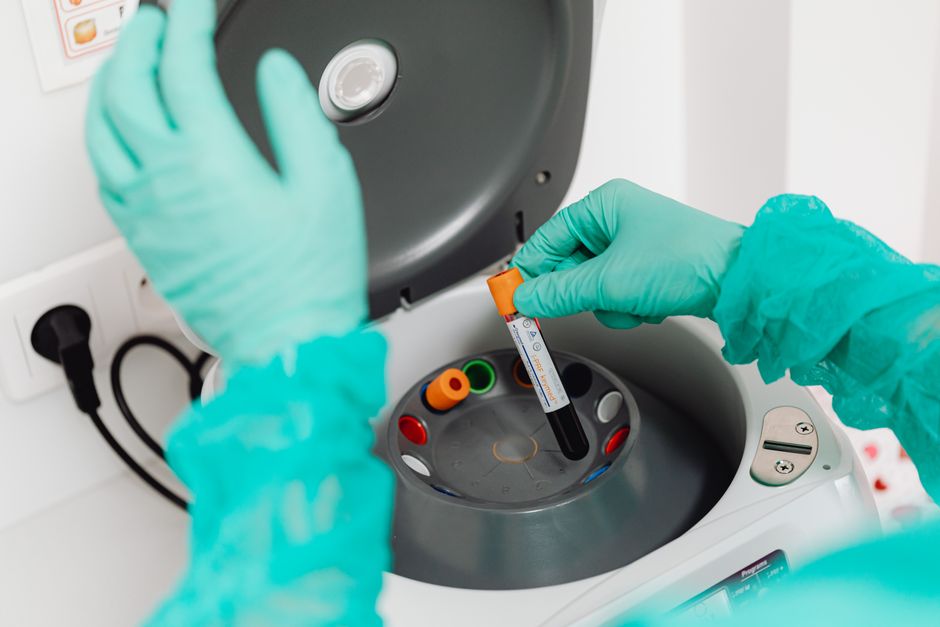
Preparation is straightforward, but a few rules must be followed. Correct preparation is the key to a reliable result.
Preparing for the test
Antihistamines are stopped a week before the test, and systemic steroids a month before, only as agreed with the doctor who prescribed them. On the day of the test, do not apply creams, lotions or ointments to the skin of your forearms or back. Come when you are reasonably well, without signs of a cold or a flare-up.
What happens during testing
You sit or lie down. Drops of standardised allergens, each marked with a number, are placed on your skin. After the skin pricks, or once the patch test strips are applied, you wait in the room under the supervision of medical staff. The allergist measures the wheals with a ruler and records the results.
You can find more about preparation and booking on the skin allergy tests in Ukraine page.
04How much do allergy tests cost in Ukraine?
The cost depends on the type of test, the number of allergens and the clinic. The exact price is confirmed by the clinic when you book.
For comparison, here are approximate figures for other countries.
| Country | Approximate cost | What affects the price |
|---|---|---|
| Ukraine | Confirmed by the clinic when you book | Type of test, number of allergens, clinic |
| Poland | €80–€200 | Private or public clinic, allergen panel |
| Germany | €150–€350 | Centre’s specialisation, size of the allergen panel |
| Israel | €200–€500 | Type of test, clinic, additional consultations |
MediUkraine can book an appointment with an allergist at our partner clinic, EXPERT in Uzhhorod, with no extra effort on your part. The clinic’s team communicates with international patients in English.
05Frequently asked questions
Are allergy tests painful?+
The prick test is almost painless: the lancet prick feels like a slight tingle. The intradermal test may cause brief discomfort, but even children usually tolerate it well.
From what age can children have skin allergy tests?+
Most allergists recommend prick testing for children aged 2 and over. In early childhood a blood test for specific IgE is often preferred, because skin reactivity in very young children is lower.
How long does the whole procedure take?+
A prick test, including the wait for the result, takes 30–40 minutes. A patch test requires two visits: the patches are removed after 48 hours, and the result is read 24–48 hours later.
Can I have allergy tests during pregnancy?+
Skin testing is generally not carried out during pregnancy because of the theoretical risk of a systemic reaction. During this time the allergist usually orders a blood test for specific antibodies as a safe alternative.




