
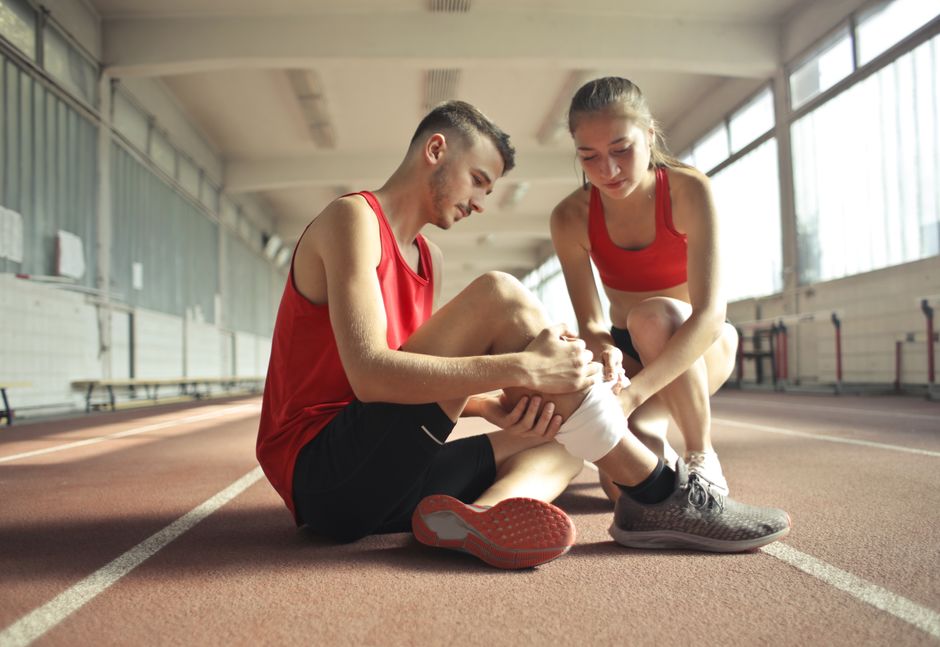
A sports injury is not just pain and an enforced break from training. It also means a demanding rehabilitation journey, which determines whether an athlete returns to full training without the injury recurring. Understanding each stage of recovery helps you avoid mistakes and shorten the time it takes to get back to sport.
- The acute phase after an injury lasts from a few hours to 3–5 days: the key things are rest, cold, compression and keeping the limb raised.
- Full rehabilitation takes from 2–3 weeks to 6–12 months, depending on the type of injury.
- A return to competitive training is allowed only after functional testing by a doctor.
- A good diet, physiotherapy and follow-up checks are essential parts of recovery, not optional extras.
- Which types of sports injury take the longest to recover from?
- What happens in the first hours after an injury?
- What is allowed and what is not in the first 2–3 days?
- How does the first week of rehabilitation go?
- What role does physiotherapy play in recovery?
- What diet supports tissue repair?
- When can you return to physical activity?
- Which follow-up checks are needed during rehabilitation?
- What complications are possible after treatment of sports injuries?
- When should you see a doctor urgently?
- How does recovery differ depending on where the injury is?
- When can you return to work after a sports injury?
- How can you prevent another sports injury?
- What role does psychological recovery play after a sports injury?
- How do you choose a clinic and a specialist for rehabilitation after a sports injury?
01Which types of sports injury take the longest to recover from?
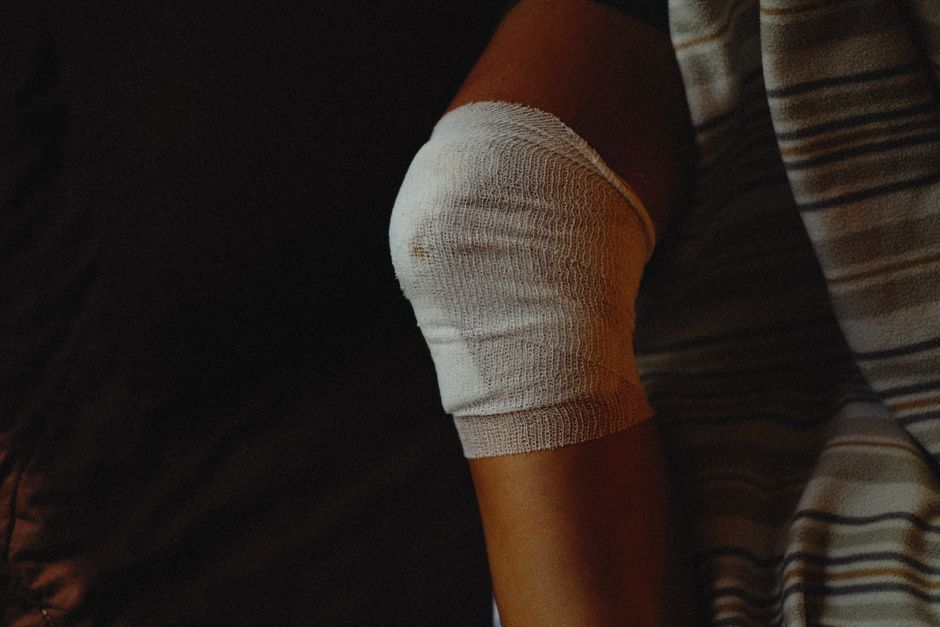
Recovery time varies considerably with the nature of the injury. A soft-tissue bruise or a mild ligament sprain heals in 10–14 days. A torn ligament, a fracture or a meniscus injury, on the other hand, requires months of focused work.
The longest recovery follows surgical treatment: anterior cruciate ligament reconstruction, shoulder surgery or knee arthroscopy. In these cases a return to sport takes from 6 to 12 months, even if rehabilitation goes perfectly.
Spinal injuries are a separate category. Compression fractures or herniated discs caused by overload require not only a long recovery but also a complete rethink of your training. A consultation with a spine specialist or neurosurgeon is essential before any rehabilitation programme begins.
You can find a detailed description of the methods and approaches used on the page about sports injury treatment with MediUkraine.
02What happens in the first hours after an injury?
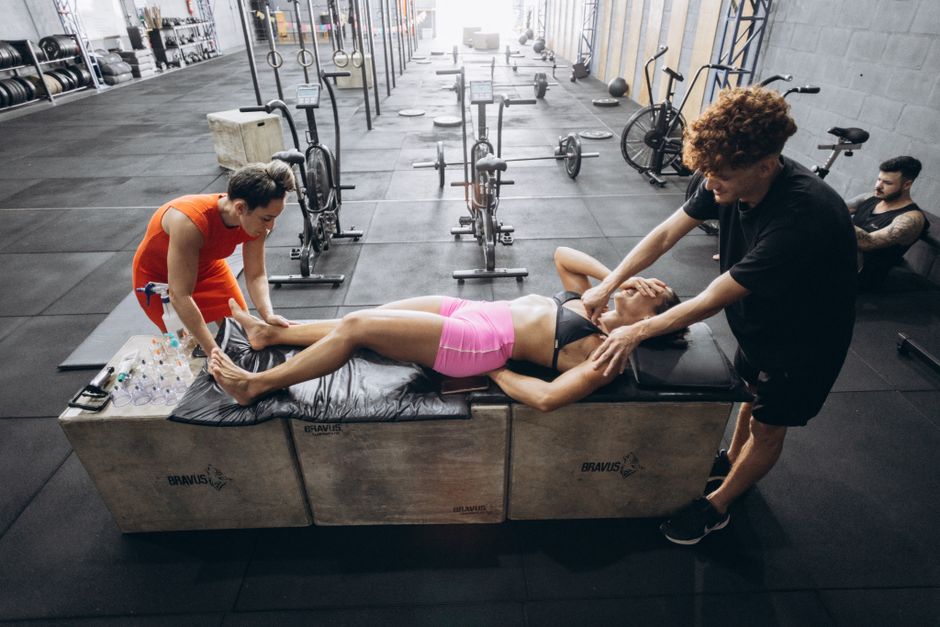
The first 1–3 hours after an injury are critical: this is when swelling forms and the inflammatory reaction begins. The wrong actions at this point, such as massage or applying heat, can significantly worsen the condition of the tissues and prolong recovery.
The standard first-aid approach is the RICE protocol: Rest, Ice, Compression, Elevation. Ice is applied through a cloth for 15–20 minutes every 2 hours. This reduces swelling and dulls pain without medication.
It is important to immobilise the limb, but not to bind it too tightly: impaired blood flow is more dangerous than no support at all. If a fracture, dislocation or tear is suspected, do not treat it yourself: you need an urgent consultation with a trauma specialist and imaging (X-ray, ultrasound or MRI).
Painkillers in the first hours, namely non-steroidal anti-inflammatory drugs (NSAIDs), may be justified, but only after a doctor’s advice. Some of them affect blood clotting, which matters if a haematoma is suspected.
Not sure which clinic to start with?
A MediUkraine coordinator will help you choose a clinic and a doctor for your case, free of charge.
03What is allowed and what is not in the first 2–3 days?
The first 48–72 hours are the acute inflammatory phase. The body responds to the injury with increased blood flow and swelling: this is a normal and necessary process. Your task is not to interfere with it and not to cause further damage to the tissues.
Strictly off limits: heat (a hot bath, sauna or hot-water bottle), alcohol, massage of the injured area, and putting load on the injured limb or joint. All of these increase swelling and the risk of bleeding into the tissues.
Allowed: cold compresses, elevation, light immobilisation and anti-inflammatory medicines prescribed by your doctor. If needed, crutches or a brace to take the load off the joint. Sleeping in a comfortable position that does not strain the injured area is also part of treatment.
If the swelling increases during the first two days, or numbness or pale skin appears, see a doctor without waiting for your scheduled appointment. Compartment syndrome, although rare, requires urgent surgery.
04How does the first week of rehabilitation go?
By day 3–5 the acute inflammatory reaction usually subsides and recovery moves into the subacute phase. The swelling gradually goes down, the pain becomes less intense, and the doctor can start the first rehabilitation measures.
At this stage physiotherapy is prescribed: ultrasound, magnetic therapy, laser therapy or electrical stimulation. These methods improve local blood flow, help the swelling resolve faster and stimulate tissue repair. A course usually consists of 7–10 sessions.
At the same time, passive exercises begin: smooth movements of the joint without weight-bearing. The aim is to maintain mobility and prevent a contracture (restricted movement caused by scarring). The rehabilitation specialist monitors the range of motion and does not allow painful movements.
In the first week it is also important to get your sleep back to normal and reduce stress. Your psychological state affects how fast you recover: patients with anxiety and insomnia heal more slowly than those who stay calm and stick to their regimen.
05What role does physiotherapy play in recovery?
Physiotherapy is the main tool of rehabilitation after sports injuries. It does not replace surgery or medication, but without it even a technically flawless operation will not give a full functional result.
Exercise therapy restores muscle strength, joint stability and coordination. The exercise programme starts with minimal load and becomes gradually more demanding as you progress. Trying to skip stages leads to a recurrence or a new injury.
Manual therapy and osteopathy may help with spinal and joint injuries by restoring mobility, relieving muscle spasm and normalising biomechanics. They should be performed only by a qualified specialist after imaging.
Hydrotherapy (exercise in water) is particularly useful at the intermediate stage: water reduces the load on the joint and lets you train your muscles before full weight-bearing is possible. This method is widely used in recovery after knee and hip injuries.
06What diet supports tissue repair?
Your diet during rehabilitation is not a weight-loss diet but a targeted supply of building material for your body. Repairing bones, ligaments and muscles requires enough protein, minerals and vitamins.
Protein is the key nutrient for recovery. The recommended amount during rehabilitation is 1.6–2.0 g per kilogram of body weight per day. Sources: poultry, fish, eggs, cheese and pulses. If your activity has dropped significantly, also keep an eye on your total calorie intake: overeating slows tissue repair and increases the inflammatory load.
Calcium and vitamin D are needed to repair bone tissue. Calcium is found in dairy products, almonds and leafy greens; vitamin D is produced in the skin under sunlight and also comes from oily fish. If you are deficient, your doctor may prescribe supplements.
Omega-3 fatty acids (fish oil, linseed oil) have an anti-inflammatory effect and may support recovery; ask your doctor whether taking them makes sense in your case.
Antioxidants such as vitamins C and E, zinc and selenium protect tissues from oxidative stress and support collagen synthesis. Berries, citrus fruit, nuts and seeds are natural sources of these substances that are easy to include in your daily diet without special supplements.
07When can you return to physical activity?
Returning to training is a step-by-step process, not the moment when “it stopped hurting”. The absence of pain does not mean the tissues have fully recovered: for example, ligaments regain 80–90% of their original strength only 6–12 months after a tear, even if the joint seems to work normally.
The first step is pain-free everyday activity: walking, climbing stairs and ordinary movements. The second step is light aerobic exercise (swimming, cycling on flat ground). The third step is sport-specific exercises under the supervision of a rehabilitation coach.
The criteria for returning to full training are: no pain under load, a full range of motion in the joint, muscle strength of at least 90% of the healthy limb, and normal coordination and balance. All of these are checked at a follow-up appointment.
Deciding on your own that “it’s fine now” without medical clearance is the most common cause of recurrence. A repeat injury to the same structure heals much less easily and often needs surgery.
08Which follow-up checks are needed during rehabilitation?
Rehabilitation without monitoring is like moving blindfolded. Regular checks make it possible to adjust the programme in time, detect complications and assess progress objectively. The schedule of follow-up visits depends on the type of injury and the chosen treatment.
With conservative treatment, check-ups are usually scheduled 1, 3 and 6 weeks after the injury, and then monthly until full recovery. After surgery they are more frequent: on day 2 after the operation, after 2 weeks (removal of stitches), after 6 weeks, and at 3 and 6 months.
Investigations at follow-up visits: X-rays to monitor bone healing; ultrasound to assess ligaments and tendons; MRI if a complication is suspected or progress is insufficient. Which tests are needed is decided by the doctor, not the patient.
It is important not to skip scheduled checks even when “everything is fine”. Complications that develop without symptoms are not unusual in sports traumatology. Early diagnosis is always simpler and more effective than treating an advanced problem.
09What complications are possible after treatment of sports injuries?
Complications after treatment of sports injuries are not rare, especially if the patient broke the regimen, rushed back into training or ignored follow-up checks. Knowing the possible problems helps you recognise them in time.
Complications after conservative treatment
The most common are chronic joint instability (if the ligaments have not fully healed), post-traumatic osteoarthritis, contractures (restricted mobility due to scarring), chronic pain and synovitis. These conditions develop gradually and are not always obvious at an early stage.
Complications after surgical treatment
Specific complications include infection of the wound or joint (septic arthritis), deep vein thrombosis (especially after operations on the legs), graft failure or breakage of metal implants, and complex regional pain syndrome, a rare but difficult condition with persistent pain and swelling.
Deep vein thrombosis is one of the most dangerous complications after limb surgery. Anticoagulants and compression stockings are prescribed to prevent it. Do not stop these measures on your own: any change only as agreed with the doctor who prescribed them.
10When should you see a doctor urgently?
Most patients go through rehabilitation without serious complications. But there are symptoms that need urgent medical attention, and it is important to know them and not ignore them in the hope that they will “go away on their own”.
See a doctor or call an ambulance if you notice: a sharp increase in pain after several days of improvement; significant, increasing swelling; redness, local warmth and throbbing pain (signs of infection); numbness or tingling in the limb; or a temperature above 38°C after an operation.
After operations on the legs, sudden pain in the calf, swelling of the lower leg or shortness of breath are especially dangerous: these may be signs of deep vein thrombosis and pulmonary embolism. In this case you need immediate hospital admission.
Remember a simple rule: if something suddenly changes for the worse, call your doctor without waiting for your scheduled check. It is better to check once too often than to miss a serious complication.
11How does recovery differ depending on where the injury is?
The location of the injury has a major effect on the approach to rehabilitation and how long it takes. There is no one-size-fits-all approach: each joint and each structure recovers in its own way.
Knee injuries
The knee is the most frequently injured structure in sport. After an anterior cruciate ligament (ACL) tear or meniscus surgery, rehabilitation takes from 4 to 12 months. Particular attention is paid to strengthening the quadriceps and to proprioception, the sense of where the joint is in space.
Shoulder and rotator cuff injuries
The rotator cuff is vulnerable in swimmers, tennis players and throwers. After surgery the joint is immobilised for 4–6 weeks, and then mobility and strength are gradually restored. Full recovery for strength sports takes 9–12 months.
Ankle and Achilles tendon injuries
An Achilles tendon rupture is one of the most serious injuries in runners and team sports. After surgery or conservative treatment, the patient walks in a special boot for about 8 weeks. A return to running is possible no earlier than 6 months after the start of treatment.
12When can you return to work after a sports injury?
When you can return to work depends not only on the injury but also on the nature of your job. Desk work at a computer and physical work or long periods of standing are fundamentally different situations.
With an arm or shoulder injury, an office worker can return to remote work within 1–2 weeks if the injury is not complex. With leg injuries, it is mostly 2–6 weeks, depending on your ability to get around.
Physical work that involves lifting, prolonged standing or working at height resumes much later, usually only after formal clearance from your doctor. Rushing back in this situation can lead to a workplace injury or a recurrence.
Your doctor will provide a medical certificate or discharge summary with recommendations on any restrictions, which you can share with your employer.
13How can you prevent another sports injury?
Repeat injuries happen more often than first ones, especially if the patient returned to training without full recovery or without addressing the underlying causes. Preventing recurrence is as important as the treatment itself.
Key preventive measures: a programme to strengthen the stabilising muscles of the joint, correcting your movement technique with a coach, a proper warm-up and cool-down, and choosing the right sports footwear and protective equipment. None of these is excessive: together they form reliable protection.
Proprioceptive training, that is, special balance exercises, significantly lowers the risk of another ankle or knee sprain. Research supports its effectiveness: regular training has been reported to reduce recurrence by 50–60%.
It is also important to review your training load: excessive volume, no recovery days and ignoring fatigue are the leading factors in overuse injuries. Progress in sport comes from the optimal load, not the maximum one.
14What role does psychological recovery play after a sports injury?
The psychological side of rehabilitation is often underestimated, and wrongly so. A long enforced break, fear of re-injury and feeling cut off from your team or competitions can significantly slow recovery and reduce its quality.
Fear of re-injury is one of the most common psychological barriers. Athletes who have not worked through this fear unconsciously avoid certain movements, which worsens their biomechanics and increases the risk of a new injury. A sports psychologist or psychotherapist can help a great deal at this stage.
Positive motivation and clear short-term goals (“today, 20 more steps than yesterday”) support discipline and give a sense of progress. A rehabilitation diary or a mobile app to track your results are simple but effective tools.
Staying in touch with your team and coach during recovery maintains a sense of belonging and lowers the risk of depression. Isolation and distance from your usual sporting environment have a negative effect on motivation and the pace of rehabilitation.
15How do you choose a clinic and a specialist for rehabilitation after a sports injury?
The quality of the rehabilitation team is as important to success as the treatment itself. The ideal team includes an orthopaedic trauma surgeon, a rehabilitation physician or physiotherapist, an exercise therapist and, if needed, a sports psychologist.
When choosing a clinic, look at whether it has the facilities needed for rehabilitation, whether its specialists have experience specifically in sports traumatology, and whether recovery programmes are tailored to each patient rather than following a standard protocol for everyone.
Ask whether functional testing is carried out before you are cleared for sport: this shows that the clinic cares not only about formal “healing” but about your real readiness for training. The absence of such testing is a warning sign.
Also pay attention to communication: can you reach the doctor between visits if your condition gets worse? A good clinic gives you a way to contact your treating specialist urgently throughout the rehabilitation course.
MediUkraine can arrange a consultation with sports trauma and rehabilitation specialists at our partner clinic, EXPERT medical network in Uzhhorod, and support you throughout treatment, from the first consultation to your return to sport. The clinic’s team communicates with international patients in English.
16Frequently asked questions
How long does recovery from a torn knee ligament take?+
Depending on the severity of the tear and the treatment method, from 2–3 months for a partial tear treated conservatively to 9–12 months after anterior cruciate ligament reconstruction.
Can I do sport during rehabilitation?+
Limited physical activity is not only allowed but necessary, though strictly within your individual rehabilitation programme. Full sporting activity is resumed in stages and only after medical clearance.
How do I know that recovery is complete and I can return to competition?+
The criterion is not the absence of pain but the results of functional testing: a full range of motion, symmetrical muscle strength and normal coordination. The decision is made by the doctor on the basis of objective data.
Do I need to take supplements during rehabilitation after a sports injury?+
Whether you need supplements is decided individually. Vitamin D, calcium and omega-3 fatty acids are most often justified, but only after a deficiency has been confirmed by tests or on your doctor’s prescription.




