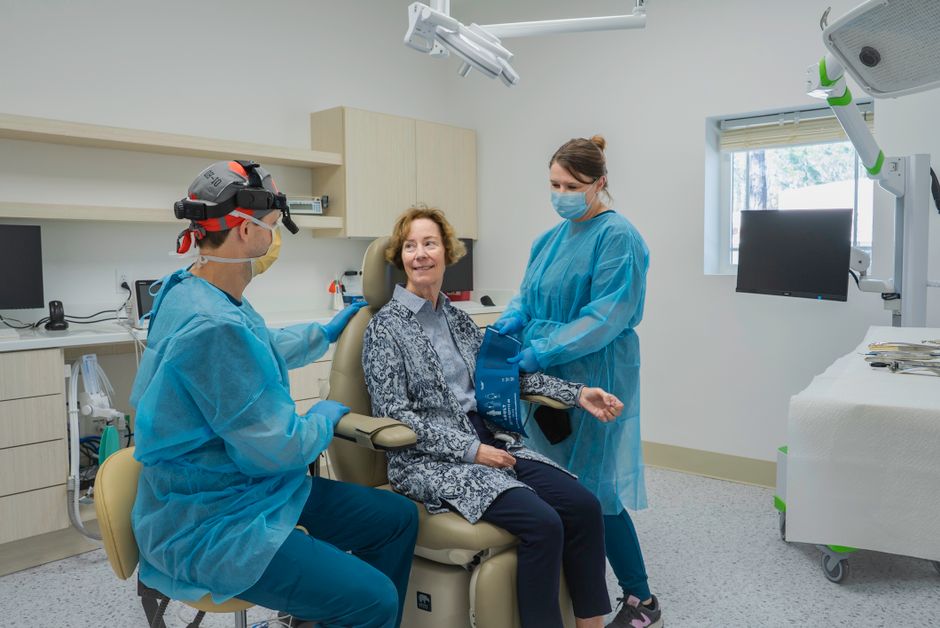
Straumann dental implants are a reliable way to restore the function and appearance of your smile. However, any surgery in the mouth needs a well-managed recovery. How closely you follow your dentist’s advice affects how fast you heal and how long the result lasts.
- The first 72 hours are the most critical period: keep any load on the implant site to a minimum.
- Full osseointegration of the implant takes 3 to 6 months, depending on the condition of the bone.
- Diet, hygiene and not smoking are the three key factors in a successful recovery.
- Follow-up visits are essential even if you have no complaints.
- What happens in the first hours after surgery?
- The first 24–72 hours: the most important stage
- The first week after implant placement: what to watch for
- Eating after implant placement: what is allowed and what is not?
- How to care for the implant area
- Osseointegration: what is it and how long does it take?
- Physical activity and sport after implant placement: when can you return?
- When can you go back to work?
- Smoking and implants: why it matters so much
- Possible complications after implant placement and their causes
- When to see a dentist immediately
- Follow-up visits: when and why?
- Getting used to the implant and how it feels in your mouth
- Long-term care: how to keep the result for years
01What happens in the first hours after surgery?
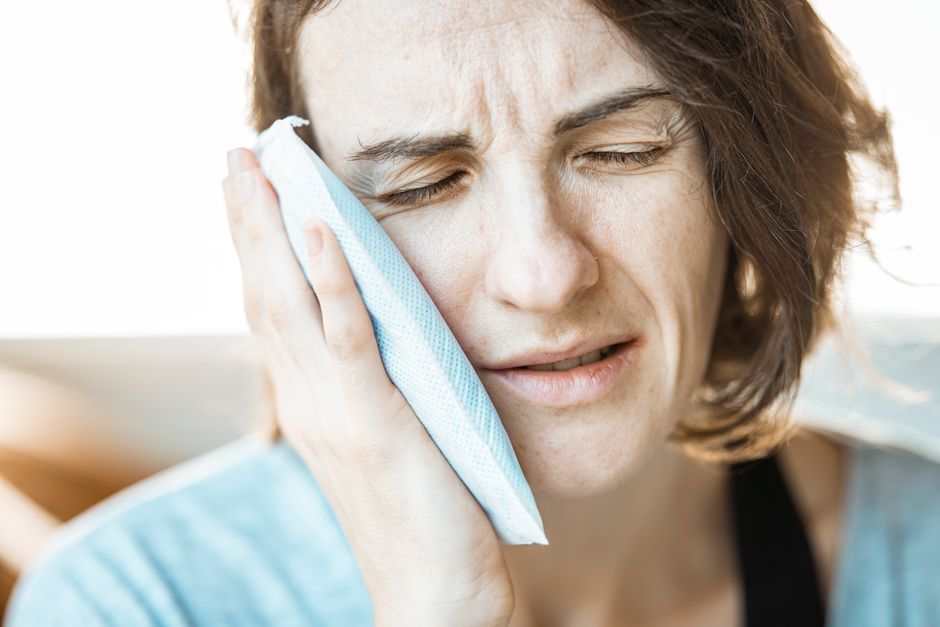
Straight after implant placement, you are still under local anaesthetic. During this time, take care not to injure the soft tissues and avoid food and drink until feeling has fully returned — usually 2–3 hours.
In the first 4–6 hours, there may be slight bleeding from the incision. This is a normal tissue reaction to surgery. The dentist places a gauze pad, which you need to hold in place by biting on it for 30–40 minutes.
Be prepared for some discomfort: once the anaesthetic wears off, a dull ache, swelling and a feeling of pressure appear. Take the prescribed painkillers on the schedule your dentist gives you — do not wait until the pain becomes unbearable.
In the first hours, avoid vigorous movement, sudden bending forward and lifting heavy things. Your blood pressure should not rise, as this increases the risk of bleeding and swelling.
02The first 24–72 hours: the most important stage
The first three days after implant placement are the most important period of healing. This is when the initial blood clot forms in the site; it protects the bone from infection and is the basis for later osseointegration.
Swelling may increase at this stage and peak on the second day. This is physiologically normal. Applying cold (through fabric, for 15 minutes at a time with breaks) helps reduce swelling and pain in the first 12–24 hours.
Do not rinse your mouth vigorously, spit or drink through a straw — all of these can disturb the clot. If your dentist has prescribed antiseptic rinses, use them gently: take the liquid into your mouth and let it flow out, without moving your jaw.
During this period, also avoid hot baths, saunas, exercise and alcohol. They dilate the blood vessels, which increases the risk of bleeding and slows the healing of the tissues around the implant.
Not sure which clinic to start with?
A MediUkraine coordinator will help you choose a clinic and a doctor for your case, free of charge.
03The first week after implant placement: what to watch for
From the fourth to the seventh day, most patients notice that swelling and pain gradually ease. The gums start to regain their normal pink colour, and the stitches (if placed) stay in and do not cause discomfort with proper care.
Oral hygiene is a priority at this time. Brush with a soft toothbrush, carefully avoiding the implant area. Put interdental brushes and floss in the surgical area on hold until your dentist allows them.
If antibiotics were prescribed, finish the full course — even if you feel much better. Stopping is only done as agreed with the doctor who prescribed them. Stopping antibiotics too early increases the risk of bacterial resistance and infection.
At the end of the first week, the stitches are usually removed by the dentist at a scheduled check-up. After that, you will feel noticeable relief and can gradually widen your diet and return to your normal routine.
04Eating after implant placement: what is allowed and what is not?
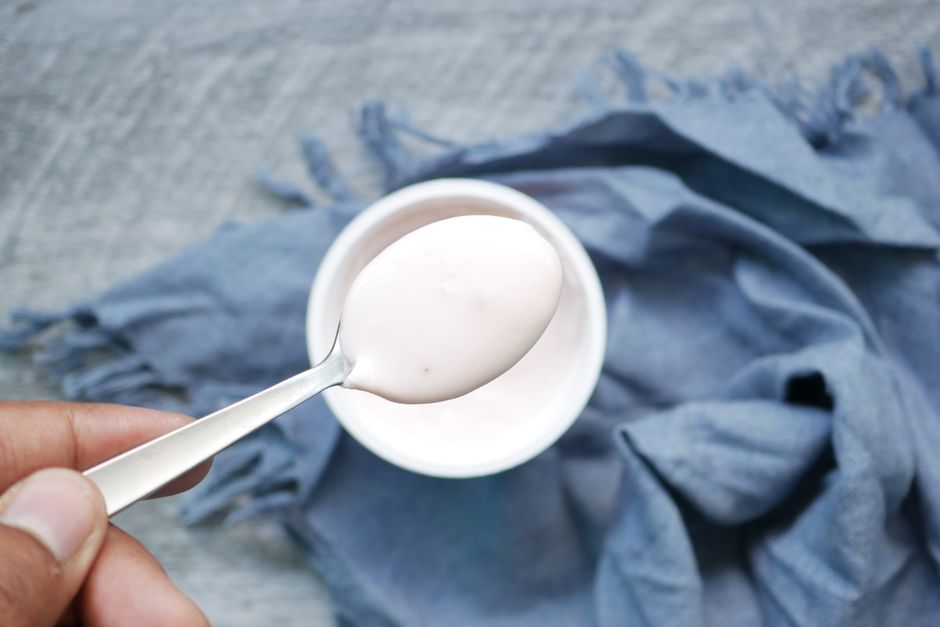
The right diet after implant placement directly affects healing. For the first 2–3 days, only soft, liquid or puréed food at room temperature is allowed: yoghurt, purées, broths, porridge and smoothies without hard bits.
Hard food, rusks, nuts, dried meat, tough vegetables and raw fruit are off-limits for at least 4–6 weeks after surgery. Mechanical load on the implant during this period can disturb its primary stability and lead to implant failure.
Spicy, acidic and very salty food irritates the gums and slows healing. Very hot and very cold food are also best avoided: sudden temperature changes cause the blood vessels to dilate and can disturb circulation in the surgical area.
Alcohol in any amount reduces the effectiveness of antibiotics, slows tissue repair and increases the risk of inflammation. Avoiding alcohol for at least 2 weeks is not a suggestion but a medical requirement.
05How to care for the implant area
Hygiene is the key to preventing peri-implantitis (inflammation of the tissues around the implant). You can start gently cleaning the gums in the surgical area from the second day after surgery — with a special ultra-soft toothbrush and no pressure.
Chlorhexidine-based antiseptic mouthwashes are prescribed for most patients. They are used twice a day for 7–10 days. Note that long-term use of chlorhexidine can stain the teeth, so once the course is over it is worth switching to a mild alcohol-free mouthwash.
A water flosser is a useful tool for cleaning around implants, but in the first month after surgery it should be used on the lowest pressure and only with your dentist’s permission. Too strong a jet can damage the gum margin.
Your toothpaste should not contain abrasive particles, whitening agents or high concentrations of sodium lauryl sulphate. The best choice is a gentle fluoride toothpaste designed for sensitive gums or implants.
06Osseointegration: what is it and how long does it take?
Osseointegration is the process by which the titanium post of the implant fuses with the jawbone. The long-term success of the whole restoration — the crown, the abutment and the implant itself — depends on this process.
Osseointegration of Straumann implants usually takes 6 to 12 weeks in the lower jaw and 12 to 24 weeks in the upper jaw, where the bone is less dense. If there is a lack of bone and bone grafting is needed, it can take longer.
Osseointegration is affected by your immune system, systemic conditions (diabetes, osteoporosis), smoking and the quality of the implant’s primary stability. You can find out more on our Straumann dental implants page.
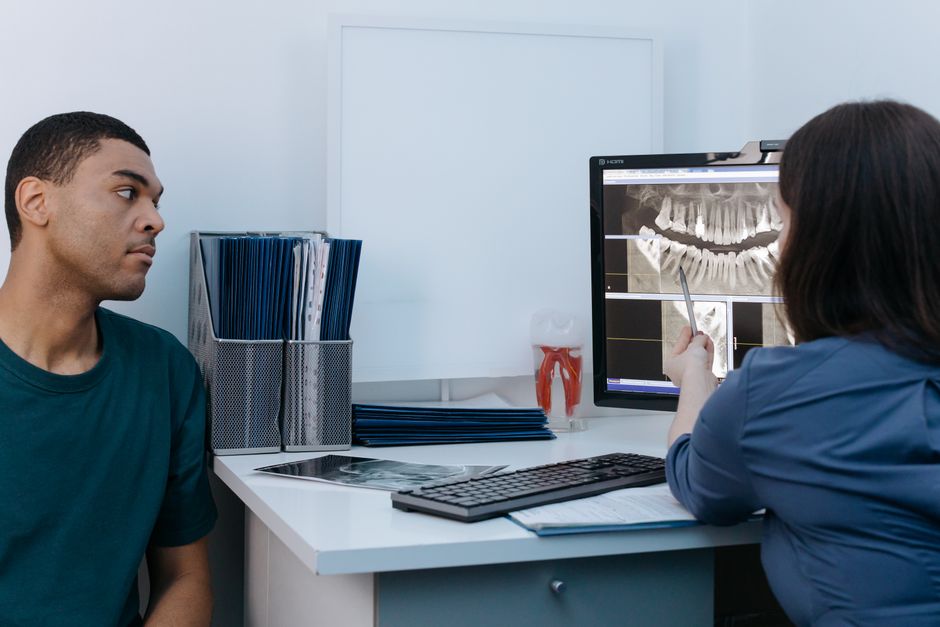
During this period, your dentist may order a repeat X-ray or cone-beam CT scan to assess how well the implant is fusing. Do not skip these scans even if you have no complaints — they make it possible to detect hidden problems at an early stage.
07Physical activity and sport after implant placement: when can you return?
For the first 3–5 days after surgery, keep physical activity to a minimum. Even brisk walking and climbing stairs are best limited. Raised blood pressure during exertion increases swelling and the risk of bleeding.
Gentle walks in the fresh air can be resumed 5–7 days after surgery, if you feel well and there are no signs of inflammation. Walking at a moderate pace does not increase the risks and even helps your body recover.
Strength training, contact sports, swimming in pools or open water, and yoga poses in which your head is below the level of your heart should all be put off for at least 4 weeks. After that, your dentist decides when you can return to sport based on an examination.
Extreme exertion and contact team sports with a risk of a blow to the face should be limited for the whole osseointegration period. Even a minor blow can affect the stability of the implant, leading to complications or repeat surgery.
08When can you go back to work?
Most patients with desk-based jobs can return to the office on day 2–3 after surgery. If discomfort is still considerable, it is sensible to take 3–5 days off.
Work that involves physical exertion, standing for long periods, or contact with dust, chemicals or high temperatures requires a longer recovery — at least 7–10 days.
Stress and nervous strain directly affect your immunity and healing. If possible, spend the first days after surgery at a calm pace, with enough sleep and without excessive emotional pressure.
Public speaking or a lot of talking in the first days may be uncomfortable — swelling makes it harder to articulate. This is temporary and usually passes by the end of the first week. If difficulty speaking lasts longer, tell your dentist.
09Smoking and implants: why it matters so much
Smoking is one of the most significant risk factors for implant failure. Nicotine constricts blood vessels, reduces the blood supply to the tissues and lowers oxygen levels — and oxygen is essential for osseointegration and gum healing.
Studies show that implants fail 2–3 times more often in smokers than in non-smokers. The risk rises with the number of cigarettes and the number of years you have smoked.
The minimum recommendation is not to smoke for at least 2 weeks before surgery and 2 months after it. However, doctors agree that stopping completely until osseointegration is finished considerably improves the chances of success and of a long-lasting result.
E-cigarettes and vaping are not a safe alternative. The aerosols also irritate the gums, and nicotine affects the blood vessels in the same way as ordinary cigarettes. This applies equally to any product containing nicotine.
10Possible complications after implant placement and their causes
Complications after Straumann implant placement are rare when the recommendations are followed, but it is worth knowing about them. The most common are inflammation of the tissues around the implant (peri-implantitis), delayed healing, wound opening and failed osseointegration.
Peri-implantitis is caused by bacterial plaque building up on the implant surface when hygiene is inadequate. Symptoms are red gums, bleeding, pain when pressed and a feeling that the implant is loose. Left untreated, it can lead to loss of the implant.
Delayed healing is more common in patients with diabetes or autoimmune conditions, or after courses of corticosteroids. In such cases, your dentist adjusts the recovery plan individually, and osseointegration may take longer.
Paraesthesia (numbness of the lower lip or chin) is a relatively rare complication of implant placement in the lower jaw, related to how close the inferior alveolar nerve is. It usually resolves on its own within a few weeks, but it must be monitored by a doctor.
11When to see a dentist immediately
Some symptoms require you to contact your implant dentist immediately, without waiting for a scheduled check-up. Every patient should know them so as not to lose time.
Contact your dentist without delay if you have:
- Bleeding that does not stop: if bleeding from the implant site continues for more than 1–2 hours despite pressure with a gauze pad, seek help immediately.
- Increasing pain: if pain does not ease but gets worse after day 3–4 and is not relieved by the prescribed medicines.
- High temperature: a body temperature above 38°C on day 2–3 after surgery may indicate an infection.
- A loose implant: even a slight feeling that the implant is “wobbling” is a warning sign and needs prompt assessment by your dentist.
Do not treat yourself or wait for symptoms to pass on their own. Early diagnosis of complications makes it possible to save the implant and avoid repeat surgery.
If you have sharp pain, swelling that has not gone down after 72 hours, or you notice that the implant is loose, do not wait for your next appointment — call the clinic straight away.
12Follow-up visits: when and why?
Scheduled check-ups after implant placement are an integral part of the treatment protocol. The first follow-up is usually 7–10 days after surgery, to remove the stitches and assess healing.
The second check-up is after 1 month. The dentist checks the gums, assesses the implant’s stability and, if necessary, adjusts the recovery plan. An X-ray may also be taken at this stage.
Once osseointegration is complete (3–6 months), a final check is carried out before the permanent crown is fitted. This is a key moment in treatment: the final restoration is made and fixed only after successful fusion has been confirmed.
After that, preventive check-ups are recommended every 6 months — as for natural teeth. They make it possible to spot early signs of peri-implantitis and assess the crown and surrounding tissues, keeping the result for many years.
13Getting used to the implant and how it feels in your mouth
After a temporary or permanent crown is fitted on the implant, patients often notice an uncomfortable “foreign body” sensation in the mouth. This is an entirely normal reaction of the nerve receptors and lasts from a few days to a few weeks.
Your tongue, salivary glands and chewing muscles go through a period of adapting to the new restoration. The way you pronounce certain sounds may change temporarily — especially if several implants or an implant-supported bridge have been placed at the front of the mouth.
Mild discomfort when chewing during the first month is acceptable if it is not painful and gradually eases. If the new tooth noticeably “gets in the way” of your bite or hits the opposing teeth too hard, see your dentist to have the bite adjusted.
Most patients get completely used to the implant within 4–8 weeks. After the recovery period, the artificial tooth feels like your own and needs no restrictions on chewing.
14Long-term care: how to keep the result for years
Straumann implants are designed for long-term use — with proper care they can last for decades. But that does not mean you can forget about them once recovery is over.
Daily hygiene needs to be thorough: brushing twice a day and using a water flosser, interdental brushes and soft floss around the abutment. Bacterial plaque on the crown surface and in the gum pocket is the main cause of peri-implantitis in the long term.
Professional cleaning at the dentist every 6 months is essential even if your home hygiene is excellent. The hygienist cleans hard-to-reach areas and checks the gums around the implant with instruments you do not have at home.
Avoid chewing ice cubes, opening bottles with your teeth and putting excessive load on the crown with hard objects. If you have bruxism (grinding your teeth at night), be sure to tell your dentist: a night guard will protect both the implant and your natural teeth from excessive mechanical load.
MediUkraine can arrange Straumann dental implants at our partner dental clinic, Vidnova in Lviv, and help organise your treatment. The clinic’s team communicates with international patients in English.
Related services: Straumann Dental Implants in Ukraine · Dental Implants Under Sedation in Ukraine · Dental Implants in Ukraine
15Frequently asked questions
How long does full recovery after Straumann implant placement take?+
The soft tissues heal initially within 7–14 days. Full osseointegration — fusion of the implant with the bone — takes 3 to 6 months, depending on the condition of the bone and your individual healing.
Does it hurt after a dental implant, and for how long?+
Moderate pain and swelling for the first 2–4 days are normal. The prescribed painkillers control this effectively. If the pain gets worse after the third day or is not relieved by medication, see your dentist.
When can I eat normally after implant placement?+
A soft diet is followed for at least 4–6 weeks after surgery. A return to your usual diet, including hard food, is possible once osseointegration has been confirmed — usually after 3–4 months, once the permanent crown has been fitted.
Can I exercise after a dental implant?+
Gentle walking is allowed after 5–7 days. Strength training, swimming and contact sports can be resumed no earlier than 4 weeks later, and your dentist decides individually when you can return to intensive exercise.