Treating tooth decay is one of the most common dental procedures, and millions of people have it every year. Although the treatment is relatively simple, your tooth still needs time to settle after a filling. Knowing what to expect in the first hours and days afterwards helps you avoid complications and keep the result for years.
- Sensitivity and mild discomfort after a filling are normal and pass within 3–7 days.
- It is best to avoid hard, cold and hot food for the first 24–48 hours.
- A light-cured composite filling sets within a few hours; an amalgam filling needs 24 hours for initial setting.
- If the pain gets worse or lasts more than a week, see your dentist.
- What happens to the tooth straight after treatment?
- How long do different types of fillings take to set?
- Eating in the first 24 hours: what is allowed and what is not?
- Eating during the first week after treatment
- Pain and sensitivity: when is it normal?
- Oral hygiene after a filling
- Physical activity and sport: when can you return?
- Returning to work after treatment for tooth decay
- Follow-up appointments: when and why?
- Possible complications after treatment for tooth decay
- When should you see a dentist urgently?
- The emotional side of recovery: how to avoid dental phobia
- How long does a filling last, and what affects its lifespan?
- Preventing decay from coming back after treatment
- Recovery in children
01What happens to the tooth straight after treatment?

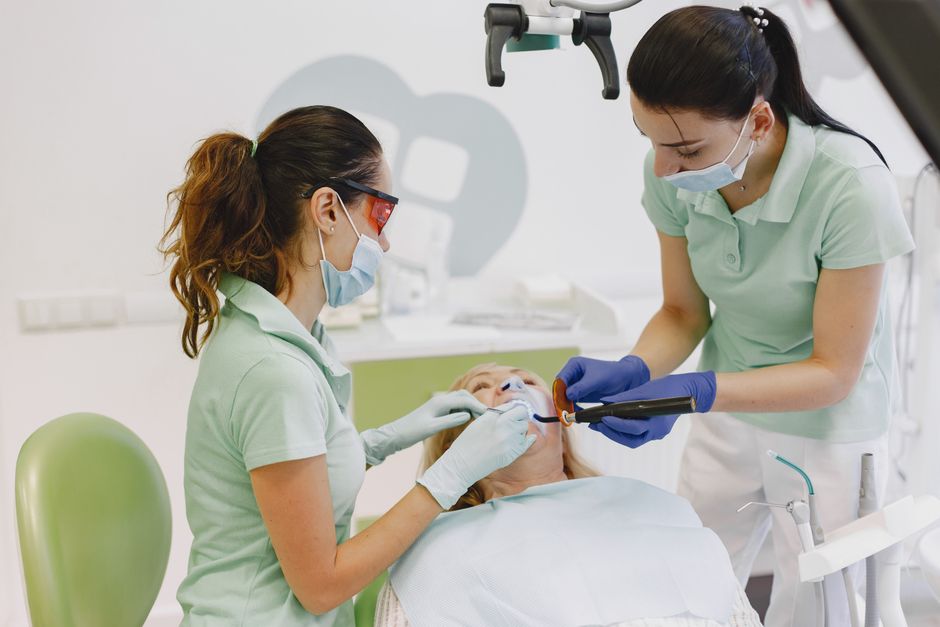
When treating decay, the dentist removes the affected tooth tissue, cleans the cavity and places a filling. For most patients this involves a local anaesthetic, which continues to affect sensation for 1–3 hours after the appointment. Take particular care during this time.
As the anaesthetic wears off, the treated area becomes naturally sensitive. The gum around the tooth may be slightly irritated, and the tooth itself may react more strongly than usual to hot and cold. This is a normal response, not a sign that the dentist has made a mistake.
The first 2–3 hours after treatment are the most vulnerable time. Depending on the material, the filling has not yet reached its final strength, and the tooth is still adjusting to it. The wrong actions during this period can affect how well the edges of the filling seal or cause tenderness.
It is worth remembering that a feeling of an “extra” tooth or an uneven bite straight after a filling is quite common. It results from tissue swelling and temporary changes in how your teeth meet. The feeling usually settles on its own within a day.
02How long do different types of fillings take to set?
Recovery time depends directly on the material your dentist used. Modern dentistry offers several options, and each sets in its own way.
- Light-cured (composite) fillings: harden during the procedure under a special blue curing light. The filling is functionally strong 1–2 hours after the appointment, although final curing of the material continues until the end of the day.
- Glass ionomer fillings: reach initial strength in 20–30 minutes, but complete chemical setting takes 24 hours. This material also releases fluoride, which benefits the tooth tissue.
- Amalgam fillings: less common in modern practice but still used. They need 24 hours for initial setting and up to 72 hours to set fully. During this time, keep chewing pressure on the treated tooth to a minimum.
- Ceramic restorations and inlays: made in a laboratory and bonded with adhesive cement; they can take full chewing pressure a few hours after bonding.
In any case, your dentist will tell you after the procedure which material was used and how to treat the filling in the first hours.
Not sure which clinic to start with?
A MediUkraine coordinator will help you choose a clinic and a doctor for your case, free of charge.
03Eating in the first 24 hours: what is allowed and what is not?
Dietary restrictions after treatment for decay are short-term but important. Following them directly affects how well the filling bonds and how long it lasts.
It is best not to eat at all for the first two hours after treatment, mainly because of the anaesthetic. A numb cheek or tongue makes it easy to bite your soft tissues without feeling it. Start eating only once sensation has fully returned.
For the first 24 hours, avoid very hard food (nuts, crackers, tough meat), sticky and chewy food (toffee, chewy sweets), and very hot or ice-cold food and drinks. Acidic foods such as citrus juices, vinegar and pickles are also best avoided, as they can irritate the treated tissues.
The best choice on the first day is soft, warm food: yoghurt, puréed soups, porridge, boiled vegetables and soft fish. Chew mainly on the side opposite the treated tooth. From the second day, if there is no pain or discomfort, you can gradually return to your usual diet.
04Eating during the first week after treatment
After the first day the restrictions become less strict, but it is too early to drop them altogether. The tooth and surrounding tissues are still adjusting, so keep your diet moderate for a few more days.
By day 2–3, most patients can return to their usual diet by following a few simple rules: avoid very tough food, do not bite hard objects (pencils, nails, ice) and do not chew gum, which puts constant mechanical pressure on all the teeth and can deform the edge of a new filling.
It is best to limit dark drinks such as coffee, strong tea and red wine during the first week. Light-cured fillings are more prone to surface staining at this stage if your diet includes strong colourings. Later the filling material becomes less porous and the risk of staining falls.
Remember to drink enough, too: plenty of plain water supports normal saliva flow, and saliva naturally protects tooth enamel. You can drink room-temperature water freely from the first day.
05Pain and sensitivity: when is it normal?
One of the most common worries after treatment is pain. It is important to tell a normal reaction from a genuine warning sign, so that you do not panic unnecessarily but also do not miss a complication.
Normal sensitivity after treatment is a brief reaction to cold, heat or sweet things. It can last from a few days to two weeks, because the tooth’s pulp and dentine have reacted to drilling and the placement of the material. Over time the nerve “settles down” and the sensitivity disappears.
Mild discomfort when chewing in the first 2–3 days is also normal. The gum around the tooth may have been slightly injured by the clamp or matrix band the dentist used. These sensations pass on their own.
You should be concerned about constant throbbing pain without any trigger, pain that gets worse rather than easing after 3–5 days, or a feeling of pressure or “lifting” inside the tooth. These symptoms need another visit to the dentist, as the filling may need adjusting or the tooth may need deeper treatment.
06Oral hygiene after a filling
Looking after your teeth properly after treatment is just as important as following the dietary restrictions. Patients are often afraid to brush a filled tooth in case they “damage it”, so they skip or skimp on brushing. This is a mistake.
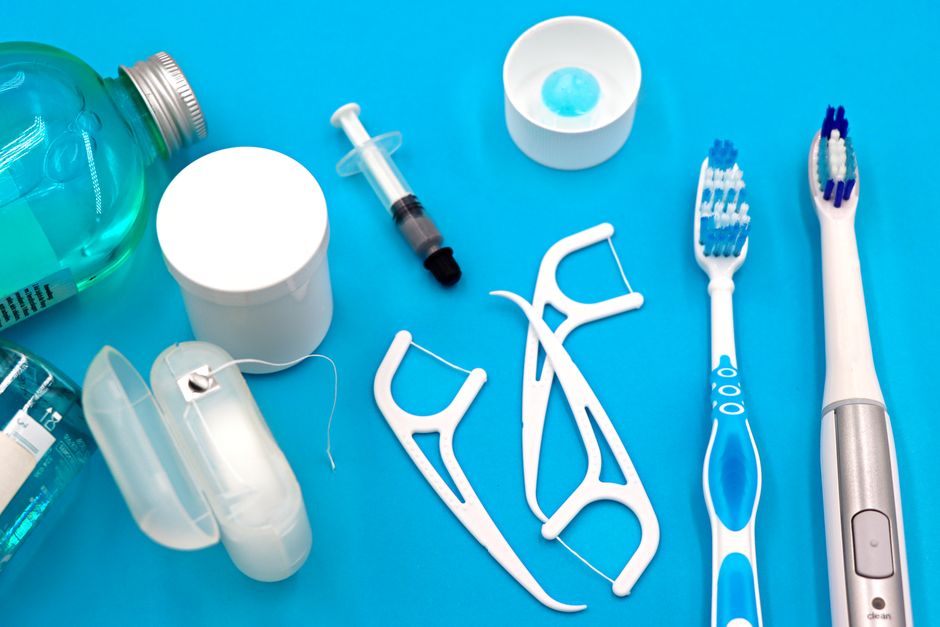
You can brush your teeth on the evening of the treatment day, but do it gently. A soft-bristled brush, minimal pressure around the filled tooth and smooth movements help keep your mouth clean without risking damage to the edges of the restoration.
Flossing around a new filling is also allowed on the first day, but insert the floss gently, sliding it between the teeth rather than snapping it in. A sawing motion can damage the contact point of the filling, especially if the restoration involves the surface between two teeth.
Alcohol-free mouthwashes can be used from the first day. They help reduce bacteria and soothe mild gum irritation. Mouthwashes containing alcohol are best put off for 3–5 days, as alcohol can irritate tissues that have not yet recovered from treatment.
07Physical activity and sport: when can you return?
Treating tooth decay is an outpatient procedure without general anaesthesia, so the physical restrictions afterwards are much less strict than after surgery. There are still a few recommendations, however.
On the day of treatment, it is best to avoid strenuous exercise. This is because of the lingering effect of the local anaesthetic and possible stress from the procedure. The adrenaline in the anaesthetic initially raises your pulse and blood pressure, and your body needs a short time to recover once it has cleared.
From the next day, most patients can return to their usual level of activity, including work, walks and moderate exercise. Contact sports and extreme exertion need to be postponed only if the gum is swollen or there is marked discomfort around the filled tooth.
Swimming in chlorinated pools is fine after treatment for decay. Chlorine at the concentrations used in pools does not affect the setting of modern filling materials. The general rule is that if you feel well and have no pain, you can resume your normal routine the next day.
08Returning to work after treatment for tooth decay
Unlike complex surgery, standard treatment for decay does not usually require time off work. The vast majority of patients return to office work or moderately physical work on the same day, as soon as the anaesthetic has worn off.
If your job involves a lot of talking or public speaking, bear in mind that your speech may be slightly unclear for 1–2 hours after the anaesthetic injection. Broadcasters, teachers, lawyers and salespeople may prefer to book an afternoon appointment, or a time when there are no important meetings.
Driving after a local anaesthetic is also fine, as it does not affect concentration or reflexes. However, if you feel very stressed or anxious after the procedure, wait 30–40 minutes before getting behind the wheel.
Overall, treatment for decay has very little impact on your daily schedule, which is why many people book dental appointments during their lunch break or before work. If several teeth were treated at once or the procedure turned out to be more extensive, your dentist may advise you to take a day to rest.
09Follow-up appointments: when and why?
Placing a filling is not the end of treatment for decay but its key stage. Follow-up appointments are an essential part of a full recovery and help to catch potential problems in time.
The first routine check after a filling is recommended 7–14 days later. The dentist checks how well the filling fits, assesses your bite and examines the gum around the tooth. If you feel that “something is in the way” when chewing, come in earlier rather than waiting for the scheduled date.
If the filled tooth feels “higher” than the others when you close your jaw, do not put off your visit: an uncorrected bite can lead to pain in the jaw joint and premature wear of the restoration.
After that, check-ups are recommended every 6 months, which is the standard in preventive dentistry. At these visits, the dentist assesses not only the filling but also the neighbouring teeth and gums, and carries out a professional clean. Regular monitoring makes it possible to detect new decay at an early stage, when treatment is still minimally invasive. You can find out more about the stages of the procedure on our tooth decay treatment service page.
10Possible complications after treatment for tooth decay
Treatment for tooth decay is a low-risk procedure. However, some unwanted effects can occur, especially if the recommendations were not followed or the decay was deep.
Secondary decay
This develops under or next to the filling if the seal at its edges has been compromised or oral hygiene has been poor. It can be detected only on an X-ray or during an examination with a dental probe. That is why regular check-ups are so important.
A filling falling out
This can happen because of excessive chewing pressure straight after placement, eating sticky food, or the cavity not having been dried sufficiently before filling. If a filling falls out, the tooth needs treatment again as soon as possible, as the open cavity quickly becomes contaminated and attacked by bacteria.
Pulpitis after deep decay
If the decay was close to the pulp, the pulp may become inflamed after the filling is placed; this is known as post-filling or reactive inflammation. Symptoms include increasing spontaneous pain and a painful reaction to heat. In this case, root canal treatment is needed.
Allergic reaction to the material
This is a very rare complication. It shows up as swelling of the gum or lining of the mouth around the filling, and itching. If you have a confirmed allergy to certain dental materials, be sure to tell your dentist before the procedure.
11When should you see a dentist urgently?
Most unpleasant sensations after treatment for decay are temporary and do not need emergency attention. But there are symptoms that make it risky to delay a return visit.
See your dentist straight away if: the pain does not subside and gets worse each day after treatment; you have throbbing or shooting pain without any obvious trigger; the pain spreads beyond the tooth to the jaw, ear or temple; or the gum around the filled tooth is swollen and red, or pus or a fistula (a small “spot” on the gum) has appeared.
Another warning sign is a feeling that the filling has “shifted” or that part of the restoration has chipped off. A sharp edge of the tooth or filling can injure your tongue and cheek. In this case, stop chewing on that side and visit the clinic as soon as possible.
An allergic reaction to the anaesthetic that appears after you get home (a skin rash, difficulty breathing, dizziness) is a reason to call an ambulance rather than wait for a dental appointment. Such reactions are rare but need immediate medical attention.
12The emotional side of recovery: how to avoid dental phobia
Stress before and during dental treatment is real and can affect how you feel afterwards. Patients with marked dental anxiety often feel more pain after treatment because of their heightened anxiety.
If your anxiety does not fade after treatment and the thought of future visits makes you afraid, talk openly to your dentist. Modern dentistry has many ways to make treatment more comfortable, from finer needles for the anaesthetic to sedation and support from a psychologist.
A positive attitude to the result also matters. A treated tooth means the infection has been removed, the tooth has been saved and the decay is prevented from spreading further. After the procedure, focus on this rather than on the unpleasant sensations, which are temporary.
For children, a positive experience of dental treatment is especially important. If your child coped well with the procedure, praise them and recognise their bravery. How parents behave after a child’s treatment for decay has a strong influence on whether the child will avoid the dentist as an adult.
13How long does a filling last, and what affects its lifespan?
One of the main questions after treatment is how long the filling will last. The answer depends on the material, how well it was placed and how you look after it afterwards.
With proper care, modern light-cured fillings last 7–12 years on average. Ceramic inlays and onlays last up to 15–20 years. Glass ionomer fillings have a shorter lifespan of 4–6 years but are widely used for temporary restorations and in children. Amalgam can last 15–20 years, but because of aesthetic and environmental restrictions it is used less and less.
The lifespan of a filling is strongly affected by the quality of your daily oral hygiene, how often you eat sugary and acidic foods, a habit of clenching or grinding your teeth (bruxism) and how regularly you have preventive check-ups. Patients with bruxism usually need extra protection in the form of a night guard made by the dentist.
Given all these factors, even a well-placed filling will eventually need replacing. This is not a sign of “poor” work by the dentist but the natural wear of the material. Replacing a restoration in good time prevents secondary decay and helps keep the tooth much longer.
14Preventing decay from coming back after treatment
A treated tooth can develop decay again. To prevent this, keep up a set of preventive measures after your filling, not as a one-off recommendation but as a permanent habit.
Brushing twice a day is the basic requirement, but technique matters just as much: move the brush from the gum towards the edge of the tooth, covering all surfaces. The spaces between teeth, where decay usually starts, need regular cleaning with floss or a water flosser.
Fluoride toothpastes strengthen enamel and make it more resistant to acid attack from bacteria. Your dentist may also recommend fluoride gels or varnishes applied during preventive visits, especially if your risk of decay is higher.
Diet also plays a key role. Sugar and rapidly digested carbohydrates are the main “fuel” for the bacteria that cause decay. Cutting down on snacks between meals and limiting sugary drinks considerably reduces the risk of new decay. Together with regular preventive check-ups, these measures are the most effective way to keep your teeth healthy for many years.
15Recovery in children
Treating decay in children has its own features, and recovery differs from that of adults. Baby teeth have a thinner layer of dentine and wider dentinal tubules, so sensitivity after treatment can be more pronounced, but it also usually passes more quickly.
Children often cannot describe pain or discomfort accurately. Parents should watch their child’s behaviour closely after treatment: refusing to chew on one side, irritability or disturbed sleep may indicate lingering discomfort. In that case, it is best to see a paediatric dentist for a check.
After the anaesthetic, a child may bite their numb cheek, lip or tongue without realising it; this is quite common. Parents should remind the child about the numbness and not leave them unsupervised for the first 1–2 hours after the procedure.
A child’s oral hygiene after a filling needs parental supervision. A soft children’s toothbrush, the right technique and encouragement to brush help the new filling last until the baby tooth is naturally replaced. Building the habit of regular tooth care from an early age is one of the most valuable things parents can do for their child’s health.
MediUkraine can arrange treatment for tooth decay at our partner clinic, Vidnova Dental Clinic in Lviv, and organise every stage of your care, from the first consultation to the follow-up check. The clinic’s team communicates with international patients in English.
Related services: Tooth Decay Treatment in Ukraine · Root Canal Treatment Under a Microscope in Ukraine · Periodontitis and Gum Disease Treatment in Ukraine
16Frequently asked questions
How many days does a tooth hurt after treatment for decay?+
Moderate sensitivity and mild discomfort are normal for 3–7 days after a filling. If the pain does not ease or gets worse after day 5, see your dentist for a check.
Can you drink coffee after a filling?+
It is best to avoid coffee and other dark drinks for the first 24–48 hours, especially if you have a light-cured filling. After that there are no restrictions, but drinking in moderation reduces the risk of staining the restoration.
Why does the tooth feel higher when chewing after a filling?+
This is a common result of tissue swelling and temporary changes in your bite after the procedure. If the feeling of an “extra” tooth does not pass within 1–2 days, see your dentist to have the filling polished down; this is a quick and painless adjustment.
When can you eat after treatment for tooth decay?+
You can eat once the anaesthetic has fully worn off, usually 1–2 hours after the procedure. For the first 24 hours, choose soft, warm food and chew on the side opposite the filled tooth.