
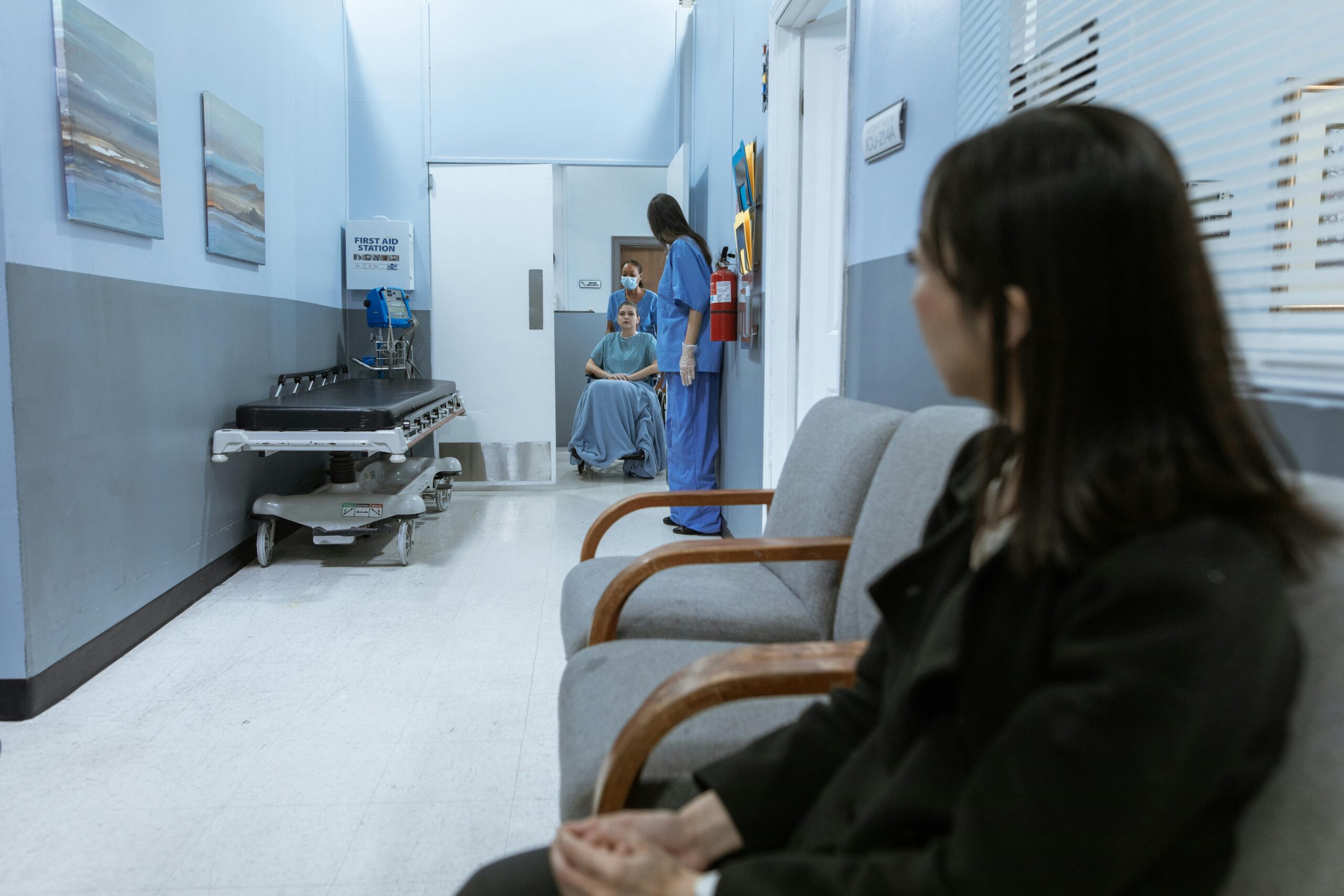
A medical decision is always a balance between quality, time and cost. When you are choosing between treatment in Ukraine and in an EU country, you are not facing a simple list of pros and cons but two different models of healthcare organisation. Ukraine offers fast access, transparent procedure costs and a flexible route, while the EU often appeals through the stability of its insurance mechanisms, a strict regulatory framework and an extensive system of post-operative care. To make a rational choice, it is important to understand how these models work in practice, in which cases each of them shows the best results and how to avoid unnecessary risks.
The first factor most patients look at is how quickly they can get care. In Ukraine the path from the first consultation to diagnostics, a case review and the procedure is usually shorter, because there are no long insurance waiting lists or multi-level approvals. This is critical in areas where every week affects the outlook — cancer surgery, orthopaedics with significant pain, reproductive medicine. In the EU, by contrast, the route is often extended by standardised but slow screening and resource allocation processes. Stability comes at the cost of waiting, which is not always appropriate for patients with active symptoms.
The second factor is the economics of treatment. Both models often use the same imported materials and technologies, but the costs surrounding a procedure differ. Operating costs in Ukraine — rent, energy, administrative overheads — are lower, so you pay less for the same content: operating time, the team’s work, materials, hospital stay and rehabilitation. In the EU, a significant share of the final bill comes from institutional costs and the insurance structure, which benefits residents but can make treatment financially burdensome for non-residents without local cover.
- Quality and standards: evidence versus bureaucracy
- Technology and processes: similar equipment, different logistics
- Costs and insurance: what you actually pay for
- When it makes more sense to go to Ukraine, and when to the EU
- MediUkraine’s role: reducing risks and speeding up the route
- Conclusion: rationality above all
01Quality and standards: evidence versus bureaucracy
Quality in modern medicine is not just about a clinic’s brand but about following evidence-based protocols, quality control and a multidisciplinary approach. Many Ukrainian private centres are adopting internationally recognised standards: ERAS (enhanced recovery after surgery) in surgery, a digital workflow from CBCT and intraoral scans to CAD/CAM in dentistry, careful surgical planning in orthopaedics, PGT-A and vitrification in reproductive medicine. The key difference is flexibility: Ukrainian teams can adapt a protocol to an individual case more quickly while staying within safety limits and evidence-based practice.
In EU countries standards are just as high, but they are firmly built into the system of insurance requirements and state oversight. This ensures uniformity and rules out “subjective improvisation”, but it can sometimes slow the process down and reduce the range of individual solutions. For complex comorbidities or rare conditions, this uniformity can be a benefit, but for routine tasks — orthopaedic reconstructions, dental implants, planned laparoscopies — excessive regulation can lengthen the route without necessarily improving the final quality.
When assessing quality, it is worth looking at the involvement of the whole team. In leading Ukrainian centres, multidisciplinary case reviews are common: a surgeon, anaesthetist, cardiologist, radiologist and rehabilitation specialist draw up a roadmap with measurable goals. In the EU this approach is also standard, but it is often tied to fixed slots and waiting lists between departments, which pushes back the start of treatment. The difference between the models is not whether standards exist but how quickly they are put into practice.
02Technology and processes: similar equipment, different logistics
Leading centres in Ukraine and the EU often have comparable technology. The difference lies in how these tools are built into the process. In Ukraine you are more likely to get a “compact” route: a day of diagnostics, a day for the case review and the nearest available operating slot, with clear instructions on preparation and early recovery. In the EU, technology can sometimes get lost in a bureaucratic chain of approvals, and you may feel the inertia of the system where you expected momentum.
Digital dentistry is a clear example. Many Ukrainian clinics use digital planning and custom abutments, which makes it possible to plan “from the crown to the implant”, minimising rework and preserving the contours of the soft tissues. In many European centres this is also standard, but the intervals between scanning, manufacturing and fitting can be longer because laboratories are busy and operating theatres have waiting lists. In terms of the result the difference may not be noticeable, but in terms of logistics it is.
Speed matters in orthopaedics too. Careful planning, custom guides, minimally invasive approaches and ERAS shorten the hospital stay and the time until you can walk normally again. In Ukraine this whole package is often provided under one roof in a single facility. In the EU you may be passed between departments, each with its own waiting list, which lengthens the overall route — without worsening the final quality, but adding to your indirect costs.
Not sure which clinic to start with?
A MediUkraine coordinator will help you choose a clinic and a doctor for your case, free of charge.
03Costs and insurance: what you actually pay for
Ukraine’s supposed “cheapness” is more accurately described as “cost rationality”. You pay for the same set of clinical procedures and materials, but without much of the administrative overhead. This makes full dental rehabilitation with implants, arthroscopy, nasal septum correction and reconstructive surgery more accessible — procedures that cost considerably more in the EU for a non-resident. For an EU resident with the “right” insurance policy the balance may shift, but for an international patient without local cover the total is in most cases likely to favour Ukraine.
Insurance in the EU is a comfortable option if you have paid contributions for years and have full access to the system. But for a temporary patient or someone without the relevant policy, any non-standard option — a single room, a faster slot, extra physiotherapy — quickly increases the bill. In Ukraine the same level of comfort may be included in a private clinic’s basic package, and the details of the route are agreed before treatment starts, which helps avoid “surprises” along the way.
The final calculation includes not only the clinic’s bill but also the cost of time. Fewer trips and hotel nights, less time off work, a quicker return to sport — all of this is real money. Where time is the dominant factor, the Ukrainian model often comes out ahead in the total cost of recovery.
04When it makes more sense to go to Ukraine, and when to the EU
The decision should be tied to the clinical task. Ukraine can be a good fit for dental implants and prosthetics, planned ENT and plastic surgery with a functional component, orthopaedic arthroscopy and ligament reconstruction, endoscopic abdominal surgery, and reproductive medicine with clear protocols and telemedicine support. Where a quick start, minimally invasive treatment and predictable recovery are decisive, Ukrainian logistics provide a competitive advantage.
The EU is the better choice if you need highly complex interdisciplinary programmes requiring long hospital stays, transplants with long waiting lists, or highly specialised centres for rare diseases. There, the inertia of the system is justified by the breadth of resources and the depth of sub-specialisation, and post-operative care is integrated into social support mechanisms, which matters for long-term cases.
For most everyday tasks a hybrid strategy makes sense: diagnostics, planning and the key procedure in Ukraine, with some follow-up checks and simple repeat tests where you live. Telemedicine removes the remaining barriers and keeps your care continuous without unnecessary travel.
05MediUkraine’s role: reducing risks and speeding up the route
The main challenge of medical travel is not finding “the best doctor” but turning the whole system into a managed route. MediUkraine acts as your single point of contact: it reviews your clinical task, works with partner clinics — Vidnova Dental Clinic in Lviv for dentistry, HairMed in Dnipro for hair restoration and the EXPERT medical network in Uzhhorod for other areas — coordinates diagnostics, helps you get a transparent cost estimate agreed in advance, helps with travel planning, moves follow-up stages to telemedicine and stays in touch until rehabilitation is complete. The clinics’ teams communicate with international patients in English. As a result, you get not just a “trip” but a planned project with measurable goals and a clear timeline.
Once the route is planned, the choice between Ukraine and the EU is no longer a matter of faith or brand but of matching the task. Where speed and transparent costs matter most — Ukraine. Where you need resource-intensive programmes or protocols not available in the private sector — specialised EU centres. In most cases MediUkraine helps you find the right balance: timely, modern and well-organised treatment with a clear budget and minimal indirect costs.
06Conclusion: rationality above all
The difference between treatment in Ukraine and in EU countries is a difference in how the systems are built. Ukraine offers fast access, evidence-based protocols and fair procedure costs, which is especially valuable for planned minimally invasive procedures, dentistry, orthopaedics, ENT and plastic surgery, as well as IVF. The EU provides scale and social mechanisms for long-term care, which are needed in highly specialised and lengthy programmes. A sensible patient assesses not “the country in general” but how well the system fits their own task. When this analysis is done properly, the answer is often simple: for fast, modern treatment at a predictable price — Ukraine; for major protocols with long hospital stays — specialised EU centres. That is what a decision looks like when the goal is a measurable result for you.




