Upper and lower blepharoplasty is an eyelid operation that corrects the upper and lower lids in a single procedure. The result looks natural, but getting there takes a well-managed recovery. How closely you follow your surgeon’s advice during this period affects both the final appearance and the safety of the result.
- Active swelling and bruising last 10–14 days; full recovery takes up to 3–6 months.
- Stitches are removed on day 5–7; until then your eyes need particular care.
- Exercise, bending forward and lifting are off-limits for at least 3–4 weeks.
- Sunglasses and a scar product are essential once the skin has healed.
- What happens to your eyes straight after surgery?
- The first 48 hours: the key rules
- Swelling and bruising: what is normal?
- Caring for your stitches after upper and lower blepharoplasty
- How to care for your eyes in the first weeks
- Diet during recovery: what to know
- Physical activity after surgery: when and what is allowed?
- Getting back to work and social life
- Follow-up appointments: when and why to see your doctor
- What complications are possible and how to recognise them
- When do you need urgent medical help?
- Scar care: how to make the scar less visible
- Restrictions during recovery
- Your emotional state during recovery
- How to make your blepharoplasty result last
01What happens to your eyes straight after surgery?
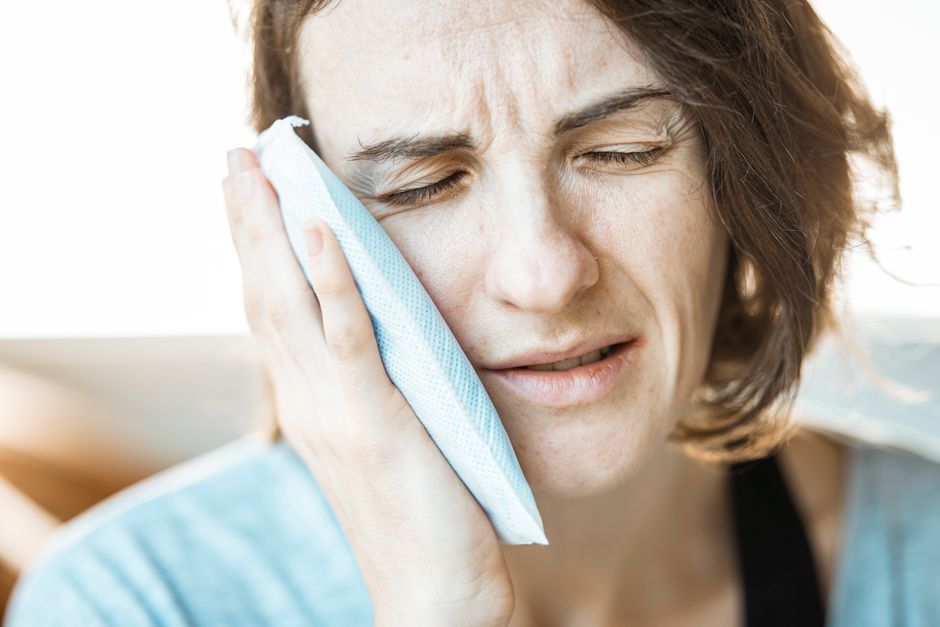
As soon as the operation is finished, the surgeon applies sterile dressings and a cold pack. In the first few hours you will feel heaviness in the eyelids, mild stinging and a sense of tightness in the skin — a normal tissue response to surgery. Your vision may be temporarily blurred by the ointment applied to the eyes at the end of the procedure.
Most procedures are performed under local anaesthesia with sedation, so for the first 1–2 hours after you come round you may feel slightly sick or dizzy. This passes on its own and does not need any extra treatment.
Spend the first 6 hours in a semi-upright position with your head raised — this helps fluid drain away from the face and lowers the risk of swelling building up. Cold compresses are applied for 15–20 minutes at a time, with breaks, throughout the first day. You should not leave the clinic on your own straight after the procedure: an adult needs to accompany you.
During the first day you will take painkillers according to the plan prescribed by your surgeon. Do not swap or stop them on your own — adequate pain relief reduces reflex tension in the eyelid muscles and helps the wound edges heal evenly.
02The first 48 hours: the key rules
The first two days are the most critical stage of recovery. Swelling increases quickly and peaks on day 2, and patients are often alarmed when they see their face in the morning. This is a normal physiological response, not a sign of a complication.
During this time, rest in bed with your head raised. Your pillow should keep you at an angle of at least 30–45 degrees. Do not sleep on your side or stomach — this causes uneven swelling and puts pressure on the eyelid tissues.
Limit your phone, tablet and TV. Straining the eye muscles slows the healing of small blood vessels and can trigger minor bleeding around the incision. Reading and any visually demanding work are best avoided for the first 48 hours. If you need to reply to messages, use voice typing instead.
Keep meals light during this time: avoid spicy, salty and pickled food. Salt holds fluid in the tissues and makes swelling worse. Drink normally without overdoing it: 1.5–2 litres a day. Avoid alcohol completely for at least 2 weeks.
Not sure which clinic to start with?
A MediUkraine coordinator will help you choose a clinic and a doctor for your case, free of charge.
03Swelling and bruising: what is normal?
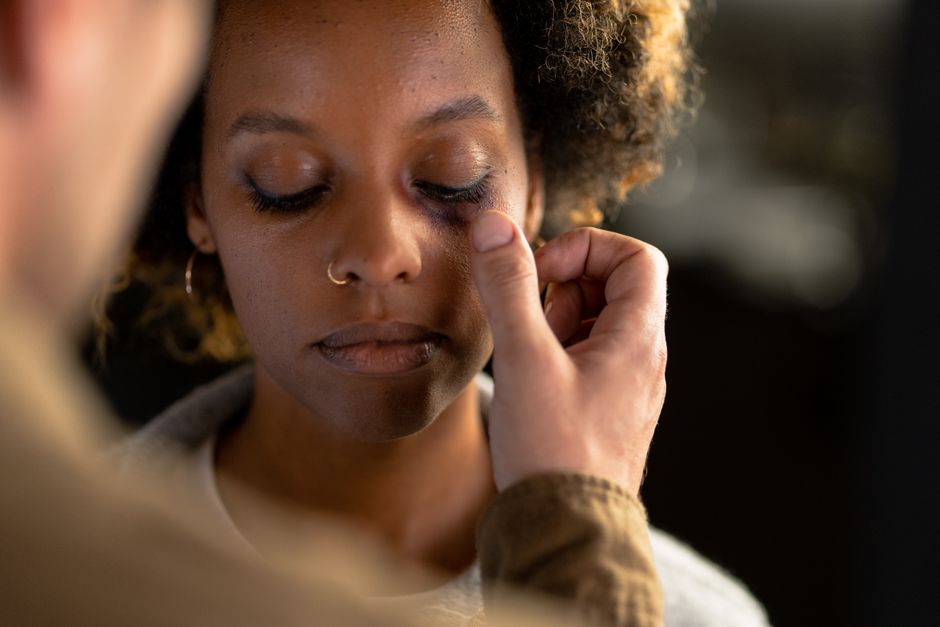
After upper and lower blepharoplasty, bruising (haematomas) and swelling are an expected result of surgical trauma rather than a complication. They may spread beyond the eyelids to the temples, cheeks and bridge of the nose. How pronounced they are depends on your blood vessels, the extent of the surgery and the surgeon’s technique.
Bruises usually change colour in this order: dark red on days 1–3, blue-purple on days 4–6 and yellow-green on days 7–10. They typically disappear completely in about two weeks. You can use a colour-correcting concealer from day 10–12, provided the skin has closed and healed.
Swelling settles unevenly: it goes down first on the upper lids, while the lower lids may stay puffy for longer. Around 70–80% of the swelling has gone after 1 month, and the remaining 20% gradually resolves over 3–6 months. That is why there is no point judging the final result earlier than 4–6 months after surgery.
If swelling suddenly increases after it had started to go down, or comes with a raised temperature, contact your doctor straight away. A sharp increase in swelling on one side also needs to be checked by your surgeon.
04Caring for your stitches after upper and lower blepharoplasty
The incisions are placed in the natural creases of the eyelids and along the lash line, so with proper care they usually become barely visible. The main aims are to prevent crusts from forming and to keep infection out of the healing area.
Twice a day, clean the stitches with an antiseptic solution (chlorhexidine or Miramistin) on a cotton bud, using light strokes along the incision line without rubbing. Then apply the ointment your doctor recommends (dexpanthenol, or an antibacterial ointment if prescribed). Do not swap products on your own.
Stitches are removed on day 5–7 as an outpatient. The procedure is painless and takes a few minutes. If your surgeon used dissolvable stitches, nothing needs to be removed, but the follow-up check is still essential. After the stitches come out, the skin along the scar stays sensitive and pink for several weeks.
You are usually allowed to get the incisions wet once the stitches have been removed. Until then, wash your face carefully, avoiding the eyelids, or use alcohol-free wet wipes. Saunas, steam rooms and hot baths are off-limits until the scar has fully healed — for at least 4 weeks.
05How to care for your eyes in the first weeks
After upper and lower blepharoplasty, your eyes become more prone to irritation. Dryness, a gritty feeling and sensitivity to light are typical complaints in the first 1–2 weeks. This is linked to changes in how the tear film spreads and to temporary incomplete closure of the eyelids.
Artificial tear drops help ease the discomfort. Your doctor prescribes them as part of the standard recovery plan. Use them as directed — usually 4–6 times a day in the first week. Do not use decongestant eye drops (the “anti-redness” type) without your doctor’s advice.
Do not wear contact lenses for at least 2–3 weeks after surgery. Putting them in and taking them out pulls on the eyelids from the inside and can disturb the scar while it is forming. Going back to lenses before you are allowed to puts both the result of the operation and the health of your eye at risk.
Your surroundings matter too: wind, dust and smoke can irritate the lining of the eye considerably in the first weeks. Outdoors, wear sunglasses with a UV filter — they protect against ultraviolet light, dust and accidental knocks to the eyelids at the same time.
06Diet during recovery: what to know
You do not need a strict diet while you recover, but a few rules noticeably help healing. First of all, cut down on salt. Excess sodium in the blood directly affects how pronounced the swelling is and how long it takes to go down after surgery.
Avoid alcohol completely for at least 2 weeks, and ideally for the whole active recovery period (up to 1 month). It dilates blood vessels, slows tissue repair and does not mix well with prescribed medicines, including antibiotics and painkillers.
Foods rich in vitamin C (citrus fruit, sweet peppers, kiwi), zinc (pumpkin seeds, beef) and protein (eggs, fish, pulses) are helpful. These nutrients are directly involved in collagen production and wound healing. Some surgeons also recommend vitamin E capsules — but only after discussing it with them.
It is best to limit spicy, pickled and smoked foods for the first 10 days. They boost blood flow in the small vessels and may cause a throbbing feeling around the incisions. Eat balanced, regular meals and avoid overeating — a large meal raises blood pressure, which is bad for healing.
07Physical activity after surgery: when and what is allowed?
Physical exertion is one of the most important parts of the recovery plan. Any rise in blood pressure in the first weeks increases the risk of a haematoma and of the wound edges separating. So build up activity gradually and carefully.
For the first 3–4 weeks, avoid running, jumping, lifting anything heavier than 3–5 kg, bending forward, strength training and any exercise that puts your head below the level of your heart. Even vigorous cleaning, mopping floors and gardening fall into this category.
In the first 2 weeks, unhurried walks at an even pace are allowed. They improve circulation, reduce the risk of blood clots and help you sleep. Start with 10–15 minutes a day and gradually walk for longer.
From week 4–6, if there are no complications and your surgeon agrees, you can return to light cardio. Swimming in open water or pools is only allowed once the scar has fully healed (not earlier than 6–8 weeks). Contact sports can be resumed after 2–3 months. Exact timings are always agreed individually.
08Getting back to work and social life
When you can go back to work depends on what you do. If your job involves sitting at a computer or dealing with people, most patients are ready to return 10–14 days after the stitches are removed. By then, most of the bruising can be covered with foundation.
Manual work that involves bending, lifting heavy objects or being in dusty environments needs at least 4–6 weeks off. This is not over-caution but a medical necessity: exerting yourself too early can not only spoil the result but also cause a haematoma, even 3 weeks after surgery.
Eye make-up is allowed once the incision has fully healed — usually after 10–14 days. Start using mascara and eyeliner carefully, avoiding pressure and rubbing. For the first month, micellar water is a better choice than a two-phase make-up remover.
Most patients plan social events and photos for 2–3 weeks after surgery. But remember: even if the bruising has gone, the tissues are still remodelling. Strong emotions, prolonged laughing or crying can bring back some swelling, so it is worth avoiding intense experiences in the first month.
09Follow-up appointments: when and why to see your doctor
Follow-up appointments after upper and lower blepharoplasty are not a formality but an important part of a safe recovery. At each visit, the surgeon checks the scar, the symmetry of the eyelids, how well they close and whether there are any complications.
A typical schedule looks roughly like this: the first check on day 2–3 after surgery (swelling and stitches), the second on day 5–7 (stitch removal), the third after 1 month (scar assessment and scar treatment), and the fourth after 3–6 months (assessment of the final result).
Do not skip any planned visit, even if everything seems fine. Some complications — such as a hypertrophic scar or lower eyelid retraction — are picked up precisely at a routine check and can be corrected successfully at an early stage.
If something unclear or worrying happens between planned check-ups, do not wait for the next visit — contact the clinic sooner. A good clinic will always see a patient as part of their recovery follow-up. You can find out how the whole process is organised, from consultation to recovery, on our upper and lower blepharoplasty page.
10What complications are possible and how to recognise them
Upper and lower blepharoplasty is a relatively safe procedure in the hands of an experienced surgeon, but like any operation it carries certain risks. Knowing the possible complications helps you recognise them in time and seek help.
Early complications
Early complications include a haematoma (a collection of blood under the skin), wound infection, separation of the wound edges and lymphorrhoea (leakage of lymph fluid). They occur in the first 1–7 days. Warning signs are a sudden increase in pain, rapidly increasing swelling on one side, fluid leaking from the incision and a raised body temperature.
Late complications
Late complications may appear weeks or months later: a hypertrophic scar, retraction (pulling down) of the lower eyelid, dry eye, asymmetry of the eyelids or removal of too much skin. Most of them can be corrected if picked up in time — which is exactly why regular follow-up checks matter.
It is important to understand that problems are often linked not to the surgery itself but to not following the recovery plan. Exerting yourself too early, overheating, drinking alcohol or stopping prescribed medicines on your own are common causes of unwanted outcomes.
11When do you need urgent medical help?
There are several symptoms for which you should not wait for a planned check-up — call the clinic or an ambulance straight away. Every patient should know these warning signs before being discharged.
The main reasons to seek urgent help are: sudden severe pain in or around the eye; a sharp drop in visual sharpness or loss of part of your field of vision; a body temperature above 38°C; swelling on one side of the face increasing rapidly over minutes or hours; heavy bleeding from the incision.
Changes in vision are the most serious symptom. Although a retrobulbar haematoma (blood collecting behind the eyeball) is rare, it can lead to permanent loss of sight without emergency surgery. If your vision gets worse in any way after blepharoplasty, see a doctor immediately.
Do not ignore increasing pain that is not relieved by the prescribed painkillers, or a feeling of pressure or “bursting” around the eye. These may indicate raised pressure inside the eye — a condition that needs prompt assessment by an ophthalmologist.
12Scar care: how to make the scar less visible
Scar formation after upper and lower blepharoplasty is a process you can and should manage. The active phase of scar formation lasts 3–6 months after surgery; this is when products and treatments have the greatest effect.
Once the incision has fully closed (usually 10–14 days after the stitches are removed), your doctor will prescribe a silicone-based scar gel or patches. Silicone products are the standard first choice for preventing hypertrophic scars: they hydrate the skin, reduce itching and help the scar surface even out. They are applied 1–2 times a day for 2–3 months.
Start using your scar product as soon as your doctor allows it and do not miss a single day: using it regularly matters more than which product you choose.
Ultraviolet light is the main enemy of a fresh scar. UVA/UVB radiation can darken a scar and make it more noticeable for years. So for at least 6 months after surgery, only go outside wearing sunglasses with a UV filter, and protect exposed areas of your face with SPF 50+.
Your doctor may also recommend additional treatments: microcurrent therapy, laser scar revision or microneedling — but not earlier than 3–4 months after surgery. These methods may help the scar mature faster and improve the cosmetic result.
13Restrictions during recovery
Some everyday things become temporarily off-limits after upper and lower blepharoplasty, and patients do not always expect them. The list of restrictions goes beyond simply “no sport”, so it is worth knowing it in advance.
For 3–4 weeks, avoid: saunas, steam rooms, sunbeds and open water; hot showers and baths; flying (changes in cabin pressure can increase swelling); facial massage and device-based cosmetic treatments around the eyes; chewing gum and excessive facial expressions.
An important point is crying. Prolonged or intense crying in the first weeks increases blood flow to the eyelids and can make swelling worse or cause minor bleeding. This does not mean you should suppress your emotions, but it is worth knowing about this effect and avoiding stressful situations where possible during recovery.
Sleeping on your stomach, or on your side with your face pressed into the pillow, is another common mistake. Sleep on your back with your head raised for at least 2 weeks. A U-shaped orthopaedic pillow or a wedge pillow can make this more comfortable.
14Your emotional state during recovery
Recovery after upper and lower blepharoplasty often comes with emotional ups and downs. Patients who expected to see the result straight away are faced with a swollen, blue-purple face and feel anxious or disappointed. This is a normal and well-known reaction, sometimes described by surgeons as “recovery stress”.
Emotional discomfort peaks on days 3–7, when swelling is at its worst and the relief after a successful operation has worn off. Remind yourself that what you see in the mirror now is not the result of the operation. The real result will not be visible for at least 4–6 months.
Support from those close to you in the first days makes a real difference. If you feel very anxious, talk to your doctor: they can tell you whether your condition is normal for this stage of recovery. Sometimes one short conversation with your surgeon removes a week of worry.
Social media and other people’s horror stories online are not the best reading during recovery. Everyone’s body reacts differently, and comparing your swelling with someone else’s is pointless. Rely only on your doctor’s opinion and the generally accepted recovery timelines.
15How to make your blepharoplasty result last
Blepharoplasty does not stop biological ageing, but you can extend its result considerably with the right long-term care. The skin around the eyes is the thinnest on the face, so it needs constant protection and moisture.
SPF 50+ sunscreen for the eye area should be part of your daily routine for life. Ultraviolet light speeds up the breakdown of collagen and is a major cause of early skin sagging. Sunglasses are not optional either — they are basic eye care.
A night cream with retinol or peptides (once recovery is complete) supports collagen production and keeps the eyelid skin firm. It is recommended not to start this kind of care earlier than 3–4 months after surgery, so as not to irritate skin that is still maturing. Agree on a specific product with a dermatologist or cosmetologist.
Not smoking, keeping your weight stable and getting regular, healthy sleep all directly affect the condition of the eyelid skin. Sharp changes in weight stretch the skin, and smoking impairs circulation in the small vessels and speeds up the appearance of wrinkles. Patients who follow these rules can often keep their blepharoplasty result for 10–15 years or more.
MediUkraine can arrange upper and lower blepharoplasty at our partner clinic, EXPERT in Uzhhorod, and help with the whole process — from the first consultation to follow-up during recovery. The clinic’s team communicates with international patients in English. Get in touch to discuss your case and get answers to your questions.
Related services: Upper and Lower Blepharoplasty in Ukraine · Rhinoplasty with Functional Correction in Ukraine · Online Consultation with a Plastic Surgeon in Ukraine
16Frequently asked questions
How long does full recovery after upper and lower blepharoplasty take?+
The active recovery period is 2–4 weeks, during which the bruising and most of the swelling disappear. Full maturing of the tissues and the final result take 4–6 months — that is when the surgeon assesses the outcome of the operation.
When can I wear make-up after surgery?+
Eye make-up is usually allowed 10–14 days after the stitches are removed, once the skin has fully closed. Start with light products and avoid rubbing when removing make-up for at least another month.
Is recovery after upper and lower blepharoplasty painful?+
Pain after blepharoplasty is usually moderate and well controlled with the prescribed painkillers. Most patients describe heaviness and tightness rather than sharp pain. Severe or increasing pain is a reason to call your doctor straight away.
Can swelling come back a week after surgery?+
Yes, a slight return of swelling is possible after exercise, overheating or salty food — even on day 10–14. This is not a complication if the swelling is even on both sides and goes down after rest. A sudden increase on one side is a reason to contact your surgeon.