| Service | 🇺🇦 Ukraine | 🇨🇿 Czech Republic | 🇹🇷 Turkey |
|---|---|---|---|
| Ceramic braces system | from USD 409 | from USD 2,029 | from USD 731 |
| Braces adjustment with archwire change | from USD 24 | from USD 47 | from USD 94 |
| Braces removal | from USD 38 | from USD 26 | from USD 16 |
| Orthodontist consultation | from USD 16 | — | — |
Prices in the “Ukraine” column come from MediUkraine’s partner clinics. The Czech Republic and Turkey columns show the lower bounds of prices published by clinics there (for Turkey, also the Turkish Dental Association’s recommended 2026 tariff), collected in August 2026 and converted to US dollars at the rate on the day of collection. A dash means we could not find a comparable published price. In any country, the final cost is set by the clinic after an examination.
A ceramic bracket is a fixed pad made of aluminium oxide that is bonded to the outer surface of the tooth with a composite adhesive. A metal archwire sits in its slot, and it is the archwire, as it returns to its preset shape, that moves the teeth. The shade of the material is matched to the enamel, so at conversational distance the appliance is less eye-catching than a metal one.
Ceramic comes in two types. Polycrystalline ceramic is matt, slightly milky and blends well with the natural colour of the tooth. Monocrystalline ceramic, often sold as sapphire, is transparent and shines in the light: on light enamel it is almost invisible, while on darker enamel it gives a glassy sheen.
The indications are the same as for any fixed appliance: crowding, gaps between the teeth, rotated or tilted teeth, a deep bite, crossbite or open bite, and preparation for prosthetic work and implants. Leaving these untreated also has a cost: crowded teeth are hard to clean, so plaque, gum inflammation and caries between the teeth persist for years, and a traumatic bite gradually leads to chipping and wear of the enamel.
Choosing ceramic is a matter of aesthetics, not mechanics: it solves the same problems as metal but is less noticeable to the people you talk to. In some situations the orthodontist will advise against it or suggest a combined approach: a deep bite, in which the lower incisors close directly onto the brackets of the upper teeth, marked bruxism, contact sports without a mouthguard, and cases that require significant tooth movements and tight control of the mechanics. Ceramic is also a poor choice if you are not prepared to cut down on hard food and put up with stained ligatures between visits.
MediUkraine is a treatment search and coordination service, not a clinic. We choose the clinic and the orthodontist, arrange the appointment dates and support you throughout, including if you are travelling from abroad. The treatment plan, and whether ceramic is right for you, is decided by the orthodontist after an in-person examination and analysis of the diagnostic records.

Travel. Ukrainian airspace is closed, so there are no commercial flights. Patients reach Lviv overland, most often from Poland: Rzeszów and Kraków airports are the usual entry points, with a train, bus or private transfer onward to the border and on to the city. Lviv is roughly 70 km from the Polish border, the shortest crossing of any Ukrainian city.
Visas. Citizens of the EU, the United Kingdom and the United States do not need a visa for short stays in Ukraine. Rules depend on your citizenship, so check your own before booking.
Safety, plainly. Ukraine is at war. Air raid alerts occur in Lviv, and an appointment can be interrupted by one. Several governments advise against travel to Ukraine, and while that advice stands, ordinary travel and medical insurance is often void — confirm your cover with your insurer before you commit to anything.
Language. MediUkraine handles correspondence, scheduling, the written treatment plan and the quote in English. The clinic's team communicates with international patients in English.
Payment. You pay the clinic directly. Our coordination service is free of charge for you.
More on travel, safety and insurance: Safety and travel.
Ceramic for braces is made from aluminium oxide in two forms. Polycrystalline ceramic consists of fine sintered crystals with a matt surface and a colour close to natural enamel; it is less transparent and therefore discreet on almost any tooth shade. Monocrystalline, or sapphire, ceramic is a single grown crystal: it is transparent, lets the colour of the tooth show through and almost disappears on light enamel, while on darker enamel it gives a noticeable glassy shine. Both types are considerably harder than metal and at the same time more brittle.
The ceramic itself hardly changes colour. Aluminium oxide has no pores to absorb pigments, so over a year and a half to two years the bracket stays the same shade as on the day it was bonded. What does stain are other parts of the appliance: the clear or white elastic ligatures that hold the archwire in the slot, and the thin rim of composite adhesive around the bracket. Ligatures turn yellow from coffee, tea, curry, sauces and tobacco within 5–10 days, so they are replaced at every adjustment, after which the braces look light again.
To reduce this effect, some patients choose self-ligating ceramic systems: in these the archwire is held by a built-in clip rather than an elastic, so there is simply nothing to stain. The trade-off is that the clip is often metal or polymer and visible at close range. Another option is a ceramic bracket with a metal slot: the metal inside resists wear better and reduces friction, but the dark strip in the slot slightly reduces the aesthetics.
Friction is the main technical difference with ceramic. A ceramic slot is rougher than polished steel, so the archwire slides through it less easily, and tooth movement may be slower during space closure. Laboratory studies show substantially higher friction than with metal systems, but clinical data are more modest: the difference in overall treatment time is usually small and is measured in a few months rather than years. Only an orthodontist can estimate the timeline for an individual patient after analysing the records, because the complexity of the case matters far more than the bracket material.
Brittleness is the second feature worth knowing about before bonding. Ceramic is hard but not ductile: under a point load it chips rather than bending like metal. Most often a bracket wing, the part the ligature hooks onto, breaks off and the bracket has to be re-bonded. Typical causes are nuts, rusks, ice, and hard vegetables and fruit bitten with the front teeth, as well as a blow to the jaw during a ball game.
A separate risk is contact with the opposing teeth. In a deep bite the lower incisors close directly onto the brackets of the upper teeth: the bracket chips, and the enamel of the lower teeth wears against the ceramic, which is harder than enamel. In such cases the orthodontist either opens the bite with build-ups on the back teeth for the first few months, places metal braces on the lower jaw, or postpones ceramic until the overbite has been reduced.
That is why a combined approach is often suggested: ceramic on the teeth that show when you smile, metal on the side teeth and the lower jaw. It looks almost the same, costs less and makes chipping in the chewing area less likely. The archwires are metal in all variants: first thin nickel-titanium wires for alignment, then stiffer steel ones to control root position. Aesthetic archwires with a white coating exist, but the polymer layer peels off from friction and dulls, so they are usually used only for short periods.
Removing ceramic braces takes more time and care than removing metal ones. A metal bracket is bent with pliers and comes off; a ceramic one does not bend, so it is fractured with a controlled force and the fragments are removed. This must never be done with a sharp jerk: a piece of enamel may chip off together with the bracket, especially on teeth with cracks, large restorations or after root canal treatment. Adhesive residue is removed with a tungsten carbide bur at low speed, after which the enamel is polished; the whole procedure for both jaws takes about an hour.
It is also worth knowing the alternatives. Metal braces are cheaper, stronger and create less friction, but they are noticeable; lingual braces sit on the inner side of the teeth and cannot be seen at all, but they are more expensive and speech takes some getting used to; aligners are removable and clear but must be worn for at least 20–22 hours a day and do not suit every case. The orthodontist compares these options against your diagnostic records at the first consultation.
Oral care during treatment affects the outcome as much as the appliance does. Plaque collects around the brackets, and with poor hygiene the enamel demineralises: once the braces come off, white matt spots remain in these areas and need separate treatment. Teeth need to be brushed after every meal, with interdental brushes and a single-tuft brush, and you need a professional clean at the clinic every six months.
For the first 3–5 days after bonding the teeth ache and react painfully to pressure: this is the expected response of the tissues to the start of movement. During this time, stick to soft food and take an ordinary painkiller if needed. The inside of the cheeks and lips gets used to the braces in about a week; cover any spots that rub with orthodontic wax. Speech changes little, because the brackets sit on the outer side of the teeth.
The first visible changes appear after 2–3 months, fastest on the front teeth: they have a single root and move more easily. This is not the final result but an intermediate stage: during alignment the teeth often look worse than at the start, because they leave their usual positions at different times.
The overall treatment time is usually 18–30 months. It depends on the patient's age, the complexity of the case, whether extractions are needed, how consistently elastics are worn and how regularly you attend. Missed adjustments lengthen treatment far more than the bracket material does: an archwire that has done its job simply stops moving the teeth.
If a bracket comes off or chips, tell the clinic straight away rather than waiting for your next appointment. A tooth left without a bracket can shift back within a few weeks, and that distance will have to be covered a second time. It is just as important not to skip your six-monthly professional clean: within a year, plaque around the brackets can damage the enamel more than years without braces would.
After the system is removed and the enamel polished, the retention stage begins. A thin fixed retainer is bonded to the inner side of the front teeth, and a clear removable retainer is made for night-time wear. Retention lasts for years, and for some patients indefinitely: without it the teeth gradually drift back, which is a property of the tissues, not the orthodontist's mistake.
The outcome can only be properly assessed after removal, once the enamel has been polished and the true colour of the teeth is visible. Whitening, if planned, is done no earlier than 2–4 weeks later: after the adhesive is removed the enamel is temporarily more sensitive. Minor restorations to even out the shape of the incisors are also left until then. Only an orthodontist can predict the result for an individual patient, based on the analysis and follow-up images.
Step 1. Consultation and diagnostics. The orthodontist examines the dental arches, assesses the bite and the condition of the enamel, and discusses your expectations. Then a panoramic X-ray, a cephalometric X-ray, a photo record and models of the jaws are taken. From these the orthodontist works out how much space is lacking in the arch, how the roots are positioned and whether any teeth need to be extracted. This is also when the orthodontist decides whether ceramic will withstand the forces of your bite.
Step 2. Preparing the mouth. Caries is treated, old restorations are replaced, wisdom teeth are extracted where indicated, and you have a professional clean with polishing. The gums must be free of inflammation: the adhesive bonds to dry, clean enamel, and bleeding during bonding sharply increases the number of brackets that come off. This stage takes from one visit to several weeks depending on the amount of work.
Altogether, it usually takes 18–30 months from the first consultation to removal: diagnostics and preparation of the mouth take from one visit to several weeks, bonding takes one appointment of 1.5–2 hours, followed by adjustments every 4–8 weeks, final detailing over 2–4 months, and removal with a transition to retention. No anaesthesia or hospital stay is needed at any stage, and after each visit you can return to your usual activities.
Treatment is divided into stages, each with its own archwires. They are changed in sequence, from thin and flexible to thick and stiff, because each task requires a different level of force and control over root position.
The first stage is levelling. Thin nickel-titanium archwires align the teeth vertically and horizontally, correct rotations and bring teeth that sit outside the arch into line. It lasts roughly 4–8 months and usually produces the most noticeable visible changes.
The second stage is the working stage. Rectangular steel archwires are placed, spaces left after extractions are closed and the relationship between the jaws is corrected with elastics. This is the longest part of treatment, and this is where the higher friction of a ceramic slot can slightly slow the teeth sliding along the archwire.
The third stage is detailing: small bends, perfecting the contacts between individual pairs of teeth, and checking the midline and the depth of the overbite. It takes 2–4 months and is almost invisible from outside, but it determines how stably the teeth will stay in their new position.
The final stage is retention, and it is the longest. After the system is removed the teeth are held with a fixed retainer and a removable retainer, and you see the orthodontist once a year to check that the wire is intact and the removable retainer still fits. If the retainer comes off, contact the clinic straight away: a few months without retention can undo part of what has been achieved.
The most common complication with ceramic braces is a chipped bracket wing or a bracket coming off. This is not dangerous to health, but it lengthens treatment: while the tooth is without a bracket, it gradually moves back. The risk is higher in people who bite hard food with their front teeth and in patients with bruxism.
The second group of risks has to do with hygiene rather than the material. Plaque collects around the brackets, and with poor oral care the enamel demineralises, leaving white matt spots that become visible once the braces are removed. Gingivitis and overgrowth of the gum margin can develop alongside this: after the braces are removed the inflammation usually subsides, but some patients need separate gum treatment.
Moving teeth has a biological cost in itself. In some patients the roots shorten by 1–2 mm; in most cases this does not affect the long-term outlook for the tooth, but where the roots are short to begin with the orthodontist monitors them with X-rays. If a tooth is moved beyond its bony housing, gum recession is possible, so the extent of movement is planned from a CT scan rather than by eye.
There are risks specific to ceramic. It is harder than enamel, so in a deep bite the opposing teeth that strike the brackets wear faster than usual. Metal archwires contain nickel, and patients with a confirmed nickel allergy are given alternative alloys. The inside of the cheeks may get sore in the first few weeks; this passes as the mouth adapts and with the use of orthodontic wax.
It is also worth knowing about the risks of removal. A ceramic bracket is fractured rather than deformed, and with a sharp force a piece of enamel may chip off with it, especially on teeth with cracks, large fillings or after root canal treatment. On veneers and on ceramic and zirconia crowns a bracket holds differently and needs special surface preparation, so tell the orthodontist about any existing restorations before bonding.
Contraindications are mostly relative and can be resolved with preparation: untreated dental problems, active caries, periodontitis in an acute phase, persistently poor hygiene. Marked bruxism, a deep incisor overbite without prior bite opening and contact sports without a mouthguard are reasons to choose metal or a combined approach instead of ceramic. Whether the benefits outweigh the risks in your case is decided by the orthodontist after an examination and analysis, and you are entitled to a second opinion at another clinic.
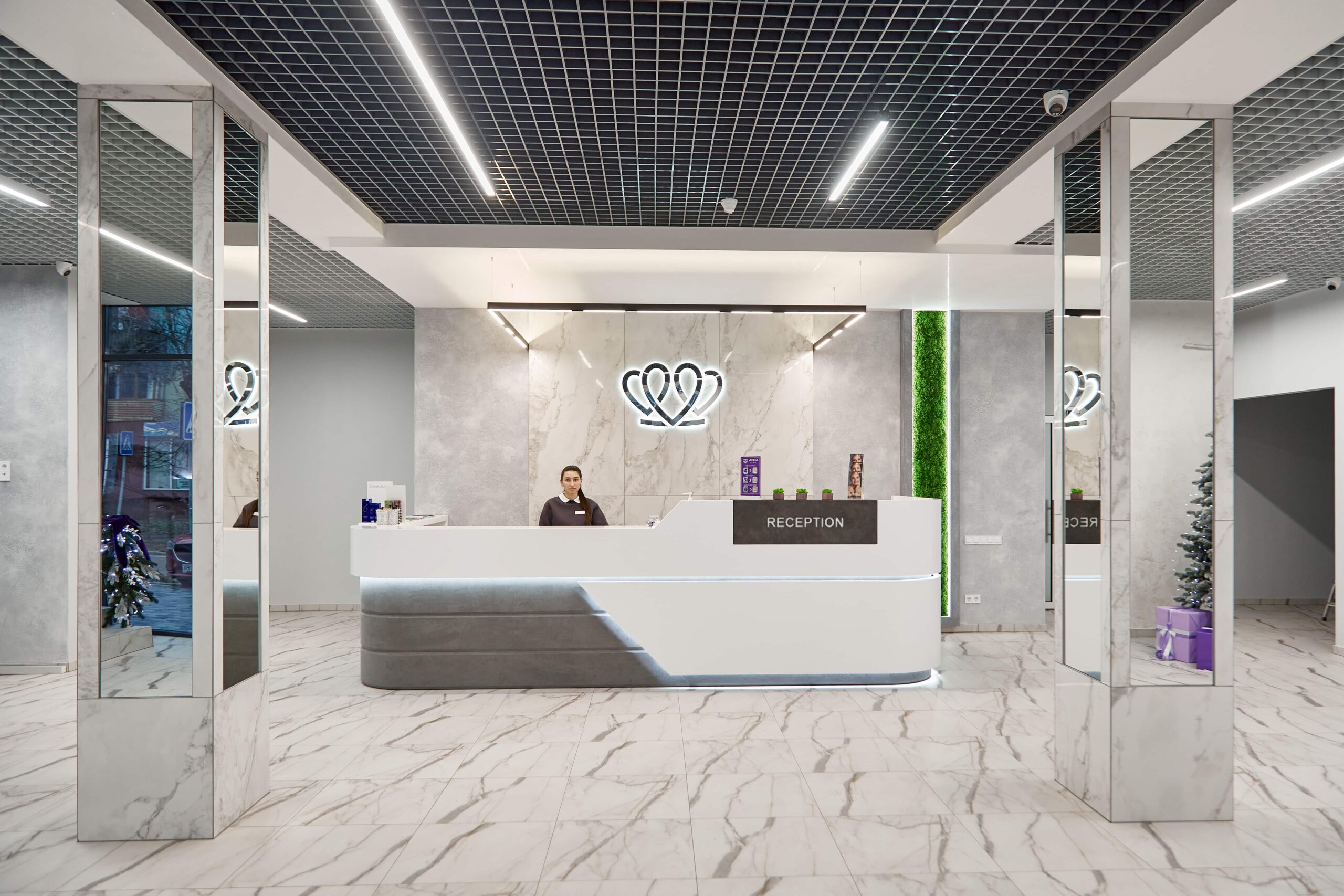
📍 Lviv, Ukraine
A dental clinic in Lviv with a separate doctor for each field: oral surgery and implants, prosthodontics, restorative dentistry, endodontics under a microscope, periodontics, orthodontics and paediatric dentistry.
The ceramic itself does not absorb pigments: aluminium oxide has no pores, so over a year and a half to two years the colour of the bracket stays the same as on the day it was bonded. What does turn yellow are other parts: the clear elastic ligatures that hold the archwire and the thin layer of composite around the bracket. Coffee, black tea, turmeric, curry, tomato sauces, red wine and tobacco change their shade within 5–10 days. Ligatures are replaced at every adjustment, so after each visit the braces look light again. Self-ligating systems have no ligatures at all.
At the partner clinic in Lviv, a ceramic braces system costs from USD 409 an adjustment with an archwire change from USD 24 removal from USD 38 and an orthodontist consultation from USD 16. Diagnostics, treatment of existing problems and professional hygiene before bonding are paid for separately, as are the fixed and removable retainers after removal. The total depends on the number of jaws, the type of design and the number of visits, so the clinic draws up the quote after an examination. The prices on this page are indicative.
A ceramic slot is rougher than polished steel, so the archwire slides through it less easily. In laboratory studies friction is noticeably higher than with metal systems, but clinical data are more modest: the difference in overall treatment time is usually small and is measured in a few months. The complexity of the case, the patient's age and regular attendance matter far more than the bracket material. The approximate timeline is 18–30 months; the orthodontist will give a more precise estimate after analysing the diagnostic records.
Call the clinic the same day and book an unscheduled visit, without waiting for the next adjustment. A tooth without a bracket can shift back within a few weeks, and that distance will have to be covered a second time. If a sharp edge rubs your cheek, cover it with orthodontic wax; do not try to put back an archwire that has slipped out of the slot yourself. A chipped ceramic bracket is replaced with a new one, since the fragment cannot be re-bonded. Check in advance how the clinic charges for re-bonding.
Cut out hard and sticky foods: nuts, rusks, popcorn, ice, caramel, chewing gum, toffee. Cut apples, carrots and meat off the bone into pieces rather than biting into them with your front teeth. Staining foods and drinks are a separate list: coffee, black tea, hibiscus tea, red wine, turmeric, curry, tomato and soy sauces, beetroot. They do not harm the ceramic, but they quickly change the colour of the ligatures and of the composite around the edge of the bracket. After eating, brush your teeth or at least rinse your mouth with water.
Removal does not require anaesthesia, although the sensation of pressure on the teeth is noticeable. A ceramic bracket is not deformed like a metal one but fractured with special pliers under controlled force, so the procedure takes longer, about an hour for both jaws. Adhesive residue is then removed with a tungsten carbide bur at low speed and the enamel is polished. Too much force can chip the enamel, so tell the orthodontist in advance about any cracks, large fillings, veneers and crowns.
Above all, people with a deep bite in which the lower incisors close directly onto the brackets of the upper teeth: the ceramic chips and the enamel of the opposing teeth wears. Caution is needed with marked bruxism and with contact sports without a mouthguard. Treatment is not started until active caries, a flare-up of periodontitis or persistently poor hygiene has been dealt with. In these cases metal braces on the lower jaw or a combined approach may be suggested, and the orthodontist makes the decision after an examination.
Tell us what you need: we will suggest a clinic and a doctor and send you a cost estimate.
Request a consultation →