| Service | 🇺🇦 Ukraine | 🇨🇿 Czech Republic | 🇹🇷 Turkey |
|---|---|---|---|
| Sedation, first hour | from USD 89 | from USD 382 | from USD 314 |
| Each additional hour of sedation | from USD 67 | — | — |
| Neodent implant placement (Brazil) | from USD 373 | from USD 1,146 | from USD 470 |
| Anaesthetist consultation | from USD 8 | — | — |
Prices in the “Ukraine” column come from MediUkraine’s partner clinics. The Czech Republic and Turkey columns show the lower bounds of prices published by clinics there (for Turkey, also the Turkish Dental Association’s recommended 2026 tariff), collected in August 2026 and converted to US dollars at the rate on the day of collection. A dash means we could not find a comparable published price. In any country, the final cost is set by the clinic after an examination.
Sedation is a controlled, drug-induced sleep, a state between wakefulness and general anaesthesia. The medicines are given intravenously and dosed according to the patient's response, so the sedation can be deepened or, conversely, lightened during the procedure. The person breathes unaided, keeps their protective reflexes and responds when spoken to by name.
This is not general anaesthesia. Under general anaesthesia consciousness is switched off completely, and breathing is supported by a machine through a laryngeal mask or an endotracheal tube. In everyday dental practice this level is rarely needed, mainly for children, patients with developmental disorders and in major maxillofacial operations. Sedation leaves the patient breathing on their own, so its requirements are different.
The second thing worth understanding in advance: sedation removes anxiety, not pain. Pain relief comes from local anaesthesia, which is always given, after the patient has fallen asleep. A typical effect of the medicines is partial memory loss for the period of the procedure: most patients remember the conversation before it and the moment of waking, but not what happened in between.
The indications are few and specific: severe dental phobia, when fear of the chair has kept someone away from treatment for years; a strong gag reflex that makes it impossible to take an impression or work on the back teeth; and a large amount of work in one visit, such as several implants, extraction combined with placement, or a sinus lift. Another case is acute inflammation, where local anaesthetic works less well: the tissues become more acidic and the drug reaches the nerve less easily, so the doctor adds other pain-relief techniques, and sedation helps the patient get through a longer and more complex procedure calmly.
The method does not suit everyone: severe breathing disorders, pregnancy, allergy to sedation drugs and uncontrolled cardiovascular disease are reasons to decline or to move the procedure to a hospital setting. MediUkraine is a treatment search and coordination service, not a clinic. We find the clinic and doctors with the right specialism; the dental work is carried out by our partner clinic, Vidnova Dental Clinic in Lviv. Decisions on the treatment plan and whether sedation is possible are made by the surgeon and the anaesthetist after an in-person examination.

Travel. Ukrainian airspace is closed, so there are no commercial flights. Patients reach Lviv overland, most often from Poland: Rzeszów and Kraków airports are the usual entry points, with a train, bus or private transfer onward to the border and on to the city. Lviv is roughly 70 km from the Polish border, the shortest crossing of any Ukrainian city.
Visas. Citizens of the EU, the United Kingdom and the United States do not need a visa for short stays in Ukraine. Rules depend on your citizenship, so check your own before booking.
Safety, plainly. Ukraine is at war. Air raid alerts occur in Lviv, and an appointment can be interrupted by one. Several governments advise against travel to Ukraine, and while that advice stands, ordinary travel and medical insurance is often void — confirm your cover with your insurer before you commit to anything.
Language. MediUkraine handles correspondence, scheduling, the written treatment plan and the quote in English. The clinic's team communicates with international patients in English.
Payment. You pay the clinic directly. Our coordination service is free of charge for you.
More on travel, safety and insurance: Safety and travel.
Sedation is classified by depth. Minimal sedation (anxiolysis) only removes anxiety: the patient is conscious and answers questions calmly. Moderate sedation is the one most often used in dentistry: the person dozes, responds to voice and light touch and breathes unaided. Under deep sedation the patient responds only to repeated or painful stimulation, and this is where the line with general anaesthesia becomes thin, so the requirements for monitoring and equipment in the room increase. The level is set not by the name of the service but by the patient's condition from minute to minute: the drugs are titrated, and the depth changes during the procedure.
There are several routes of administration. Oral sedation is a tablet before the visit: it is weaker and hard to adjust during the procedure. Inhalation sedation is a mixture of nitrous oxide and oxygen through a nasal mask. Intravenous sedation delivers the drug through a cannula placed in a vein in the arm, and it is this route that gives the control needed for a long implant procedure. Midazolam and propofol are used most often: midazolam relieves anxiety and produces the amnesia for the procedure described above, and its effect can be reversed with flumazenil if needed; propofol is given by infusion, is easy to control, and waking is quick, without prolonged drowsiness. A short-acting painkiller is added if needed.
Nitrous oxide deserves a separate mention, because it is the lightest level and often does the job without intravenous drugs. The patient stays conscious and talks to the doctor, and after the mixture is switched off they breathe pure oxygen for 5–10 minutes, after which the effect almost completely wears off. Fasting as long as for intravenous sedation is usually not needed here, and the doctor decides on driving and an escort according to the patient's condition. For a short visit or the first treatment after a long break this is often enough.
Whatever level is chosen, local anaesthesia is always given. Articaine or another modern anaesthetic with adrenaline is used, by infiltration or nerve block depending on the jaw and the area. The injection is given after the patient has fallen asleep, so the moment many people find most unpleasant goes unnoticed. The local anaesthetic also outlasts the sedation, so the first hours after waking are pain-free.
Throughout the procedure the anaesthetist keeps a monitoring chart: blood oxygen saturation, heart rate, blood pressure at set intervals and, under deep sedation, the level of carbon dioxide in exhaled air. Oxygen is given through nasal cannulas. The records stay in the medical file, and the patient is given a copy of the protocol.
Now to the implant placement itself. The classic two-stage protocol looks like this: a titanium screw is placed in the bone, the gum is sutured over it, and 3–6 months of osseointegration follow, the fusion of the implant surface with the bone. Next a healing abutment is fitted, an impression or a digital scan is taken two to three weeks later, and the abutment and crown are made. Immediate implantation, when the implant is placed straight after a tooth is extracted, shortens the cycle, but is only possible if the socket wall is intact and there is no acute inflammation.
Immediate loading is a separate scenario, in which a temporary crown or bridge is fixed within the first days after surgery. It requires high primary stability of the implant, and the decision is made in the chair based on a value the surgeon measures during placement. The temporary restoration here is not a cosmetic whim: it shapes the gum contour and distributes load while fusion is under way. If stability is insufficient, immediate loading is abandoned; this is a normal part of the plan, not a reason for disappointment.
The implant system is chosen by the doctor together with the patient. The partner clinic works with the Neodent system (Brazil): titanium implants with a treated surface, made in a range of diameters and lengths for different clinical situations. Where bone is lacking, the plan is supplemented with bone grafting: graft material placed with a membrane, or a sinus lift in the upper jaw. Such stages extend the cycle by several months and are paid for separately.
How much can be done in one session is limited not by the sedation but by the amount of surgery. A procedure for 4–6 implants usually fits into 2–3 hours, while full rehabilitation of a jaw with a fixed prosthesis takes longer. Dragging out the operation indefinitely is not advisable: swelling increases, recovery takes longer and the anaesthetic load grows. That is why large plans are sometimes deliberately split into two visits, and this is the surgeon's decision, not a way of selling one more hour.
Finally, the limits of the method. Sedation does not speed up healing, does not affect implant integration and does not make a difficult case simpler: it only lets you get through calmly what the doctor would have to do anyway. For some patients a detailed conversation, nitrous oxide or a sedative the night before is enough. If the fear is linked to a specific bad experience, it is sometimes wiser to start with a short, simple visit rather than going straight to an operation lasting several hours.
When the work is finished, the drug infusion is stopped and the patient wakes within a few minutes. Then comes the recovery area, where breathing, blood pressure and consciousness are monitored. Patients are discharged home according to clear criteria: the person is oriented in time and place, sits and walks unaided, vital signs are stable, and there is no nausea or marked weakness. This usually takes from 30 minutes to 2 hours.
The rest of the day is best spent quietly. Drowsiness, slight dizziness, nausea and sometimes a headache are possible; you will most likely not remember part of the visit, and that is expected. For a full day you must not drive, and it is best to avoid alcohol and important decisions. Aftercare instructions are given in writing because memory of that day is unreliable, and your escort should read them together with you.
The wound heals in the same way as after any dental operation. Swelling builds over the first 2–3 days and then subsides, a bruise on the cheek is possible, and moderate pain is relieved with the prescribed painkiller. For the first days: cold on the cheek, soft food at room temperature, nothing hot, no sauna and no exertion. If an antibiotic has been prescribed, the full course is taken. Sutures are removed on day 7–10, unless they are dissolvable.
Osseointegration takes 3–6 months: in the lower jaw the bone is denser and fusion is usually faster, in the upper jaw it takes longer. Nothing can speed up this period, and no method of pain relief affects it. Before the next stage a control X-ray is taken to make sure the bone around the implant is normal.
The final result can only be judged after the prosthetic stage. Realistic timescales for the full cycle are 3 to 8 months in a standard situation and up to 9–12 months if bone grafting or a sinus lift is needed. Interim check-ups are scheduled after a week, then after 2–3 months. In most patients implants integrate without complications, but only a doctor can forecast the outcome for a particular person after an examination.
There are signs that should not wait for the scheduled check-up: pain that gets worse after the third day, swelling that does not go down, a temperature above 38 °C, bleeding, discharge of pus, numbness of the lip or chin lasting longer than a few hours, or a mobile implant. In such cases call the clinic the same day. For patients who have come from another city or from abroad, MediUkraine arranges contact with the doctor and, if needed, a video consultation after they return home.
Step 1. Consultation and plan. The surgeon examines the mouth, studies the CT scan, assesses the bone volume and decides on the implant positions. The anaesthetist separately checks whether sedation is possible: asks about illnesses, medicines, allergies and previous experience of anaesthesia, and orders blood tests and an ECG if needed. The quote and the approximate length of the procedure are agreed at this stage too.
Step 2. Preparation on the day of the procedure. The patient arrives having fasted, with an escort, and signs informed consent to the surgery and to the sedation. The anaesthetist measures blood pressure and pulse, connects the monitor and places a cannula in a vein. The dentist checks the plan once more and prepares the surgical kit.
In total, a visit under sedation lasts from 1 to 4 hours. Between falling asleep and waking the doctor gives local anaesthesia, places one or several implants, adds bone graft material if needed and places sutures; the patient usually does not remember this time. No hospital admission is needed: patients are discharged home the same day with an escort and do not drive for a full day. The permanent crown is made once the implant has fused with the bone, several months later, and only then can the final result be judged.
The cycle starts not with surgery but with planning. A CT scan is taken, and the height and density of the bone, the position of the nerve and the floor of the maxillary sinus are assessed. The plan is built "from the crown backwards": first it is decided what prosthesis should result, and the implant positions are then set to suit it.
The second stage is preparing the mouth. Caries is treated, deposits are removed, teeth that cannot be saved are extracted if needed, and gum inflammation is treated. A focus of infection next to a future implant raises the risk of losing it, so this preparatory treatment is never skipped. Some of this work is sometimes combined with the surgery in one session under sedation.
The third stage is surgical. This is one visit or several, depending on the scope: bone grafting and a sinus lift are sometimes done separately, 4–6 months before the implants are placed, and sometimes at the same time. It is at this stage that sedation is used most often, because the procedure is long.
Next comes the healing period, 3–6 months, and longer after bone grafting. If the gap is in the smile zone, a temporary restoration covers it during this time. Check-ups are scheduled a week after the operation and before the prosthetic stage begins.
The cycle ends with the prosthetic stage: healing abutment, impression or digital scan, custom abutment and crown. After that, treatment moves on to maintenance: an examination and professional hygiene twice a year, with particular attention to cleaning around the implant. An implant cannot get caries, but the tissue around it becomes inflamed just as it does around a natural tooth.
Sedation is a medical intervention, and it has risks of its own. The most significant are depressed breathing and a drop in blood pressure; less often there is nausea, vomiting after waking, paradoxical agitation instead of calm, or an allergic reaction to the drug. That is why sedation is given by a dedicated anaesthetist rather than by the dentist as a sideline.
Risk is controlled by monitoring and by how well the room is equipped. Throughout the procedure blood oxygen saturation, pulse and blood pressure are monitored and, under deeper sedation, carbon dioxide in exhaled air. Oxygen, a kit for breathing support and reversal drugs, including flumazenil, must be at hand. The patient is not left unobserved until they are fully awake.
Contraindications are discussed in advance, not on the day of the operation. They are severe breathing disorders, such as uncompensated chronic obstructive pulmonary disease, severe untreated sleep apnoea or an asthma flare-up; pregnancy; a history of allergy to sedation drugs; severe heart or kidney failure; myasthenia; alcohol or psychoactive substances the day before. Some of these conditions do not rule out treatment altogether but move it to a hospital setting, where there are more options for support.
Implant placement itself has different risks. The most common are peri-implantitis, inflammation of the tissue around the implant, and failure to fuse with the bone: according to studies, implants fail to integrate in roughly 2–5% of cases, in which case the implant is removed and placement is attempted again a few months later. Less common are damage to the inferior alveolar nerve with temporary numbness of the lip, perforation of the floor of the maxillary sinus, and wound breakdown at the sutures.
The risk is higher in smokers, with uncontrolled diabetes, with osteoporosis treated with bisphosphonates, after radiotherapy to the jaws and with poor hygiene. It is reduced by planning from a CT scan, a surgical guide, sterile instruments, the right choice of timing for loading and the patient following the instructions. The doctor warns about possible complications before the procedure, not after it.
The patient has the right to a second opinion. The operation protocol, the images, the implant passports and the sedation protocol stay with you, and you can take them to another specialist; if needed, MediUkraine arranges a consultation at another partner clinic. Our partner clinics hold a licence from the Ministry of Health of Ukraine to practise medicine, including in the specialties "Surgical Dentistry" and "Anaesthesiology". Only a doctor can forecast the result for a particular patient after an examination.
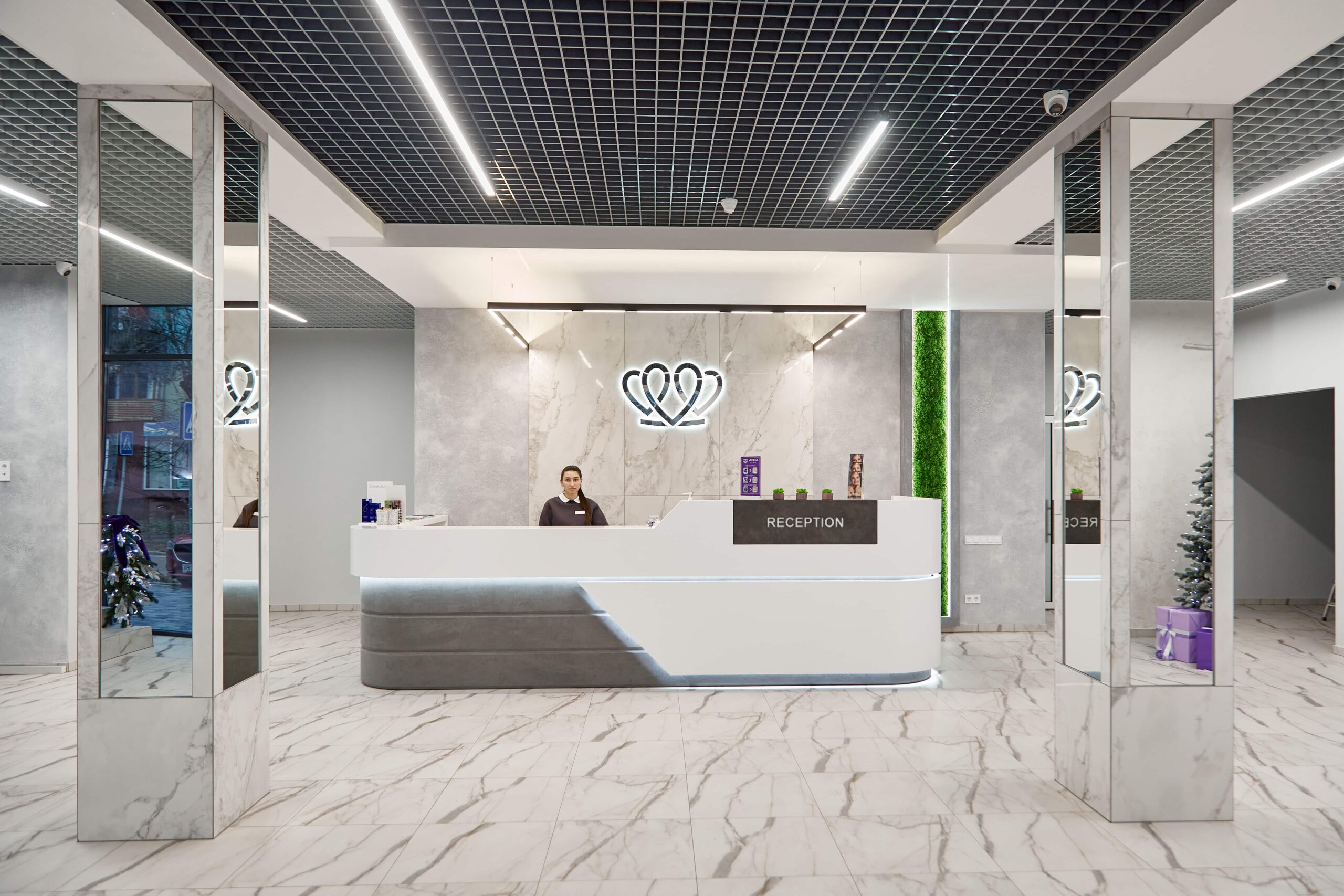
📍 Lviv, Ukraine
A dental clinic in Lviv with a separate doctor for each field: oral surgery and implants, prosthodontics, restorative dentistry, endodontics under a microscope, periodontics, orthodontics and paediatric dentistry.
No. Sedation and general anaesthesia are different things. Under sedation the patient breathes unaided, keeps protective reflexes and responds when spoken to, and the doctor adjusts the depth of sleep during the procedure. Under general anaesthesia consciousness is switched off completely and breathing is supported by a machine through a mask or a tube; in dentistry this level is rarely needed and mostly in a hospital setting. After sedation most patients wake within a few minutes and go home the same day with an escort.
Sedation is charged by the hour: the first hour from USD 89, each additional hour from USD 67. An anaesthetist consultation costs from USD 8, and placing one Neodent implant (Brazil) from USD 373. The abutment, crown, bone graft material and membrane are charged as separate items, and the CT scan and blood tests are paid for at a diagnostic centre. Prices are indicative: the doctor gives the final figure after an examination and a review of the scan, because the scope depends on the condition of your teeth and the amount of bone.
Pain relief comes not from sedation but from local anaesthesia, which is always given, after you fall asleep. Sedation removes anxiety, tension and memory of the procedure, but does not in itself block pain signals. That is why the anaesthetic injection is given in every case, and it lasts longer than the sedation: for the first hours after waking the area stays numb. If the patient reacts to touch during the work, the doctor adds more anaesthetic.
Do not eat solid food for at least 6 hours before the procedure; clear fluids such as water, tea without milk or clear juice without pulp can be drunk up to 2 hours before. Milk, fermented milk drinks and juice with pulp do not count as clear fluids. The rule exists because under sedation the protective reflexes are suppressed, and stomach contents can enter the airways. If you ate later than agreed, say so: the visit will be rescheduled.
It is not given with severe breathing disorders, such as uncompensated chronic obstructive pulmonary disease, severe untreated sleep apnoea or an asthma flare-up, during pregnancy, with allergy to sedation drugs, severe heart or kidney failure, myasthenia, or if the patient has had alcohol or psychoactive substances the day before. Some of these conditions do not rule out implant placement altogether but move it to a hospital setting. The final decision is made by the anaesthetist after an examination and tests.
The limit is set not by the sedation but by the amount of surgical work. A procedure for 4–6 implants usually fits into 2–3 hours; full rehabilitation of a jaw with a fixed prosthesis takes longer. Prolonging the operation indefinitely is not advisable: swelling increases, recovery takes longer and the anaesthetic load grows. That is why a large plan is sometimes deliberately split into two visits; the decision is made by the surgeon after assessing the CT scan and the patient's condition.
Do not drive for a full day after intravenous sedation: even if it subjectively feels as though everything has worn off, attention and memory take longer to recover. On the same day it is best not to sign documents, make financial decisions or drink alcohol. Most patients go back to work the next day, while exertion, sauna and sport are put off for a few days because of post-operative swelling. On the day of the procedure patients are discharged home only with an escort.
Tell us what you need: we will suggest a clinic and a doctor and send you a cost estimate.
Request a consultation →